

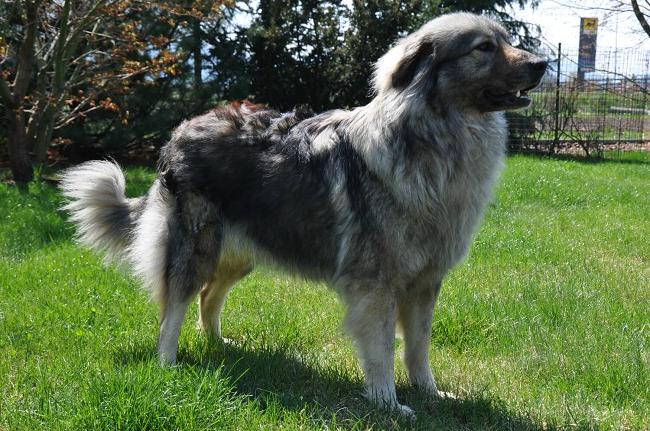
People often come across the Karst Shepherd Dog when they are looking for a capable guardian that is not showy or frantic, or when they have met a steady, grey-coated dog that watches quietly from the edge of the action. At first glance it can look like “just another big farm dog”, but the details matter, especially if you are thinking about living with one.
This is a breed shaped by work and landscape. The Karst Shepherd (Kraški ovčar) developed as a livestock guardian and herding helper in Slovenia, where calm decision-making and physical durability counted for more than flash. That background still shows up today in how they move through a household, how they relate to strangers, and what they need in order to settle.
When people struggle with this breed, it is rarely because the dog is “bad” or “stubborn”. It is usually because the home environment does not give the dog enough space, structure, and meaningful daily activity. Understanding the Karst Shepherd as a thoughtful working dog first makes the rest of the care picture far clearer.
Karst Shepherd snapshot
- Breed category: Working dog (livestock guarding and herding heritage)
- Country of origin: Slovenia
- Typical height: Males 57 to 63 cm, females 54 to 60 cm
- Typical weight: Males 30 to 42 kg, females 25 to 37 kg
- Life expectancy: Commonly around 10 to 12 years
- Coat: Dense double coat, typically iron-grey shades
- Shedding: Moderate to heavy, often seasonal
- Exercise: High daily needs, plus mental work
- Best suited to: Space, routine, confident handling, and purposeful activity
Origins, development, and what the job still looks like
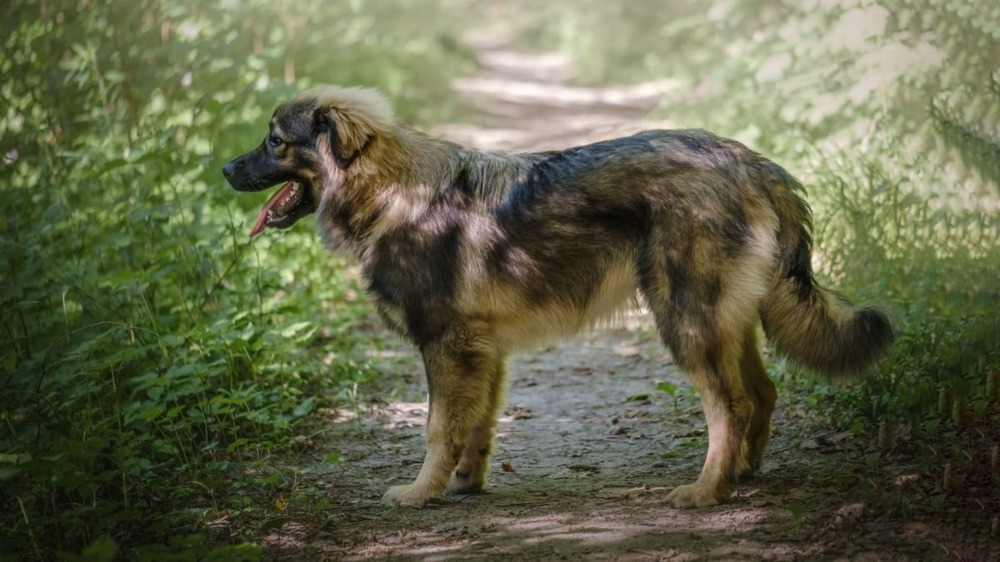
The Karst Shepherd is recognised internationally as an established Slovenian breed, and its identity is closely tied to the Karst region and pastoral life. In modern kennel club terms, the FCI lists the breed as the Karst Shepherd Dog (Kraški ovčar), number 278, with definitive recognition dating to the late 1960s, and the current standard published in the early 2000s.1
It helps to picture the original work. A good livestock guardian is not meant to be busy all the time. The dog needs to conserve energy, watch for change, and respond decisively when something is off. That is why many Karst Shepherds come across as quietly alert rather than overtly social.
You can also see echoes of the breed’s shared history with other regional shepherd dogs, including the period when the Karst type and the Šarplaninac type were treated as closely related before being separated as distinct breeds in 1968. Understanding this shared “mountain guardian” lineage explains a lot about temperament, including the tendency to be reserved with unfamiliar people and confident in their own judgement.2, 3
Appearance and breed traits that influence day-to-day life
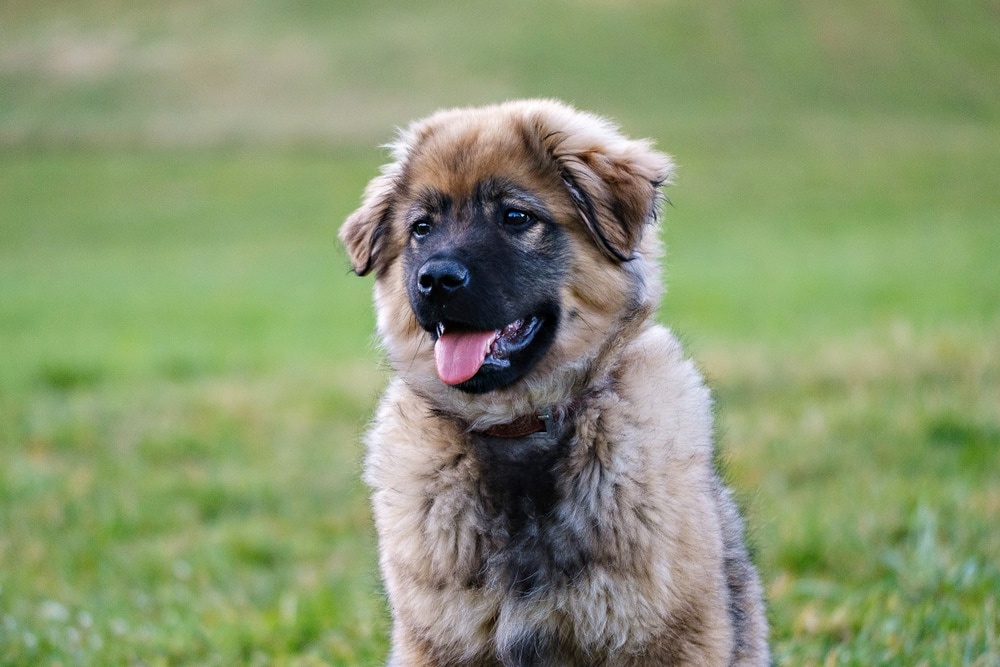
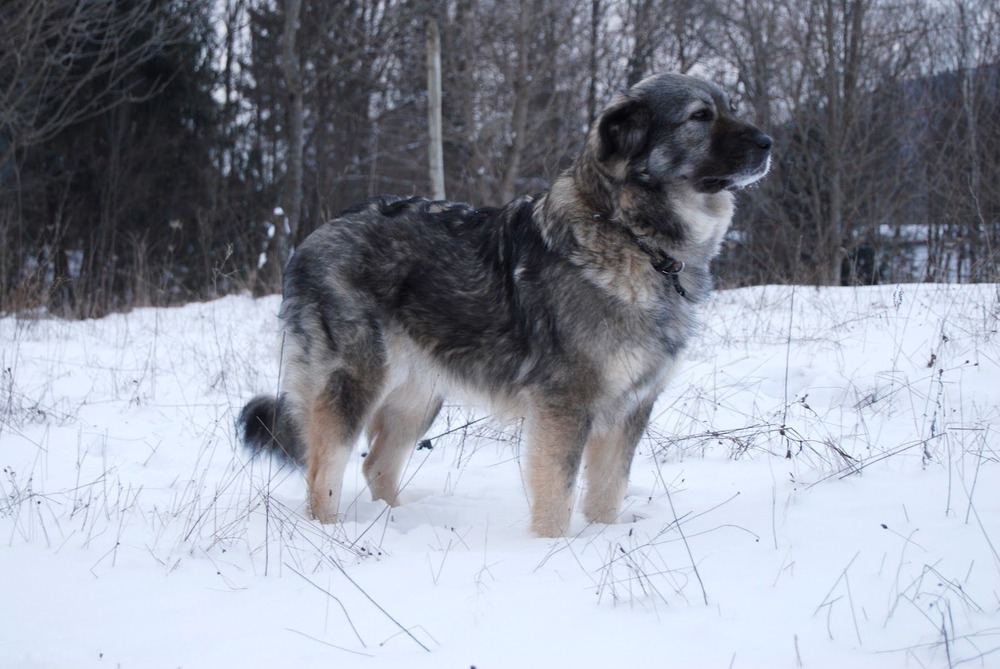
Most people notice the coat first. The Karst Shepherd’s double coat is built for weather resistance, and the typical colour is iron-grey with shading, often with a darker mask. Breed standards emphasise a functional coat, rather than a soft, fluffy texture, because the coat is part of how the dog copes outdoors.1, 4
Physically, this is a strong, medium to large dog with enough bone and muscle to work on uneven ground. That has practical implications: they can be surprisingly powerful on lead, they do not do well with slippery floors without conditioning, and they tend to appreciate a home setup that does not force them to squeeze into tight spaces.
One of the most useful ways to think about this breed is as steady under pressure, not “low energy”. Many Karst Shepherds can lie around calmly for long stretches, then switch on quickly if something changes. That ability can be a gift in the right home, and a challenge in a home that expects instant friendliness to everyone.
Temperament, family life, and social expectations
Well-bred, well-raised Karst Shepherds are often devoted to their people and naturally watchful. They tend to bond strongly, and may choose a “core group” within the household. This can look like loyalty, but it is also a working trait: the dog is built to notice and prioritise the things it considers part of its responsibility.
With children, success usually comes down to two things: the adults setting calm boundaries, and the dog being given time to observe and learn. Many do well with respectful kids, especially when the dog has a place to retreat and is not constantly approached. The goal is not to force affection, but to build predictable, safe routines for everyone.
With other pets, early socialisation matters, but so does ongoing management. Some Karst Shepherds will live peaceably with other dogs, while others are more selective, particularly with unfamiliar dogs on walks. If you have cats or small animals, careful introductions and supervision are essential, as individual prey drive can vary.
Training approach that suits a thoughtful guardian breed
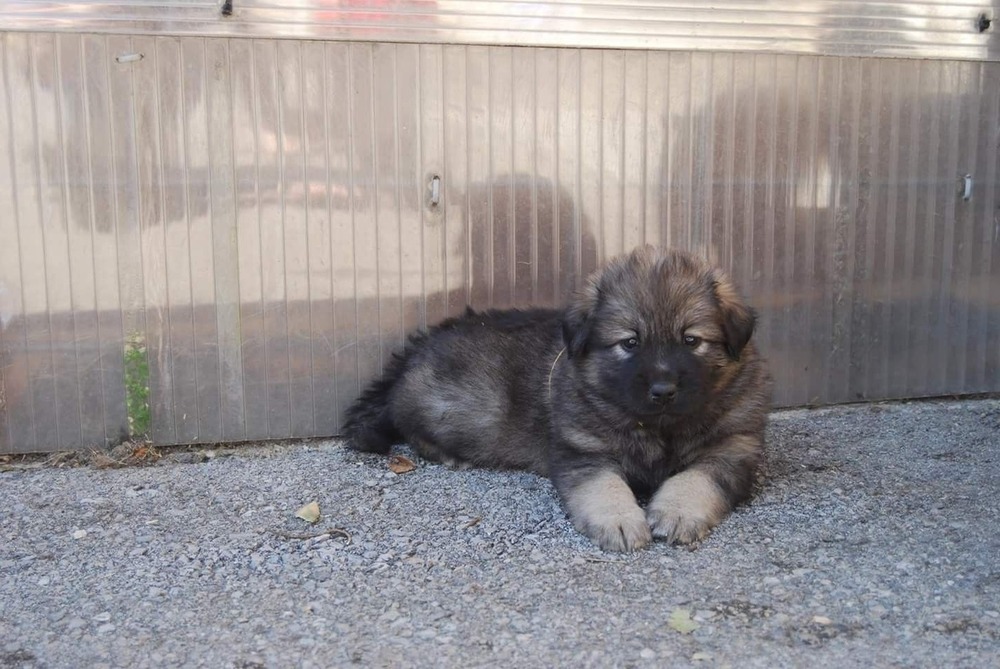
The Karst Shepherd is intelligent, but it is not typically a “do anything for a biscuit” breed. They often learn quickly, then decide whether the cue makes sense in the moment. That is not defiance as such, it is a working dog tendency to assess the environment.
Training tends to go best when it is calm, consistent, and built on reinforcement rather than pressure. If you want one guiding principle, it is this: train for cooperation, not control. Clear routines, thoughtful exposure to new places, and plenty of reward for calm behaviour usually produce a dog that is easier to live with.
Socialisation is less about meeting everyone, and more about learning the world is safe and predictable. Aim for steady experiences: visitors who ignore the dog at first, neutral walks past schools and shops, and short trips that end before the dog becomes overwhelmed.
Exercise, enrichment, and why “a backyard” is not enough
These dogs are often described as high energy, but the fuller picture is “high need for meaningful activity”. A Karst Shepherd that only runs laps of a yard can become bored, noisy, or overly reactive to passers-by because guarding becomes the only available job.
Most do best with a daily mix of:
- Structured walking (where the dog practises settling and checking in)
- Off-lead time only where it is safe and legal, with reliable recall
- Problem-solving enrichment (food puzzles, scent games, simple search tasks)
- Short training sessions that build impulse control and calm greetings
If you live in a hot part of Australia, plan exercise around temperature. Thick-coated breeds can overheat, and signs like heavy panting, drooling, lethargy, vomiting, or collapse need urgent veterinary advice. In heat, cooling should be done with cool water rather than ice-cold methods, and it is safer to walk early or late when conditions are milder.8, 9
Health considerations and preventative care
No breed is free of risk, and larger working dogs are commonly associated with orthopaedic issues such as hip dysplasia. The most helpful step owners can take happens before the puppy comes home: seek breeders who use recognised screening systems, and ask to see results rather than general assurances.
In practice, you may hear about OFA hip scoring and PennHIP. They are different systems, but both exist to support informed breeding decisions and earlier detection of risk. Your vet can explain what is commonly used in your region and how to interpret the paperwork.6, 7
At home, simple habits make a difference:
- Keep the dog at a lean, athletic body condition to reduce joint load
- Build fitness gradually, especially during adolescence
- Use regular check-ups to monitor eyes, joints, and dental health
Coat care, shedding, and everyday grooming
The Karst Shepherd’s coat is practical, but it still needs regular maintenance. Brushing a few times a week is usually enough for much of the year, then more often during seasonal shed. Focus on the undercoat, behind the ears, and along the thighs, where tangles can form.
Aim for skin-first grooming. That means you are not only removing loose hair, you are also checking for irritation, hotspots, ticks, and small injuries that can hide under a dense coat.
Bathing is typically occasional rather than frequent. Many double-coated working breeds do better with less washing, as over-bathing can dry the skin and soften the coat texture. If you do bathe, rinse thoroughly and dry well, especially in cooler weather.
Feeding and keeping weight steady through life stages
Feeding is less about finding a “perfect” brand and more about matching intake to the dog in front of you. Working-type dogs can hold condition differently depending on exercise, season, and age. Puppies and adolescents should be grown steadily rather than pushed hard, because rapid growth can place extra stress on developing joints.
For many Karst Shepherds, a practical approach is:
- Choose a complete diet that meets recognised nutritional standards
- Measure meals, then adjust based on body condition and activity
- Use treats strategically, and reduce meal size if training rewards increase
If you are unsure, your vet can help you assess body condition and adjust feeding without guesswork. General feeding guidance and life stage considerations are also outlined in veterinary nutrition resources.10
Living well with a Karst Shepherd
The Karst Shepherd can be a remarkable companion for the right household, especially for people who appreciate a dog that is observant, grounded, and not socially indiscriminate. They often thrive when the home respects their need for space, structure, and a role that makes sense.
If you are considering the breed, it is worth asking yourself one quiet, practical question: can you support a dog that is calmly protective, not universally friendly? If the answer is yes, and you are willing to invest in early training and ongoing enrichment, you are more likely to end up with the kind of steady presence that draws people to this Slovenian working dog in the first place.
References
- Fédération Cynologique Internationale (FCI): Karst Shepherd Dog (Kraški ovčar), Standard No. 278
- Karst Shepherd (Kraški ovčar) overview (Wikipedia)
- Šarplaninac history and breed separation context (Wikipedia)
- United Kennel Club (UKC): Karst Shepherd Dog breed standard
- Slovenian National Club of Owners and Breeders of Karst Shepherds (DLVKOS)
- Orthopedic Foundation for Animals (OFA): Hip Dysplasia in Dogs
- PennHIP: University of Pennsylvania Hip Improvement Program
- ABC News: Ways to protect your dog from heat stress in summer
- RSPCA Australia: Keeping your pets safe during a heatwave
- World Small Animal Veterinary Association (WSAVA): Global Nutrition Guidelines