


- Breed category: Scent hound
- Country of origin: Ireland
- Typical height: Around 56 to 61 cm at the shoulder (some sources list a wider range)
- Typical weight: Up to about 27 kg
- Average lifespan: About 10 to 14 years
- Coat: Short, close and low fuss
- Shedding: Moderate
- Exercise needs: High, daily movement plus sniffing time
- Temperament (general): Social, energetic, independent minded
- Best suited to: Active homes with secure fencing and time for training
You might come across the name “Kerry Beagle” and picture a small, tidy beagle type dog. Then you see one in a photo, or meet someone who keeps hounds, and realise it is not that at all. The Kerry Beagle is a taller, pack bred scent hound from Ireland, shaped by long days following a trail rather than life as a lap dog.1, 2
People often start looking into this breed because they love hounds, they want a dog with a good off switch after a big run, or they are drawn to that steady, nose first way of moving through the world. What tends to surprise new owners is not the grooming, which is straightforward, but the combination of stamina and independence that comes with a working background.1, 2
Getting the best out of a Kerry Beagle is less about “controlling” them and more about meeting their needs on purpose: safe space, consistent training, and daily opportunities to sniff, explore, and do the kind of problem solving their brain expects.
Where the Kerry Beagle comes from
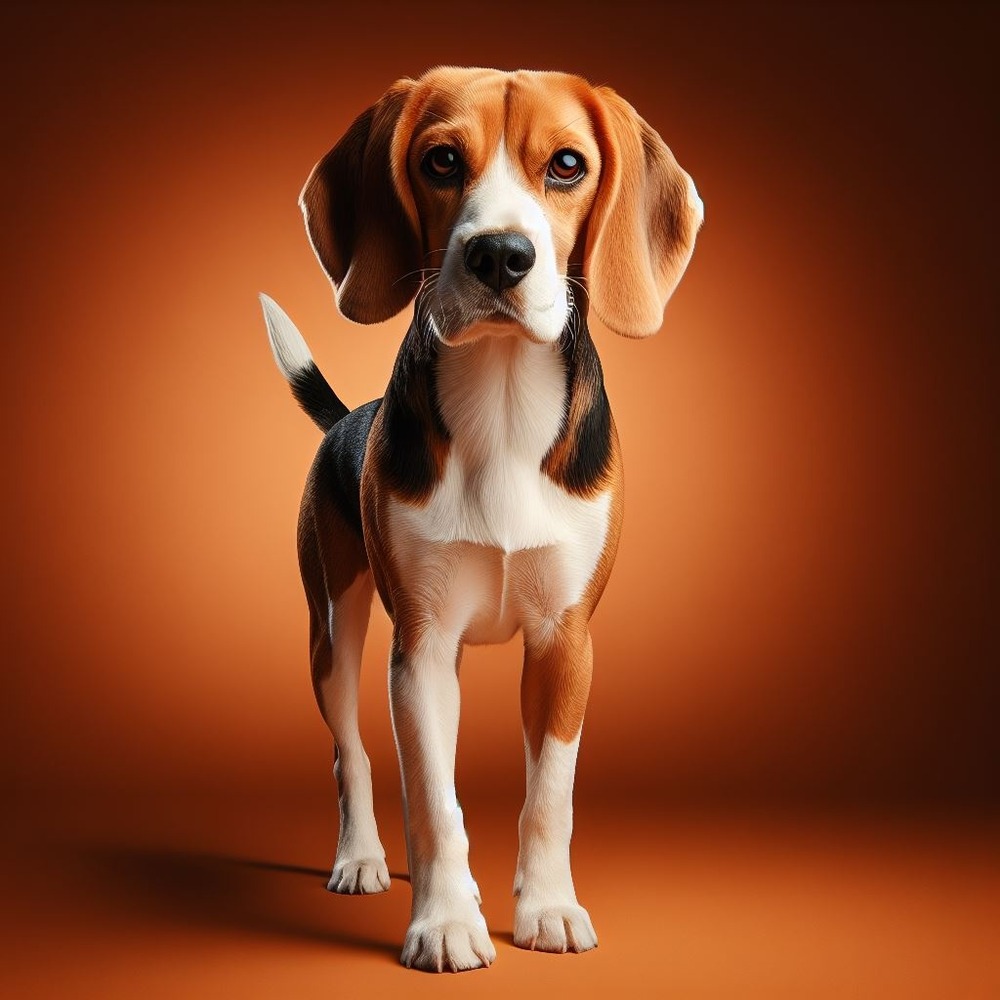
The Kerry Beagle is widely described as the only surviving native Irish scent hound. The breed is associated with hunting in packs, and histories commonly place its development back to at least the 1500s, with written pedigrees recorded from the late 1700s.1
By the 1800s, numbers had declined, and one well known pack, the Scarteen Hunt in County Limerick, is often credited with keeping the line going over generations.1, 3
In practical terms, this background matters because it helps explain the Kerry Beagle’s default settings: they tend to be comfortable with other dogs, they can travel for long distances, and they are motivated by scent in a way that can easily outcompete a recall cue if training has not been built carefully.
Appearance and the traits that stand out
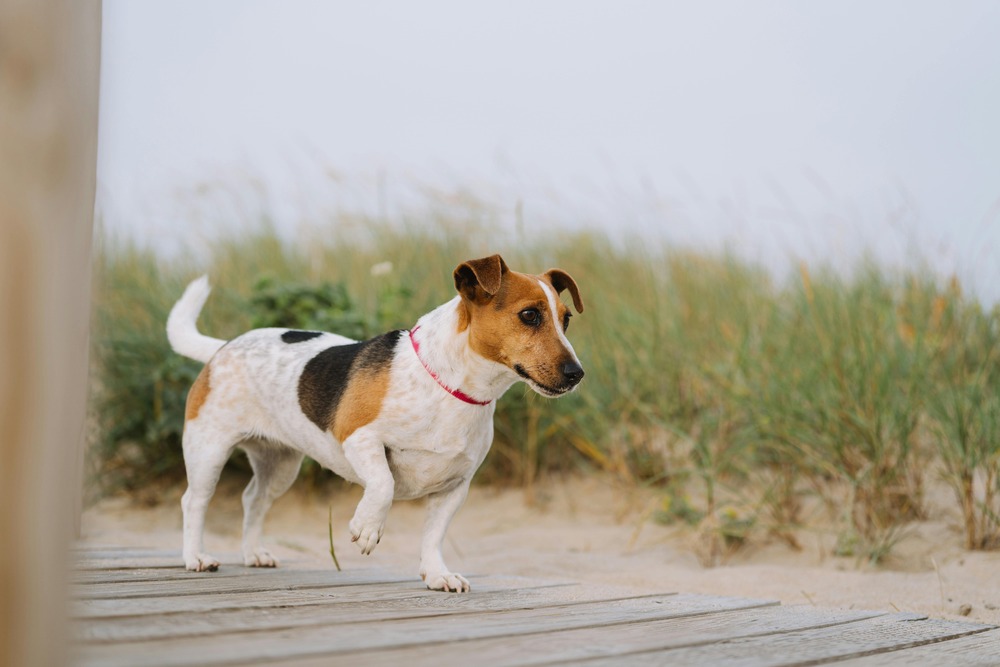
Kerry Beagles are medium sized hounds with a short, close coat and long, pendulous ears. Black and tan is commonly mentioned, with other patterns also described, depending on the line and the source.1, 2
The “beagle” part of the name can be misleading. One explanation you will see is that “beag” is an Irish word meaning “small”, reflecting that these hounds were smaller than some other traditional hunting hounds, even though they are typically taller than the modern pet Beagle most people know.1
What owners notice day to day is less about looks and more about function. A Kerry Beagle is built for endurance and forward motion. If you like weekend hikes, jogging, or you want a dog who can come along for a long day out, that can be a genuine match. If you need a dog content with a short stroll around the block, it can become hard work for everyone.
Temperament, family life, and the “hound brain”
Well bred Kerry Beagles are often described as good natured and sociable, especially with other dogs, which fits with their pack history. They can also be independent, because scent work rewards the dog for following information that is not coming from you.1, 2
If you have children, the biggest success factor is usually not the breed label, it is the household rhythm. These dogs tend to do best when their days include movement, calm rest, and clear boundaries, rather than constant excitement. A bored hound can quickly become a noisy hound, not out of spite, but because barking and roaming are normal canine strategies that work.
If you have other pets, especially small animals, it is sensible to assume there may be a chase response. That does not mean it cannot be managed, but it does mean you need thoughtful introductions and supervision, plus secure fencing and training that is practiced in real contexts, not just in the lounge room.
Training that suits a scent hound
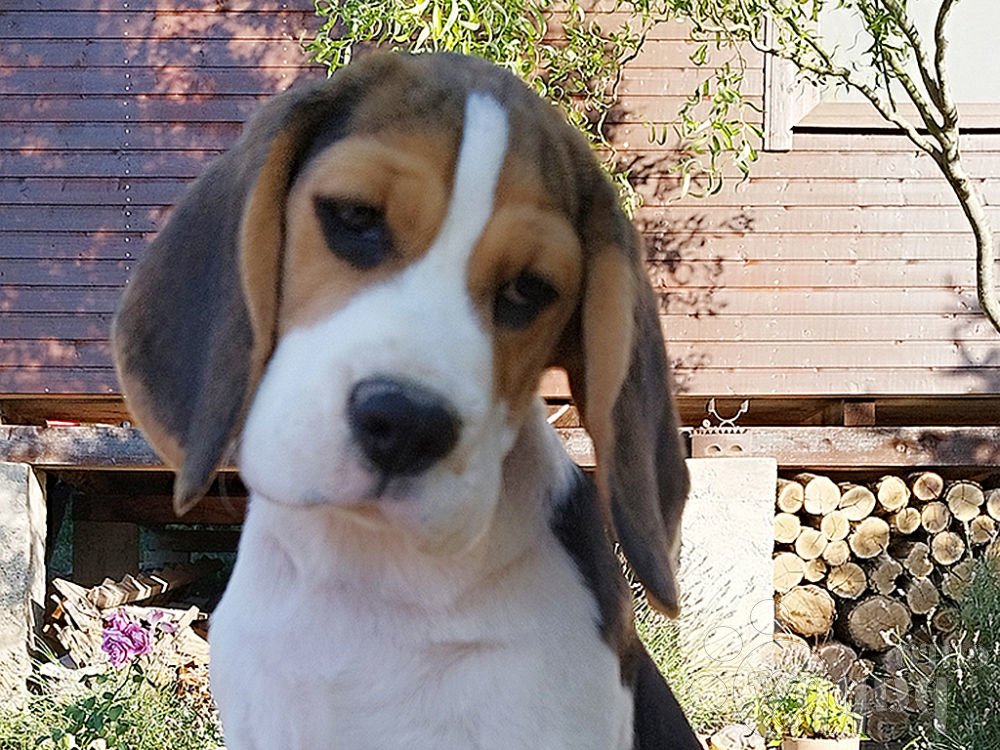
With hounds, training often works best when it is practical and reward based. The RSPCA’s guidance is consistent with modern behaviour practice: positive reinforcement, setting the dog up to succeed, and avoiding harsh, aversive tools that can increase stress and worsen behaviour over time.4
A few patterns tend to help Kerry Beagles in particular:
- Long line practice for recall around smells, before you ever trust an unfenced space.
- Rewarding check ins and calm walking, not just “perfect obedience”.
- Using sniffing as payment, for example a cue like “go sniff” after a good response.
- Keeping sessions short, then finishing with a decompression walk where the dog can explore safely.
If you take only one idea from this section, make it this: train the dog in front of you, not the dog you hope will appear one day. Hounds can become excellent companions, but they typically need more repetition in more places, because the environment is genuinely competing for their attention.
Exercise and enrichment that actually satisfies them
Kerry Beagles are commonly described as needing plenty of daily exercise. For many individuals, “exercise” is not only speed or distance, it is the chance to follow a trail, investigate, and make choices in a safe space.1, 2
Useful options tend to be simple:
- Two walks a day with at least one slow, sniff heavy walk.
- Scent games at home (treat scatters, find it games, hidden toys).
- Secure off lead time in fenced areas, if recall is not reliable.
- Short training sessions that build impulse control around distractions.
Because this breed is built to cover ground, secure fencing matters. A Kerry Beagle following scent is not “being naughty”, it is doing what it was developed to do. Planning for that reality, rather than fighting it, is usually what makes ownership feel steady.
Health and everyday care
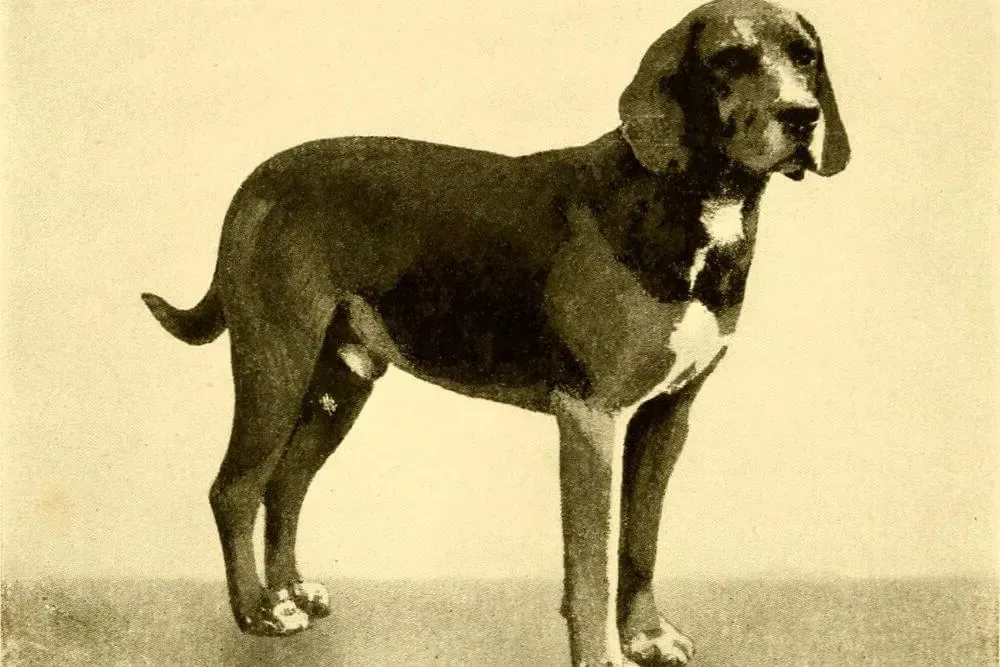
There is limited breed specific health data in the public domain compared with very common breeds, so it helps to think in terms of likely risks for medium sized, athletic dogs and for floppy eared hounds. Two issues owners often watch for are ear infections and orthopaedic concerns such as hip dysplasia, especially if a dog is overweight or poorly conditioned.
Ear care is worth treating as routine. Floppy ears can reduce airflow, and moisture after swimming or bathing can contribute to problems. Australian vet guidance commonly recommends checking ears regularly, keeping them dry, using a vet approved cleaner when needed, and avoiding cotton buds in the ear canal.5, 6
If you notice a strong smell, redness, discharge, repeated head shaking, or obvious discomfort, it is a vet visit rather than a home project. Ear issues can worsen quickly, and deeper infections are not something you can fix with surface cleaning.7
Feeding and keeping a working body in good condition
Kerry Beagles tend to thrive on a consistent, complete diet suited to their size, life stage, and workload. The tricky part is not usually “finding the perfect food”, it is keeping a fit dog from sliding into an unhelpful weight range once adulthood settles in.
The WSAVA Global Nutrition Guidelines encourage a nutritional assessment as part of routine care, including monitoring body condition and adjusting portions based on the individual dog, not the label alone.8
If you are training with food, treat it like part of the daily ration. Many hounds will happily work for tiny pieces, so you can keep rewards high value without turning them into a second dinner.
Is a Kerry Beagle a good fit?
A Kerry Beagle can be a wonderfully steady companion in the right home: active, outdoorsy, and happy to invest in training. They tend to suit people who enjoy the hound qualities rather than trying to train them out of the dog.
They are usually a tougher fit where life is very sedentary, fencing is unreliable, or you need effortless off lead reliability in high distraction spaces. If you are drawn to the breed, it can help to meet one in person, talk with people who keep hounds, and think honestly about what your weekdays look like, not just your weekends.
When the match is right, you get a dog with stamina, companionship, and a remarkable nose, plus the kind of calm presence that often comes after a long, satisfying walk.
References
- Kerry Beagle (Wikipedia)
- Irish Kennel Club (IKC) official website
- Scarteen and the Scarteen Hunt (Wikipedia)
- RSPCA Knowledgebase: training recommendations and reward-based methods
- MustCare Vet Centres: safe dog ear cleaning guide
- Blackmores PAW: guide to cleaning your dog’s ears
- Blue and White Vet: dog ear infections and when to see a vet
- World Small Animal Veterinary Association (WSAVA): Global Nutrition Guidelines