

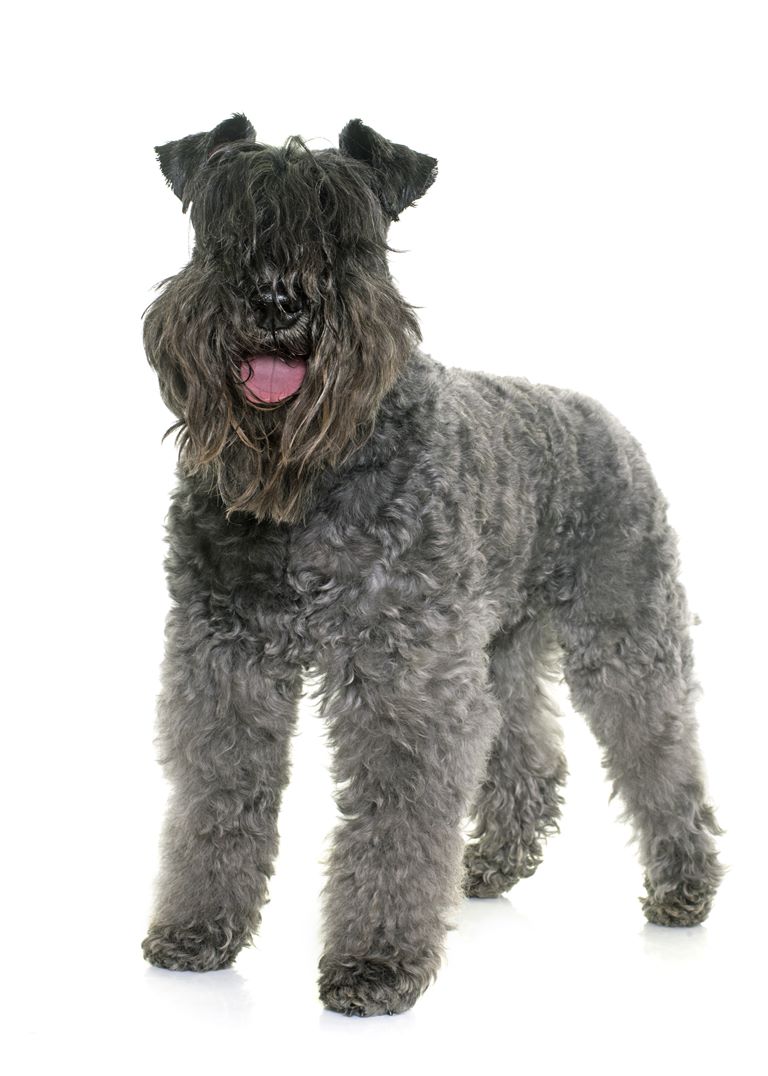
People often come to the Kerry Blue Terrier after noticing something a little unusual: a terrier with a soft, curly coat, a serious beard, and a colour that seems to sit somewhere between slate and smoke. Or they meet one at a park and are surprised by how confidently the dog moves through the world, brisk, observant, and ready for the next thing.
It is easy to assume the Kerry Blue is simply a stylish show dog, or that a low-shedding coat automatically means “easy care”. In practice, this breed tends to suit people who enjoy a dog with opinions, energy, and a coat that needs regular upkeep, even if it does not leave much hair on the couch.
When the match is right, a Kerry can be a deeply rewarding companion: bright, athletic, and adaptable, with a working-dog background that still shows up in day-to-day life.
- Breed category: Terrier
- Country of origin: Ireland
- Height: Dogs about 46 to 48 cm, bitches slightly less
- Weight: Often around 15 to 17 kg, bitches proportionately less
- Typical lifespan: About 12 to 15 years
- Coat: Soft, dense, wavy
- Shedding: Low
- Energy level: High
- Overall maintenance: Moderate to high
History and origin
The Kerry Blue Terrier is strongly associated with Ireland, particularly County Kerry. Like many older working breeds, the details of its earliest development are not neatly documented. What is clearer is the type of dog people needed: a medium-sized all-rounder that could handle farm life, dispatch vermin, and work across rough country.
By the early 20th century, the breed had become part of a bigger story about Irish identity and dog showing. The Kerry Blue was the first breed recognised by the Irish Kennel Club after it formed in 1922, following breed club activity and a landmark Dublin show in 1920.1
One of the enduring details from that period is that Irish revolutionary Michael Collins exhibited a Kerry Blue Terrier called “Convict 224” at the 1920 show, even while he was under threat.1
Physical characteristics that shape daily life
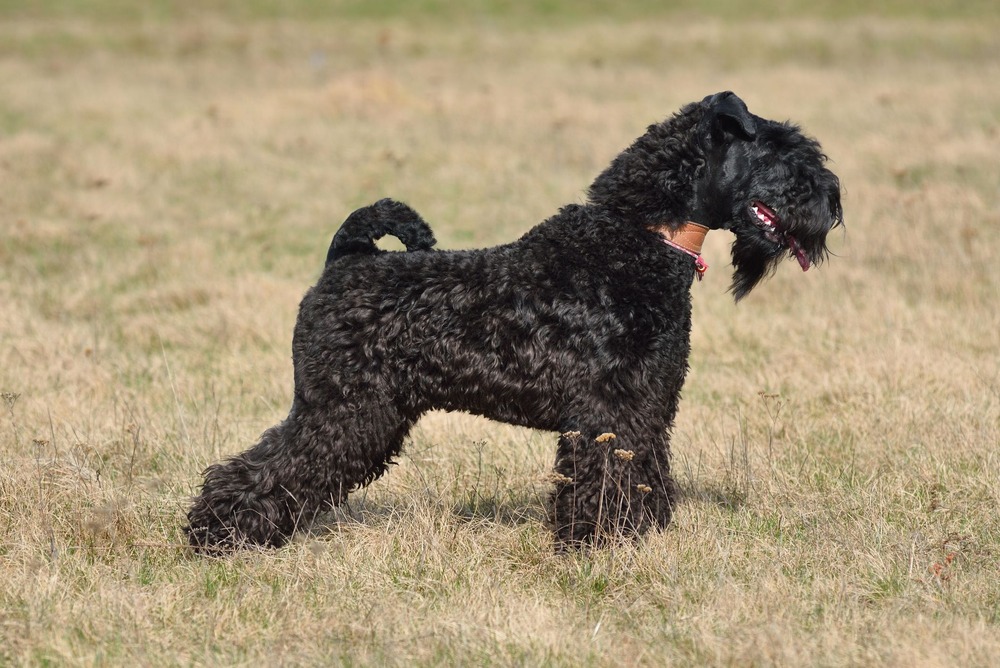
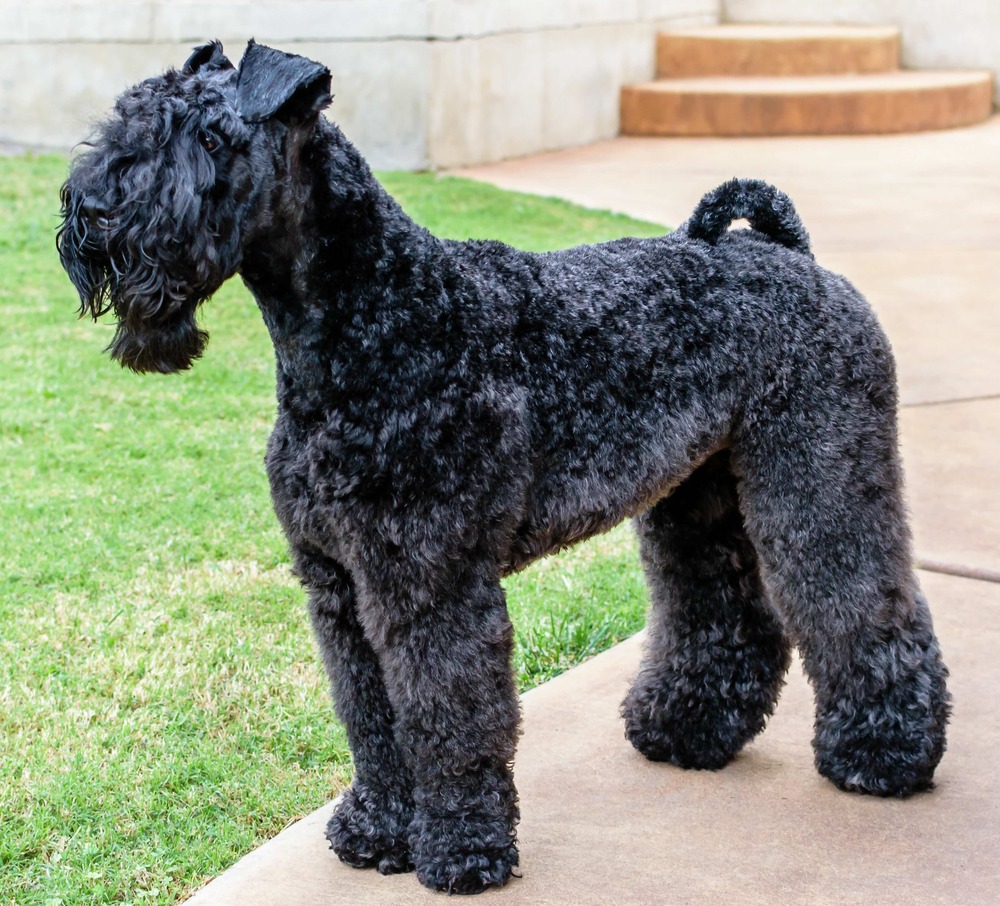
Kerries are compact, athletic terriers with a distinctive outline, a strong neck and shoulders, and a soft coat that is clipped into a recognisable shape. Breed standards describe a coat that should be soft, dense, and wavy, not harsh or wiry.2
The colour story is part of the breed’s mystique. Kerry pups are born looking black, then “clear” as they mature, moving through transitional shades before settling into blue-grey tones. How quickly that happens varies, but by about 18 months the shift should be apparent in a typical Kerry Blue.2, 3
Ears are traditionally described as V-shaped and folding forward. Tails are set high and carried up. Modern tail docking rules vary by country, so you may see both docked and undocked tails depending on where the dog was bred and shown.4
Temperament and behaviour
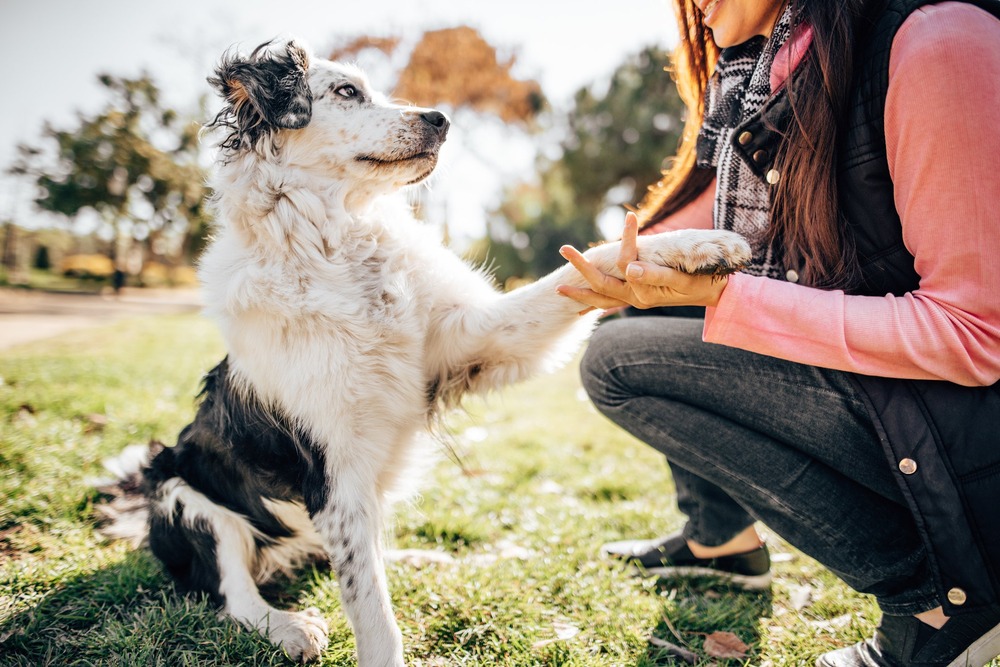
If you live with terriers, you start to recognise the pattern: they tend to notice everything, they learn quickly, and they do not automatically agree that strangers or other dogs should be in their space. The Kerry Blue fits that mould, often with a bit more polish and versatility than some smaller terrier types.
Many do well as family dogs, especially when they are raised with thoughtful boundaries and plenty of outlets. They are typically playful and people-focused, but they are not always a “set and forget” breed. A Kerry who is under-exercised or bored can become noisy, pushy, or fixated on movement in the environment.
With other animals, it helps to assume the terrier instincts are still present. Early socialisation matters, and management around small pets is sensible until you are confident about your dog’s responses.
Training and exercise needs
Kerry Blues are clever, and clever dogs do not just learn what you teach. They also learn what works. If a behaviour gets them attention, access, or relief from a task, it is likely to show up again. That is not “dominance”, it is simply learning.
Training goes best when it is consistent and rewards the behaviours you want to see. Many Kerry owners do well with short sessions, clear cues, and enough variety that the dog stays engaged. If you enjoy dog sports, a Kerry often appreciates having a job, whether that is agility, obedience, scent work, or structured games.3
Most need daily activity that is both physical and mental. A walk is useful, but so is time to sniff, problem-solve, and practise calm behaviour around distractions. As a baseline, aim for at least an hour a day, then adjust depending on age, fitness, and temperament.
In Australian summers, it is worth being cautious with exercise in heat and humidity. Plan walks early or late, provide shade and water, and watch for signs of overheating. If you suspect heatstroke, cool the dog with cool or tepid water (not ice-cold) and contact a vet urgently.5
Health and lifespan
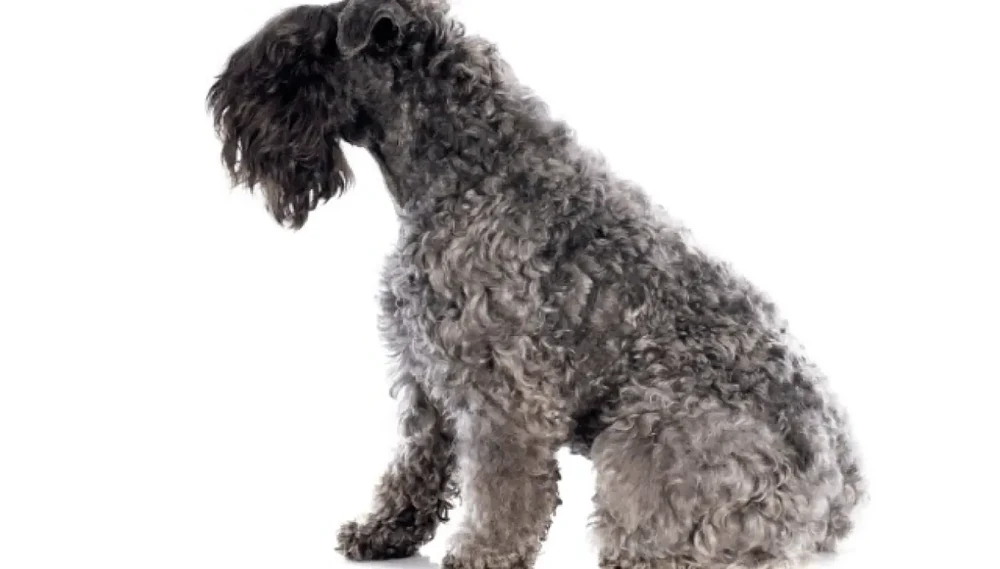
A well-bred Kerry Blue Terrier is often robust, with a typical lifespan around the low to mid teens. As with many medium breeds, there are still known risks to take seriously.
Conditions commonly discussed for the breed include hip dysplasia, eye disease (which is why eye screening is often recommended), and skin problems such as allergies or dermatitis.6, 7
If you are choosing a puppy, ask what health testing has been done on the parents, and request written evidence. Breed clubs commonly point buyers towards formal hip evaluations and eye clearances, and in some lines, DNA testing for inherited bleeding disorders may be relevant as well.6
Grooming and coat maintenance
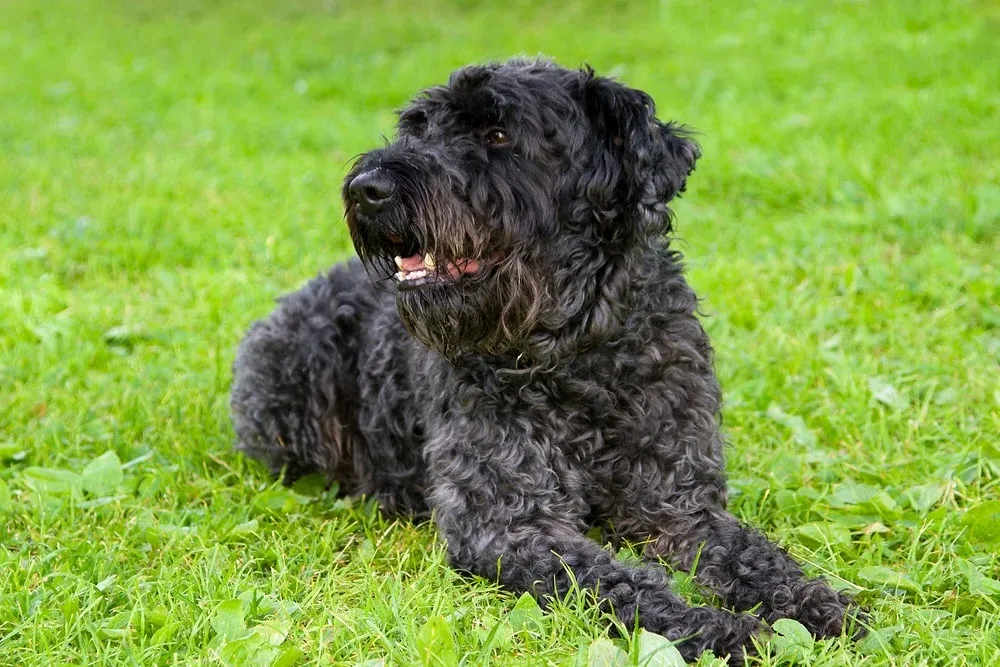
The coat is a big part of Kerry ownership. Low shedding does not mean low maintenance. The coat continues to grow and can mat if brushing is irregular, particularly in friction areas such as behind the ears, under the collar, and in the armpits.
Most homes do well with brushing a few times a week, plus a professional groom every six to eight weeks, depending on the clip and lifestyle. If you keep a longer trim, you will likely need more frequent brushing. If you keep the coat shorter, you may gain ease but lose some of the classic silhouette.
Pay attention to the skin as you groom. With a thick, curly coat, early signs of irritation can hide. Small changes in itchiness, redness, or bumps are worth raising with your vet, especially if they persist.7
Diet and keeping a healthy weight
Kerries tend to thrive on straightforward, balanced nutrition matched to their activity level. Whether you choose a commercial diet or a vet-guided home-prepared plan, the practical goal is the same: steady energy, good stools, healthy skin, and a body condition where you can feel ribs without them being prominent.
Weight management is not glamorous, but it matters. Extra kilos can worsen joint wear and make it harder for a dog with hip issues to stay comfortable. If your Kerry is prone to allergies or recurrent skin trouble, your vet may also suggest a structured diet trial to clarify whether food is contributing.
Treats are part of life with a trainable terrier. Keep them small, count them as part of the day’s intake, and prioritise rewards that do not quietly double the calories.
Small details people enjoy about the breed
The Kerry Blue has a few quirks that owners tend to mention with a smile. The colour shift from puppyhood is a big one, and it can take longer than people expect. Even within breed standards, individuals can move through several in-between shades before they settle.2, 3
In the show world, one Kerry Blue Terrier became particularly well-known: Ch. Torums Scarf Michael, called “Mick”, who won Best in Show at the Westminster Kennel Club Dog Show in 2003.8
Final thoughts
The Kerry Blue Terrier tends to suit people who enjoy a dog with presence, a dog that notices patterns, learns quickly, and benefits from being included in daily routines. They are often affectionate and entertaining, but rarely passive, and their coat care is a real commitment even though shedding is low.
If you like training, walking, and the quiet satisfaction of keeping a curly coat in good shape, a Kerry can be a wonderful fit. If you want a dog who mostly looks after themselves, it is worth pausing and being honest about what you have time for. With this breed, the best outcomes usually come from steady structure and consistent care.
References
- American Kennel Club: Kerry Blue Terrier History
- United States Kerry Blue Terrier Club: Kerry Blue Terrier Standard
- American Kennel Club: The Mysterious Kerry Blue Terrier
- The Kennel Club (UK): Kerry Blue Terrier Breed Standard
- RSPCA Australia: Keeping your pet safe during the heat
- Kerry Blue Terrier Foundation: Health of a Kerry Blue Terrier
- PetMD: Kerry Blue Terrier Health and Care
- The Washington Post: Terrier Is Tops at Westminster (Feb 11, 2003)