

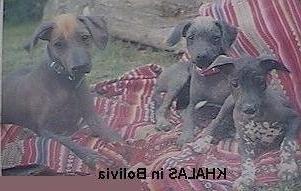
You might come across a “Khala dog” in a photo first: a slim, alert little dog with bare skin and big ears, looking almost sculptural. People often assume “hairless” means low maintenance, or that the dog must be delicate. In practice, hairlessness changes the kind of care a dog needs, not whether care is needed.
There is also a bit of genuine confusion online about names and origins. In South America there are several naturally hairless landraces and recognised breeds, and they are sometimes blended together in articles and social posts. So it helps to separate the romance of an “ancient lineage” from what we can actually say with confidence, and what a prospective owner needs to do day to day.
What follows focuses on the practical reality of living with a hairless, primitive-type companion, including socialisation, skin care, and weather management, while being clear about where the historical record is strong and where it is more uncertain.
At a glance: what people mean by “Khala dog”
In many English-language write-ups, “Khala dog” is used to describe a hairless, primitive-type companion from the Andean region, often linked to Bolivia and Peru. The word “khala” is commonly said to mean “naked” in Quechua, but that specific translation is not consistently documented in reputable linguistic or academic sources, so it is best treated as a popular explanation rather than a settled fact.
What we can be clearer about is the broader category of Andean hairless dogs. The best-documented, internationally recognised breed in this space is the Peruvian Hairless Dog (Perro Sin Pelo del Perú), which is recognised by the Fédération Cynologique Internationale (FCI) as a primitive type breed from Peru, with three size varieties. 1, 2
If you are considering a dog marketed as a Khala, ask for transparent information about the dog’s background, health screening, and breeding goals. With rare or loosely defined “types”, the quality of breeding and early handling matters far more than the label.
History and cultural context, without the myths
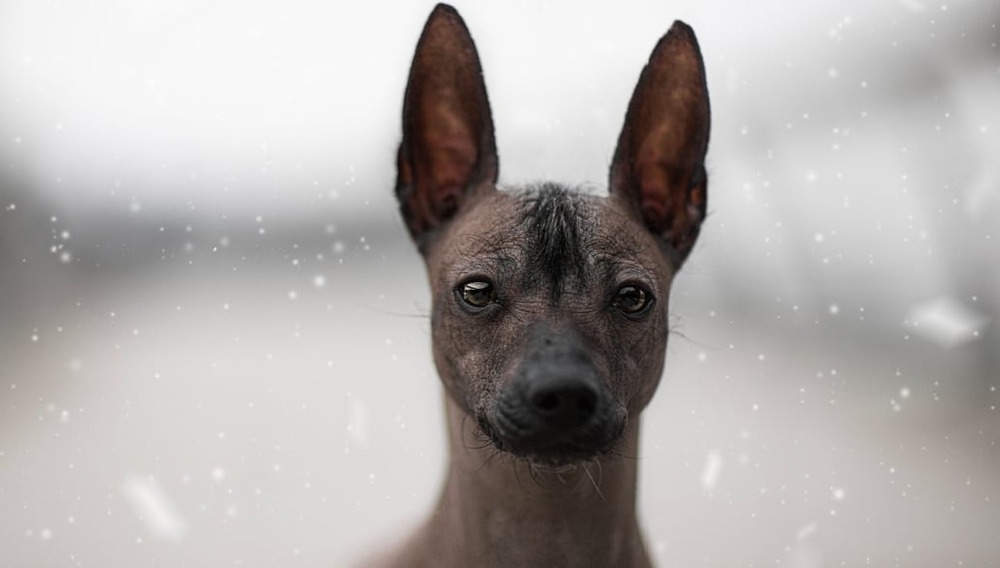
Hairless dogs have a long and well-attested presence in Andean art and archaeology, particularly in Peru. This is one reason modern hairless dogs from the region are often described as ancient, even when the modern breeding history is more recent and complex. 3
It is also true that hairless dogs have carried cultural meaning in different communities, including being associated with protection or special status. Those beliefs are part of regional history, but they are hard to verify in a tidy, single story that applies everywhere. A more helpful approach is to hold the cultural context lightly, while focusing on the dog in front of you: its temperament, health, and suitability for your home.
One important practical point sits underneath the history. Because hairlessness is genetic, and in several hairless breeds it can be linked with dental differences, responsible breeders should be open about what is normal for their dogs and what needs monitoring over time. 4
Temperament and daily life: loyal, observant, sometimes selective
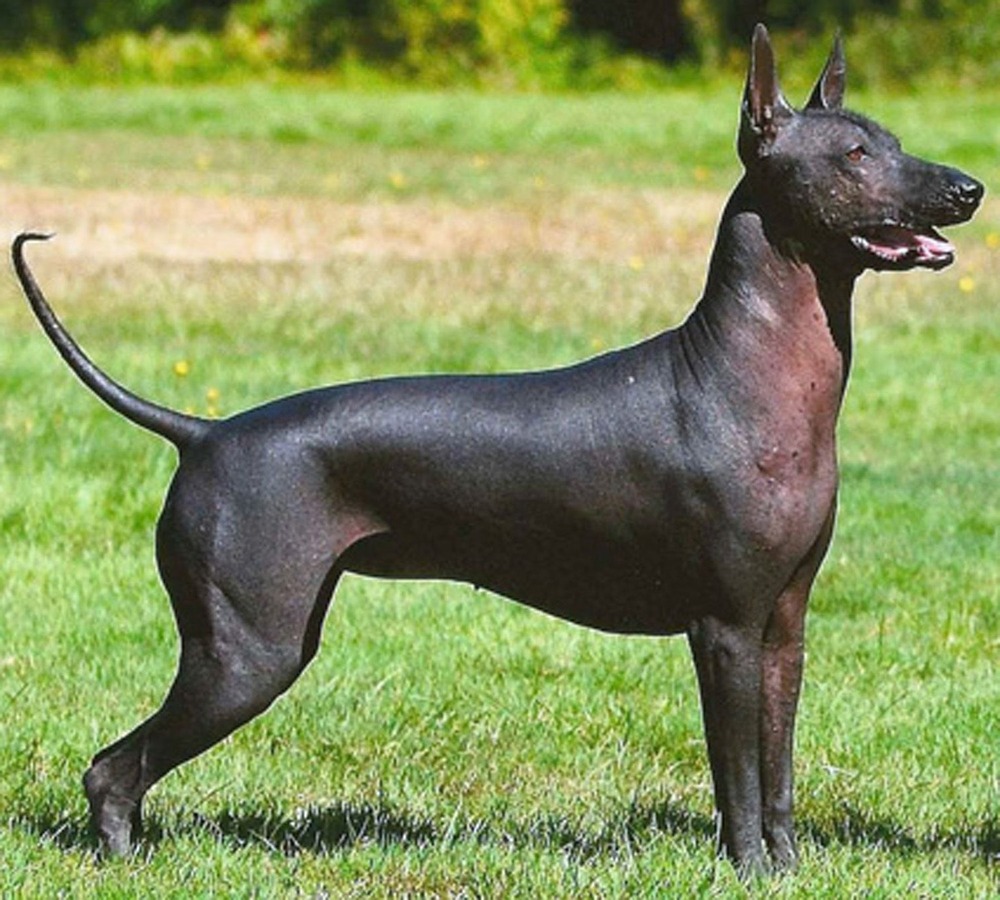
Hairless Andean types are often described as loyal, alert, and a little independent. In real households, this can look like a dog that bonds closely with a small circle, notices changes quickly, and prefers calm introductions rather than being rushed into attention from strangers.
Many do well as companion dogs because they like being near their people, but they are not always naturally “everyone’s mate”. If you value a dog who is quietly observant and responsive, you may find that a good match. If you want an endlessly social dog who loves every visitor, you will likely need to put more work into social exposure and confidence-building.
Temperament is shaped by genetics, early handling, and learning history. With uncommon types, you may see more variation than you would in a tightly standardised, widely registered breed.
Training and exercise: keep it simple, keep it consistent
Most dogs described as Khala are small to medium, athletic enough for daily walks, and bright enough to learn quickly. Training tends to go best when it is calm, consistent, and reward-based. Short sessions, repeated often, usually land better than long drills.
Because some can be cautious with unfamiliar people or environments, early socialisation matters. Think of it less as “meet everyone” and more as “learn that the world is safe”: different surfaces underfoot, friendly visitors who ignore the dog at first, car rides, gentle grooming, and quiet time near everyday noise.
- Daily movement: a couple of walks plus short play is often enough, adjusted for age and fitness.
- Mental work: food puzzles, scent games, and basic cues can be as tiring as physical exercise.
- Gentle exposure: build confidence by keeping new experiences under the dog’s stress threshold.
Skin, sun, and cold: the care that surprises people
Hairlessness does not automatically mean “easy”. It often means fewer issues with shedding, but more responsibility for skin and temperature comfort.
Sun protection is not optional for many hairless or lightly coated dogs. Dogs can get sunburnt, and repeated sun damage is a welfare issue that can increase longer-term risk. Practical prevention usually means a mix of shade, timing walks outside peak UV, protective clothing if the dog tolerates it, and using a pet-safe sunscreen on exposed areas such as ears, nose bridge, belly, and thin-skinned spots. 5, 6
Cold is the other side of the equation. Many hairless dogs need a coat on winter walks, and they may prefer warm bedding even indoors. Watch the dog’s body language rather than assuming a temperature is “fine”. Shivering, reluctance to move, and hunching are common signs the dog is not comfortable.
For bathing and moisturising, the goal is a healthy skin barrier, not a squeaky-clean feel. Over-bathing can dry the skin, and heavy or fragranced products can irritate. If your dog develops persistent redness, itch, pimples, flaking, or recurrent infections, a veterinarian should guide the plan rather than trial-and-error at home. 7
Feeding and body condition: less about “special diets”, more about steady habits
Most Khala-type dogs do well on a high-quality complete diet appropriate to their life stage, with portions adjusted to maintain a lean, comfortable body condition. Hairless dogs sometimes prompt owners to focus on supplements for “skin and coat”, but the basics tend to matter more: consistent feeding, appropriate calories, and avoiding a treat-heavy routine that quietly adds up.
If skin is a recurring issue, your vet may discuss food allergy as one possible factor, but it is only one piece of a bigger picture that can include parasites, contact irritation, infection, and environmental allergy. The most useful approach is methodical, guided by clinical signs, rather than swapping foods every few weeks. 7
Choosing a puppy or adult dog: what to ask, what to watch for
With rare types, the risk is not the dog itself, it is the lack of reliable information around breeding and early care. You are looking for soundness and transparency more than big claims about rarity or history.
- Health and care records: vaccinations, parasite control, any skin or dental history, and what has been tried already.
- Skin management routine: what products are used, how often the dog is bathed, and how sun and cold are handled.
- Behaviour in context: how the dog is with handling, visitors, noises, car travel, and time alone.
- Realistic support: will the breeder or rescue help you troubleshoot skin flare-ups and settling-in issues?
If a seller dismisses sunburn risk, overpromises “hypoallergenic”, or cannot answer basic questions about veterinary care and early socialisation, treat that as a warning sign.
References
- Fédération Cynologique Internationale (FCI): PERRO SIN PELO DEL PERÚ (No. 310)
- FCI: Peruvian Hairless Dog (breed page)
- Peruvian Hairless Dog (overview of history and cultural context)
- Peruvian Inca Orchid Club of the United States: About the Peruvian Inca Orchid (notes on hairless and coated varieties, and dentition)
- Time: Yes, Your Dog Can Get Sunburned. Here’s What to Know
- American Kennel Club: Dog Sunscreen (guidance on pet-safe sun protection)
- VIN Veterinary Partner: Allergic Skin Disease (Atopy) in Dogs
- RSPCA Australia: Dog skin care (general guidance)