

You usually meet the Kishu in the same way you meet a lot of rare breeds, via a photo that stops you scrolling, a short video of a quiet, alert dog moving through the bush, or a conversation with someone who casually mentions, “They don’t really bark much.” Then you look them up and find a mix of hunting history, national heritage, and the kind of reserved temperament that can sound either perfect or a bit daunting.
It is easy to assume that a “loyal” dog will automatically be easy going, or that a “hunting breed” will be too intense for ordinary life. With the Kishu, the truth tends to sit in the middle. They can be deeply connected to their people, but they often keep a little distance with strangers and they usually do best when their day has purpose.
If you are considering living with one, or you already share your home with a Kishu and are trying to make sense of their quiet watchfulness, independence, or prey drive, it helps to understand where those traits came from and what they look like in everyday routines.
Origins and what the Kishu was built to do
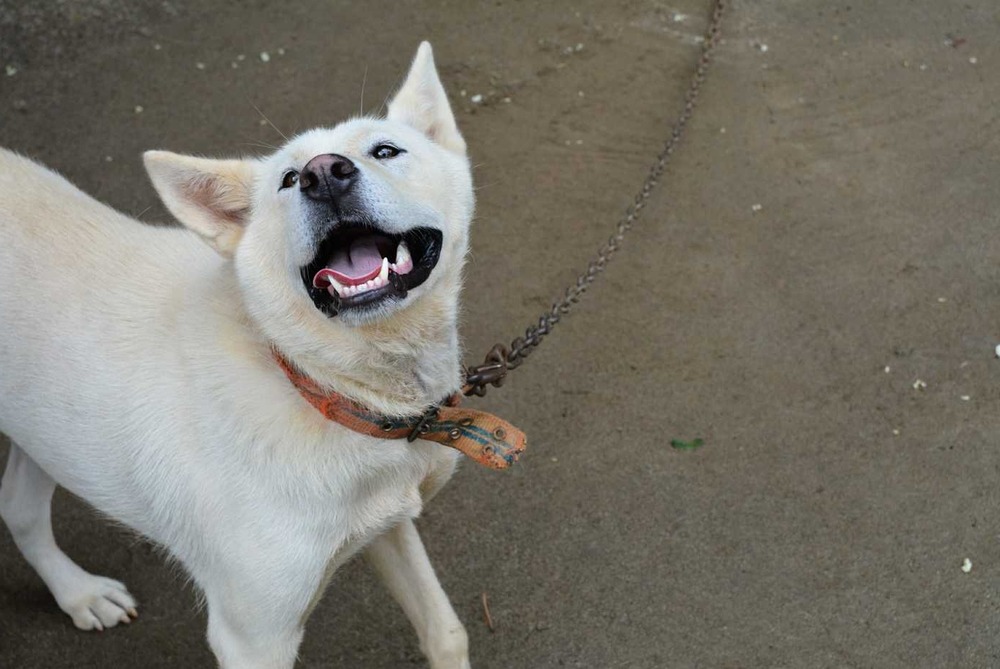
The Kishu (often called Kishu Ken) is a Japanese hunting dog developed in the mountainous areas of the Kii Peninsula, particularly what are now Wakayama and Mie Prefectures.1 The landscape matters here. Dogs that could move steadily through thick cover, keep going for long periods, and work close to a handler were the dogs that were kept and bred on.
Historically, Kishus were used mainly for hunting wild boar, and at times deer. Many accounts describe them as dogs that track and approach with little noise, rather than announcing themselves with constant barking.1 In 1934, the breed was designated a “natural monument” in Japan, reflecting its cultural importance and efforts to preserve native breeds.1
Today, that working background still shows up in the typical Kishu profile: an athletic medium sized dog, often quiet but observant, with a strong interest in moving things and a preference for doing rather than merely pottering about.
Breed type and physical outline
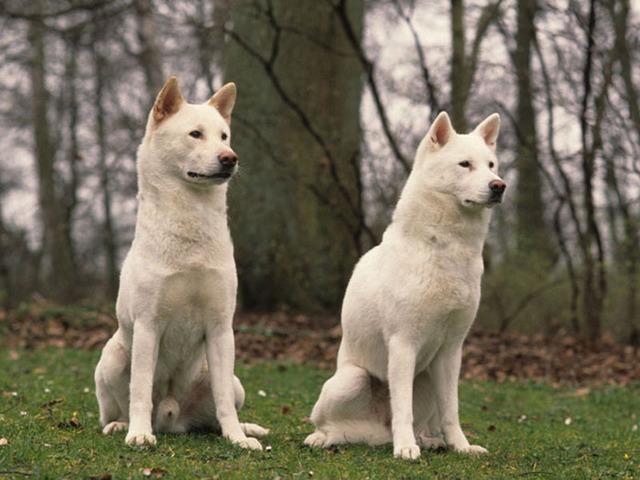
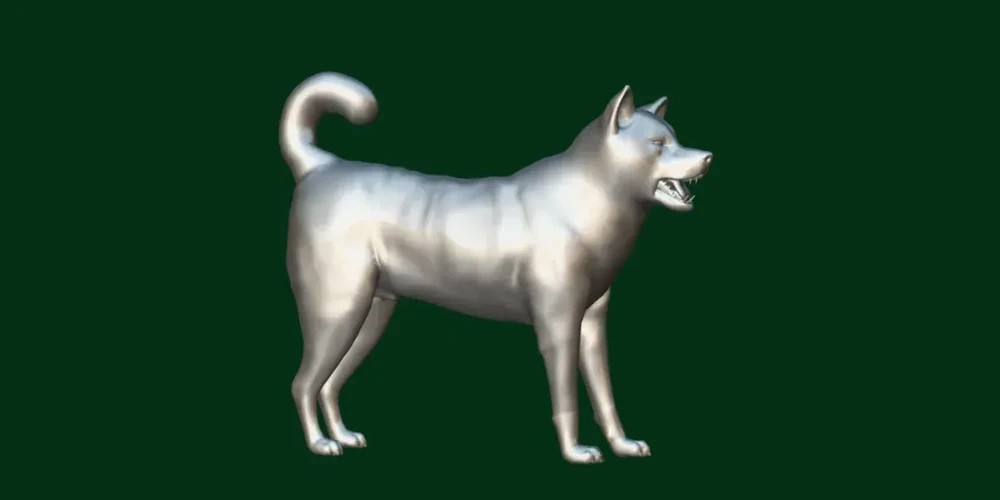
Under the FCI standard, the Kishu is a medium sized spitz type dog with pricked ears and a curled or sickle tail, built compactly with well developed muscle.1 Coat is a double coat with harsh, straight outer hair and a soft, dense undercoat. Accepted colours are white, red, and sesame (a mix of black, red, and white hairs).1
For height, the FCI standard gives 52 cm for males and 49 cm for females, with a tolerance of plus or minus 3 cm.1 In real homes, you will also see variation in weight depending on build, sex, and overall condition.
Temperament in real life: loyal, reserved, and not always “social”
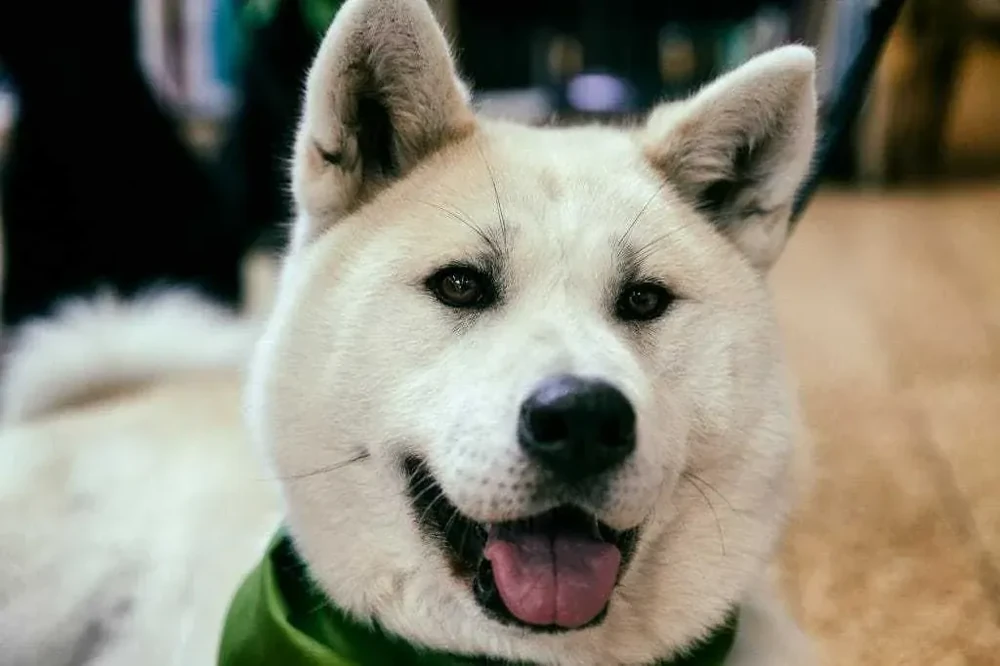
Kishus are often described as loyal and intelligent. What that can look like day to day is a dog that keeps tabs on where their person is, notices small changes in the environment, and prefers familiar routines. At the same time, many Kishus are naturally reserved with people they do not know, which is not the same thing as being unfriendly.
A helpful way to think about it is that this breed often values calm proximity over constant interaction. Some will happily accept pats from visitors after a gentle introduction. Others prefer to watch from a short distance and warm up slowly.
Children, visitors, and other animals
With children, the usual rules apply: supervision, respectful handling, and giving the dog an easy escape route. Kishus can do well in families, especially when the household is consistent and the dog is not overwhelmed by noise, rough play, or unpredictable approaches.
With other pets, it is worth being honest about the breed’s hunting background. Prey drive varies by individual, but if you are introducing a Kishu to cats, poultry, or small animals, plan on management as well as training. Early socialisation helps, but it does not always erase instinct.
Training that suits a Kishu: clarity, rewards, and follow through
Kishus tend to learn quickly, but they do not always see the point of repeating something that feels meaningless. Training goes best when it is clear, practical, and reinforced in everyday life, not just in formal sessions.
Reward based methods are widely recommended because they build cooperation without needing intimidation or force. The RSPCA, for example, describes reward based training (positive reinforcement) as a humane and effective approach that sets the dog up to succeed, then rewards the behaviour you want.2
What to focus on early
If you are raising a Kishu puppy, or rehabbing an adult with patchy manners, priorities usually look like this:
- Recall foundations in low distraction settings, then gradually adding challenge.
- Loose lead walking and calm passing of other dogs and people.
- “Place” or mat training for settling, especially in busy households.
- Handling skills (ears, paws, mouth) paired with treats, so grooming and vet visits are not a wrestling match.
Because many Kishus are naturally watchful, it also helps to practise neutral exposure: letting the dog observe the world at a comfortable distance, then moving on before they feel the need to react.
Exercise and enrichment: more than just a daily walk
A Kishu that only gets a quick lap of the block often becomes inventive. Not necessarily “naughty”, just under-stimulated. Their needs are usually best met with a mix of movement and thinking.
Practical options include:
- Brisk walks with time to sniff (sniffing is work).
- Hiking, jogging, or structured play in a secure area.
- Food puzzle toys and scent games at home.
- Short training sessions that feel like problem solving.
If you are using off lead exercise, do it in safely fenced spaces. With a strong prey drive, a Kishu can go from “steady” to “gone” very quickly when something triggers the chase.
Health and lifespan: what owners should watch for
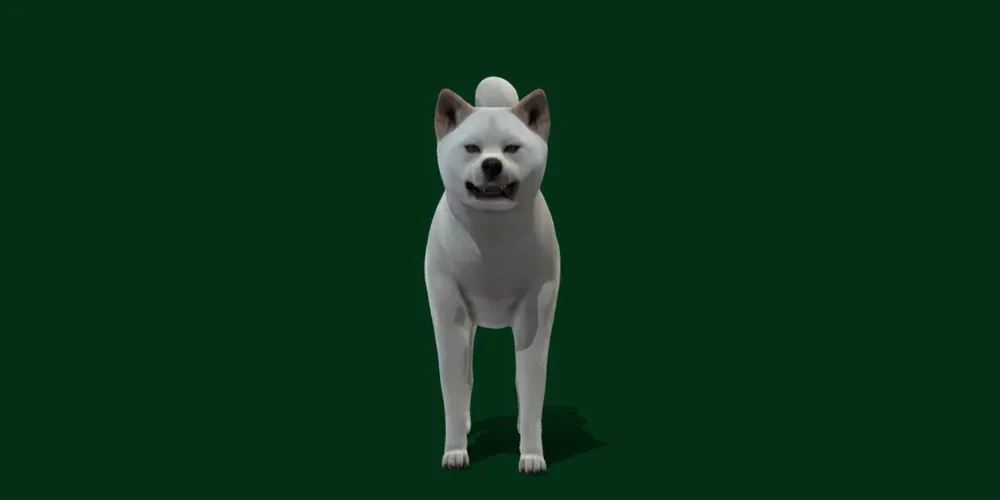
Many Kishus are robust dogs, but no breed is free of health concerns. Lifespan is commonly described in the low teens. Some sources suggest around 11 to 13 years.3
Two issues often raised in general breed discussions are hip dysplasia and allergies or skin sensitivities. If you are buying a puppy, ask what health screening is done in the line and request documentation rather than reassurance. If you already have a Kishu, watch for stiffness after rest, reluctance to jump, chronic itching, ear inflammation, or repeated skin infections.
Preventative care that actually helps
Keep things simple and consistent:
- Maintain a lean body condition to reduce joint stress.
- Use parasite prevention appropriate to your region.
- Prioritise dental care early, not just when problems start.
- Book regular vet checks and raise small concerns early.
Coat care, shedding, and everyday grooming
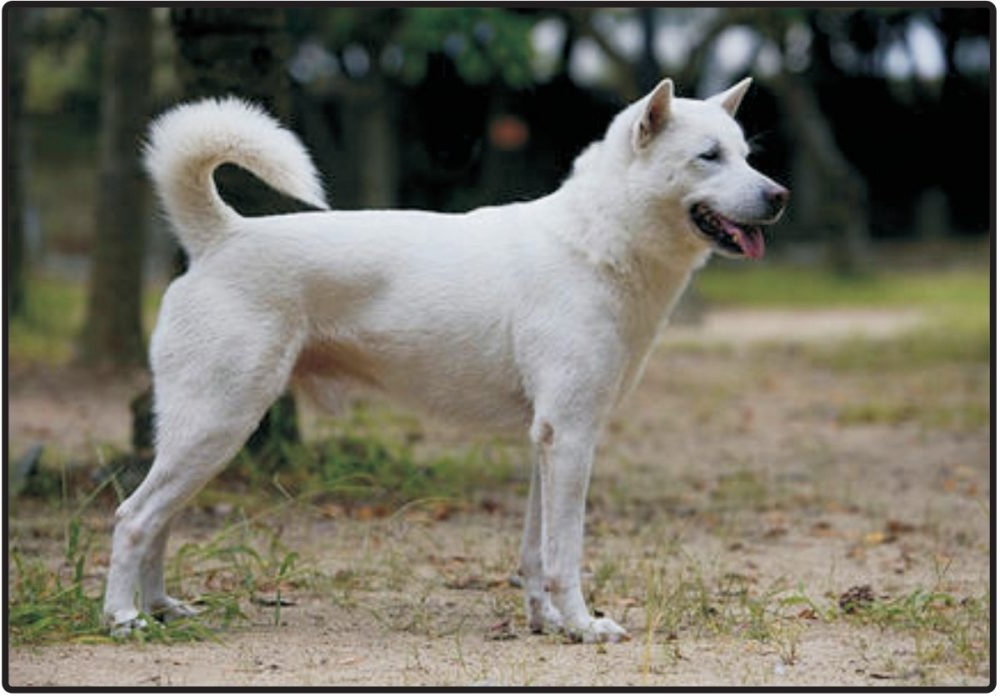
The Kishu has a double coat designed for outdoor work. In ordinary home life, that usually means easy maintenance most weeks, then heavier shedding during seasonal coat changes. A weekly brush is often enough for general upkeep, with more frequent brushing when the coat “blows”.1
Grooming is also a chance to check ears, skin, and paws. If your dog is prone to allergies, this regular hands on scan can help you spot flare ups before they become full skin infections.
Feeding and weight management for an athletic breed
Kishus do best when they are kept fit and lightly muscled rather than “solid”. Choose a complete, balanced diet appropriate to your dog’s life stage, then adjust portions based on body condition and activity.
If you are unsure, your vet can help you assess body condition and set a target weight. It is one of the most practical things you can do for long term joint comfort and stamina.
Is a Kishu a good fit for you?
People often fall for the Kishu’s look first, then discover the personality is the real commitment. This breed can be a wonderful companion for someone who likes an active, thoughtful dog and is comfortable with a little independence.
They tend to suit homes where someone enjoys training as a shared skill, can provide daily exercise and enrichment, and appreciates a dog that is often quietly devoted rather than universally outgoing.
If that sounds like your kind of relationship with a dog, the Kishu can be deeply rewarding. Not because they are easy, but because they are steady, capable, and they notice you.
References
- Federation Cynologique Internationale (FCI) Standard No. 318: Kishu (PDF)
- RSPCA Knowledgebase: What is reward-based dog training and why does the RSPCA support it?
- United Kennel Club (UKC): Kishu breed standard
- Japan Kennel Club (JKC): Kishu (breed information)
- National Kishu Ken Club (AKC parent club): Breed information and standard resources
- RSPCA Knowledgebase: How should I socialise my puppy?
- Texas A&M Veterinary Medical Teaching Hospital: Hip dysplasia in dogs
- WSAVA: Global Nutrition Guidelines
- American Veterinary Medical Association (AVMA): Obesity in pets