

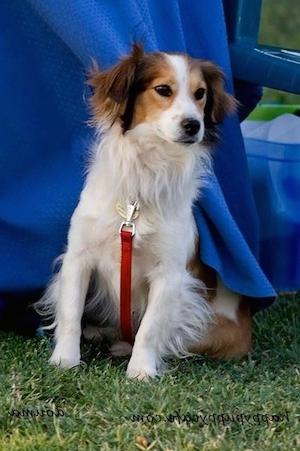
- Breed category: Companion dog
- Country of origin: Greece
- Average height: 25 to 38 cm
- Average weight: 4 to 8 kg
- Average life span: 12 to 15 years
- Grooming requirements: Moderate, regular brushing
- Exercise requirements: Moderate, daily walks
- Coat type: Medium, dense coat
- Coat colours: Many, often multicoloured
- Shedding level: Moderate
- Ear type: Drop (floppy)
- Tail type: Feathered, often carried over the back
- Temperament: Friendly, lively, bright
- Barking tendency: Often moderate, can be higher without training
- Compatibility with children: Often good with sensible handling
- Compatibility with other pets: Often good with early socialisation
- Training ease: Usually responsive to rewards-based training
- Common health watch-outs: Dental disease and weight gain are common risks for many small dogs
- Apartment friendly: Yes, if exercised and given enrichment
- Original purpose: Companion, alert little watchdog, farmyard helper
You might meet a Kokoni without realising it. A small, bright-eyed dog from Greece, often rescued or adopted overseas, can look like a “mix” at first glance. Owners usually start asking questions after noticing the same pattern: a dog that is affectionate and clever at home, but surprisingly alert outside, quick to bark, and very tuned in to what people are doing.
It is easy to assume that small companion dogs are naturally low-energy, low-maintenance, and happy to be carried through life. With Kokonis, that assumption can miss the point. They often behave like practical little all-rounders, built to keep up with family life, notice changes in their environment, and make themselves useful in small ways.
Understanding what the Kokoni is, and what it is not, matters most when you are choosing one, settling in a rescue dog, or trying to work out whether the day-to-day needs (coat, teeth, barking, exercise) actually fit your household.
The Kokoni in Greece, where the breed comes from

The Kokoni is a small Greek companion dog, sometimes described as a native “landrace” type rather than a long-established, tightly controlled pedigree line. In practice, that means many Kokonis share a recognisable look and temperament, even if individual dogs vary a little in coat, size, and overall outline.
Modern breed recognition is national, not global. The Kokoni was recognised by the Kennel Club of Greece in 2004, and is not recognised by the Fédération Cynologique Internationale (FCI).1, 2
If you are looking for a Kokoni outside Greece, you may see them described as “Kokoni”, “Small Greek Domestic Dog”, or as a Kokoni-type mix. That can be confusing, especially when adoption listings rely on visual guesses. It helps to treat the name as a guide to a general type, and then focus on the dog in front of you: size, coat care, soundness, and everyday behaviour.
What a Kokoni typically looks like
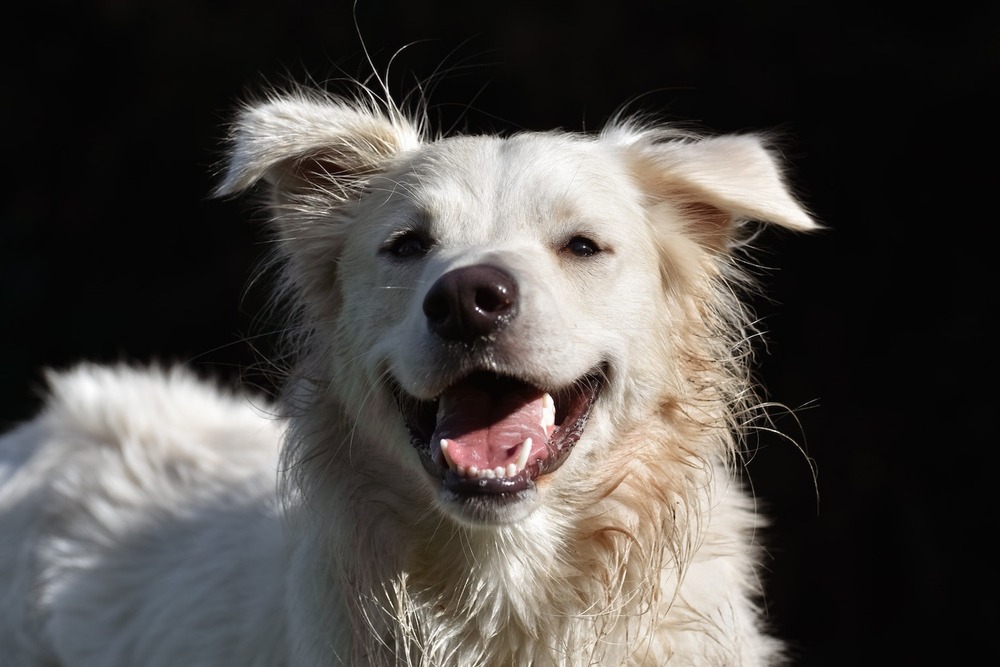
Kokonis are small dogs, commonly in the 4 to 8 kg range. Coats are usually medium length and can be straight or slightly wavy, with many colour combinations seen.1
Many have drop ears, a short-to-moderate muzzle, and a feathered tail carried high, sometimes curling over the back. The overall impression is of a sturdy little companion, not a fragile toy dog.
Because they are often described as a naturally developed type, you may notice more variation than you would in some heavily standardised breeds. That is not automatically a concern. What matters is comfortable movement, clear breathing at rest and after a walk, and a coat and skin that can be maintained without constant struggle.
Temperament, barking, and the “watchdog” side
Most people who live with a Kokoni describe a dog that likes being close to their humans, watches the household carefully, and learns routines quickly. They can be warm and sociable, but they are often also alert, especially around doors, balconies, and fences.
Barking is one of the more practical realities of the breed type. Some Kokonis are naturally “commentary dogs”, vocal when they hear neighbours, see movement outside, or anticipate walks and meals. Rather than trying to suppress this completely, it is usually more effective to work on calm habits and clear cues, plus managing what the dog can see and hear during the day.
If you are adopting an adult Kokoni, remember that barking can also be shaped by previous environment. A dog that lived as a street dog, or bounced between homes, may take time to settle, feel safe, and learn what is truly worth reacting to.
Living with a Kokoni, home, kids, and other pets

Kokonis can suit apartment life well, provided their daily needs are met. The main challenges are rarely space. They are usually about noise management, enough walks and sniff time, and giving the dog a predictable routine.
With children, the match depends less on the breed label and more on handling. Many small dogs cope best when kids are taught to:
- avoid lifting or carrying unless an adult is supervising
- leave the dog alone when eating or sleeping
- play on the floor with toys rather than grabbing around the face
With other pets, early and steady socialisation helps, but do not rush it. A small dog that has learned to “sound the alarm” can benefit from slow introductions, baby gates, and short positive sessions rather than forced togetherness.
Training and exercise that actually works for small, clever dogs
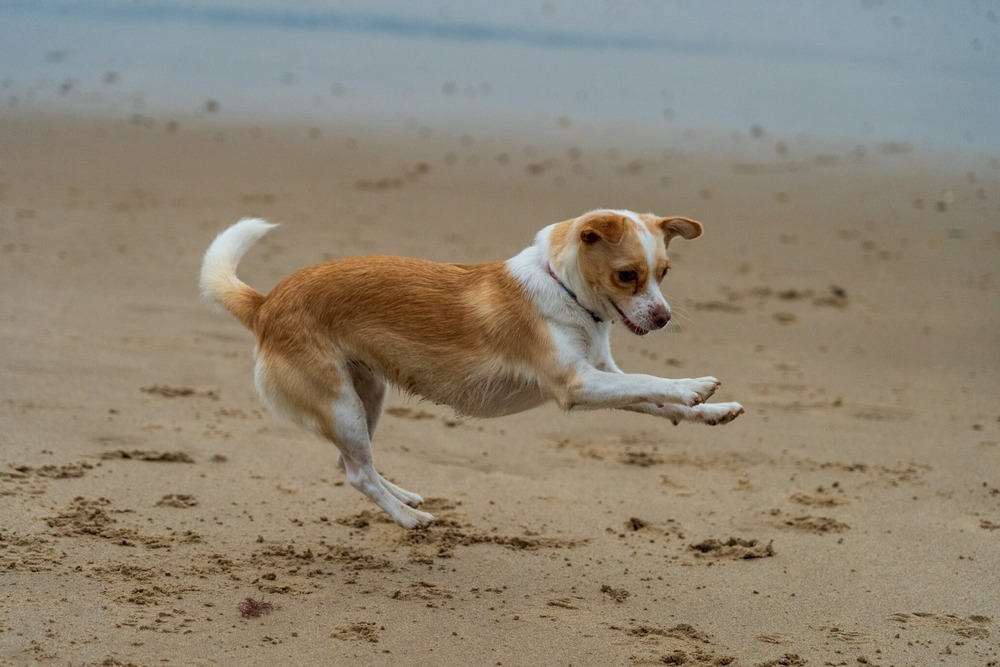
Kokonis are often responsive to rewards-based training, and they tend to notice patterns quickly. The flip side is that they also learn the patterns you did not mean to teach, like barking makes people talk, or pulling makes the walk start sooner.
Aim for short sessions, frequent reinforcement, and skills that make everyday life smoother. For many Kokonis, the most useful training is:
- name response and recall (even indoors)
- settle on a mat, especially when guests arrive
- lead walking with pauses to sniff
- “quiet” as a cue, then rewarding silence, not the bark
Exercise needs are usually moderate, but consistent. RSPCA guidance for healthy dogs emphasises daily exercise, plus avoiding hard exercise in high heat, which is worth keeping in mind with small dogs that can overheat more easily on hot footpaths.3
Health considerations, what to watch, and when to see a vet
The Kokoni is often described as generally robust, but “healthy breed” does not mean “no health care needed”. For many small companion dogs, two areas deserve calm, ongoing attention: teeth and weight.
Dental disease is very common in dogs, and veterinary guidelines stress that oral disease is a significant welfare issue. Regular veterinary checks matter, and home care, including toothbrushing where possible, can make a real difference over a dog’s lifetime.4, 5
Weight gain can sneak up on small dogs because a few extra treats, or slightly generous portions, add up quickly. The simplest check is to ask your vet to show you how to body-condition score your dog, then re-check monthly at home. RSPCA advice on preventing obesity focuses on portion control and daily activity, which fits well for Kokonis too.6
Book a vet visit promptly if you notice persistent bad breath, bleeding gums, changes in chewing, reluctance to jump, ongoing itching, or a sudden change in appetite or energy. None of these signs are specific to Kokonis, but they are the small clues that often show up first.
Grooming and coat care, keeping it simple
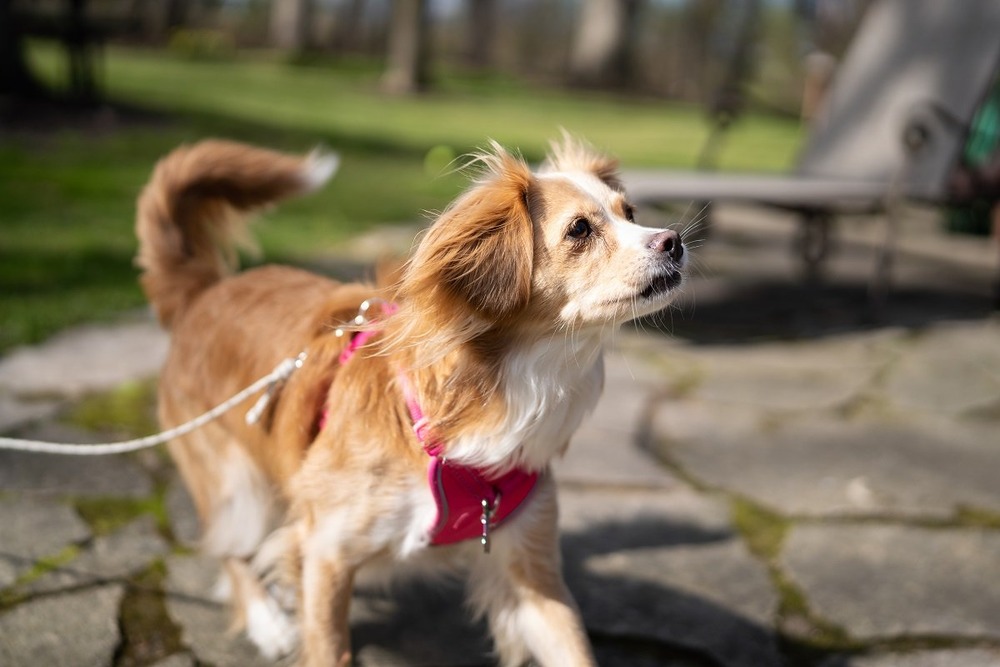
A Kokoni’s coat is usually manageable, but it benefits from routine. Regular brushing helps prevent knots behind the ears, in the “trousers”, and around the collar area. It also gives you a chance to notice skin irritation, grass seeds, ticks, and small lumps early.
For most dogs, a good rhythm is:
- brush a few times a week (more during seasonal shedding)
- bathe when needed, using a gentle dog shampoo
- check ears weekly, especially if the dog swims
- trim nails regularly so feet stay comfortable
Do not forget the mouth. If toothbrushing is new, start slowly and build the habit in tiny steps. WSAVA provides practical guidance on introducing toothbrushing, and many clinics will demonstrate techniques that suit small dogs.7
Feeding a Kokoni without creating food drama
Kokonis often enjoy their food, which is lovely until it becomes a negotiation at every meal. A measured diet, regular meal times, and sensible treats usually keep things on track.
A few principles that tend to work well:
- feed to your dog’s ideal body condition, not the amount printed on the bag
- use part of the daily kibble as training rewards
- keep high-fat extras rare, especially with small dogs
- avoid known toxins, including chocolate, grapes and raisins, onions and garlic, and products containing xylitol (sometimes listed as “birch sugar”)8, 9
If you are unsure about raw feeding, home cooking, or supplements, it is worth asking your vet for guidance before making changes. Nutrition is one of those areas where confident advice online can be inconsistent.
Finding a Kokoni outside Greece, what to expect
Outside Greece, Kokonis can be hard to find through traditional breeders, and many people meet them through rescue pathways. If you are considering adopting a dog from overseas, make sure the organisation is transparent about veterinary checks, parasite prevention, microchipping, and transport standards. For Australians importing dogs, the Australian Government sets detailed, step-by-step requirements for eligibility, microchipping, vaccination, and rabies-related testing, with strict timing rules.10
Whether your Kokoni is from a local shelter or an international program, the practical goal is the same: a dog that can settle into home life safely. That means decompression time, gentle structure, and a plan for training and health care that suits a small dog with a big radar for the world.
Final thoughts on the Kokoni
At their best, Kokonis are bright, companionable little dogs who want to be involved. They often do well with families, singles, and older households, as long as they are not treated like ornaments.
If you can offer daily walks, basic training, regular grooming, and steady dental care, a Kokoni is likely to repay you with the kind of companionship that feels quietly woven into the day, always nearby, always noticing, and usually ready for whatever happens next.
References
- Wikipedia: Kokoni
- Fédération Cynologique Internationale (FCI): Official site
- RSPCA Australia: 4 ways to avoid obesity in your dog
- WSAVA: Global Dental Guidelines (overview and resources)
- Niemiec et al. (2020) World Small Animal Veterinary Association Global Dental Guidelines (PubMed)
- RSPCA Australia: Preventing obesity through diet and activity
- Greencross Vets: Dental home care and introducing toothbrushing
- ASPCA Animal Poison Control: People foods to avoid feeding your pets
- American Veterinary Medical Association (AVMA): Xylitol toxicity in dogs
- Australian Government Department of Agriculture: Step-by-step guides to import cats and dogs