


You might come across the Kombai after noticing a reddish, athletic dog in a photo or video from South India, or after hearing someone describe a “Polygar dog” as a serious guard with a long local history. It is easy to assume it is simply another “tough” working breed, but that misses what makes the Kombai distinctive in day to day life: a dog shaped by place, purpose, and careful handling rather than by fashion.
People are often drawn to the Kombai because of its presence, compact strength, and watchful nature. The part that tends to surprise new owners is that those traits come with practical consequences. This is not typically a breed that settles into a quiet, low input routine. It thrives when its world makes sense: clear boundaries, steady training, and enough work to do with its body and brain.
If you are considering a Kombai, or you are simply trying to understand what the breed is like beyond short summaries, it helps to look at the Kombai as a working dog first. When you do, its loyalty, protectiveness, and independence start to look less like “personality quirks” and more like predictable responses from a dog bred to guard and make decisions.
Quick breed snapshot

Breed category: Working dog
- Origin: Tamil Nadu, southern India (often linked with the Theni district and the town of Kombai)1, 2
- Size: Medium, typically around 15 to 25 kg, with height commonly reported in the low to mid 50 cm range (figures vary by source and local lines)1
- Coat: Short, dense, commonly red to reddish brown, often with a darker mask on the muzzle1, 2
- Energy: High, benefits from daily physical activity plus problem solving and training
- Typical lifespan: Commonly cited around 12 to 15 years, as with many medium dogs, individual longevity depends on care, genetics, and lifestyle1
Origins and working history in Tamil Nadu

The Kombai is often described as a native working breed from Tamil Nadu, historically valued for guarding and protection, and sometimes used in hunting. Accounts commonly place its roots around the Theni district, with the breed name linked to the town of Kombai.1, 2
When a dog’s job is to guard a home, livestock, or property, selection pressures tend to favour traits that look familiar to anyone who has lived with a serious watchdog: alertness, quick pattern recognition, and a willingness to hold ground when something feels “off”. With the Kombai, those traits are not a phase. They are part of what the dog is for.2
It is also worth holding local and historical stories lightly. Some accounts include dramatic details about past military use and gifting among rulers. These stories are part of the breed’s cultural backdrop, but they are not the same as a modern, evidence-based temperament prediction for an individual dog living in a suburban home.1
Appearance and the traits people notice first
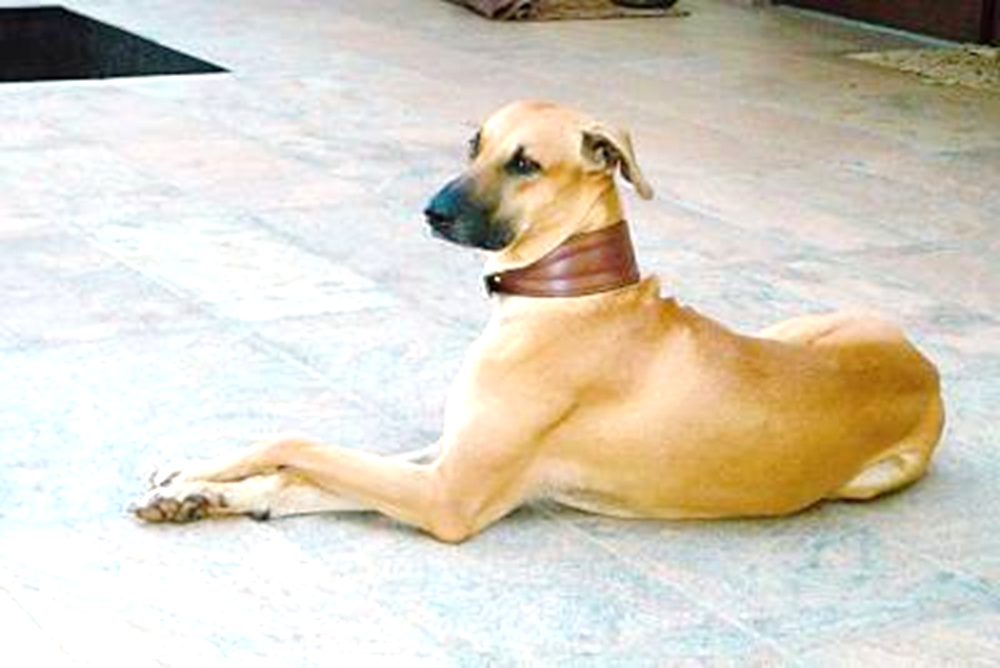
The Kombai is typically described as muscular, athletic, and compact, built to move efficiently rather than look oversized. The coat is short and practical, usually in shades of red or tan, often with a darker facial mask and darker ear tips noted in breed descriptions.1, 2
Those physical traits can make the Kombai appealing to people who want a “low grooming” dog. That is often true in the narrow sense, but it can be misleading. A low maintenance coat does not mean a low maintenance dog. With the Kombai, the bigger daily commitment is usually management and enrichment, not brushing.
Temperament, protectiveness, and what it can look like at home
Breed descriptions commonly emphasise loyalty to familiar people and wariness toward strangers. In real life, that may show up as a dog that watches visitors carefully, positions itself between family members and the front gate, or becomes highly alert when routines change.1, 2
This is where expectations matter. A Kombai that is “protective” is not necessarily “aggressive”, but the line can blur if the dog is under-socialised, over-aroused, or repeatedly put in situations it cannot handle well. For many households, the practical skill is learning to reduce pressure on the dog. That can mean controlled greetings, the use of barriers, and teaching alternative behaviours, rather than expecting the dog to simply “accept everyone”.
Some sources also describe the Kombai as barking infrequently, which can be true for some individuals and lines. It is better to think of this as “not typically noisy”, rather than assuming silence. A quiet guard dog still needs thoughtful containment and training because it may rely more on presence and quick escalation than on warning vocalisations.3, 4
Family life, children, and other pets
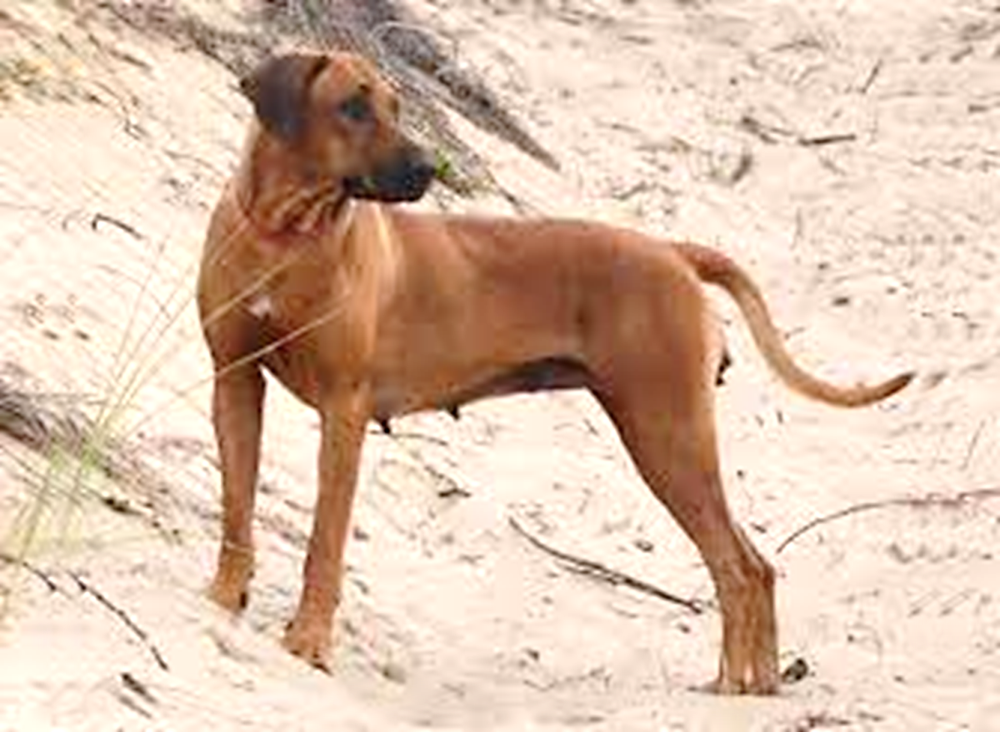
Kombais are often described as steady with familiar people, and some references note tolerance with children in the household. Still, “good with kids” is never automatic. It depends on the individual dog, the child’s age and behaviour, and whether adults set up sensible rules and safe spaces.1
If you are thinking about a Kombai in a home with children, aim for calm supervision rather than constant interaction. Teach kids to leave the dog alone while eating and sleeping, and make sure the dog has a retreat area that is respected.
With other pets, especially small animals, caution is reasonable. A working background and strong chase interest can translate into a strong prey drive. Early socialisation can help, but it does not erase instinct. Management, separation when needed, and slow introductions matter more than optimism.
Training and daily exercise, what helps this breed thrive

A Kombai tends to do best with training that is clear, consistent, and practical. Think less about tricks and more about life skills: coming when called, relaxing on a mat, walking on a loose lead, and calmly observing people or dogs at a distance.
In many homes, the biggest win is teaching the dog how to settle. High-drive working dogs can be excellent at “doing”, but they may need to learn switching off. Short sessions spread through the day often work better than one long, intense session.
Daily exercise should include both physical and mental outlets. Long walks are helpful, but so are scent games, controlled tug, structured fetch, and training puzzles. If a dog is doing “guard duty” all day at the fence line, that can feel like activity, but it often increases arousal rather than building fitness or calmness.
Health considerations and routine care
There is limited high quality, large scale published data specific to Kombai health. Most general guidance is therefore the same as for other medium, athletic dogs: keep a lean body condition, maintain dental care, and work with a vet on parasite control and vaccination suited to your area.5, 6
Some owners and general breed write-ups mention issues like skin sensitivities or hip problems. These can occur in many breeds, but without robust breed-level prevalence data, it is more accurate to treat them as possibilities to monitor rather than “common guaranteed problems”. A good approach is to prioritise preventive checks, especially if the dog shows itchiness, recurrent ear trouble, or stiffness after activity.
Because Kombais are active and often heat tolerant, it can be tempting to assume they are “fine in hot weather”. Heat tolerance is not heat immunity. Provide shade, water, and avoid intense exercise in peak heat, as heat stress can affect any dog.6
Grooming, shedding, and day to day maintenance
The Kombai’s short coat is usually straightforward: a weekly brush to lift loose hair, plus occasional bathing when needed. This is also a good time to check paws, nails, and skin, especially if the dog ranges outdoors.
Routine care still adds up. Nail trims, ear checks, and teeth brushing matter for comfort and long-term health. If you are new to handling, ask your vet clinic to demonstrate techniques and set a plan that is sustainable, even if it is imperfect at first.
Feeding and nutrition, practical guidelines without guesswork
A lot of Kombai feeding advice online boils down to “high protein”. What matters more than a slogan is a complete diet that maintains a lean body condition and suits the dog’s age and activity. If you are unsure, start with a reputable complete commercial food and adjust based on body condition rather than on the label alone.7, 8
Helpful, widely used habits include:
- Feed measured meals (many adult dogs do well on two meals per day).7
- Keep fresh water available at all times.8
- Use treats thoughtfully, and reduce meal size if treats increase.
- Avoid known toxic foods such as chocolate, grapes and raisins, onions, and products containing xylitol.6
If you are considering raw feeding, talk it through with your vet. Food safety, nutritional balance, and household risk vary a lot, particularly if there are young children or immunocompromised people in the home.8
Is a Kombai right for your home?
The Kombai can be a deeply impressive dog in the right setting: an experienced handler, secure fencing, a predictable routine, and daily opportunities to move and think. It tends to suit people who appreciate a dog that watches closely, bonds strongly, and takes time to trust new things.
It is usually a harder fit for homes that want a highly social “everyone’s friend” dog, or for owners who cannot commit to training and management around visitors and other animals. If you are drawn to the breed, look for breeders or handlers who prioritise stable temperaments and who will be honest about the work involved, not just the romance of the history.4, 9
References
- Wikipedia: Kombai dog
- The Times of India: Why very few rear Kombais these days
- Journal of Scientific Research and Reports: Characterisation, Conservation and Sustainable Utilization of Kombai Dog Breed
- The Times of India: Chennai debate on protecting native dog breeds (includes Kombai mention)
- RSPCA Australia: How can I tell if my dog is overweight?
- RSPCA NSW: Keeping your pet safe in hot weather
- FOUR PAWS Australia: Feeding your dog properly
- WSAVA: Global Nutrition Guidelines
- Australian Veterinary Association: Dog behaviour