

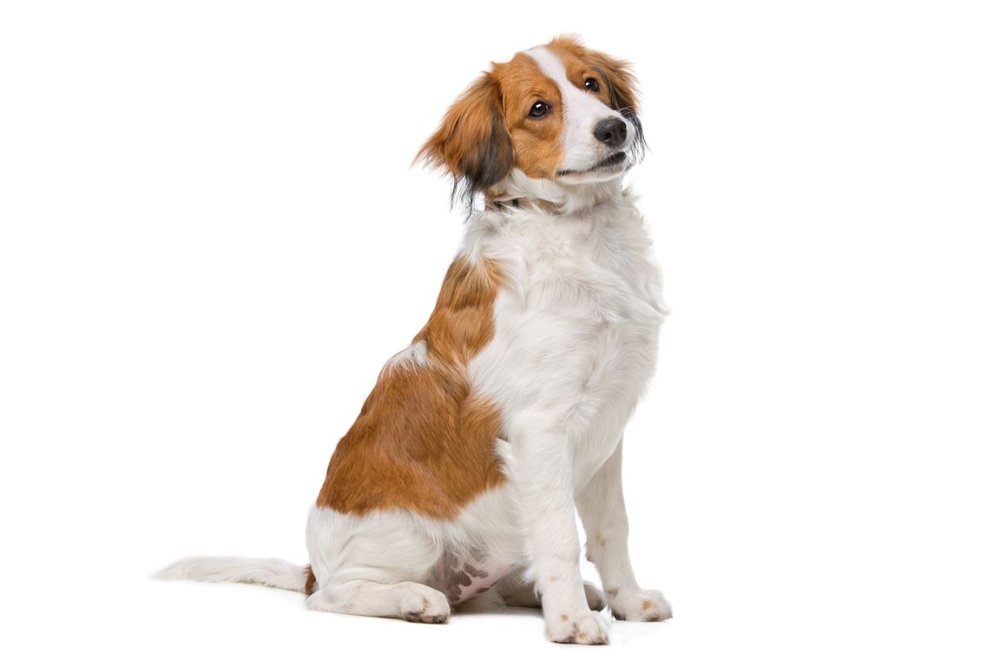
You might come across a Kooikerhondje in an agility class, on a walk, or in a photo shared by someone who has “a small orange and white dog with the fancy ears”. At first glance, they can look like a compact spaniel with a bright coat and a tail that seems to have its own opinions. Then you notice how carefully they watch the world around them.
Because they are still relatively uncommon in many places, people often fill the gaps with assumptions: that they will be easy, always friendly, and happy with a quick stroll. In practice, the Kooikerhondje tends to suit homes that enjoy training, daily movement, and a dog who is both companionable and alert.
When you understand what this breed was built to do, a lot of the everyday stuff makes more sense, from their desire to work with you to their sensitivity to busy environments. It is a lovely breed, but it does best when its needs are met with calm structure and routine.
At a glance
- Breed group (AKC): Sporting (recognised for full competition from 1 January 2018)3
- Origin: The Netherlands
- Size: Roughly 35 to 42 cm at the withers (standards vary slightly by registry)2, 9
- Typical weight: Often around 8 to 11 kg (individuals vary)
- Life expectancy: Commonly 12 to 15 years1
- Coat: Medium length, slightly wavy or straight, with feathering
- Colour: White with clear orange-red patches; black-tipped ear feathering is valued in breed descriptions (often called “earrings”)9
History and origin
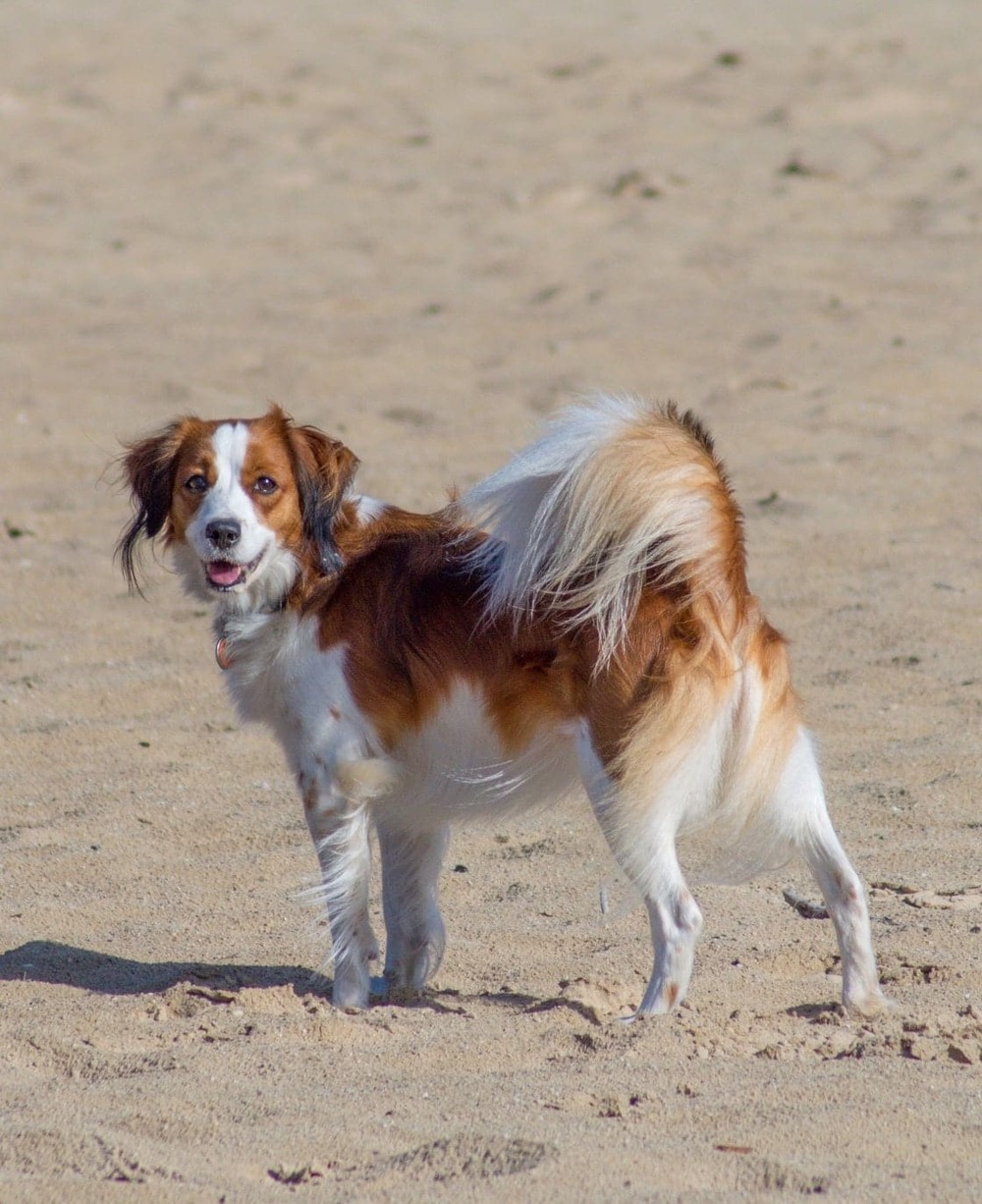
The Kooikerhondje’s story is tightly linked to the Dutch “eendenkooi”, a traditional duck decoy system of ponds and curving channels designed to guide ducks into a trap.2, 8 The dog’s job was not to retrieve shot birds. Instead, it moved in and out of view behind screens, using a waving white-plumed tail to pique ducks’ curiosity and draw them deeper into the decoy “pipe”.9
Breed-type dogs appear in Dutch history going back centuries, but modern preservation matters too. During the Second World War, numbers fell dramatically, and a structured revival began in 1942, led by Baroness Van Hardenbroek van Ammerstol.9 The breed was officially recognised in the Netherlands in 1971, helping to stabilise type and tracking across breeding lines.9
That background is worth keeping in mind. A Kooikerhondje in a suburban home is still, at heart, a dog shaped to work with a person, notice movement, and stay engaged over time. Those traits can be a joy, or a challenge, depending on what your days look like.
Physical characteristics
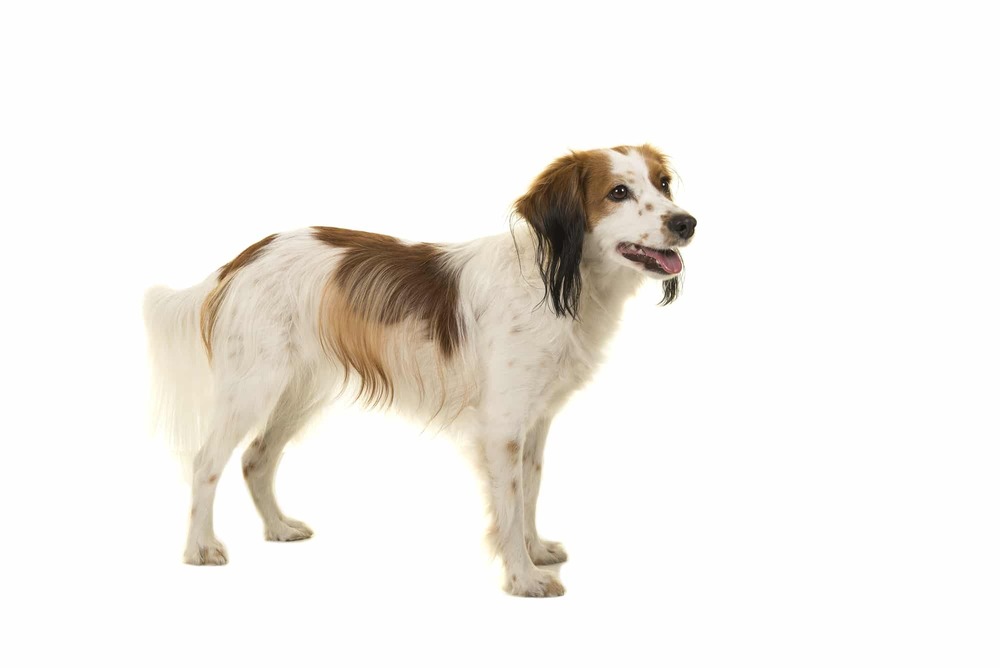
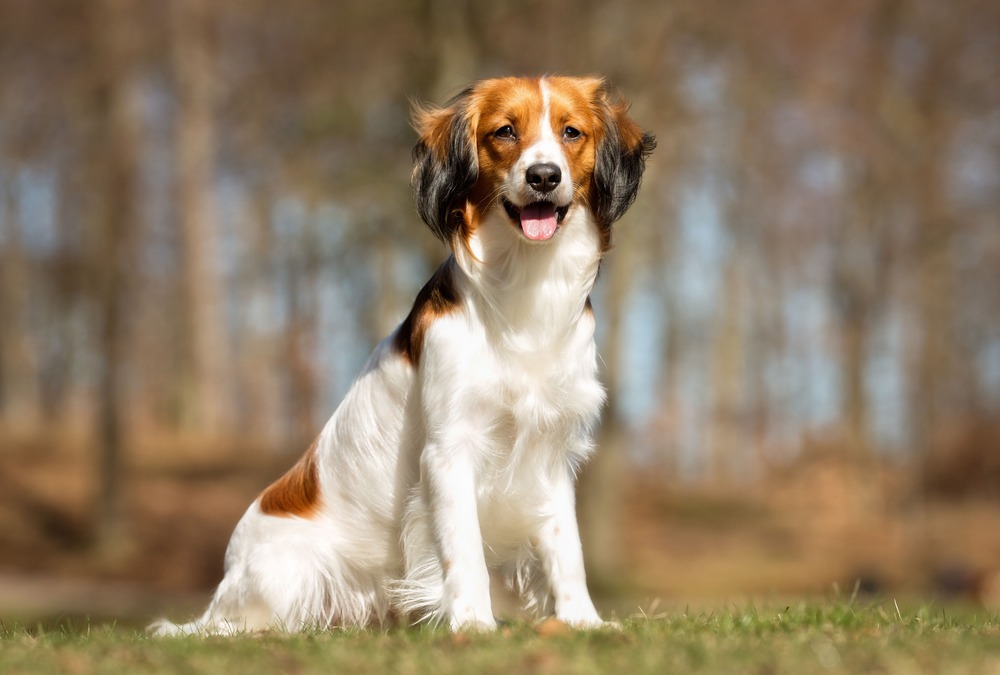
Kooikerhondjes are small, athletic dogs with a balanced outline that is often described as just slightly longer than tall. Breed standards commonly place them around the high 30s to low 40s centimetres at the shoulder, with bitches a little smaller on average.2, 9 They tend to feel light on their feet, built for quick turns and short bursts of speed.
The coat is medium length with feathering on the ears, legs, and tail. Colour is a clear orange-red and white pattern. The ear feathering may develop dark tips, often called “earrings”, which many breed descriptions consider desirable.9
The tail is more than decoration. A well-feathered, mostly white tail was part of the visual “tolling” effect in the decoy work, and you will often notice that tail being used expressively during play and training.
Temperament and behaviour in everyday life
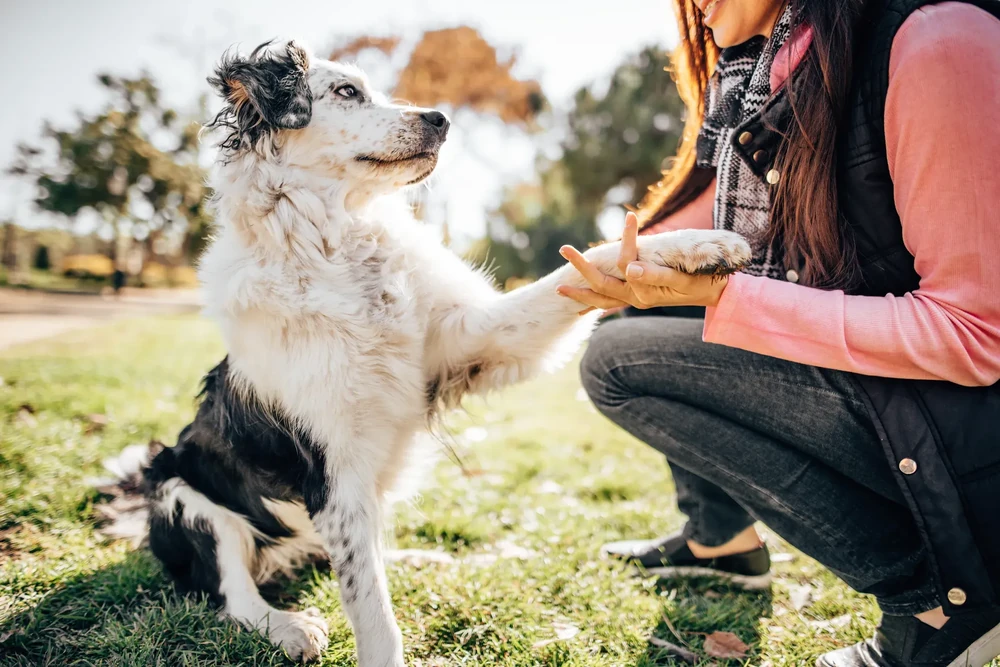
In many homes, the Kooikerhondje shows up as bright, responsive, and quietly observant. They often bond strongly with their people and prefer to be near the action without necessarily being the centre of it. Breed descriptions commonly note that they can be friendly with familiar people, while being more reserved with strangers.9
This is where first impressions can mislead. A Kooikerhondje might look like a “happy little spaniel”, but many are not indiscriminately social. They tend to do best when introductions are unhurried, and when visitors know not to lean in or crowd them. Given time, many warm up beautifully.
With children and other pets, the biggest factor is management and early learning. A well-socialised Kooikerhondje can be steady and gentle, but like any smaller athletic dog, they benefit from calm handling, clear routines, and breaks from noise and rough play. Their historical role involved watching movement and responding to it, so chasing can appear if play gets hectic.
Training and exercise needs

Most Kooikerhondjes thrive when training is part of normal life, not an occasional event. Their intelligence and sensitivity can make them look “easy” in the first weeks, then more complicated later if their world expands faster than their confidence.
Early socialisation matters, but it is not about flooding them with experiences. It is about building positive associations, teaching them what is safe, and giving them a predictable way to ask for space. Short sessions, rewards that genuinely matter to the dog, and steady repetition usually go further than long drills.
Exercise needs vary by individual, but most benefit from a daily mix of movement and thinking work. Alongside walks, consider activities such as:
- Scent games (scatter feeding, find-it, simple tracking)
- Agility foundations or low-impact obstacle work
- Retrieving games with clear start and stop cues
- Food puzzles and training that teaches calm behaviours, not only high energy tricks
When they are under-stimulated, they do not usually “switch off”. They improvise, which can look like barking at passers-by, grabbing socks, or patrolling the house. Good training for this breed often includes learning to settle, not just learning to perform.
Health and lifespan
The Kooikerhondje is often described as generally healthy, with many living into their teens, commonly around 12 to 15 years.1 As with any purebred dog, there are conditions that appear in the population and are worth discussing with a veterinarian and, if you are buying a puppy, with a reputable breeder.
Concerns that may come up include:
- Patellar luxation, a kneecap issue seen in a range of small to medium dogs.5
- Inherited eye disease, including conditions grouped under progressive retinal atrophy (PRA). PRA is a degenerative retinal disease that can lead to vision loss and is often inherited.4
- Other breed-associated issues may exist depending on lineage, and this is where health testing and transparent record keeping make a difference.
Preventative care is familiar but powerful: routine vet checks, dental care, parasite prevention suitable for your region, and maintaining a lean body condition. If you are ever unsure, ask your vet to show you how to score body condition and adjust food accordingly.
Grooming and maintenance
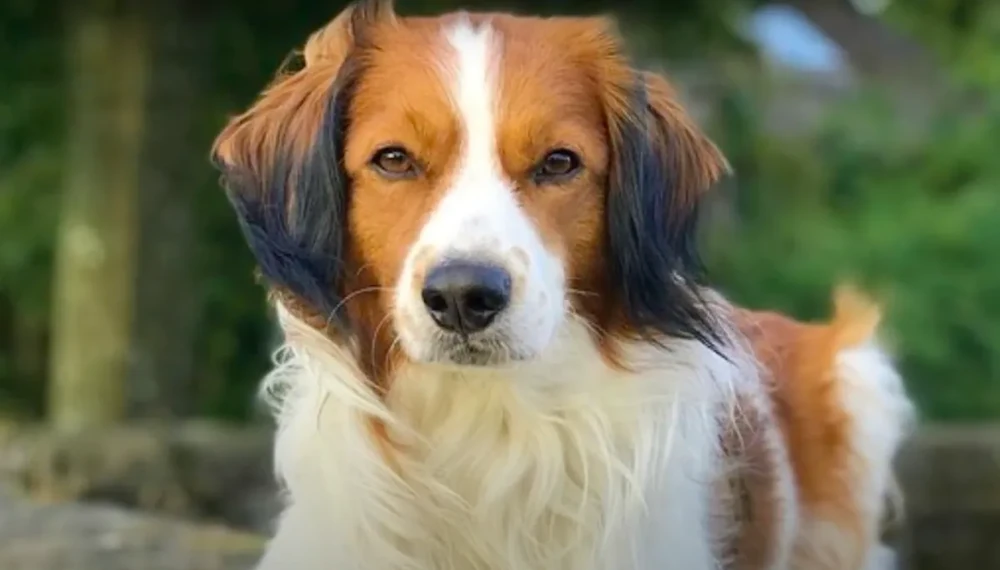
The coat is one of the breed’s joys: soft, practical, and usually not demanding if you keep up with it. A thorough brush a couple of times a week is often enough, with extra attention to the feathering behind the ears, on the legs, and through the tail where tangles can form.
They tend to shed, and you may notice seasonal increases. During those weeks, more frequent brushing can keep hair manageable and help you spot skin irritation early.
A few small routines help a lot:
- Check ears regularly, especially after swimming or damp weather
- Trim nails little and often, rather than letting them get long
- Keep dental care realistic and consistent, whether that is brushing, dental diets, or vet-advised products
Diet and nutrition
Kooikerhondjes do well on a complete and balanced diet that suits their age, activity level, and any medical needs. If you are comparing foods and feeling overwhelmed by ingredient lists and marketing language, it can help to step back and use a more structured approach.
The World Small Animal Veterinary Association (WSAVA) provides practical guidance for owners and veterinary teams, including how to assess nutrition, interpret labels, and monitor body condition over time.6 That monitoring matters because many active, trainable dogs get a lot of calories through treats, even when meals look modest.
It is also worth being clear about common household foods that can cause serious harm. In Australia, vets and animal welfare organisations repeatedly warn about items such as chocolate, grapes and raisins, onions and garlic, macadamias, and products containing xylitol (a sweetener found in some sugar-free foods).7
Living with a Kooikerhondje
This breed can adapt to apartment life, but only if “adapt” does not mean “left to cope”. They need daily engagement, and many do best when they have a job, even a small one, like structured games, training goals, or a routine that includes sniffing, exploring, and calm decompression.
If you are considering the breed, look for a match in rhythm as much as appearance. A Kooikerhondje often suits people who enjoy being outdoors, who notice small changes in behaviour, and who are happy to train a dog with a bit of sensitivity. They are usually at their best in homes that can offer consistent handling, steady social exposure, and time together.
References
- The Spruce Pets: Nederlandse Kooikerhondje (Kooiker) Dog Breed Characteristics and Care
- Vereniging Het Nederlandse Kooikerhondje: FCI Breed Standard No. 314 (Nederlandse Kooikerhondje)
- American Kennel Club: Meet the Two Newest AKC-Recognized Breeds (Nederlandse Kooikerhondje eligible from 1 January 2018)
- American College of Veterinary Ophthalmologists (ACVO): Progressive Retinal Atrophy (PRA)
- VCA Animal Hospitals: Luxating Patella in Dogs
- WSAVA: Global Nutrition Guidelines
- RSPCA Australia: Household dangers to your pet (toxic foods)
- Vereniging Het Nederlandse Kooikerhondje: Duck decoy (eendenkooi) and how it works
- The Kennel Club (UK): Kooikerhondje Breed Standard