

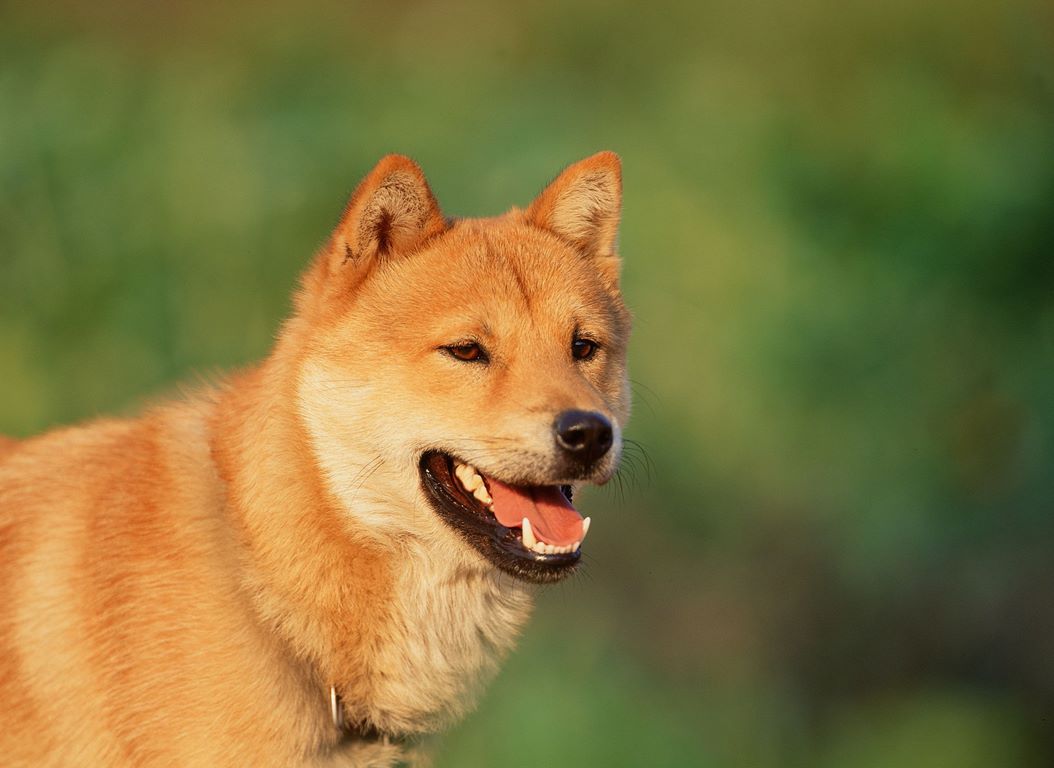
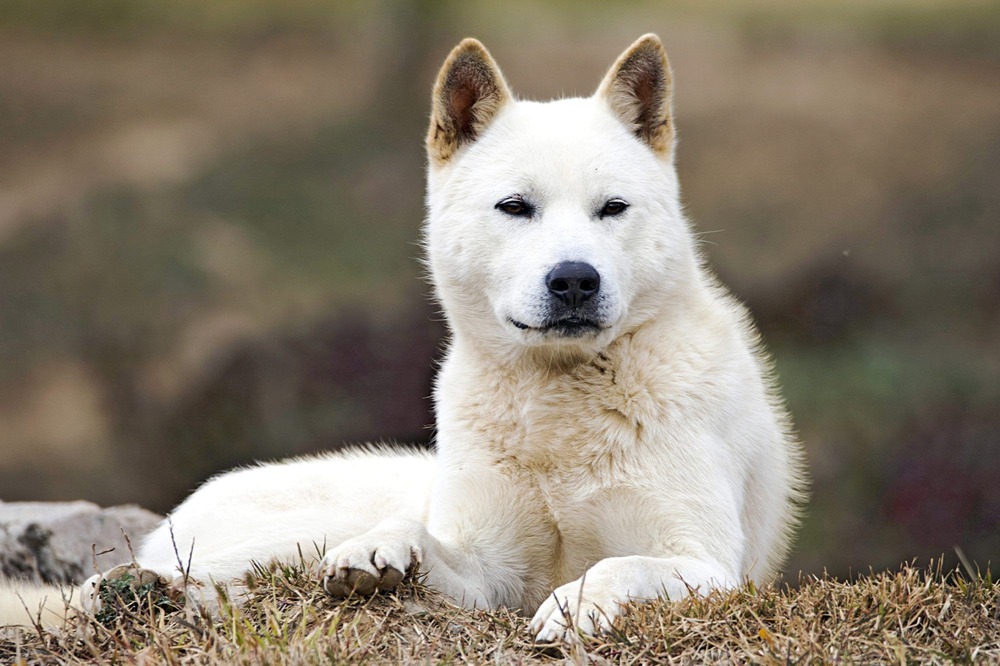
You might notice a dog that looks a bit like a compact, fox-like spitz, but moves with a steadier, more self-contained confidence. People often meet the Korean Jindo this way, through a photo, a rescue listing, or a conversation that starts with, “What breed is that?” The curiosity is natural because a Jindo can look familiar at first glance, then behave quite differently from the more people-focused breeds many of us grew up with.
One of the most common misunderstandings is to treat “loyal” as meaning “always friendly and easy-going”. With Jindos, loyalty often shows up as selective attachment to their people and a watchful reserve with strangers. That can be wonderful in the right home, and challenging in the wrong one.
The practical question is not whether the Korean Jindo is a good dog. It is whether the breed’s independence, prey drive, and need for structure fit the life you can realistically offer, day after day.
Breed snapshot: Korean Jindo at a glance
Category: Spitz type (FCI Group 5).1
- Origin: Jindo Island, Republic of Korea.1
- Typical size: males about 50 to 55 cm, females about 45 to 50 cm.1
- Typical weight: males about 18 to 23 kg, females about 15 to 19 kg.5
- Coat: double coat, seasonal shedding is common.1
- Life expectancy: commonly around 12 to 15 years (individuals vary).5
Origins and cultural significance
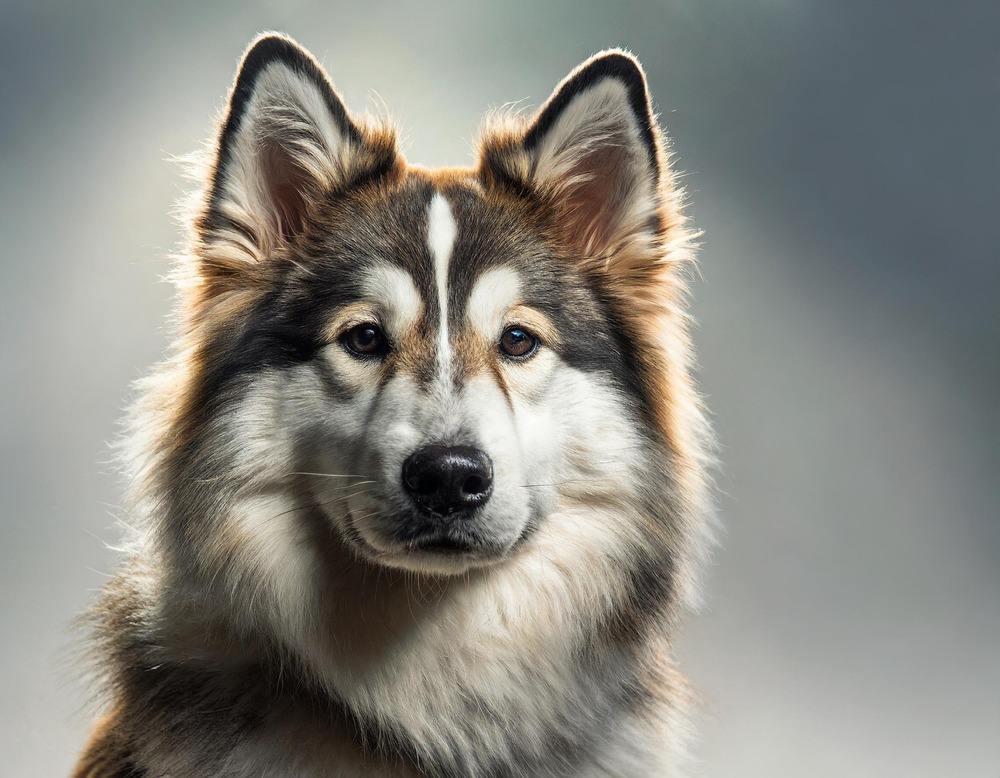
The Korean Jindo is strongly associated with Jindo Island, off South Korea’s south-western coast. The breed’s history is often described as shaped by geography: an island environment, practical hunting needs, and a long period where dogs that could work well and cope with local conditions were more likely to be kept and bred.1, 2
In South Korea, the Jindo has a protected cultural status. It was designated a Natural Monument (number 53) in 1962, which is part of why there is ongoing focus on preservation and on what is considered a “true” Jindo type within Korea.1, 2
Outside Korea, it helps to hold two ideas at once. The Jindo is culturally significant and widely admired, and it is also a working-minded dog whose traits can be inconvenient in suburban life if they are treated as optional.
Temperament and what “loyal” can look like
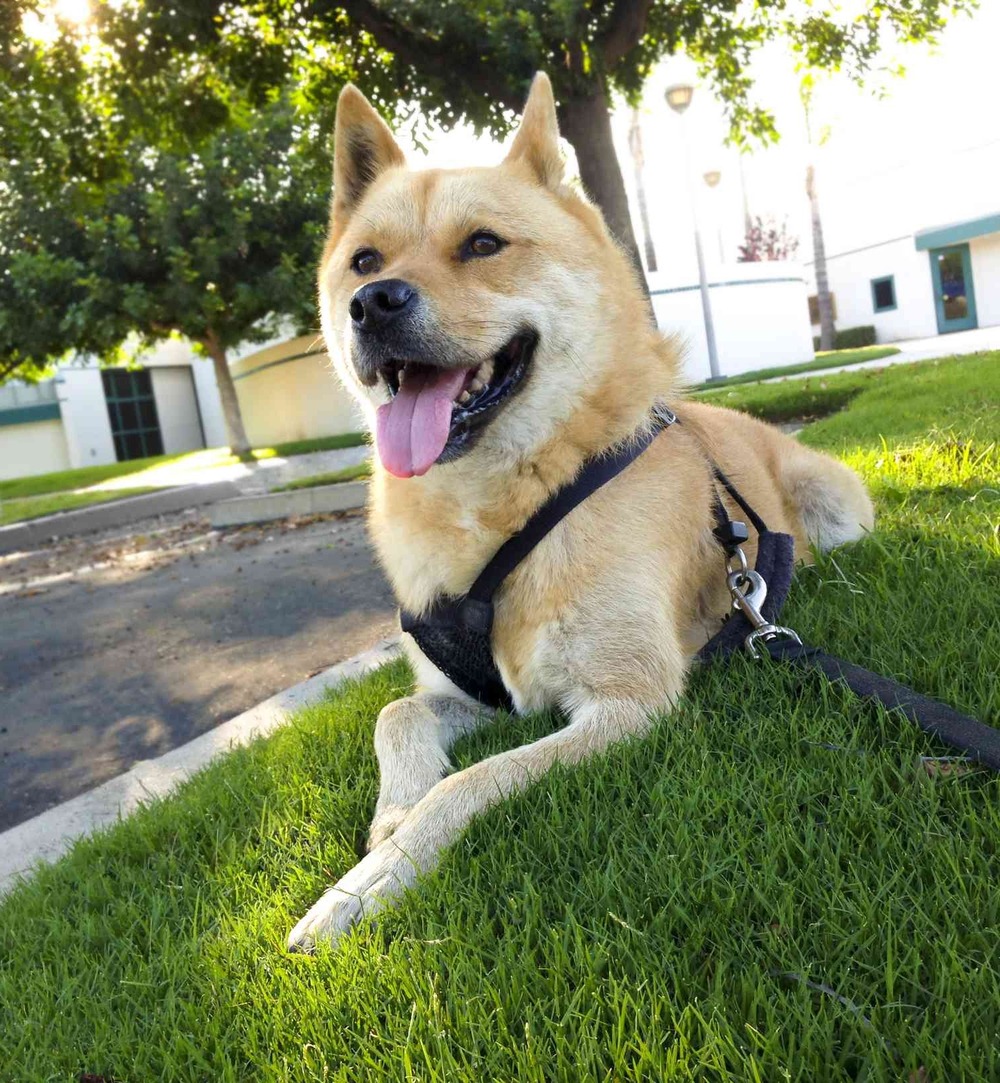
Breed descriptions often use words like loyal, independent, and alert, which are accurate as long as we interpret them in dog terms. Many Jindos bond closely with their household and can be reserved with unfamiliar people. That reserve is not necessarily fear or hostility, but it does mean the breed is not always a “everyone is my friend” kind of dog.5
Independence can be easy to romanticise. In practice, it often means a Jindo may pause, assess, and then choose whether your cue is worth following. If you prefer a dog that defaults to compliance, you may find the Jindo quietly challenging. If you appreciate a dog with clear boundaries and judgement, the breed can feel deeply steady.
Because the Jindo is historically used as a hunting dog, many individuals have a strong chase response. This matters around cats, pocket pets, wildlife, and even fast-moving dogs at the park. Management and training can reduce risk, but it is sensible to assume prey drive exists unless you have strong evidence otherwise.1
Family life, visitors, and other pets
Jindos can live well with children when introductions are thoughtful and the household is calm and consistent. The key is not “kids love dogs” but teaching children how to give a dog space, how to notice when a dog has had enough, and how to avoid rough play or cornering.6
With visitors, Jindos often do best when the home has a predictable routine: a place to settle, a plan for greetings, and no pressure to interact. A dog that can choose distance tends to cope better than a dog repeatedly pulled into contact.
With other dogs, outcomes vary. Early, well-managed socialisation helps, but it is not a magic switch. Same-sex tension can occur in many breeds, and the Jindo’s self-contained style can be misread by more socially intense dogs. If you have multiple pets, think in terms of long-term management, not just first impressions.
Training that suits an independent dog
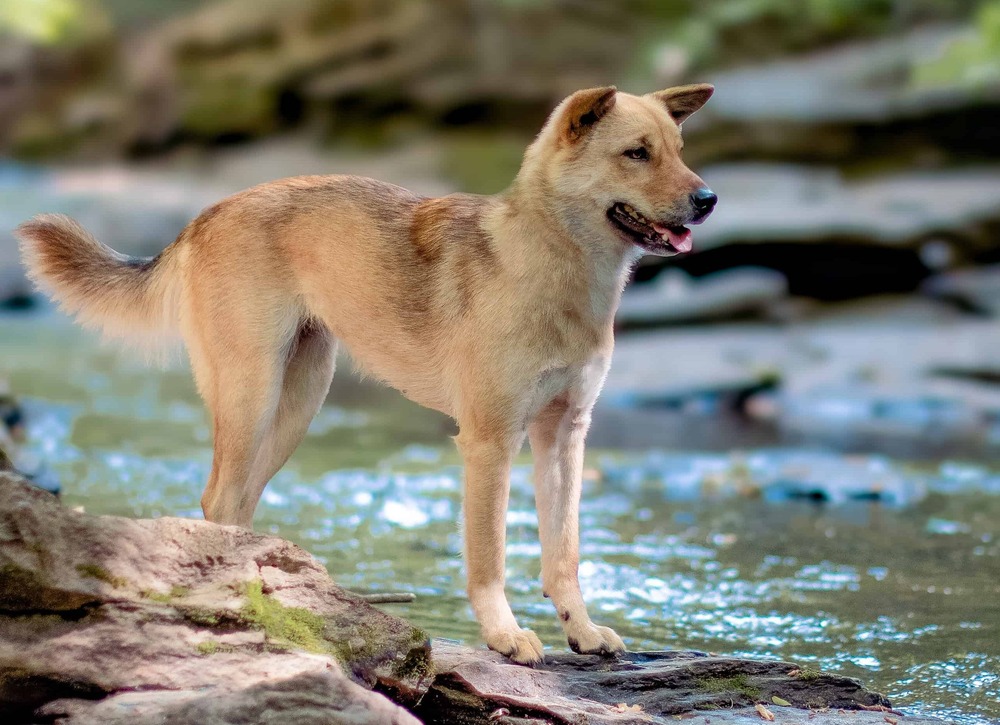
Jindos are often described as intelligent, but intelligence does not always look like easy obedience. Many learn quickly, then decide what is worth repeating. Training tends to go best when it is clear, consistent, and built around reinforcement the dog genuinely values, whether that is food, play, or access to sniffing and movement.
Aim for short sessions that end before the dog switches off. Keep your expectations realistic, especially in distracting environments. For many Jindos, recall is a lifelong project, not a puppy-school milestone.
Socialisation is also best understood as helping the dog feel safe and neutral, not forcing friendliness. The goal is calm exposure to everyday life, with choice and distance, so the dog does not learn that new things predict pressure.6
Exercise and enrichment: more than long walks
Most Jindos need daily physical activity, but the more important piece is often mental load. A brisk walk on the same route can be helpful, yet many dogs still come home under-stimulated. Scent games, structured training, and problem-solving feeders can take the edge off in a way kilometres sometimes do not.
Consider activities that match the breed’s strengths: tracking-style games, bushwalks on lead, and quiet, skill-based training. Avoid assuming that a dog park will provide “good social exercise”. For a reserved breed, it can be stressful rather than enriching.
If you have a yard, it should be secure. Jindos are known for being agile, and a dog with prey drive and a reason to roam can find gaps you did not know existed.
Health: what to watch, and how to stay ahead
No breed is free of health issues. Hip dysplasia is a concern across many medium and large breeds, and thyroid disease is also discussed in breed circles. The practical approach is to buy or adopt with eyes open, ask what screening has been done, and keep your vet in the loop as your dog ages.
For hip health in particular, screening programs exist and results can be recorded through recognised registries. If you are choosing a breeder, ask for evidence of hip evaluation, not just reassurance.7
Day to day, the basics still do most of the work: maintaining a lean body condition, building fitness gradually, and seeking veterinary advice early when gait changes, stiffness, or reluctance to jump appears.
Coat care and grooming in real life
The Jindo’s double coat is designed for weather protection. That also means shedding can be significant, especially seasonally. Weekly brushing suits many dogs most of the year, with more frequent grooming during heavy sheds.
Bathing can be occasional rather than frequent. Over-bathing may dry the skin and coat. Focus on brushing, checking ears, trimming nails, and keeping the dog comfortable with handling. Those small, ordinary routines make vet visits and grooming sessions far easier later on.
Feeding and nutrition: steady, boring, and effective
A good diet for a Jindo is rarely exotic. What tends to matter most is that the food is complete and balanced for the dog’s life stage, and that portions are adjusted to keep an ideal body condition. Veterinary teams often use structured nutrition guidelines and body condition scoring to help owners make practical decisions, especially when online advice becomes contradictory.8
Be cautious with table scraps and “people food”. Several common foods are toxic to dogs, including chocolate, grapes and raisins, and onions and related alliums. If in doubt, treat it as a vet question rather than a quick internet search.9, 10
Recognition by kennel clubs: why the dates vary
If you look up the Korean Jindo, you may see different recognition dates depending on the organisation. Internationally, the breed is recognised by the FCI as the Korea Jindo Dog (standard number 334), with definitive recognition dated July 2005.1
In the United States, the American Kennel Club added the Jindo to its Foundation Stock Service in January 2008, which is a recording system and not the same as full AKC breed recognition into a group.3
A note on the “homing instinct” stories
Stories about Jindos travelling long distances to return home are part of the breed’s public image. They are compelling because they speak to the way some dogs orient strongly to place and routine, and to particular people. It is also worth keeping a practical perspective: individual behaviour varies, and a “homing instinct” should never be treated as a substitute for secure containment, identification, and training.
One often-cited example is the dog known as Baekgu, remembered in South Korea for returning to an original home after being separated, which has been retold in multiple popular accounts.4
Living with a Korean Jindo: a thoughtful match
The Korean Jindo tends to thrive with people who like training as a quiet craft, who value a dog that is observant rather than effusive, and who can provide consistent boundaries without harshness. In the right setting, that combination can feel remarkably calm and complete.
In the wrong setting, the same traits can look like stubbornness, aloofness, or restlessness. If you are considering the breed, the kindest approach is to plan for the dog you are likely to have: athletic, selective, and independent, then build a life that suits that dog well.
References
- Federation Cynologique Internationale (FCI): Korea Jindo Dog (Standard No. 334)
- Natural Monuments (South Korea): listing for Jindo Dog (No. 53)
- American Kennel Club: Foundation Stock Service news update (January 2008, Jindo added)
- National Purebred Dog Day: South Korea’s 53rd Natural Treasure (includes Baekgu retelling)
- Korea Jindo Dog (overview of height, weight, and general breed notes)
- RSPCA Australia Knowledgebase: puppy socialisation
- Orthopedic Foundation for Animals (OFA): Hip Dysplasia information
- World Small Animal Veterinary Association (WSAVA): Global Nutrition Guidelines
- Agriculture Victoria: Human foods to avoid for cats and dogs
- RSPCA Australia: Household dangers to your pet (toxic foods overview)