

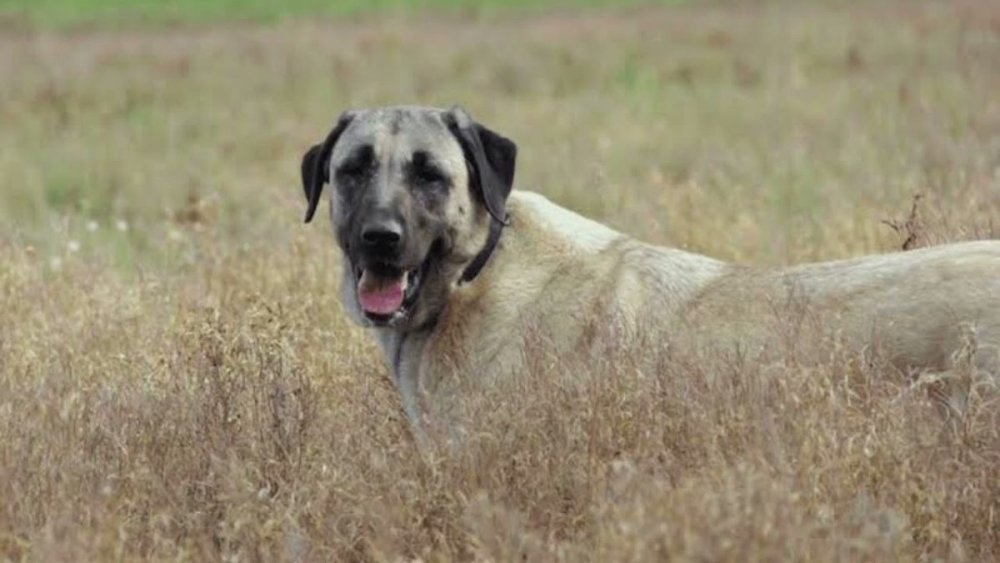
You might come across the name “Koyun Dog” after seeing a big, pale guardian type dog pictured with sheep, or after hearing someone describe a “Turkish sheepdog” that is steady, watchful, and not especially interested in strangers. It is a sensible curiosity, especially if you are used to herding breeds that work close to people and respond quickly to cues.
In everyday life, the confusion often comes from language. In Turkish, koyun means “sheep”, so “koyun dog” can be used loosely to mean a sheep-guarding dog rather than one single, formally defined breed. Turkey has several well-known livestock guardian breeds and regional types, and people sometimes use overlapping names when talking about them.1, 2
That matters in practice because livestock guardians tend to share certain needs, plenty of space, thoughtful socialisation, and a handler who understands what “independent” looks like in a dog. But details like size, coat, heat tolerance, and even typical reactivity can vary across regions and lines, so it helps to read with a bit of nuance rather than expecting a neat, kennel-club style profile.
The Koyun Dog in context, what people usually mean
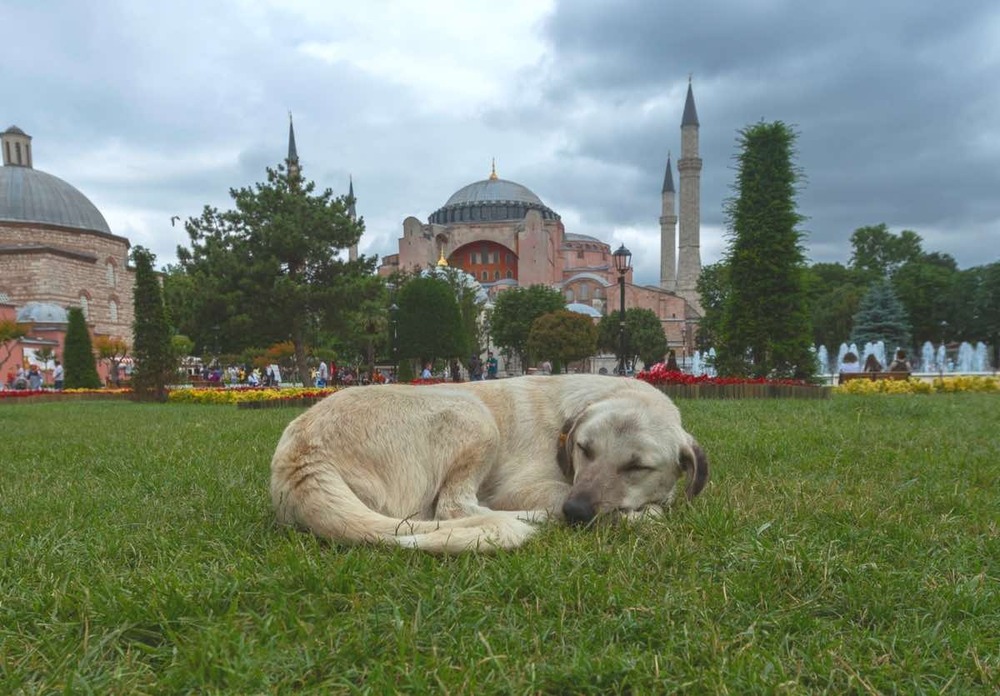
In most usage, “Koyun Dog” points to a Turkish livestock guardian, a big, durable dog kept with flocks to discourage predators and alert the household to unusual movement. These dogs do not “herd” in the collie sense. They are more about presence, positioning, and escalation when needed, which is why they can look calm for long stretches and then switch to decisive action very quickly.
Turkey is home to several established guardian breeds and regional types, including the Kangal and Akbash, and other regional dogs such as the Kars Shepherd. There are also less widely standardised local types described by region, for example the Rize Koyan from the Black Sea area, which is explicitly described as a working livestock guardian rather than a typical pet dog.2, 3, 4, 5
If you are trying to identify a particular dog, it is more useful to ask about region, working role, and lines (farm bred, show bred, exported) than to rely on the label alone. In Australia, you may also see Turkish guardian dogs grouped under broader “Anatolian” or “Kangal type” descriptions depending on the registry and importer.
Appearance and physical traits you will likely notice
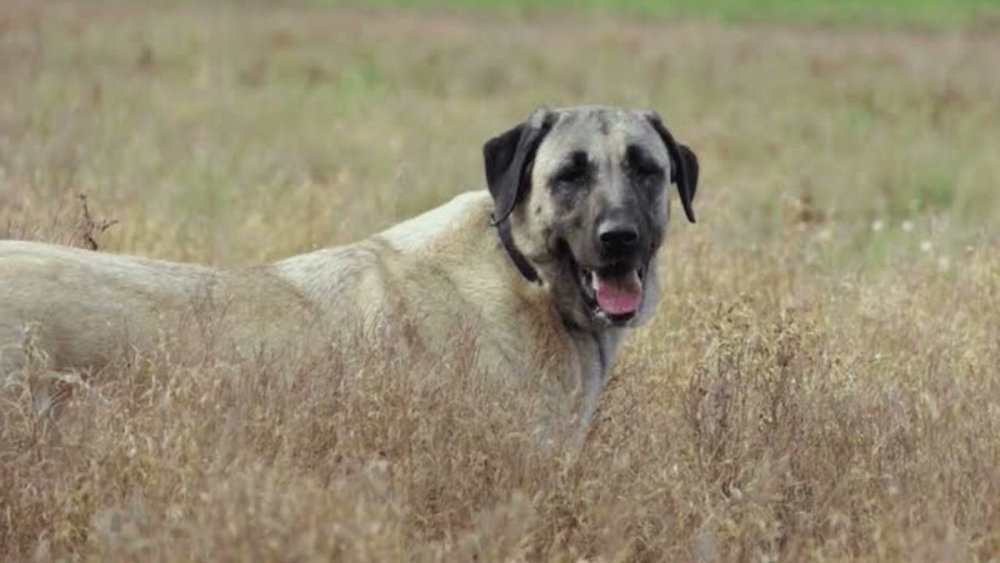
Most dogs described this way are large, solidly built, and designed for weather and distance. A dense coat is common, often a double coat, because these dogs historically worked outdoors in variable conditions. Colours vary by type and region, but pale coats (white, cream) and greys are frequently mentioned in Turkish guardian dogs, partly because a lighter dog can be easier for a shepherd to distinguish from predators at a distance.
It is also common to see a tail that lifts and curves when the dog is alert, drop ears, and a purposeful trot rather than the springy movement you might associate with lighter herding breeds. When people describe them as “powerful”, it is usually about stamina and presence rather than flashy athleticism.
Temperament, loyal, protective, and not especially “obedient”
Livestock guardians are often described as loyal and protective, and that is broadly fair, as long as we interpret those words in dog terms. They tend to form strong bonds with their home base and routines, and they can be naturally wary of novelty. They are often calm with familiar people, but they are rarely “everyone’s best mate” in the way some companion breeds can be.
The part that surprises new owners is the independence. A guardian dog may comply, then choose a different option when it thinks it has better information. That is not stubbornness for its own sake. It is a working style shaped by generations of dogs expected to make decisions at a distance from humans.
With children, the picture is usually “good with proper management”, meaning supervision, respectful handling, and a dog that has had early, careful socialisation. With other pets, outcomes vary. Some guardians live peaceably with other animals, while others are more selective, especially if introductions are rushed or the dog feels responsible for controlling movement.
Training and daily life, what helps these dogs settle
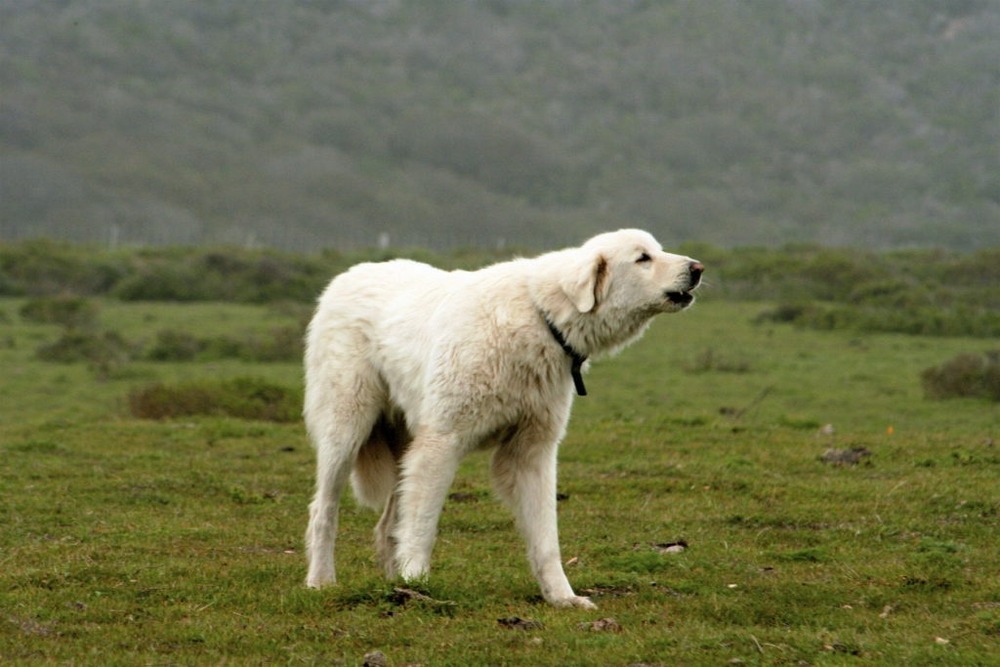
Training tends to go best when it is practical and consistent. Clear boundaries, predictable routines, and reinforcement for calm behaviours usually get you further than repeated drilling of commands. Many guardians respond well to positive reinforcement, but they also need handlers who can stay steady when the dog tests limits, which often looks like delayed responses, selective hearing, or choosing to watch something rather than follow a cue.
Exercise needs are real, but the shape of that exercise matters. A long, sniffy walk, a steady hike, or time moving around a property often suits these dogs better than high-arousal games that wind them up. Alongside physical activity, they benefit from a life that makes sense: a defined area, a job (even if it is simply “patrol the yard”), and enough calm contact with their people to stay connected without becoming clingy.
If you are considering one for suburban life, be honest about the essentials:
- Space and fencing that can safely contain a large dog.
- Neighbours who will not be distressed by alert barking.
- A plan for visitors, deliveries, and trades, including safe separation.
- Time for gradual social exposure, not just “taking the dog everywhere”.
Health considerations, joints, heat, and bloat risk
Because many “Koyun Dog” descriptions involve large, deep-bodied dogs, it is sensible to think about orthopaedic health (including hip dysplasia) and the general wear that comes with size. Keeping growth steady in adolescence, maintaining a lean body condition, and avoiding excessive impact exercise during development are common vet recommendations for large breeds.
It is also worth taking heat seriously. A thick-coated guardian can cope well with cold, but may struggle in hot Australian summers without shade, airflow, and sensible timing of exercise. Coat length alone does not tell you everything, but heat management is a practical part of day-to-day care.
Another topic that comes up with large dogs is gastric dilatation-volvulus (GDV), often called bloat. It is a life-threatening emergency, and risk is higher in large, deep-chested dogs. Commonly discussed risk factors include eating quickly, large meals, feeding once daily, and exercising soon after eating.6, 7
Grooming, coat care without overdoing it
A dense coat usually means moderate ongoing grooming, with heavier work during seasonal shedding. Brushing a few times a week helps remove loose undercoat, reduces matting, and lets you check skin and parasites. If the dog works outdoors, regular checks around ears, toes, and the underside can prevent small problems from becoming big ones.
Bathing is typically occasional rather than frequent. Over-washing can dry the skin and strip oils. For many guardian dogs, a thorough brush-out and a rinse of muddy areas is enough most of the time.
Feeding and nutrition, steady habits beat clever tricks
Most large working dogs do best on a consistent, high-quality diet that supports muscle maintenance without pushing weight up. Exact amounts depend on age, activity, and individual metabolism, so your vet is the best guide for portions.
For safety, focus on calm mealtimes. If your dog gulps food, slow-feeder bowls or splitting meals can help. And because of GDV risk in large breeds, many vets advise avoiding hard exercise immediately before and after meals.6, 7
For treats and human foods, be conservative. Some everyday foods are toxic to dogs, including grapes and raisins, onions and garlic, and chocolate. When in doubt, check a reputable poison advice resource rather than guessing.8, 9
Final thoughts
The most useful way to think about the “Koyun Dog” is as a window into the livestock guardian world, big dogs shaped by outdoor work, distance, and responsibility. They can be steady companions in the right setting, but they are rarely easy dogs in a busy, visitor-heavy household.
If you are drawn to them, lean into what they are built for: space, structure, thoughtful introductions, and a daily rhythm that lets them relax. When those pieces are in place, their best qualities, calm vigilance and reliability, tend to show themselves without being forced.
References
- Wikipedia: Kangal Shepherd Dog
- Wikipedia: Rize Koyan (Rize Koyun)
- Wikipedia: Akbash
- Wikipedia: Kars dog (Kars Shepherd)
- Fédération Cynologique Internationale (FCI): Kangal Shepherd Dog standard (No. 331)
- Cornell University College of Veterinary Medicine: Gastric dilatation volvulus (GDV) or “bloat”
- Today’s Veterinary Practice: Gastric Dilatation and Volvulus (Stabilization and Surgery)
- ASPCA: People foods to avoid feeding your pets
- RSPCA Australia Knowledgebase: What foods are poisonous to my pet?