

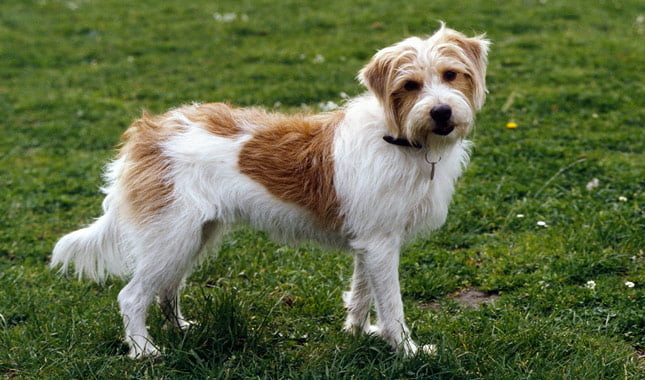
People usually come across the Kromfohrländer by accident: a photo online, a name they cannot quite pronounce, then a quiet sense of, “Hang on, what breed is that?” It often looks a bit like a terrier at first glance, but owners and breeders tend to describe it more as a companion dog with terrier-like neatness and alertness.
Because the breed is rare, the information you find can be a mix of solid facts and well-meaning guesses. It helps to start with what is reliably known (where the breed comes from, what it was bred for, and what a typical dog needs day to day), then work out whether that matches your home, your routines, and your tolerance for grooming, training, and a dog that likes to stay involved.
The Kromfohrländer can be a rewarding, steady presence, but like any breed, it suits some households better than others. The practical questions matter: how much company can you offer, what sort of exercise do you enjoy, and are you prepared to do the careful socialisation that supports a confident adult dog?
- Breed category: Companion dog
- Country of origin: Germany
- Typical height: 38 to 46 cm
- Typical weight: 9 to 16 kg
- Typical lifespan: Around 12 to 14 years
- Coat type: Wiry or smooth
- Common colours: White with tan or brown markings
- Exercise needs: Moderate, daily walks and play
- Grooming needs: Moderate, regular brushing
- General temperament: Friendly, alert, people-focused
History and development
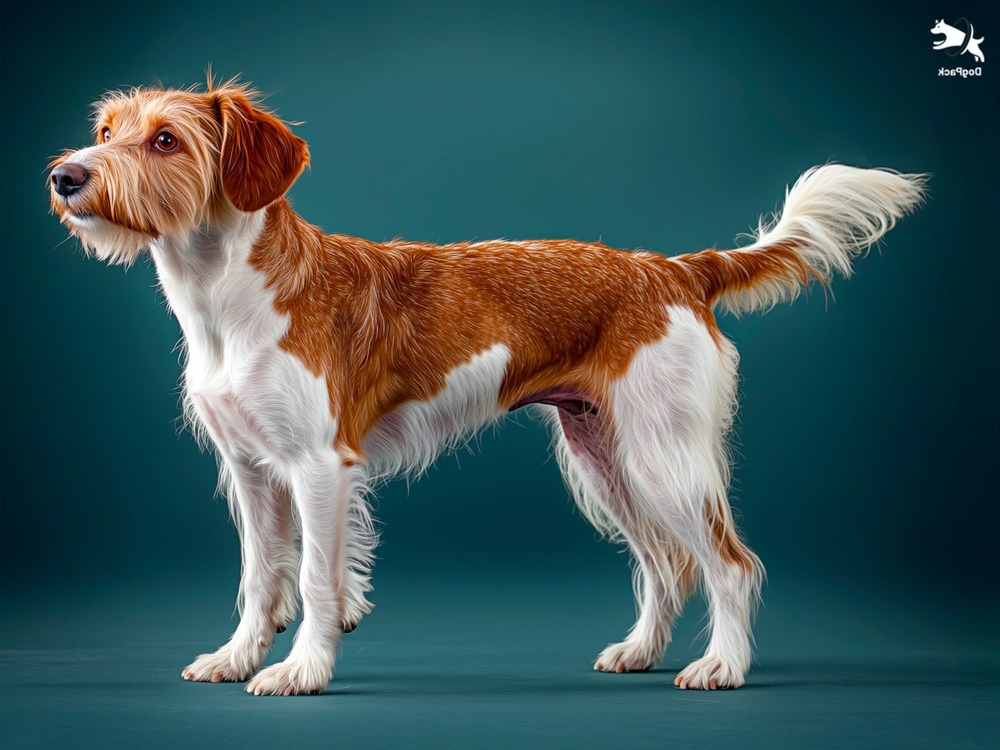
The Kromfohrländer is a relatively modern breed, developed in Germany after the Second World War. It is recognised by the Fédération Cynologique Internationale (FCI) as a companion and toy breed (Group 9), with definitive recognition dated 28 November 1955.1
In everyday terms, that means there is a written standard describing the “shape” of the breed, and a long-running effort by breeders to keep the dogs consistent in size, coat, and overall type. It also means you will see the breed more often in countries where FCI recognition strongly influences breeding and showing culture.
Because they are uncommon, Kromfohrländers are sometimes talked about as if they are a novelty. In practice, they are best understood as a small-to-medium companion dog: typically biddable, fairly adaptable, and happiest when included in normal household life rather than left to entertain itself.
Physical characteristics
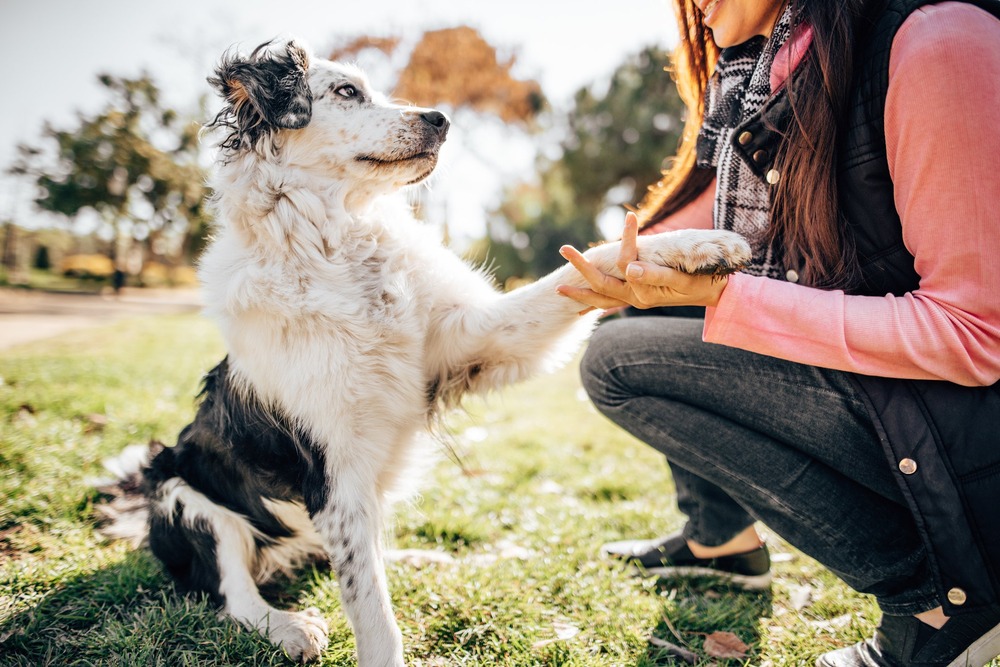
Most Kromfohrländers sit in that very liveable middle ground: not tiny, not large, and generally easy to lift into a car or manage on-lead. Adults are commonly described around 38 to 46 cm at the shoulder and roughly 9 to 16 kg, although individual dogs can fall outside those ranges depending on sex and lines.1
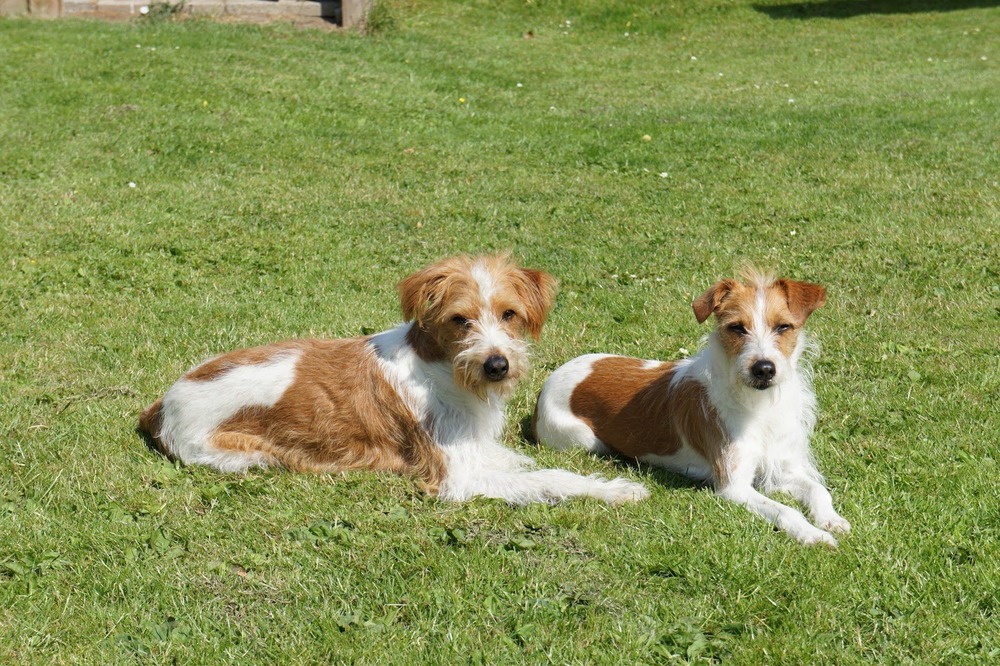
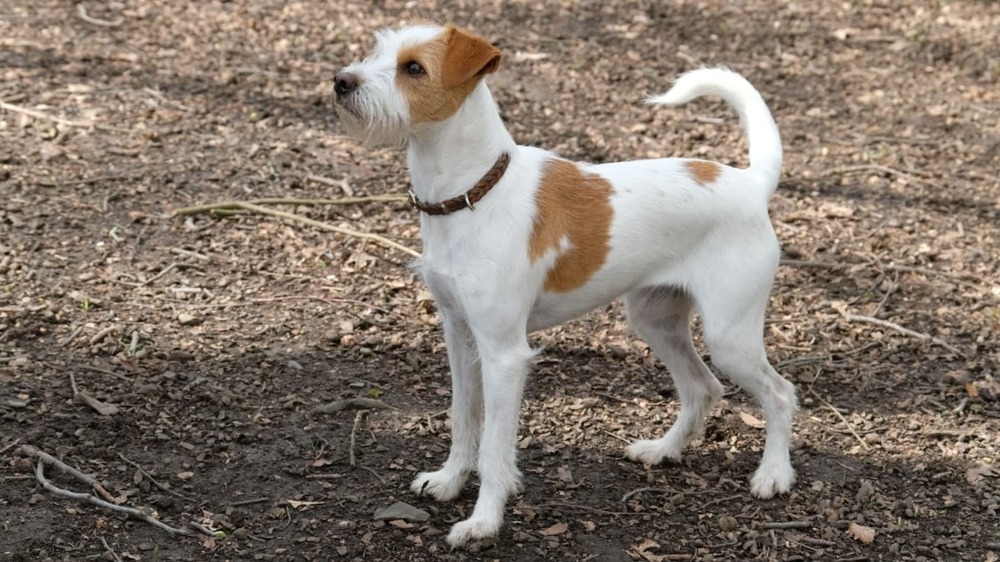
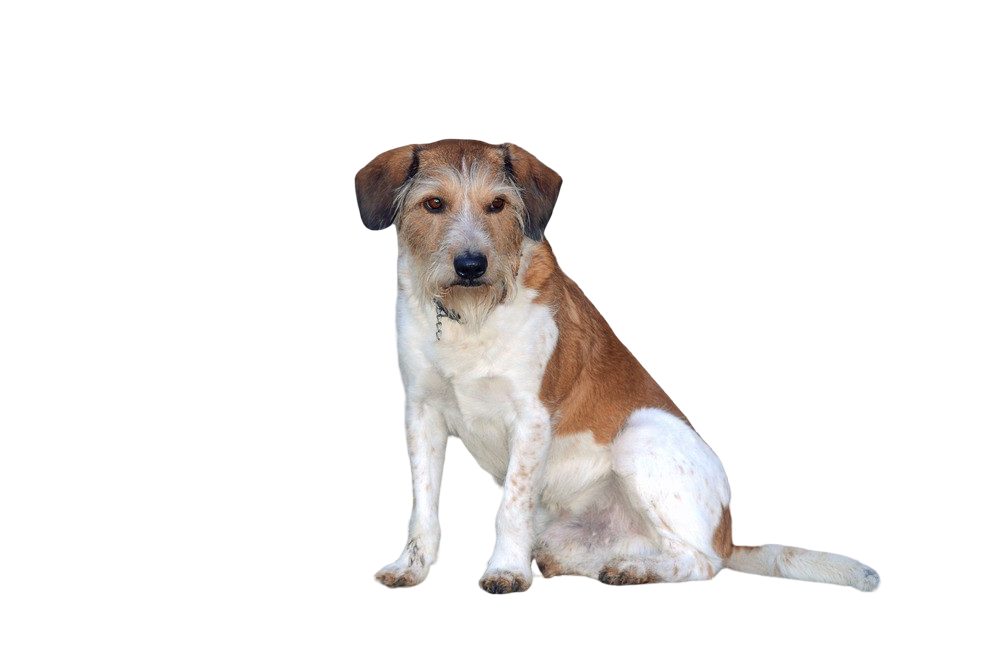
The coat can be wiry or smooth, typically white with tan or brown markings. The patterning is part of the breed’s charm, but it is also practical: you will quickly learn where mud shows up first, and which parts of the coat collect burrs during walks.
Features like semi-drop ears and a tail carried straight or curved are common. What tends to stand out most, though, is the expression: bright-eyed and attentive, the sort of dog that notices what you are doing and likes to be nearby.
Temperament and behaviour
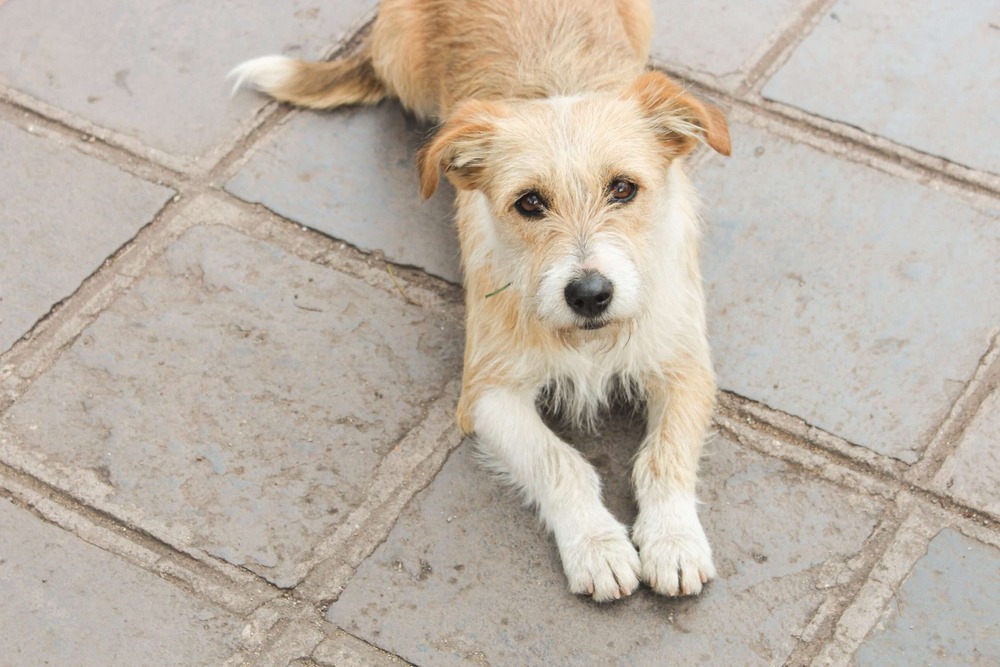
People often describe the Kromfohrländer as friendly and loyal. It is better to translate that into observable behaviour: many are people-oriented and responsive, they tend to watch their household closely, and they often prefer being in the same room rather than on the other side of the yard.
That closeness can be a lovely trait, and it can also mean the dog notices changes. Some individuals can become a little shouty when surprised by visitors or unfamiliar noises. It is not usually a sign of “stubbornness”. It is more often a mix of alertness, excitement, and not yet having a well-practised alternative behaviour.
With children, the usual rules still apply: even a tolerant dog benefits from calm handling, predictable routines, and an adult who supervises interactions. With other pets, early introductions and sensible management matter more than breed stereotypes.
Training and exercise
For most Kromfohrländers, training goes best when it feels like cooperation rather than confrontation. Reward-based training (food, play, access to what the dog wants) tends to build reliable behaviour without unnecessary stress, and it is the approach recommended by many animal welfare organisations for companion dogs.2
Short sessions suit this type of dog well. A few minutes of loose-lead work on a walk, a quick “go to mat” practice before dinner, and a small game of find-it in the garden can do more than a single long drill.
Exercise needs are usually moderate. Daily walks and play are important, but mental work is often the missing piece. If your dog follows you from room to room and seems “busy”, it may not need more kilometres. It may need more sniffing time, simple problem-solving, and clearer routines.
- Movement: one or two walks a day, adjusted for age and fitness
- Enrichment: sniff walks, scatter feeding, basic scent games
- Skills: calm greetings, settling on a mat, recall practice in safe areas
Health and lifespan
A typical lifespan is often given as about 12 to 14 years, which aligns with what many people expect from a small-to-medium companion dog. Individual longevity still depends on genetics, general health, weight management, dental care, and the plain luck that comes with living bodies.
As with many breeds, you may see discussion of orthopaedic issues such as hip dysplasia and patellar luxation (kneecap instability). Hip dysplasia is a developmental condition influenced by both genetics and environment, and signs can range from subtle stiffness to more obvious discomfort.3
If you are looking at a puppy, it is reasonable to ask what health screening is done in that line, and what support the breeder offers if a problem shows up later. If you already own a dog and notice skipping steps, bunny-hopping, reluctance to jump, or stiffness after rest, a veterinary check is worthwhile rather than waiting it out.
Grooming and everyday maintenance
Grooming is usually described as moderate, but that word hides the real question: will you do it consistently? With a wiry coat, regular brushing helps prevent tangles and keeps debris from building up. With a smooth coat, brushing still helps, just in shorter sessions.
It is also a chance to do quiet, practical checks: ears, paws, nails, and skin. Many owners find that a routine of small, calm handling sessions makes veterinary care and general management easier over the dog’s life.
Dental care deserves a special mention. Many dogs develop dental disease as they age, and home habits can make a meaningful difference. RSPCA guidance commonly emphasises that tooth brushing is the most effective home care, using pet-safe toothpaste and a gradual approach so the dog learns to tolerate it.4, 5
Diet and nutrition
Most Kromfohrländers do well on a high-quality commercial diet that is labelled complete and balanced for their life stage, with portions adjusted to keep a healthy body condition. If you are unsure, your vet can help you assess weight and muscle, which is often more useful than focusing on the number on the scales alone.
The World Small Animal Veterinary Association (WSAVA) Global Nutrition Guidelines are a helpful reminder that nutrition is not one-size-fits-all. Age, activity, health conditions, and even how a dog eats (bolting versus chewing) can change what is sensible for the individual in front of you.6
It is also worth being clear-eyed about risks in the kitchen. Common human foods including grapes and raisins, chocolate, onions and garlic, macadamias, and products containing xylitol can be dangerous to dogs. When in doubt, treat “not sure” as “no” and check with a vet.7
Living with a Kromfohrländer
In the right home, this breed can slot neatly into daily life. Many are comfortable in smaller spaces provided they get their walks, play, and a bit of training. What they tend to find harder is being emotionally and physically “parked” for long stretches without company or meaningful activity.
If you are drawn to the Kromfohrländer because it looks manageable, that instinct is not wrong. Just keep the full picture in mind. A dog that is alert, clever, and socially tuned-in can be wonderfully companionable, and it will still need time, consistency, and guidance.
A good match usually looks like this: someone who enjoys a steady daily routine, does not mind regular grooming, and is willing to do early socialisation and ongoing training that supports calm behaviour in the real world.
References
- Fédération Cynologique Internationale (FCI): Kromfohrländer (No. 192) breed information
- RSPCA Australia Knowledgebase: Most effective training methods for dogs
- Orthopedic Foundation for Animals (OFA): Hip Dysplasia overview
- RSPCA Pet Insurance: Guide to dog dental care (including how to brush)
- RSPCA Australia: The importance of dental health in pets
- WSAVA: Global Nutrition Guidelines
- RSPCA Pet Insurance: Foods to avoid feeding your dog