

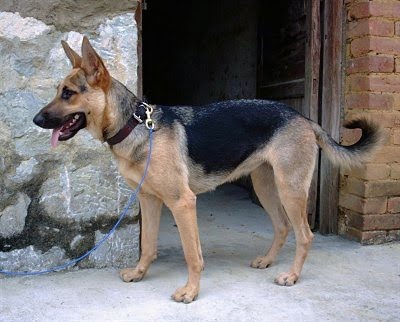
You might come across a Kunming Dog because you have seen a photo that looks a lot like a German Shepherd, or you have heard someone mention a Chinese police dog breed and wondered if it is a recognised type. Sometimes the curiosity starts when you are looking for a high-drive working dog and this name keeps popping up, without much clear information behind it.
It is tempting to assume it is simply a German Shepherd “lookalike”, but the Kunming Dog has its own development story, selection priorities, and working style. In practice, those differences matter, especially if you are thinking about day to day life with a dog that was shaped for detection, tracking, and operational work.
Living with a breed like this tends to go well when people plan for structure, training, and outlets, rather than focusing only on appearance or general “loyalty”. The Kunming Dog can be a steady, capable companion in the right home, but it rarely suits a low-activity household.
Kunming Dog at a glance
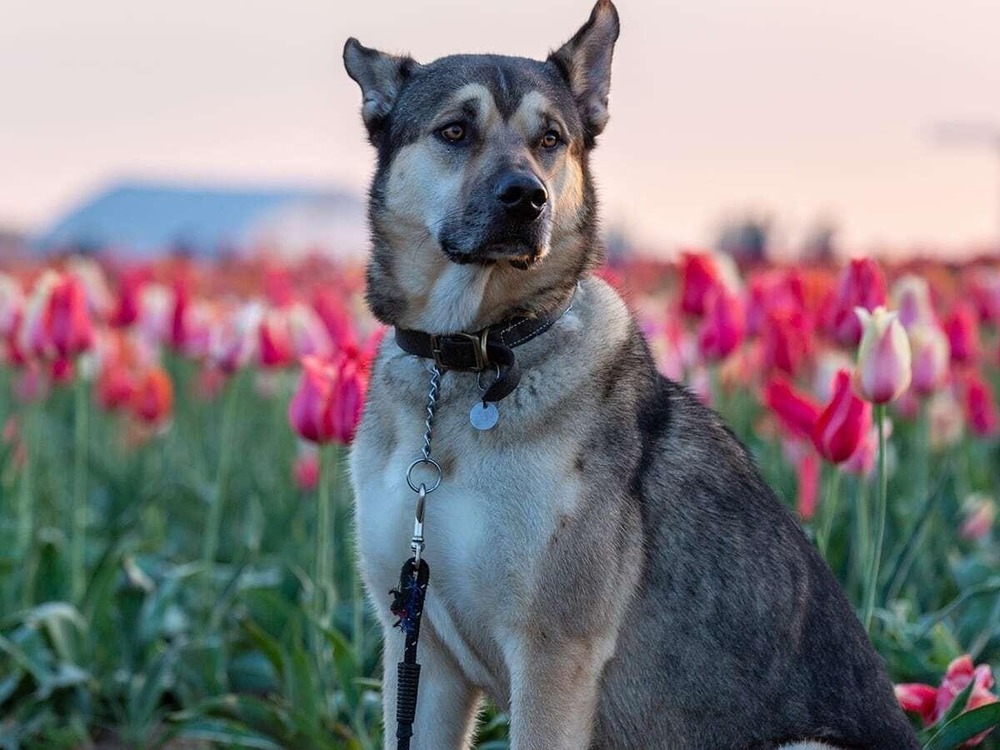
- Breed category: Working dog
- Country of origin: China (developed in Kunming, Yunnan)
- Typical height: Around 60 to 75 cm (males often taller than females)1
- Typical weight: Commonly mid 20s to high 30s kg, depending on sex and lines1
- Life expectancy: Often reported around 12 to 14 years (individual variation applies)
- Coat: Dense, usually double coated
- Exercise needs: High, tends to do best with daily training plus physical activity
- Heat sensitivity: Can struggle in hot conditions, plan exercise and cooling accordingly6, 7
History and development
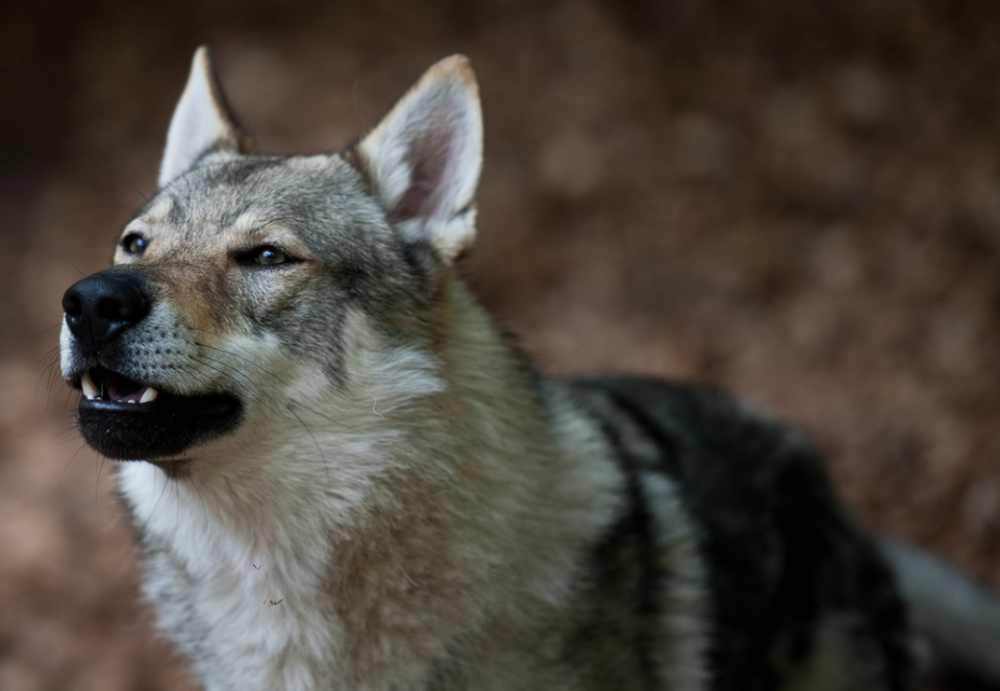
The Kunming Dog (also called the Kunming Quan, or Kunming Wolfdog in some sources) was developed in China from the 1950s as a purpose-bred working dog associated with policing and security work in Yunnan and beyond.1, 2, 3
Accounts vary in the level of detail, but the broad picture is consistent: breeders drew on local dog populations and imported working lines, with German Shepherd type dogs commonly mentioned, then selected over decades for operational traits like stability, scent work, and trainability.1, 2
Several official milestones are also described in Chinese reporting, including formal naming and recognition within policing systems in the late 1980s, and later acknowledgement in 2007 by national bodies described in state media coverage.2, 4
Physical characteristics
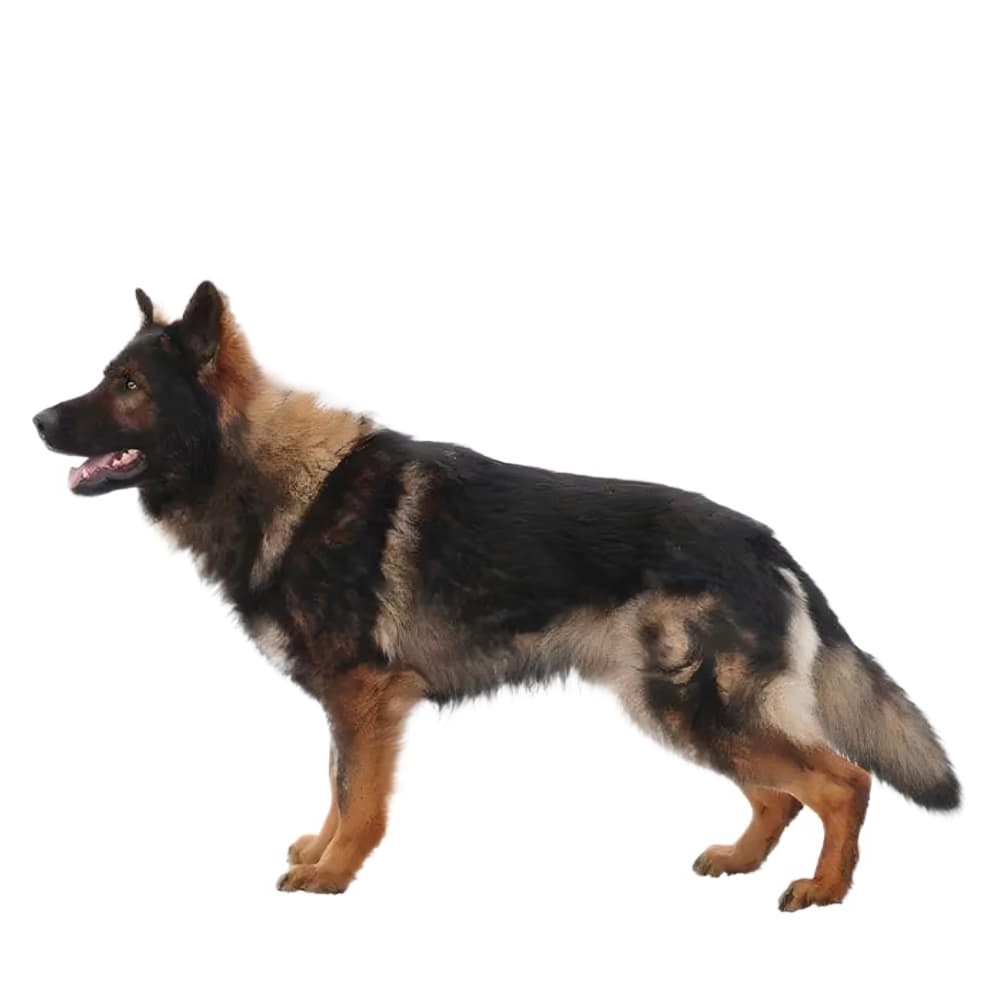
Most people notice the shepherd-like outline first: upright ears, a balanced working build, and a confident, ready posture. Kunming Dogs are typically medium to large, with enough bone and muscle for endurance rather than bulk.
Coat descriptions differ between lines, but many are reported as double coated and dense. Colour can include yellow and black patterns and other working-dog shades (including darker overlays).1
In day to day care, the practical takeaway is that this is a dog built to move and to work. A Kunming Dog that is fit and well managed often looks athletic, not heavy, with clear muscle definition and a steady gait.
Temperament and behaviour
Kunming Dogs are widely described as intelligent, alert, and strongly handler-oriented, which aligns with how many purpose-bred working dogs behave when their needs are met. Some reporting also characterises them as more reserved with strangers, warming up through consistent handling rather than instant friendliness.2
That combination can be a good match for people who enjoy training and routine. It can be harder for households that want an “easygoing” dog that simply slots into family life without much planning.
With children and other pets, outcomes are usually about management and learning history rather than labels. Early socialisation helps, but it is not magic. Think in terms of supervised introductions, calm routines, and teaching the dog what to do when excited or uncertain.
Training and exercise needs
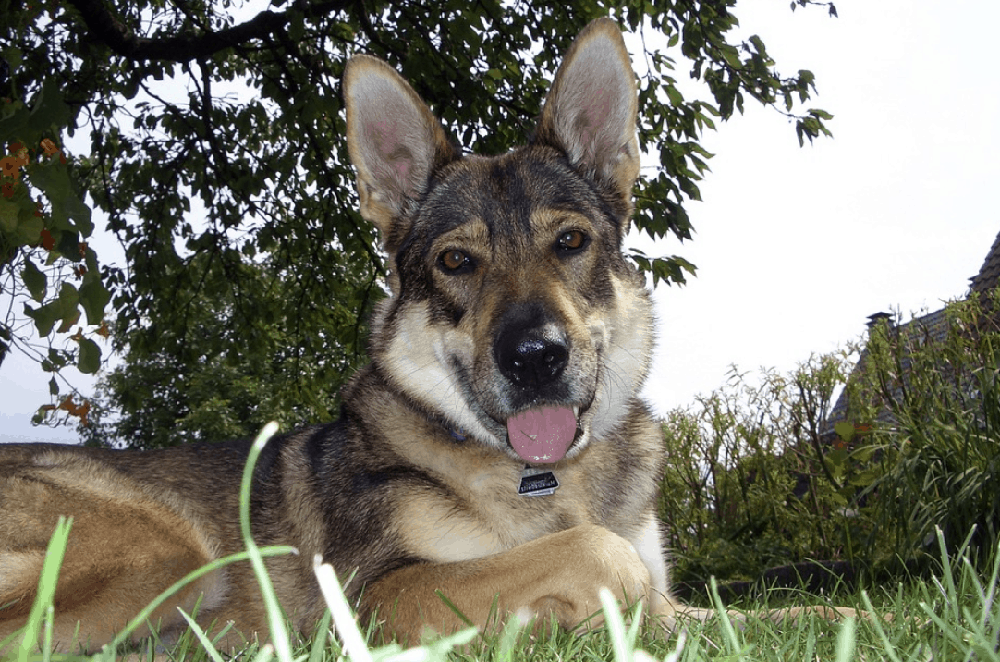
If you enjoy training, this breed can be very satisfying. Intelligent working dogs tend to notice patterns quickly, including the ones you did not mean to teach. Consistency matters, and so does clarity.
For most Kunming Dogs, the best approach is reward-based training with enough challenge to keep the dog engaged. Short sessions done often usually land better than occasional long drills.
Daily exercise needs are typically high, but it is worth separating “exercise” into two parts:
- Physical activity such as brisk walks, controlled runs, hiking, and structured play.
- Mental work such as scent games, tracking-style games, obedience, shaping, and problem-solving tasks.
In warm weather, be conservative. Heat stress can escalate quickly in dogs, particularly when they are exerting themselves. Aim for early morning or evening activity, keep water available, and learn the signs of overheating.6, 7
Health and lifespan
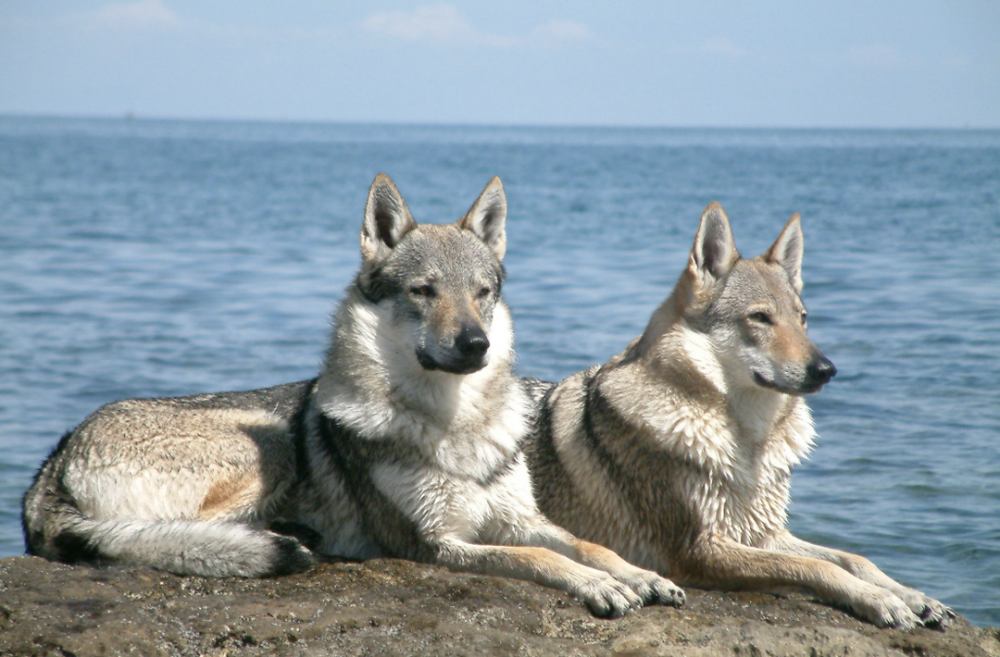
Many sources describe the Kunming Dog as generally robust, which is plausible for a working breed developed through long-term selection for function. Still, “working dog” does not mean “problem free”.
As with other medium to large active dogs, orthopaedic conditions such as hip dysplasia are a sensible concern to discuss with your vet and (where possible) a breeder or rehoming group with health history information.8
Supportive basics tend to have the biggest impact: keeping the dog lean, building fitness gradually, regular parasite control, dental care, and prompt attention to limping, heat intolerance, or recurring skin and ear irritation.
Grooming and maintenance
Coat care is usually manageable, but it is not “no shedding”. A dense coat can drop hair steadily, then more heavily during seasonal changes.
A practical routine for many dogs looks like:
- Brush once or twice a week, more often during heavy shed periods.
- Check ears, paws, and nails regularly, especially if the dog is doing lots of outdoor activity.
- Bathe only as needed, since over-bathing can dry skin and worsen itch in some dogs.
Grooming is also an opportunity to build handling tolerance. For a working type dog, cooperative care skills are as valuable as good manners on lead.
Diet and nutrition
There is no single perfect diet for every Kunming Dog, but there is a reliable principle: feed to the individual in front of you. Age, workload, climate, and body condition matter more than marketing language.
If you are choosing a commercial food, the World Small Animal Veterinary Association (WSAVA) provides practical guidance on how to assess pet food information beyond the ingredient list, including what to look for on labels and what questions to ask manufacturers.5
Be cautious with table scraps and “human snacks”. Several common foods are genuinely dangerous to dogs, including chocolate, grapes and raisins, and onions and garlic (including powders in cooked foods).9
Living with a Kunming Dog
Kunming Dogs tend to do best when their life has shape to it. They often settle well when they have a predictable routine, a clear training plan, and enough meaningful activity.
They are usually not ideal for apartment life unless the owner is exceptionally consistent about exercise, enrichment, and calm indoor habits. Space helps, but the bigger issue is whether the dog’s daily needs are met.
If you are considering one, it helps to be honest about your week. A Kunming Dog is often a good fit for people who want a capable training partner and are prepared to keep showing up, even when life is busy.
References
- Wikipedia: Kunming dog
- Xinhua: Built for the front line, China’s homegrown Kunming dog goes nationwide (2025)
- Taipei Times (Reuters): China seeks edge in police dogs with local ‘Kunming’ (2025)
- Xinhua: In pics, Kunming police dog base in SW China’s Yunnan (2026)
- WSAVA: Global Nutrition Guidelines
- RSPCA Australia: Warm weather worries, protect pets from heatstroke
- RSPCA Pet Insurance: Heatstroke guide for cats and dogs
- Australian Veterinary Association (AVA): Canine hip dysplasia
- ASPCA: People foods to avoid feeding your pets