

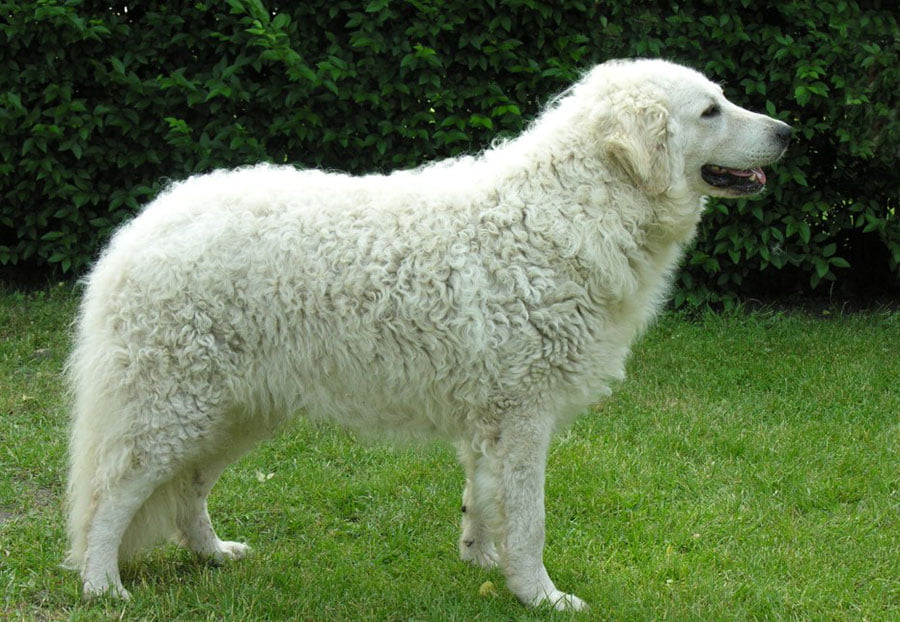
People usually start looking into the Kuvasz after noticing a particular kind of dog in the park or online: tall, white, calm-looking, and somehow very switched on to what is happening around them. Sometimes it is because a family wants a dog that can live with them, but also keep an eye on the place. Other times it is the opposite, someone loves the look, then hears the words “livestock guardian” and wonders what that means in day to day life.
With the Kuvasz, it helps to hold two truths at once. They can be devoted and steady with their people, and they can also be naturally cautious, independent, and selective about strangers. That mix is not “good” or “bad”, but it does shape what the breed needs to settle well in a modern home.
What matters most in practice is fit. A Kuvasz tends to do best with space, clear routines, and owners who are comfortable training a large dog without trying to micromanage every decision. When those pieces are in place, their quiet confidence can be a genuine pleasure to live alongside.
History and origin of the Kuvasz
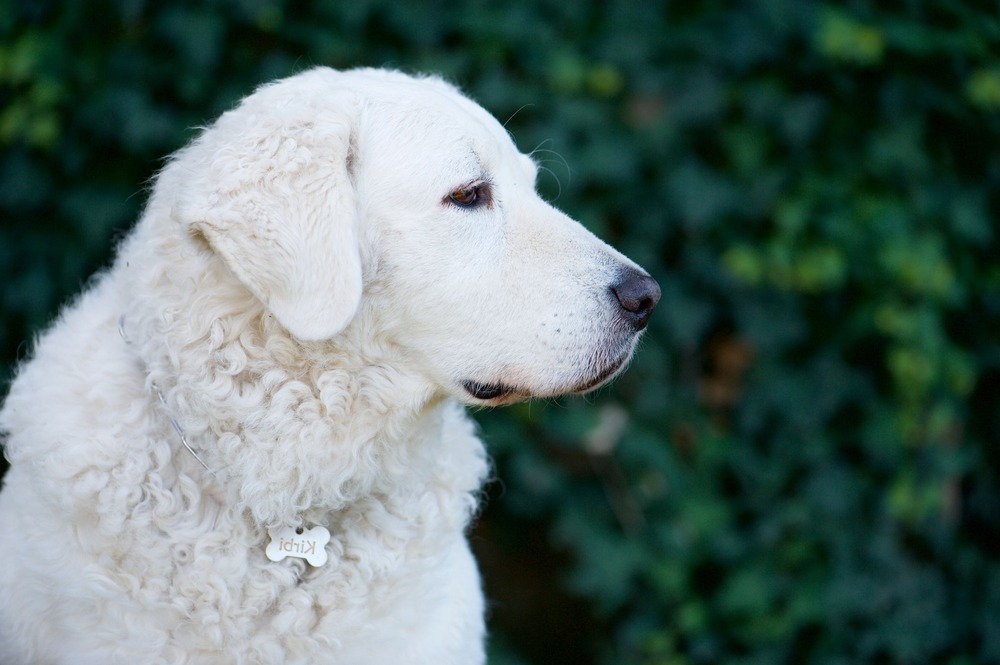
The Kuvasz is a Hungarian breed developed for guarding, particularly protecting livestock and property in rural settings.1, 2 Guardian breeds were selected over generations for steadiness, suspicion of threats, and the ability to make decisions without constant direction from a person. That background still shows up today, even in well-socialised family dogs.
Historically, Kuvaszok were also associated with Hungarian nobility, which helped cement their image as an impressive white guardian dog rather than a general-purpose herding breed.2 While the details of very early origins are debated and sometimes romanticised, the practical through-line is consistent: this is a dog shaped by work that required presence, resilience, and judgement, not eager-to-please obedience.
What a Kuvasz looks like in real life
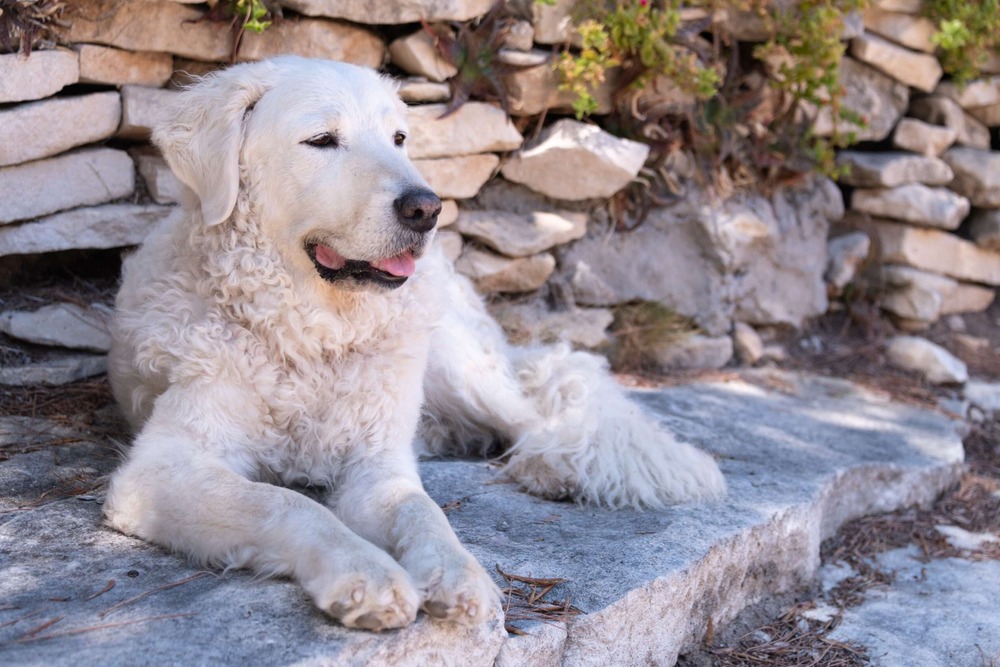
Kuvaszok are large, athletic dogs with a distinctive white coat. Breed standards describe the coat as a wavy double coat, and the accepted colour is white, with ivory permitted in some standards.1, 3 That pale coat was not just about looks. It also helped the dog blend with stock, and it offers weather protection, particularly in cold conditions.
Adult size is substantial. The FCI standard lists height at the withers as 71 to 76 cm for males and 66 to 70 cm for females, with corresponding weight ranges that reflect a powerful, working build.1 If you are meeting a Kuvasz for the first time, the impression is often “big”, but the movement can be surprisingly light and efficient for the size.
It is also worth noting that “white” does not mean delicate. The coat is designed to cope with outdoor life, and the skin is typically well pigmented in the standards, which is part of overall soundness for the breed.1, 3
Temperament and behaviour, loyal, watchful, independent
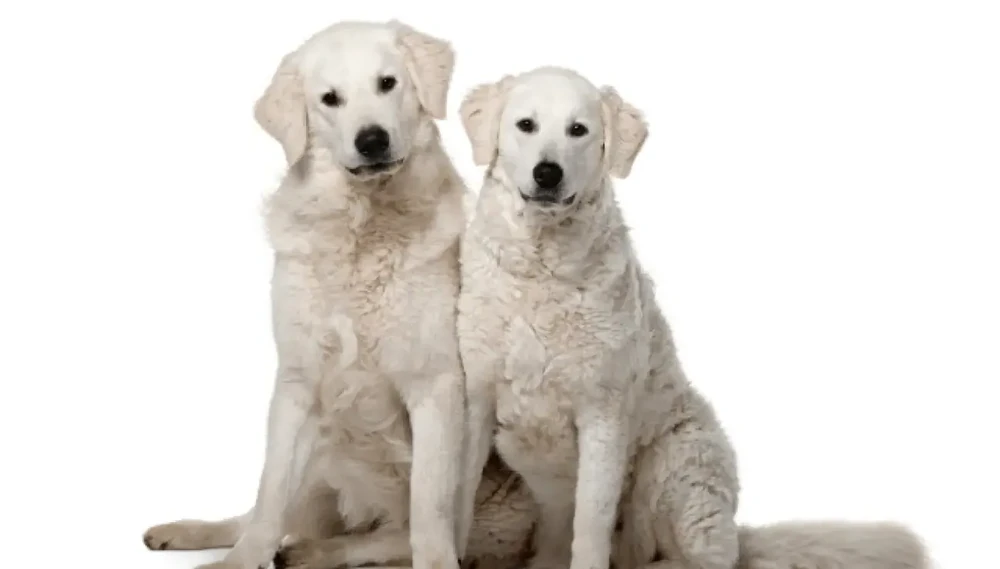
If you live with a Kuvasz, you often notice how quickly they map the world. Many are reserved with strangers and more demonstrative with their own people, which fits a guardian breed profile.4 This is not the same as being “aggressive”, but it does mean early experiences and ongoing management matter.
They also tend to have a strong sense of territory. In a suburban setting, that can look like alert barking at unusual noises, monitoring fences, or placing themselves between the family and visitors until they decide the situation is safe. Owners sometimes misread this as stubbornness, when it is often a dog doing what it was bred to do: assess, then act.
With children, the Kuvasz can be steady, but size and strength change the safety equation. Supervision is sensible, especially with visiting kids, noisy games, or rough play. With other pets, outcomes vary. A well-raised Kuvasz can live peacefully with other animals, but early, structured introductions and careful reinforcement are far more reliable than hoping instinct will do the job.
Training and socialisation that actually suits a guardian breed
Kuvaszok are intelligent, but not typically “happy to repeat drills” dogs. Training tends to go best when it is calm, consistent, and practical, teaching the dog what happens in the real household: how to greet, where to rest, when to disengage, and what is expected at doors and gates.
Socialisation is often misunderstood as “meeting lots of people”. A better aim is controlled exposure that helps a young dog learn that the world is predictable and safe. The RSPCA describes a critical socialisation period in puppyhood and emphasises positive experiences early, including a wide variety of sights, sounds, surfaces, people, and other animals.5
For a Kuvasz, that positive framing matters because a cautious dog that feels pressured can become more avoidant or more reactive. Reward-based training and well-run puppy classes can be useful, particularly if they focus on skills like settling, recall foundations, handling tolerance, and neutral behaviour around strangers rather than forced greetings.5
Exercise and mental work
Most Kuvaszok need daily exercise, but the goal is not to “wear them out” with endless running. Long walks, sniffing time, controlled off-lead play in secure areas, and simple problem-solving games often suit them better than chaotic dog-park sessions.
- Movement with purpose, such as steady walks and hikes.
- Training that builds life skills, including calm door routines and a reliable recall.
- Quiet enrichment, such as scent games and food puzzles.
Health considerations and lifespan
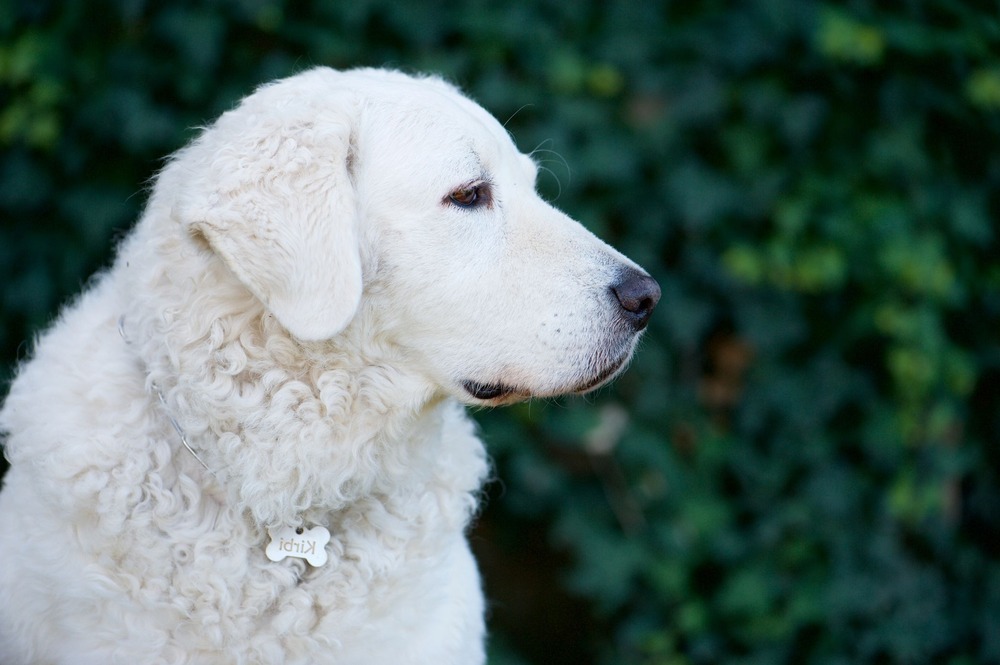
The typical lifespan often quoted for the breed is around 10 to 12 years, which is common for large dogs.4 Like many large breeds, orthopedic issues such as hip dysplasia are a recognised concern. The practical takeaway is to look for breeders who health test appropriately, and to keep a growing dog lean and sensibly exercised rather than overworked on hard surfaces.
Another health topic worth mentioning for deep-chested, large dogs is gastric dilatation-volvulus (GDV), sometimes called bloat. It is complex and not caused by one single factor, but feeding routines and management can reduce risk. Guidance from veterinary sources commonly includes feeding multiple smaller meals and avoiding strenuous exercise around mealtimes.6, 7 If you are choosing a large-breed puppy, it is also worth asking your vet whether prophylactic gastropexy is something to consider for your individual dog and circumstances.7
Grooming and coat care without overdoing it
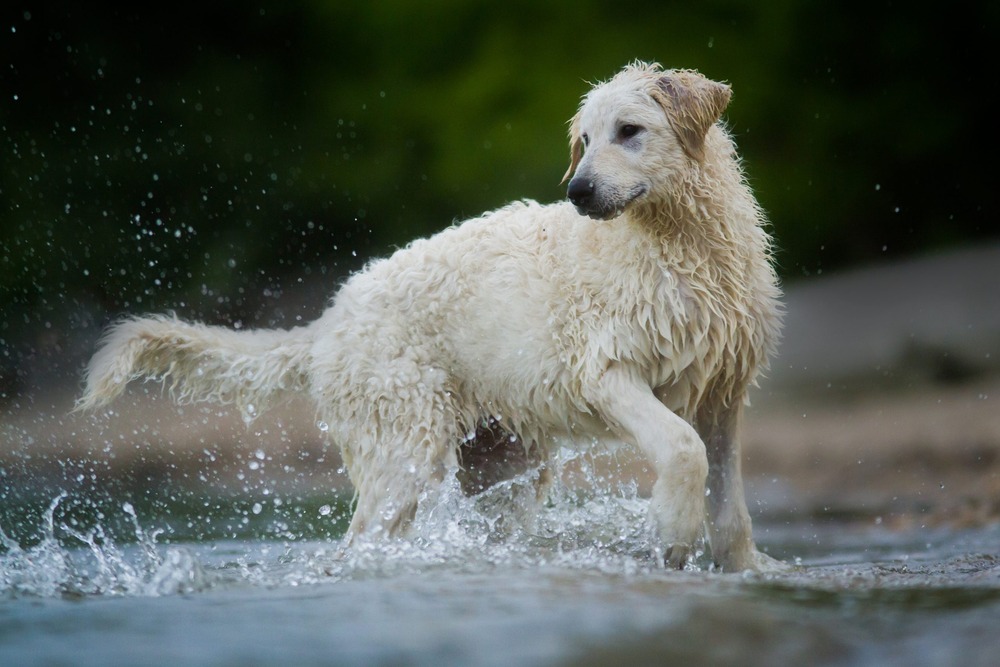
The Kuvasz coat looks high-maintenance, but it is often more manageable than people expect if you keep up a steady routine. The double coat is described in standards as wavy and not prone to heavy matting when cared for, though any long-coated dog can tangle if neglected.1, 3
A good pattern for many households is a thorough brush a couple of times a week, then more frequent brushing during seasonal shedding. Focus on friction areas, behind ears, ruff, feathering, and tail. Bathing is usually occasional, and it helps to rinse well and dry properly to reduce skin irritation.
Grooming is also a quiet chance to notice changes. Check paws, ears, and skin, and use the time to build handling tolerance so vet visits and home care stay low-stress for everyone.
Food and weight, keeping a big dog comfortably lean
There is no single perfect diet for every Kuvasz, but there is a consistent principle: condition matters more than the number on the scales. Large guardian breeds can carry extra weight easily, and that can quietly increase strain on joints over time.
The World Small Animal Veterinary Association (WSAVA) provides tools for assessing body condition and encourages regular nutritional assessment as part of routine care.8 In practical terms, you want a dog that has a visible waist from above and you can feel the ribs with light pressure, without them being sharply prominent.
If your Kuvasz eats fast, consider slow-feeding options. If GDV risk is a concern, discuss feeding routines and timing of exercise with your vet. Evidence-based guidance commonly supports two to three smaller meals rather than one very large meal for at-risk dogs.6, 7
Is a Kuvasz a good fit for your home?
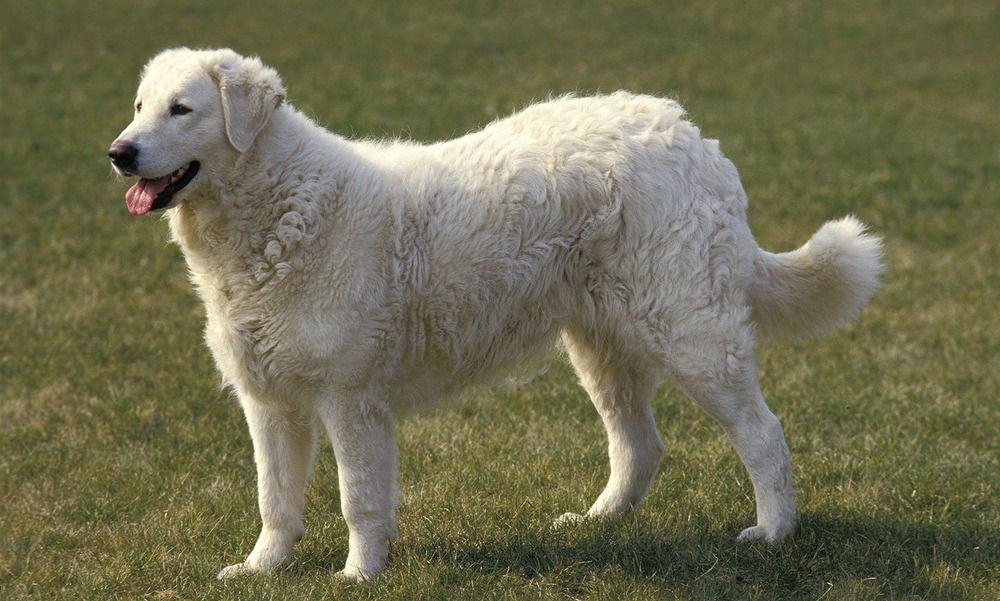
The Kuvasz tends to suit people who appreciate a thoughtful, self-directed dog and are comfortable putting foundations in place early. They are often at their best with secure fencing, predictable routines, and owners who train with clarity rather than force.
They are usually not ideal for apartment life, not because they need constant running, but because their guard instincts can make close-quarters living harder. Neighbours, hallways, lifts, shared entrances, and frequent visitors can create a steady stream of “things to assess” for a dog that takes its role seriously.
If you are drawn to the breed, it can help to spend time with adult Kuvaszok, not just puppies. The adult temperament is the real story. When it fits, you get a dog with presence, steadiness, and a strong sense of home.
References
- FCI Kuvasz standard (Kuvasz World summary of FCI Standard No. 54)
- Kuvasz (overview of history and breed background)
- The Kennel Club breed standard: Hungarian Kuvasz
- Royal Canin Australia: Kuvasz breed information
- RSPCA Knowledgebase: Is socialising my puppy important?
- American Animal Hospital Association (AAHA): Understanding canine bloat (GDV)
- Cornell University College of Veterinary Medicine: Gastric dilatation-volvulus (GDV) or bloat
- WSAVA: Global Nutrition Guidelines