


- Breed category: Companion dog
- Country of origin: United States
- Typical height: 23 to 30 cm (9 to 12 inches)
- Typical weight: 4.5 to 6.8 kg (10 to 15 pounds)
- Typical lifespan: 12 to 15 years
- Coat type: Long, silky
- Shedding level: Often low, but not truly non-shedding
- Grooming needs: Regular brushing, plus coat and face tidying
- Exercise needs: Moderate daily movement and play
- Temperament (general): Companionable, lively, people-focused
- Common health watch-outs: Dental disease risk in small dogs, possible patellar luxation
- Apartment suitability: Usually a good fit with daily routines
People often come across the Kyi-Leo because they have met a small, long-coated dog that looks a bit like a Maltese, a bit like a Lhasa Apso, and then realise the name on the vet record is something else entirely. Sometimes it is a breeder listing, sometimes it is an adoption profile, and sometimes it is simply that feeling of, “I know what this dog resembles, but what is it actually?”
With rare companion breeds, it can be tempting to assume the differences are mostly cosmetic, a name for a particular look. In practice, the useful questions are more everyday: how much grooming becomes part of life, what kind of training keeps barking and clinginess in check, and which health issues are worth budgeting for early.
The Kyi-Leo sits in that real-world space between a crossbred beginning and a more defined “type”, shaped by a small community of enthusiasts over time. Understanding the story and the care helps you decide whether this is a good match for your household, not just whether you like the coat.
Origins and how the Kyi-Leo became a recognised type

Most accounts place the Kyi-Leo’s beginnings in California in the 1950s, following an accidental mating between a Maltese and a Lhasa Apso. From there, a small group of owners and breeders took an interest in keeping the look and temperament consistent, rather than repeating one-off litters. One name that appears repeatedly in breed histories is Harriet Linn, who is credited with developing the dogs more deliberately from the mid 1960s onwards, and with helping move the Kyi-Leo from “interesting mix” towards a stable companion breed type.1, 2
The name is usually explained as a blend of “Kyi” (often described as Tibetan for “dog”) and “Leo” (Latin for “lion”), nodding to the Lhasa Apso’s heritage and the Maltese’s long-standing “lion dog” nickname in popular writing about the breed’s past.2
It is also worth knowing what the Kyi-Leo is not. It is not an FCI-recognised breed, and it is not widely seen in large kennel club systems in the way many owners are used to. Some sources describe recognition through rare-breed registries in the United States, which can be meaningful in those communities, but does not carry the same implications as mainstream kennel club recognition.2, 3
Appearance and coat, what you actually live with

Kyi-Leos are small dogs, commonly described in the 20 to 30 cm height range, with a long, silky coat and a tail that often curls over the back. Colours can vary, including black and white combinations as well as tan or gold tones.1
The coat is where day-to-day reality shows up. A long, fine coat tends to mat where there is friction: behind the ears, under the collar, in the armpits, and where the legs meet the body. Even if a Kyi-Leo is “low shedding”, that does not automatically mean low maintenance. Mats are a welfare issue, not just a cosmetic one, and the easiest time to prevent them is before they start tightening against the skin.4, 5
Many households find it more practical to keep a shorter trim, especially if the dog is regularly outdoors, lives with children, or dislikes long grooming sessions. That choice is not a failure, it is simply matching the coat to your lifestyle and your dog’s tolerance for handling.4
Temperament and family fit

Kyi-Leos are generally described as friendly, playful, and affectionate, with a strong “companion dog” orientation. In many homes that translates to a dog that wants to be near people and will often follow routines closely, settling when the household settles and brightening when things get active.1
In family settings, the main variable is usually not whether the dog “likes” children, but whether children can reliably handle a small dog safely and gently. Small dogs can be injured by falls, rough lifting, or being stepped on, and they may respond by avoiding contact or becoming noisy and defensive. Supervised interaction matters, particularly during the first months as everyone learns one another’s boundaries.
With other pets, outcomes are often best when introductions are calm and structured, and when the Kyi-Leo is socialised early. Many individuals live well with other dogs, and sometimes with cats, but the sensible approach is to treat this as individual temperament rather than a guarantee.
Training and exercise that suits a small companion dog
Most Kyi-Leos do well with reward-based training, short sessions, and consistent expectations. They are small enough that unwanted behaviour can be accidentally reinforced, for example being picked up when they bark, or receiving attention for fussing. That does not mean the dog is “manipulative”, it just means dogs repeat what works.
In practical terms, the training that tends to make the biggest difference is often the least glamorous: a reliable recall inside the home, calm greetings, and a simple settle-on-mat. Build calm as a skill, not just obedience, and the dog usually becomes easier to live with in a wider range of places.
Exercise needs are typically moderate. A couple of short walks, plus sniffing, play, and a bit of problem-solving at home will suit many Kyi-Leos. If you notice restlessness or persistent barking, it can help to look at two things together: whether the dog is under-stimulated, and whether the dog has learned that noise brings attention. Either can be true, and the solution changes depending on which pattern you are seeing.
Health and preventative care

Kyi-Leos are often described as living around 12 to 15 years, which is consistent with many small companion dogs when well cared for.1
Two issues come up repeatedly in small breeds and small-breed mixes: knees and teeth. Patellar luxation, where the kneecap slips out of place, is a common orthopaedic condition in small dogs. Owners often describe a “skipping” step, an intermittent hop, or a hind leg that seems to flick up briefly and then return to normal. Some cases are mild and managed conservatively, while others may need surgical correction, particularly if lameness becomes persistent or arthritis develops.6, 7
Dental disease is another very common theme in small dogs. Tight mouths and crowded teeth can make plaque and tartar build-up easier, and once gum disease progresses it can become painful and expensive to treat. Start tooth care early, even if you only manage a few times a week at first, and ask your vet what “normal” looks like for your dog’s mouth at each check-up.8
- Routine checks: annual vet visits (more often for seniors) help catch dental issues, joint pain, and weight creep early.
- Weight management: keeping a small dog lean can reduce strain on joints and may make day-to-day movement easier if knees are a concern.6
- Grooming as a health habit: regular brushing makes it easier to spot skin irritation, parasites, ear debris, and sore spots before they become bigger problems.4, 5
Feeding and everyday nutrition
Most Kyi-Leos will do well on a high-quality diet designed for small dogs, matched to life stage, activity level, and any vet-identified needs. The most important nutritional “skill” for many companion dogs is not finding a perfect food, but keeping portions consistent and treats accounted for.
If you like sharing people food, keep it predictable and safe. Some foods are genuinely risky for dogs, and the smaller the dog, the less room there is for “only a little bit”. Know the high-risk foods, including chocolate, grapes and raisins, and onions and other alliums such as garlic, leeks, and chives.9, 10
Final thoughts on living with a Kyi-Leo
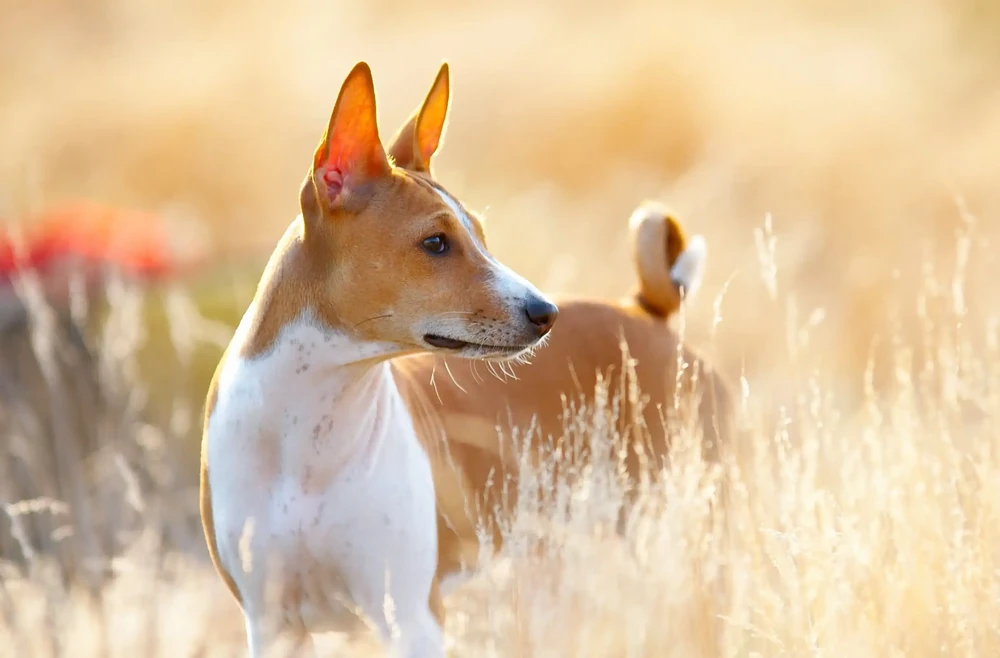
The Kyi-Leo tends to suit people who genuinely want a companion dog, not just a small dog. They often thrive when they are included in daily life, given gentle structure, and kept comfortable through coat care and basic training.
If you are considering one, it helps to be honest about what you can sustain. Grooming is part of the deal with a long coat, and preventative health habits, especially teeth care and attention to mobility, pay off over the years. When those pieces are in place, many Kyi-Leos settle into the kind of easy, bright presence that makes small companion dogs so loved.
References
- Continental Kennel Club: Kyi Leo (breed information)
- Wag Walking: Kyi-Leo (breed history overview)
- American Rare Breed Association (overview)
- American Kennel Club: Lhasa Apso care, grooming, and training notes
- PetMD: Lhasa Apso grooming guide (coat and eye care)
- Cornell University College of Veterinary Medicine: Patellar luxation in dogs
- American College of Veterinary Surgeons: Patellar luxation (kneecap dislocation)
- Veterinary Oral Health Council: Accepted dental products for pets
- ASPCA: People foods to avoid feeding pets
- Dogs Trust: Toxic foods for dogs