

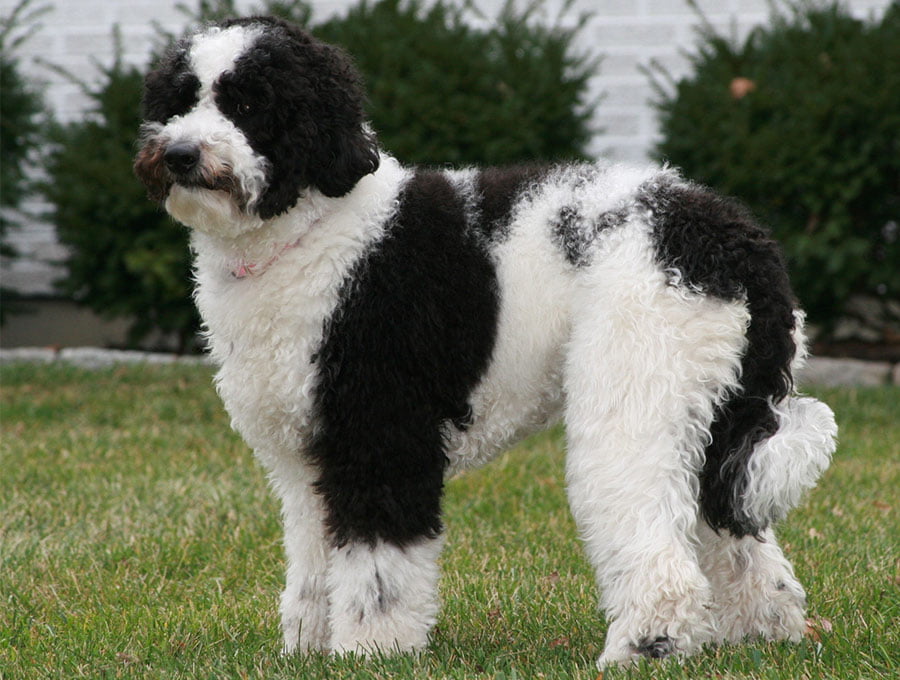
People usually start looking up Labradoodles after noticing a pattern: the friendly dog at the park that seems to cope well with family life, the curly coat that does not leave much hair on the couch, or the breeder ads that promise an “allergy-friendly” companion. Then the questions follow. Are they actually low shedding? Do they suit kids? Are they easy to train, or just clever in a way that makes them busier?
Part of the confusion is that “Labradoodle” describes a cross, not a single, consistent breed standard. That means coat, size, energy, and even the amount of grooming needed can vary more than many first-time owners expect. Knowing what varies, and why, is what helps you choose well, and care well.
Done thoughtfully, a Labradoodle can be a wonderful match for people who want a sociable, trainable dog with an active streak. Done on autopilot, the same traits can turn into frustration: tangles that become painful mats, a bright dog who invents their own hobbies, or a family surprised by how much exercise and structure is really needed.
At-a-glance profile
Breed category: Designer cross (Labrador Retriever x Poodle)
Country of origin: Australia (first intentionally developed for guide work in the late 1980s)1
Typical height: varies, often around 51 to 63 cm at the shoulder (depending on the Poodle parent size)
Typical weight: varies, often around 21 to 30 kg
Typical lifespan: around 12 to 15 years8
Coat: can be fleece, wool, or hair (with different shedding and grooming needs)2
Exercise needs: generally moderate to high, plus mental enrichment
Best suited to: households that can offer training, daily activity, and regular coat care
History and origin
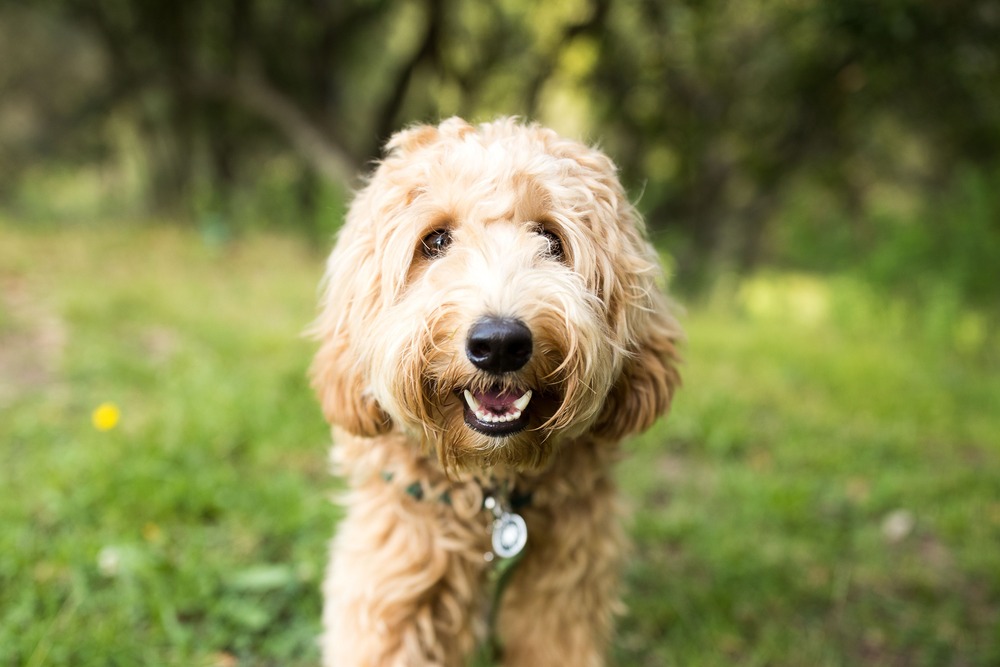
The modern Labradoodle story is usually traced to Australia in the late 1980s, when the cross was developed in a guide dog context. The goal was practical: combine the Labrador’s trainability and steadiness with a Poodle-type coat that might suit some people with allergies.1
That origin story matters because it explains both the appeal and the ongoing debates. Labradoodles can be excellent working and family dogs, but as popularity grew, breeding quality became variable. Predictability is not guaranteed in a cross, especially across different generations and breeding goals.1
Physical characteristics
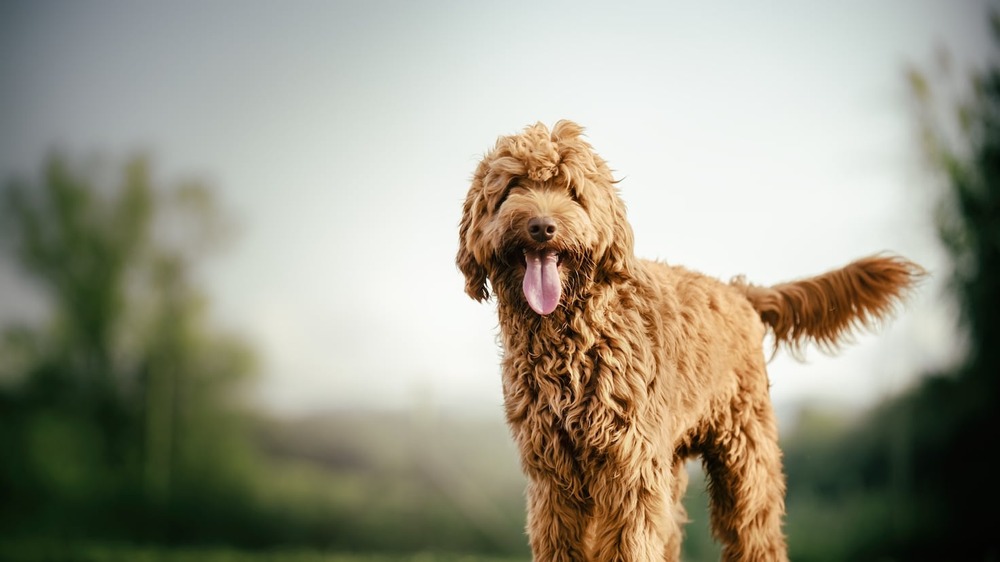
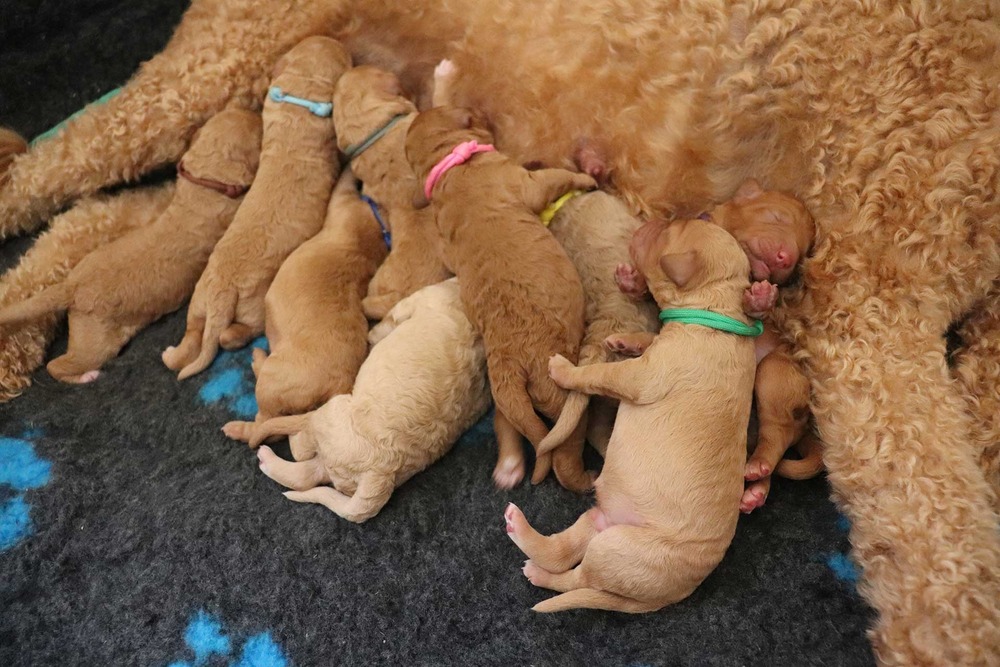
Labradoodles can be compact or quite substantial, largely depending on whether the Poodle parent is miniature, medium, or standard. Even within the same litter, you can see differences in build and coat texture. It is one reason a reputable breeder will talk in probabilities, not promises.
Coats are often described in three broad types: fleece, wool, and hair. Fleece and wool coats are commonly promoted as more “allergy friendly”, while hair coats tend to shed more and can carry that more typical doggy smell.2
Colours vary widely and can include cream, gold, chocolate, black, and combinations. Coat can also change from puppy to adult, which is worth factoring in if you are choosing a pup based on early fluff alone.2
Temperament and behaviour
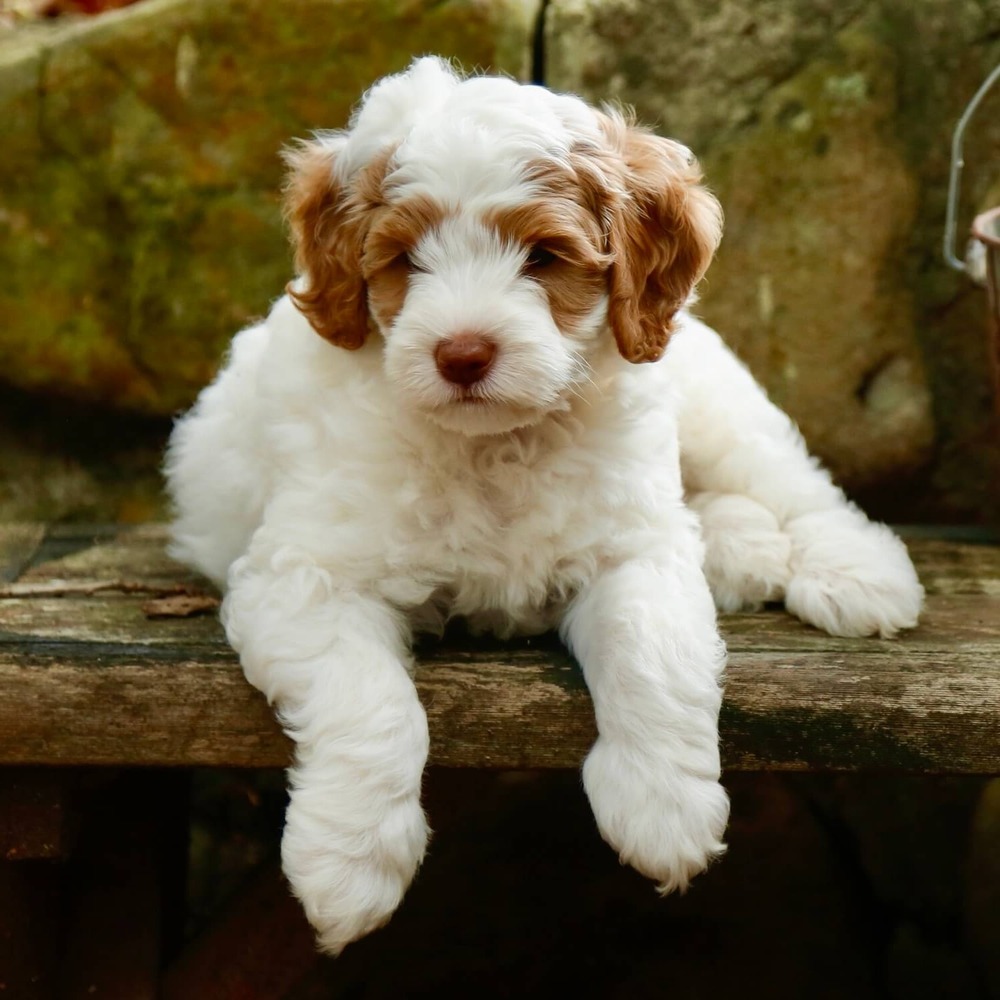
Most people are drawn to Labradoodles for the social side of the dog: they often enjoy being near their people, joining in, and learning quickly. That can look like “easy”, but in day-to-day life it is more accurate to say they often do best with engagement and routine.
It helps to think of them as a dog who notices everything. With thoughtful training, that awareness becomes a strength. Without it, you can get busy behaviours like jumping up, demand barking, or chewing, especially in adolescence when the brain is there but impulse control is still catching up.
If you are hoping for a calm companion, look for stable, sociable parents and a breeder who prioritises temperament testing and early puppy handling, not just coat type and colour.
Training and exercise needs
Training tends to go well when it is steady, reward-based, and built into normal life. A Labradoodle who gets regular practice with loose-lead walking, calm greetings, and being left alone for short periods is usually easier to live with than a dog trained only in weekend “sessions”.
Early socialisation matters, but it does not mean overwhelming a puppy with constant novelty. Aim for a calm, positive introduction to the things they will realistically encounter, such as grooming tools, car rides, kids on scooters, visitors, and being handled around ears and paws.
Most Labradoodles need daily movement plus mental work. Useful options include:
- Sniff walks (letting the dog explore at their pace)
- Fetch in moderation, with breaks to prevent over-arousal
- Basic obedience games and trick training
- Food puzzles and scatter feeding in the yard
Grooming and maintenance

Coat care is where many owners get surprised, not because Labradoodles are “high maintenance” in a fussy way, but because mats can form quietly and then become uncomfortable fast. A coat that feels soft on top can still tangle close to the skin, particularly behind ears, in armpits, and around the collar area.
As a baseline, plan for regular brushing, routine comb checks to the skin, and professional grooming as needed for your dog’s coat type and lifestyle. If your Labradoodle has a fleece or wool coat, skipping grooming is not neutral, it often leads to matting and a much shorter clip later.2
It is also worth holding the “low shedding” idea lightly. Some Labradoodles shed very little, others more. Hair coats can shed in varying degrees, and any coat can drop more during seasonal change or hormonal shifts.2
Health and lifespan
Like many medium to large, active dogs, Labradoodles can be affected by issues seen in their parent breeds, including joint disease (such as hip dysplasia) and inherited eye conditions. A good breeder will discuss health screening, and may use genetic testing to reduce the risk of particular inherited eye diseases that occur in Poodles and Poodle crosses.3, 4
Eye disease is a useful example of nuance. Some forms of progressive retinal atrophy (PRA) can be screened with DNA tests, but a negative test does not rule out all causes because not every form has a known variant. This is why veterinary eye exams and careful breeding choices still matter.5
Lifespan is often quoted around 12 to 15 years, but the practical focus is quality of life. Keeping your dog lean is one of the simplest ways to support joints and overall health. If you are unsure, your vet can assess body condition score and help you set a realistic target.6, 8
Diet and nutrition
A Labradoodle diet does not need to be trendy. It needs to be complete, appropriate to life stage, and matched to activity level. For many households, the hardest part is not choosing a food, it is managing extras, treats, and portion creep over time.
If you are comparing foods, it can help to use a structured checklist rather than relying on marketing or the ingredient list alone. The WSAVA nutrition guidelines provide a practical framework for evaluating pet foods and labels, and they are widely used by veterinary teams.7
Also be careful with “sharing” human food. Several common items are unsafe for dogs, including chocolate, grapes and raisins, onions and garlic, and cooked bones that can splinter. Keep these out of reach and be cautious with visitors who like to sneak treats.9, 10
Choosing a Labradoodle responsibly
Because Labradoodles vary, choosing responsibly is less about finding a perfect description online, and more about matching a real dog to your real routine. Ask to meet the parents where possible, ask how pups are raised, and ask what happens if the match is not right.
It is also worth being clear-eyed about allergy claims. Some people do better with certain coat types, but no dog is truly hypoallergenic, and individual responses vary. If allergies are a concern, a careful trial with the specific dog, guided by medical advice, is often more useful than relying on a label.2
Final thoughts
A Labradoodle can be an excellent companion if you like an interactive, people-oriented dog and you can commit to training, daily activity, and coat care. They tend to thrive when they are included in life, not simply kept busy, and when their grooming and exercise are treated as routine, not occasional chores.
The best Labradoodle is the one that fits: your household energy, your time for grooming, your tolerance for adolescent chaos, and your willingness to teach the skills that make a sociable dog feel safe and settled.
References
- Wikipedia: Labradoodle (Origins and breeding history)
- Australian Labradoodle Association: Labradoodle coat types
- UC Davis Veterinary Genetics Laboratory: Progressive Rod-Cone Degeneration (PRA-prcd)
- UC Davis Veterinary Genetics Laboratory: Progressive Retinal Atrophy (rcd4-PRA)
- Cornell University College of Veterinary Medicine: Progressive retinal atrophy
- RSPCA Australia Knowledgebase: How do I tell if my dog is overweight?
- WSAVA: Global Nutrition Guidelines
- RSPCA Australia Knowledgebase: How long do dogs live?
- Agriculture Victoria: Human foods to avoid for cats and dogs
- RSPCA Australia: Household dangers to your pet