


You usually meet a Labrador Retriever in the small, ordinary moments: a dog who leans into greetings, carries toys from room to room, and somehow still has energy left for one more throw of the ball. They are often described as “easy” dogs, which can be true in the best sense. They tend to cope well with people, bustle, and change, especially when they have the basics in place.
What catches many owners off guard is that a Labrador’s calmness is often built, not automatic. Without enough movement, enrichment and steady boundaries, that friendly enthusiasm can tip into jumping, mouthing, pulling on lead, or a dog who seems endlessly hungry and hard to satisfy. None of this means a Labrador is “naughty”. It usually means the dog is doing exactly what it was bred to do, stay busy, use its nose and mouth, and work alongside people.
Understanding the breed through that lens makes day-to-day care feel less mysterious. The Labrador’s body, coat, appetite, and temperament all connect back to its history as a tough, biddable retriever, shaped for water and partnership.
At a glance
Breed category: Gundog (retriever)
- Origin: Newfoundland, Canada, later developed in the United Kingdom3
- Typical height (ANKC ideal): dogs 56 to 57 cm at withers, bitches 55 to 56 cm1
- Typical weight range: roughly 25 to 36 kg (varies by sex and type)7
- Coat: short, dense, weather-resistant double coat1
- Colours: black, yellow, liver (chocolate); small white spot on chest can occur1
- Life expectancy: commonly around 10 to 12 years4
History and origin

The Labrador Retriever’s story begins in Newfoundland, where dogs were used to help with fishing work, including retrieving gear from cold water. Those “St John’s dogs” were later taken to Britain, where the breed was refined into the Labrador we recognise today.3
That working background still shows up in modern Labradors. Many have a strong desire to carry things, a real comfort in water, and a steady, practical kind of confidence that comes from generations of being selected for cooperation with people.
If you have ever wondered why Labradors can seem so “mouthy” as youngsters, it helps to remember their original job: pick things up, bring them back, repeat. With good guidance, this becomes one of the breed’s most useful traits.
Physical characteristics
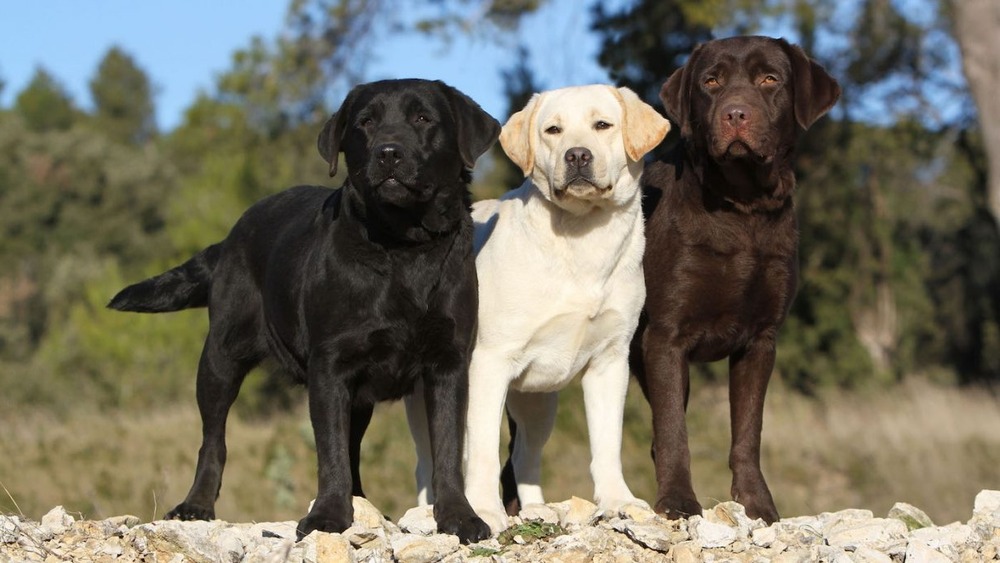
A Labrador is a strongly built, athletic dog with a short, dense coat designed to cope with wet conditions. In Australia, the ANKC breed standard describes the coat as a distinctive feature, short and dense with a weather-resistant undercoat.1
Breed standards focus on an “ideal” height, but pet Labradors vary in shape and size. You will often see a difference between dogs from working lines and dogs from show lines, with many pet Labradors sitting somewhere between the two.7
Two classic features are worth noticing:
- “Otter” tail, thick at the base and used like a rudder when swimming1
- Webbed feet, which help with efficient movement in water4
Colour-wise, the accepted colours are black, yellow, and liver (chocolate). Yellow can range from very pale cream through to deeper shades, including fox red tones.1
Temperament and behaviour

Labradors are widely loved because they tend to be social, biddable and people-focused. Many are quick learners, and they often enjoy training because it gives them a clear job and a reliable way to earn rewards.4
It is still worth holding the breed gently in your mind, not as a personality guarantee, but as a set of tendencies. A Labrador puppy who does not get enough practice being calm can grow into an adult who is friendly but overwhelming, especially for visitors, small children, or older relatives.
In day-to-day life, Labradors often do best with:
- Predictable boundaries, taught kindly and consistently
- Plenty of appropriate chewing and carrying outlets
- Early, thoughtful social exposure that prioritises calm experiences over “meeting everyone”
Training and exercise needs
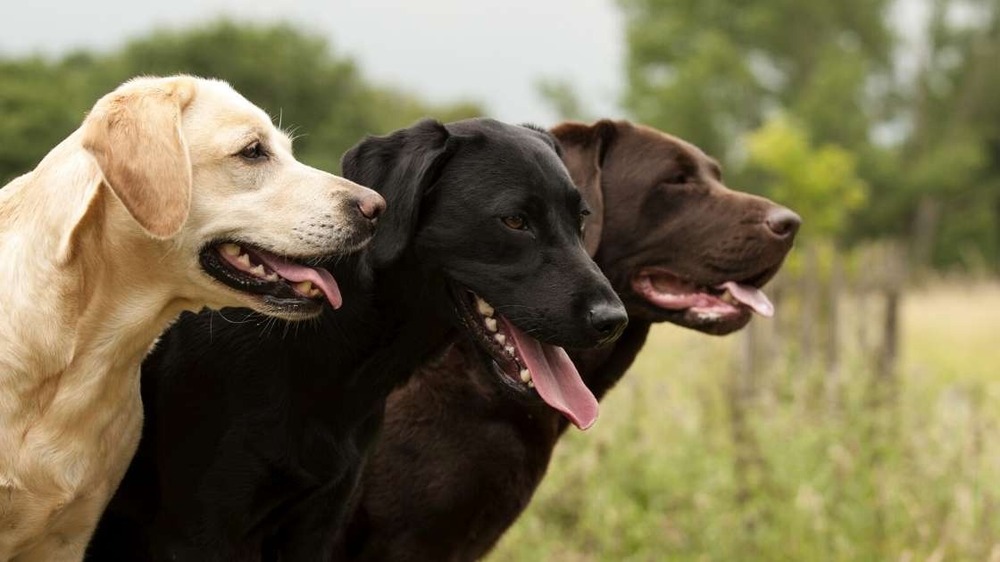
A Labrador’s exercise needs are real, but it is not only about wearing them out. Most Labradors need a mix of movement, sniffing, problem-solving and training, otherwise they can start inventing their own activities, such as digging, chewing, counter-surfing, or pestering people for food.
Positive reinforcement training suits the breed well, especially when sessions are short and frequent. Labradors often respond beautifully to rewards, which can be food, a tug toy, or a quick game of retrieve. The practical aim is skills you can use daily, not perfect obedience in the abstract.
Activities many Labradors genuinely thrive on include:
- Retrieving games with clear rules (throw, return, swap)
- Swimming in safe locations
- Scent games, such as finding hidden treats or toys
- Structured walking that includes sniff breaks and training moments
Health and lifespan
Labradors commonly live around 10 to 12 years, although individual lifespan varies with genetics, body condition, and overall care.4
Like many medium to large breeds, Labradors can be prone to orthopaedic issues such as hip and elbow dysplasia. They can also be vulnerable to weight gain, which matters because extra body fat can worsen joint stress and make exercise less comfortable over time.8
If there is one health habit that pays off in this breed, it is keeping a close eye on body condition. Instead of relying on the numbers on the scales alone, many vets use a Body Condition Score system, which looks at ribs, waist and abdominal tuck. The RSPCA describes practical visual and hands-on checks owners can use at home, and encourages discussing an ideal range with your vet.9
Preventative care for most Labradors includes routine vaccinations and parasite control, dental care, and regular veterinary checks. If you are buying a puppy, it is also sensible to ask breeders about health testing relevant to the breed and to keep documentation.
Grooming and maintenance
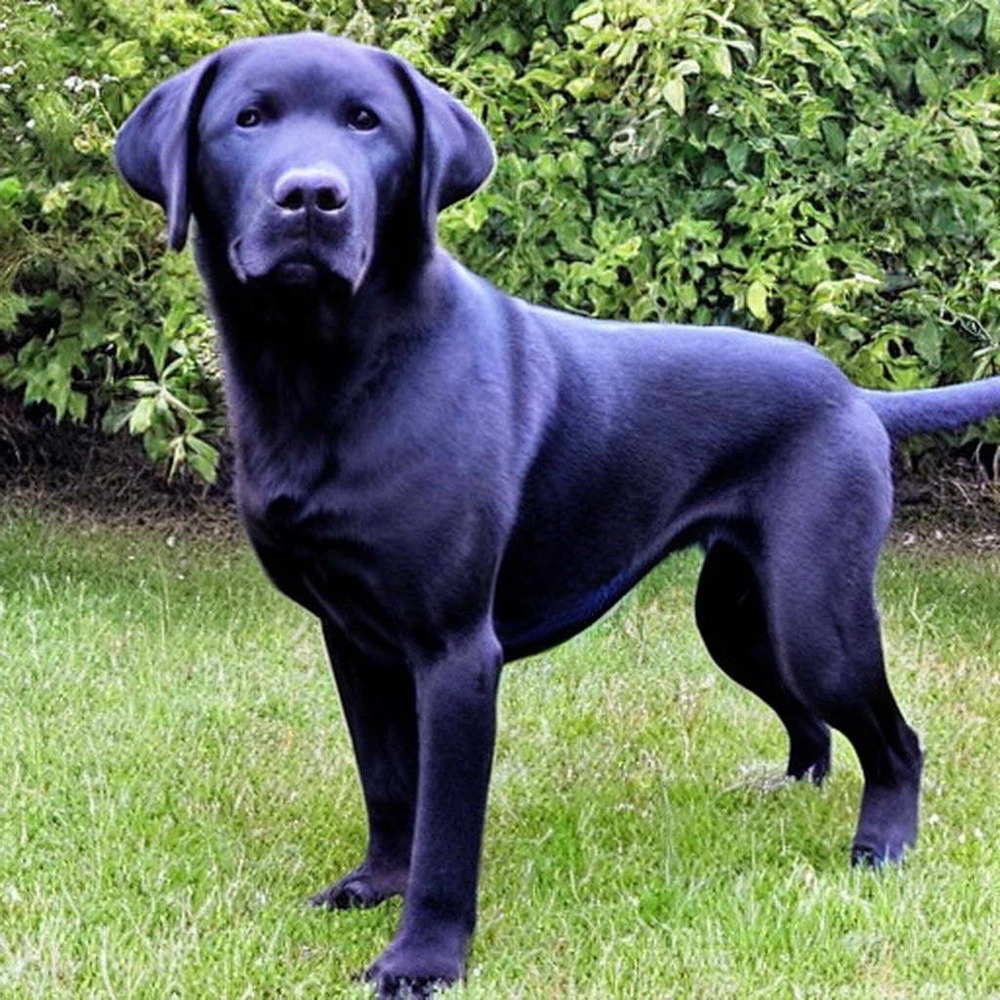
The Labrador coat looks simple, but it is designed to be functional: short, dense and double-coated. Weekly brushing suits many Labradors most of the year, with more frequent brushing during heavier seasonal shed periods.3
Bathing can be occasional, especially if your dog swims or loves mud. A gentle dog shampoo and thorough rinsing usually matter more than bathing often. Over-washing can dry the skin and coat.
Because Labradors often enjoy water and have floppy ears, it is worth checking ears regularly for redness, smell, or excess wax. If you notice irritation or repeated head shaking, a vet visit is the safest next step.
Diet and nutrition
Most Labrador feeding problems are not about “bad” owners. They are about a dog with a strong food drive living in a world full of snacks, generous portions, and well-meaning people who slip extras. Nutrition is also rarely one-size-fits-all. Age, activity level, desexing status and health conditions all affect what a Labrador should eat.
The World Small Animal Veterinary Association (WSAVA) encourages an individual nutrition plan and routine nutritional assessment as part of everyday veterinary care. This matters for Labradors because preventing obesity is often easier than reversing it once it is established.8
Simple, workable habits tend to help most:
- Measure meals rather than free-pouring
- Use part of the daily ration for training
- Keep treats small, and account for them
- Track weight and body condition with your vet when things start to creep up
Be cautious with human foods. Several common household ingredients are toxic to dogs, including chocolate and alliums such as onion and garlic.10
Living with a Labrador
Labradors can adapt to many homes, but they are rarely a “low-input” dog. If you are often away, or your household is already stretched thin, it helps to plan for support: dog walkers, day care, structured enrichment, and training help early on, before habits set like concrete.
They tend to do particularly well with people who enjoy routine. A Labrador who knows what happens in the morning, when exercise comes, and how to settle afterwards is often easier to live with than a dog who gets the same total exercise but in unpredictable bursts.
For many families, the real charm of the breed is that they can be both capable and gentle. With thoughtful training and good boundaries, a Labrador often becomes the sort of dog who can join in with the day, then switch off and rest nearby.
References
- Dogs Australia (ANKC). Labrador Retriever breed standard
- The Kennel Club (UK). Retriever (Labrador) breed information
- American Kennel Club (AKC). Labrador Retriever breed information
- Years.com. Labrador Owner’s Guide (summary of common size ranges and types)
- World Small Animal Veterinary Association (WSAVA). Global Nutrition Guidelines
- RSPCA Australia Knowledgebase. How do I tell if my dog is overweight?
- ABC News (Australia). Everyday foods that can poison your dog