

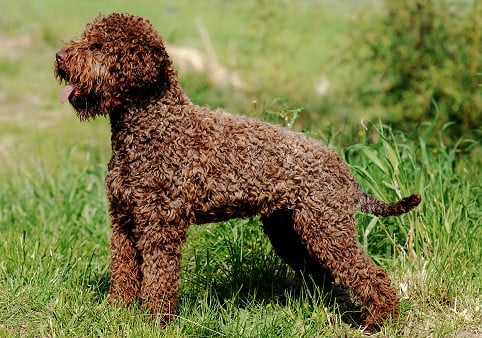
You usually meet a Lagotto Romagnolo in a fairly ordinary moment: someone at the dog park has a small, curly-coated dog that looks a bit like a teddy bear, and they mention it is “a truffle dog”. Or you are looking for a bright, people-oriented companion that does not leave much hair on the couch, and the Lagotto keeps appearing in your search results.
It helps to slow down with the assumptions. A low-shedding coat is not the same thing as a “no allergy” dog, and a truffle-hunting background does not automatically mean a dog that will happily entertain itself in the backyard. The Lagotto is a working breed at heart, and the most common challenges people run into are very practical: coat maintenance, boredom, and the kind of busy curiosity that can become digging, barking, or mischief if nothing else is on offer.
When the match is right, though, the Lagotto can be an unusually satisfying companion. They tend to enjoy training, they notice patterns quickly, and they often do best in homes that like having a dog with opinions, energy, and a job to do (even if that “job” is scent games in the garden).
At-a-glance breed profile
- Breed group: Gundog (often described as a water dog)
- Country of origin: Italy
- Typical height: Males 43 to 48 cm, females 41 to 46 cm1
- Typical weight: Males 13 to 16 kg, females 11 to 14 kg1
- Typical lifespan: Often around 15 years (many sources cite 12 to 15 years)2
- Coat: Curly, woolly, needs regular grooming, low-shedding for many households1, 2
- Originally bred for: Water retrieving, later specialised for truffle hunting2, 3
History and origin
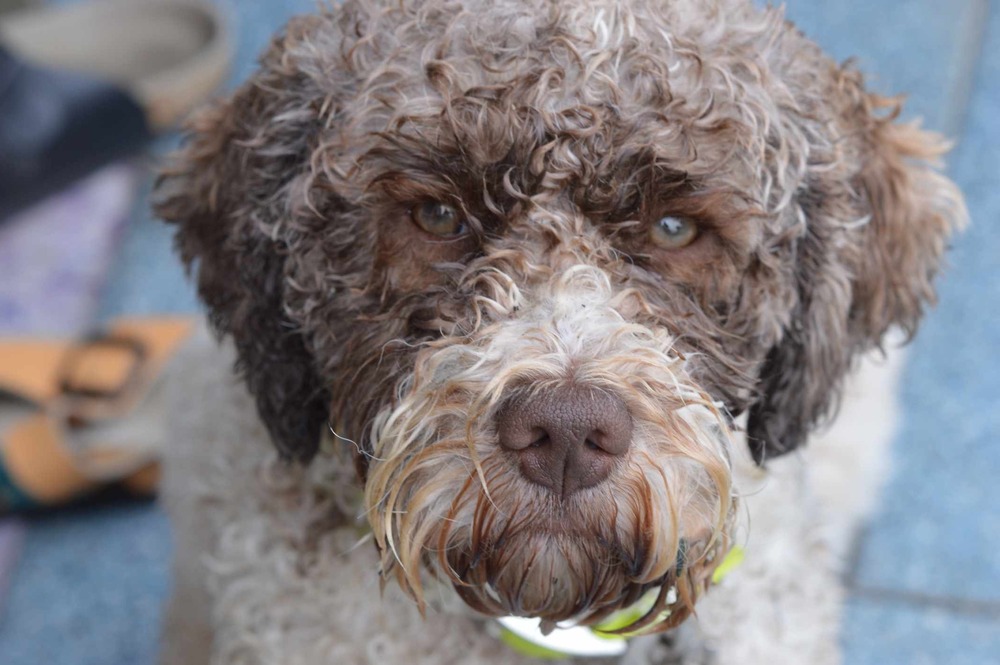
The Lagotto Romagnolo comes from northern Italy, particularly the Romagna area around the Po Delta wetlands. For generations, these dogs worked in marshy country as retrieving dogs, built to cope with cold water and long days outside.2, 3
As the wetlands were drained and land use changed across the 1800s and early 1900s, the breed’s work shifted. Lagotti became increasingly valued for truffle hunting, which suits a dog that likes to use its nose, persist with a search, and work closely with a handler.2, 3
In modern kennel club terms, the Lagotto Romagnolo was provisionally accepted by the FCI in 1995, with full recognition later granted in 2005.2 That formal recognition matters mostly because it helps standardise type and encourages health screening, not because it changes what living with one feels like day to day.
Physical characteristics that shape daily life
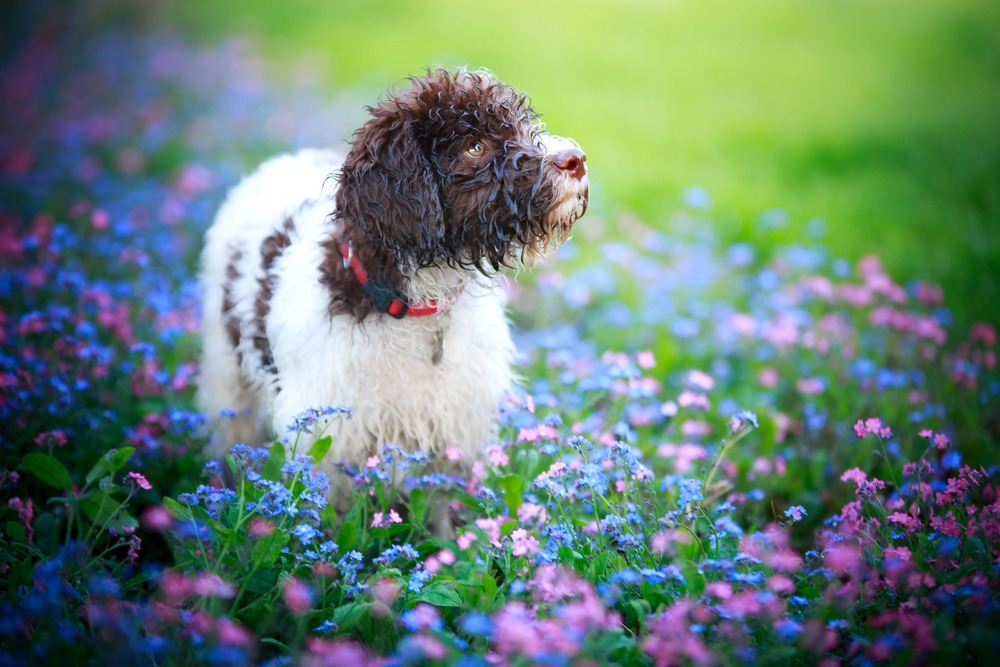
The Lagotto is small-to-medium, compact and athletic. Breed standards commonly describe males at 43 to 48 cm and females at 41 to 46 cm, with males typically 13 to 16 kg and females 11 to 14 kg.1 In real homes, that often translates to a dog that can join you on long walks and weekend adventures, but still fits comfortably into smaller living spaces if their exercise and training needs are met.
The coat is a defining feature: dense, woolly and tightly curled. It is often described as low shedding, but it is not maintenance-free. Matting is the main risk, especially behind the ears, in armpits, around the collar area, and anywhere harness straps rub.1
Colours vary, including off-white, brown, orange, and roan patterns. Breed standards also note that black is not accepted in many standard descriptions for the breed.1
Temperament and behaviour
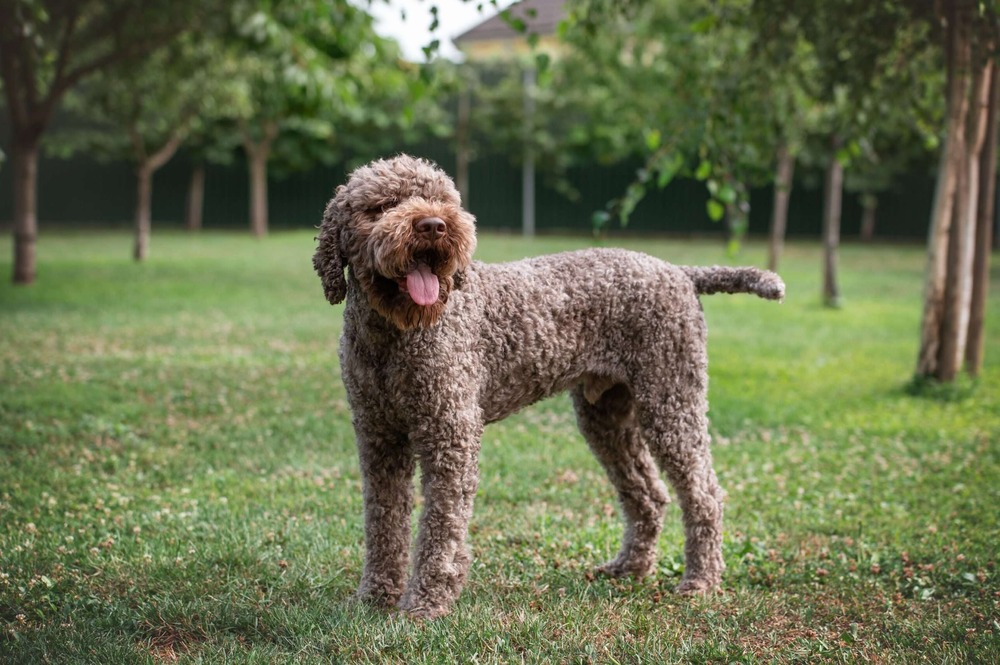
Lagotti are typically described as bright, people-focused dogs with a strong interest in scent and the environment. In practice, many owners find they are at their best when they have a steady rhythm of exercise, training, and time near their people, rather than being left to “figure it out” on their own.
A Lagotto often looks like a soft, cuddly companion, but their working heritage can show up as scanning, sniffing, and problem-solving. Mental work matters as much as walking. Without it, some dogs will create their own outlets, including digging, shredding, or pestering other pets.
With children and other animals, outcomes usually come down to socialisation, management, and the individual dog. Many do well in family homes, particularly when kids are coached to give the dog space during meals and rest, and when play stays calm enough that arousal does not tip into nipping or frantic bouncing.
Training and exercise needs

Lagotti tend to learn quickly, which is a gift and a responsibility. If you teach the behaviours you like (settling on a mat, coming when called, walking without pulling), they usually pick them up well. If you accidentally rehearse the behaviours you do not like (barking for attention, grabbing shoes, dragging you to every smell), they learn those just as efficiently.
Short, frequent training sessions suit this breed well. Food rewards, play, and access to sniffing time can all work, and many Lagotti enjoy shaping games, scent games, and trick training.
Exercise is not only about distance. A balanced day for many Lagotti includes:
- a walk that includes time to sniff (not just marching)
- a short training block (5 to 10 minutes)
- one “job”, such as hide-and-seek with treats, a scatter feed in grass, or beginner scent work
If you live in an apartment, it can work, but it works best when you plan for the dog’s day. Apartment-friendly does not mean low-needs, it simply means their size and adaptability can suit smaller spaces when their enrichment is consistent.
Health and lifespan
Many Lagotti live into their teens, with some sources commonly citing around 15 years as a typical lifespan figure.2 Like any breed, though, it is wise to think in terms of risk management rather than guarantees.
Conditions discussed in breed and veterinary contexts include hip dysplasia and some neurological disorders, including idiopathic epilepsy, as well as breed-associated genetic conditions that responsible breeders screen for.2, 4, 5 If you are buying a puppy, ask what testing has been done, and for documentation, not just verbal reassurance.
At home, the basics make a measurable difference: keeping your dog lean, building fitness gradually, and seeing your vet early if you notice changes in gait, repeated ear infections, or any seizure-like episodes.
Grooming and coat maintenance
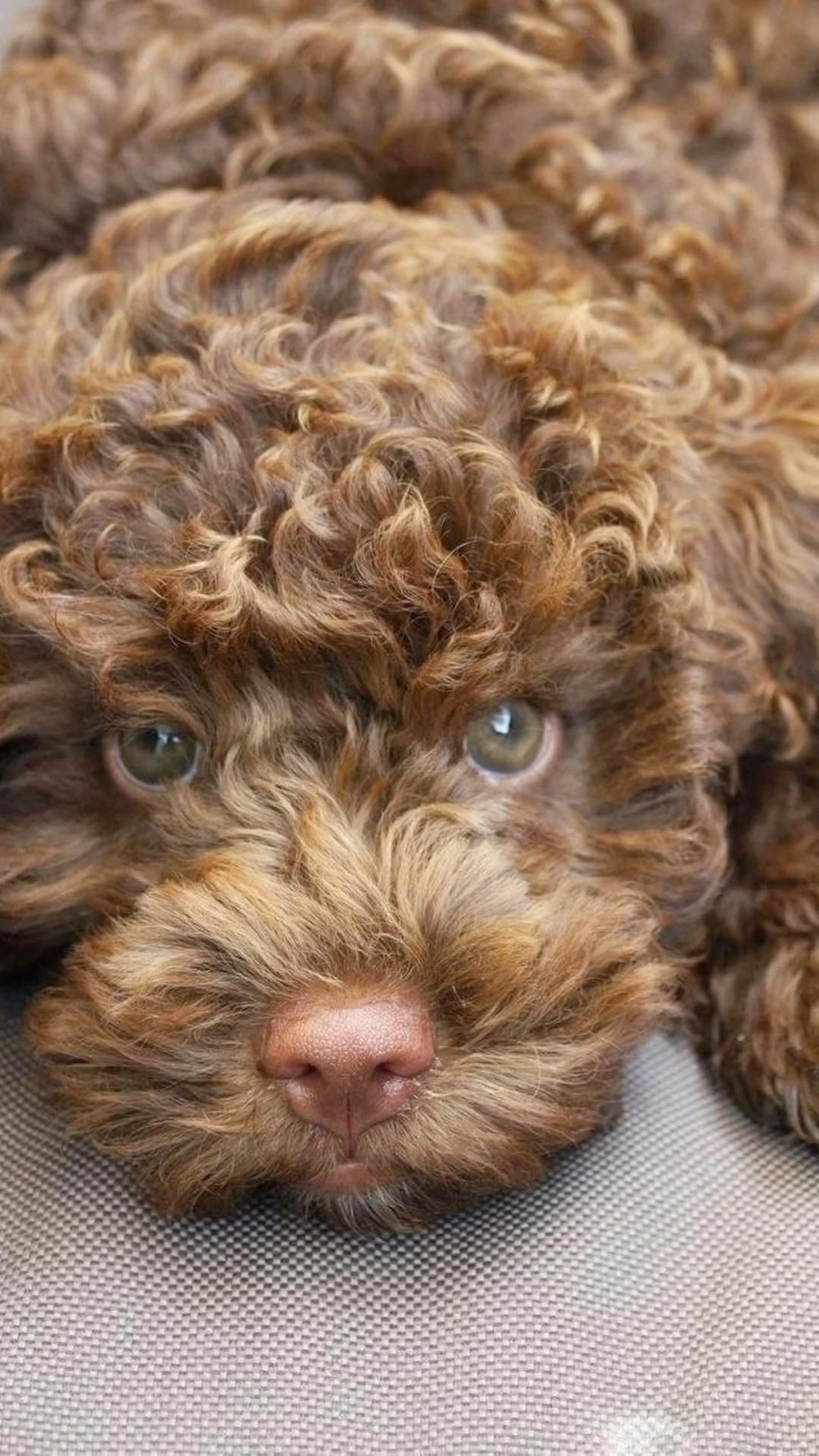
The Lagotto coat is often described as low shedding, but it is a coat that holds onto hair rather than dropping it. That is why it can feel easier in some homes, and why it can mat so quickly if neglected.
Plan for routine clipping. Many owners keep the coat in a practical length and book regular grooms, often every 6 to 8 weeks, depending on coat length and how much time the dog spends outdoors. Between grooms, gentle brushing and combing helps prevent mats, particularly in friction areas.
Also keep an eye on ears. Drop ears with hair inside the ear flap can reduce airflow, and some dogs are prone to wax build-up or infections. If your dog is head-shaking, scratching at ears, or has odour or discharge, get a vet check rather than trying to manage it purely with home cleaning.
Diet and nutrition
A Lagotto’s diet does not need to be exotic, but it does need to be consistent and appropriate for their life stage and activity level. For most dogs, a complete and balanced commercial diet that meets recognised nutritional standards is the simplest option, and it helps avoid common formulation gaps seen in improvised home diets.6, 7
It is also worth being clear-eyed about treats. Training treats are useful for this breed, but they add up. If weight creeps on, joints and stamina tend to pay the price. Keep them lean and fit, and use part of the day’s kibble allowance for training when you can.
If you are considering a home-prepared diet, do it with veterinary guidance. Nutrition is one of those areas where good intentions can still miss key nutrients without a properly formulated recipe.7
Living with a Lagotto, the part people do not always mention
A lot of Lagotto satisfaction comes from enjoying the dog in front of you. Many are affectionate and very tuned-in, but they are rarely decorative. They tend to notice things, investigate them, and remember what worked last time.
If you like training, enjoy a dog that wants to participate, and can tolerate a grooming routine, the breed can be a wonderful fit. If you want a dog that needs little input, or if you are hoping a low-shedding coat means low maintenance overall, it is worth pausing and re-thinking the match.
When owners set up a Lagotto’s day with exercise, scent work, and calm routines, most of the “problem behaviours” people worry about become manageable, sometimes they do not develop at all.
References
- The Kennel Club (UK), Lagotto Romagnolo breed standard
- Wikipedia, Lagotto Romagnolo
- Lagotto Romagnolo Club of America, Breed history
- PLOS Genetics (2011), LGI2 truncation causes a remitting focal epilepsy in dogs
- Orthopedic Foundation for Animals (OFA), CHIC program: Lagotto Romagnolo
- WSAVA, Global Nutrition Guidelines
- American Veterinary Medical Association (AVMA), Feeding pets
- RSPCA Australia, Basic care requirements for dogs
- RSPCA Australia, Dog care and wellbeing