

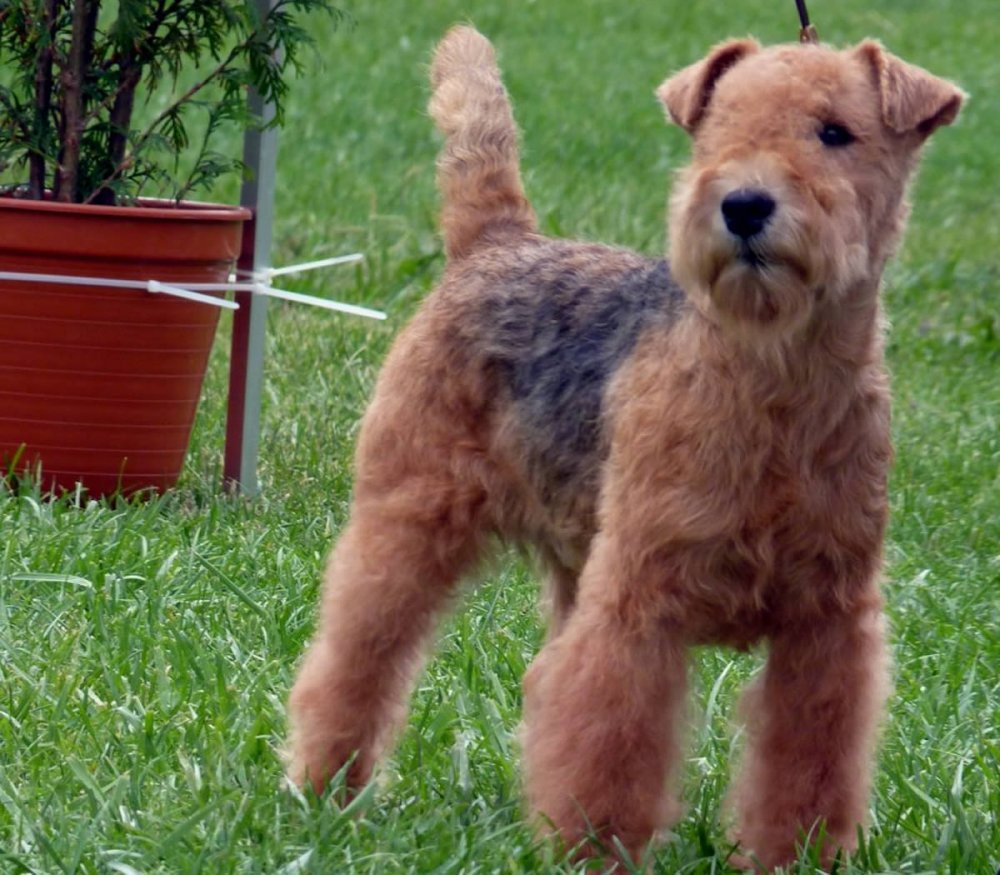
People often meet a Lakeland Terrier in one of two ways: you spot a small, neatly turned-out terrier with a very alert face, or you live with one and realise how much dog can fit into a compact frame. They look tidy and manageable, then they surprise you with stamina, opinions, and an eye for movement in the garden.
It is easy to assume a smaller terrier will automatically be an “easy” dog, suited to short walks and quiet days. With Lakelands, size is only part of the story. They were shaped for rough country and determined work, and that background still shows up in how they play, how they learn, and what they need from their people.
For the right home, they are deeply rewarding: bright, capable, and often very funny in their day-to-day choices. The trick is understanding what sits underneath the smart coat and expressive eyebrows, then building a routine that lets those instincts land well in modern life.
Lakeland Terrier snapshot
Breed group: Terrier. Origin: England’s Lake District. Typical size: up to about 37 cm at the shoulder, with many adults around 7 to 8 kg. Coat: dense and harsh, commonly described as wiry, with a low-shedding reputation. Temperament: bold, friendly, and self-confident. 1
Often suits: active households who enjoy training and outdoor time, and owners who like terrier character rather than trying to smooth it away. May not suit:
History and origin
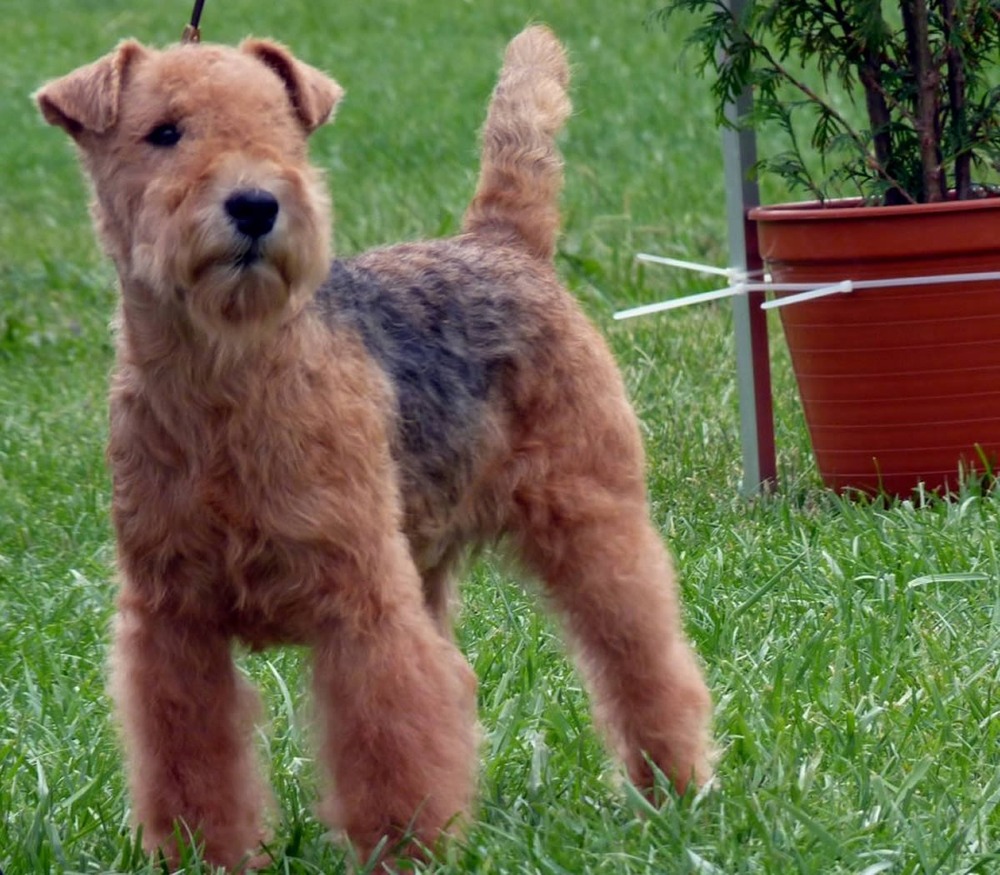
The Lakeland Terrier comes from the Lake District and nearby counties where working terriers were expected to keep up over steep, rocky ground. A dog that could trot all day, squeeze into tight places, and stay focused in unpleasant conditions was genuinely useful, not just “game”. 2
Accounts of development vary, which is common with older working breeds. The Kennel Club notes likely influence from several local terriers, with some suggestions of Bedlington input as well. Rather than a single tidy origin story, it is more accurate to think of the Lakeland as a practical type that became a defined breed once people began to standardise what they were aiming for. 2
Formal milestones help anchor the timeline. The Kennel Club records a first breed club formed in 1912, with Kennel Club recognition in 1921. 2
Physical characteristics

Lakelands are compact, balanced terriers. In the Kennel Club breed standard, height is not to exceed 37 cm at the shoulder, and average weight is listed as about 8 kg for dogs and 7 kg for bitches. 1
The coat is a defining feature: dense, harsh, and weather-resisting, with an undercoat. Colours accepted in the standard include black and tan, blue and tan, red, wheaten, red grizzle, liver, blue, or black. 1
Many people notice the “expression” first. With correct grooming, the head furnishings form the familiar beard and eyebrows, which can make the face look quite knowing. It is worth remembering those furnishings are hair, not mood, and reading the whole dog, including posture and movement, gives a clearer picture of how they are travelling.
Temperament and day-to-day behaviour

In breed standard language, Lakelands are described as bold, friendly, and self-confident. In real homes, that often translates to a dog who likes to be involved, learns quickly, and may test whether rules truly apply in every situation. 1
Terrier instincts matter here. Many Lakelands enjoy scanning for movement, investigating scents, and reacting fast. This can be a delight in training and dog sports, but it can also mean you need thoughtful management around wildlife, cats, and small pets.
With children, they tend to do best when the household can support respectful handling and predictable routines. Many families find them a better match for older children who can follow guidance, rather than toddlers who move unpredictably and may grab at coat and face furnishings.
Training and exercise needs
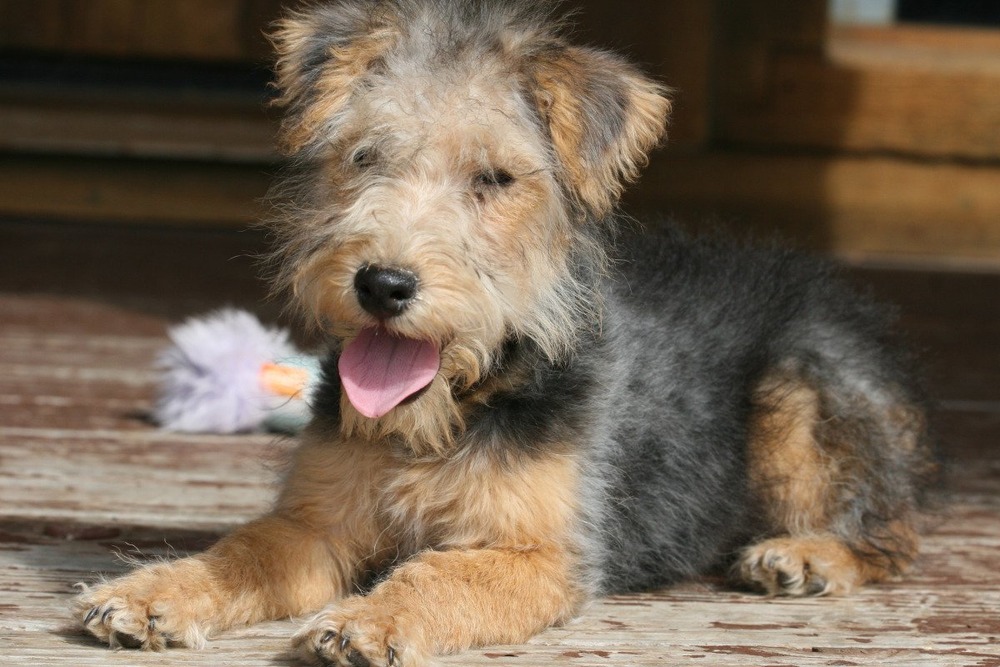
A Lakeland’s brain is one of its biggest assets, and also the thing that can make life messy if it is under-used. Think in terms of daily exercise plus daily problem-solving, not just “a walk”. Many owners find that sniffy walks, short training sessions, and a little fetching or tug work better than one long, repetitive outing.
Exercise guidance varies by individual, but The Kennel Club suggests up to about an hour per day for the breed. That can be a useful baseline, then you adjust based on your dog’s age, fitness, and what “settled” looks like at home. 2
Training tends to land best with calm consistency and rewards that matter to the dog. Keep sessions short, and take the stubborn moments as information. A Lakeland who “ignores” you is often telling you the distraction is too big, the reward is too small, or the skill needs to be rebuilt in easier steps.
- Start socialisation early, with careful exposure to people, dogs, surfaces, and everyday sounds.
- Practise recall with a long line before you trust it off-lead.
- Plan for prey-drive moments, especially around birds and small animals.
Health and lifespan
Many Lakeland Terriers live into their teens, and The Kennel Club lists lifespan as “over 12 years”. Good breeding, preventative care, weight management, and appropriate exercise all influence what that looks like for an individual dog. 2
As with many breeds, there are conditions owners should be aware of rather than fearful about. Eye problems are one area to keep on your radar. Lens luxation, for example, is seen in some terrier breeds and can be an emergency if the lens moves forward and triggers painful glaucoma. Sudden squinting, redness, cloudiness, or obvious eye discomfort should be treated as a prompt vet visit. 3
If you are choosing a puppy, it is reasonable to ask what health screening the breeder does, and what eye history exists in their lines. Your regular vet can also advise on eye checks, dental care, parasite control, and keeping your Lakeland in a lean, athletic condition over the long term.
Grooming and coat maintenance
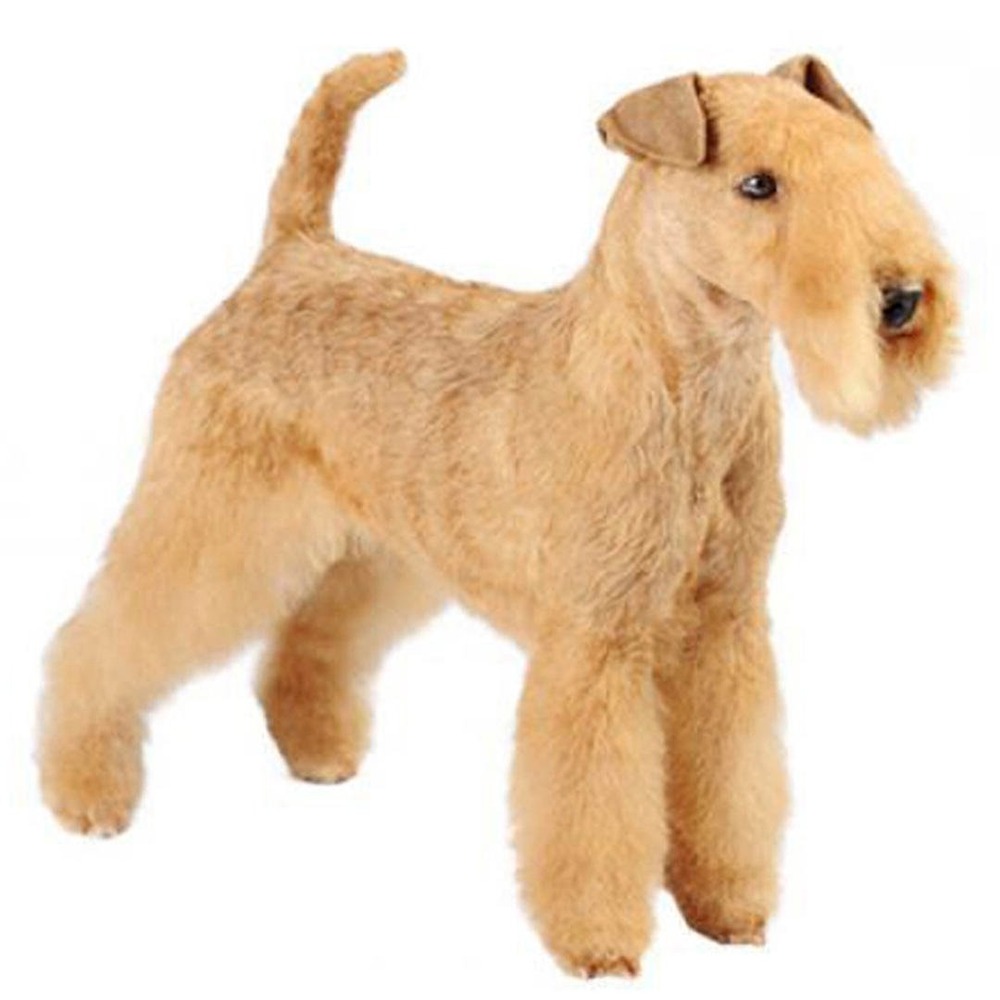
The Lakeland coat is often described as low shedding, but it is not “no work”. In most pet homes, weekly brushing helps prevent tangles and keeps the furnishings clean, especially around the mouth and legs. 4
If you keep the coat clipped, it is generally simpler to maintain, although clipping can soften the texture and change the look over time. For show-style presentation, hand-stripping is used to remove dead hair and maintain a harsher coat texture, but it is not required for health. Many owners use a groomer for stripping or tidying because the technique is specific and easier to learn hands-on. 4
Do not forget the small, unglamorous tasks. Nail trims, ear checks, and regular tooth care are often what make the difference between a dog who feels good day to day and one who quietly accumulates discomfort.
Diet and nutrition
Lakelands do well on a balanced diet that suits their life stage and activity level. In practice, the “right” food is the one your dog thrives on: good muscle tone, steady energy, comfortable digestion, and a coat and skin that stay in reasonable shape.
Many owners like to share safe extras, but it helps to have a clear line between enrichment and accidental self-catering. Some human foods are genuinely risky. In Australia, Agriculture Victoria specifically lists hazards including grapes and raisins, cooked bones, fat trimmings, and alliums such as onion and garlic. 5
For a practical household rule: keep a short “never” list on the fridge, and make sure visitors follow it. The RSPCA also highlights common toxic foods including chocolate, onions and garlic (alliums), macadamias, and grapes and raisins. 6
A note on breed fame and trivia
Lakelands have a strong reputation in the show world. One of the more widely cited examples is Ch. Stingray of Derryabah, recorded as winning Best in Show at the Westminster Kennel Club Dog Show in 1968. 7
Crufts records also list Lakeland Terrier Best in Show winners, including Rogerholm Recruit in 1963 and Stingray of Derryabah in 1967. The details matter because different events and years are often mixed up in casual retellings. 8
Living well with a Lakeland Terrier
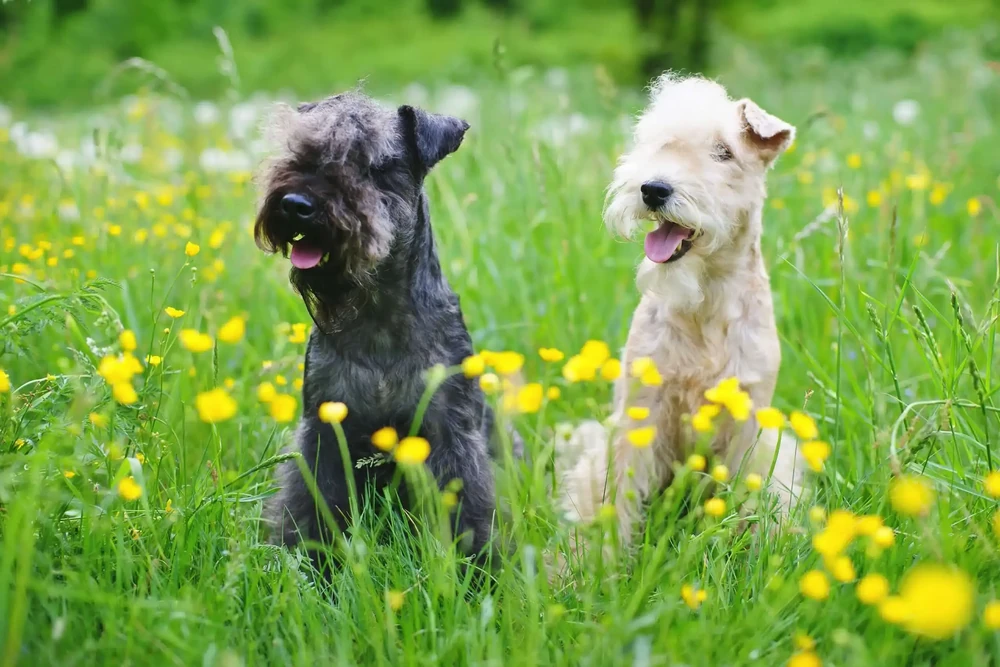
The best Lakeland homes tend to have a shared understanding that terrier energy is not a flaw to “train out”, it is a trait to guide. When you plan for movement, give them clear boundaries, and provide small daily jobs, they are often steady and companionable in the house.
If you are drawn to the look but unsure about the temperament, spend time with the breed in ordinary settings, not just at a show or on social media. Talk to breeders, rescue groups, groomers, and trainers who see Lakelands on regular days. That is where the match becomes clearer, and where a dog’s needs become less theoretical and more practical.
References
- The Kennel Club (UK), Lakeland Terrier breed standard
- The Kennel Club (UK), Lakeland Terrier breed information
- VCA Animal Hospitals, Lens luxation in dogs
- PetMD, Lakeland Terrier: grooming and care overview
- Agriculture Victoria, Human foods to avoid for cats and dogs
- RSPCA Australia, Household dangers to your pet
- The Westminster Kennel Club, Best in Show winners
- Wikipedia, List of Best in Show winners of Crufts