

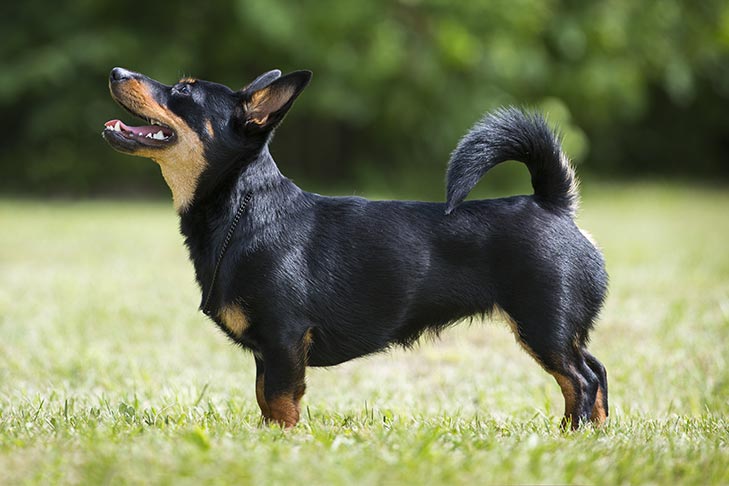
- Breed category: Pastoral, herding
- Country of origin: United Kingdom
- Height: ideal 25 cm (bitches) to 30 cm (dogs)
- Typical weight: often 3 to 6 kg (varies by build and condition)
- Typical lifespan: around 12 to 15 years
- Coat: short, dense double coat
- Colours: black and tan, liver and tan
- Grooming: low to moderate
- Exercise needs: moderate, with regular mental work
- Best known for: a small herding dog with a practical, alert nature
You usually hear about the Lancashire Heeler in a slightly sideways way. Someone sees a small, low set dog at the park and assumes it is a Corgi, then notices the sharper, terrier-like outline and the quick, watchful scanning. Or a family starts looking for a compact dog that can handle busy days, then realises they want something with a proper working brain, not just a small body.
It is easy to underestimate heelers because of the size. The Lancashire Heeler can look like a neat little companion dog, but the behaviour often tells the truer story. This is a breed shaped by farm life: moving stock, keeping order, and dealing with vermin. In a home, that same instinct can come out as a strong interest in movement, an urge to be involved, and a tendency to invent their own jobs if you do not provide any.
For the right household, that is a gift. For the wrong match, it can feel like the dog is restless or noisy for no reason. Understanding what sits underneath the breed’s alertness makes day-to-day life much easier, from training to play, to how you introduce them to children, cats, and visiting dogs.
Where the Lancashire Heeler comes from
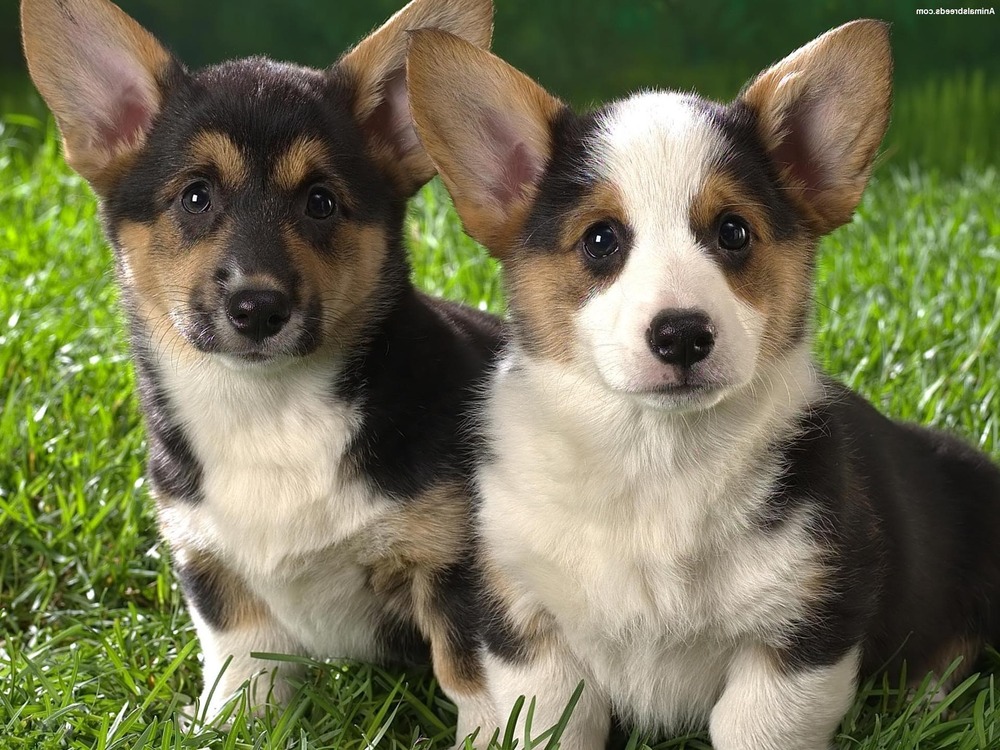
The Lancashire Heeler developed in northern England as a practical, multipurpose farm dog, valued for both cattle work and vermin control. Breed histories often describe influences from Welsh Corgi-type dogs and Manchester Terrier-type dogs, which fits what you see in the modern Heeler: low to the ground, quick on their feet, and ready to switch from steady movement control to sharp, close-range chasing.
The breed gained formal recognition by The Kennel Club (UK) in 1981, which helped stabilise a written standard and a more consistent type over time.1
They remain uncommon. In the UK, the breed has been listed as a Vulnerable Native Breed (a conservation category tied to low annual registrations), and numbers can fluctuate from year to year. That rarity affects availability, pricing, and wait times, and it also means responsible breeding choices matter a great deal for health and temperament.1
What they look like in real life
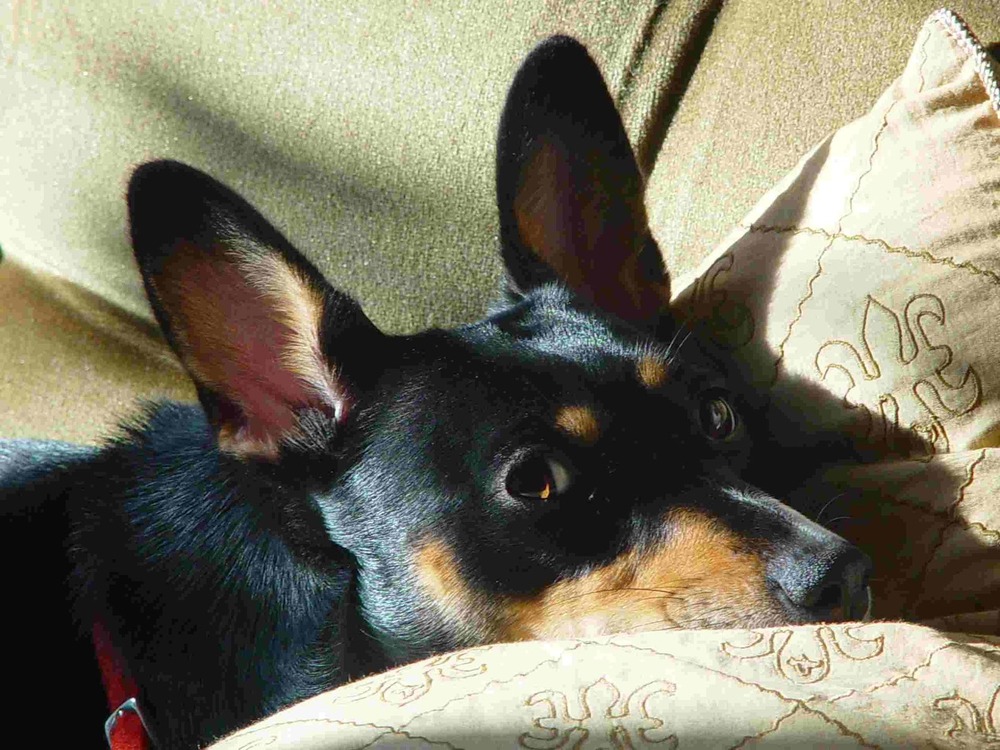
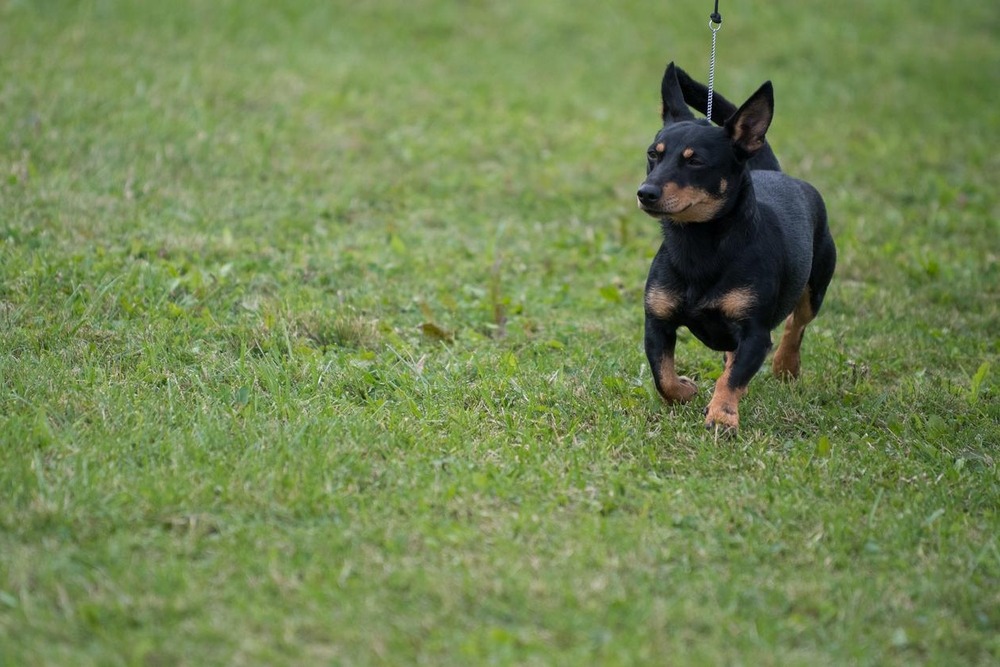
Most people notice the outline first. The Lancashire Heeler is slightly longer than tall, with a compact, sturdy frame and a brisk way of moving. The Kennel Club breed standard gives an ideal height of about 30 cm for dogs and 25 cm for bitches.2
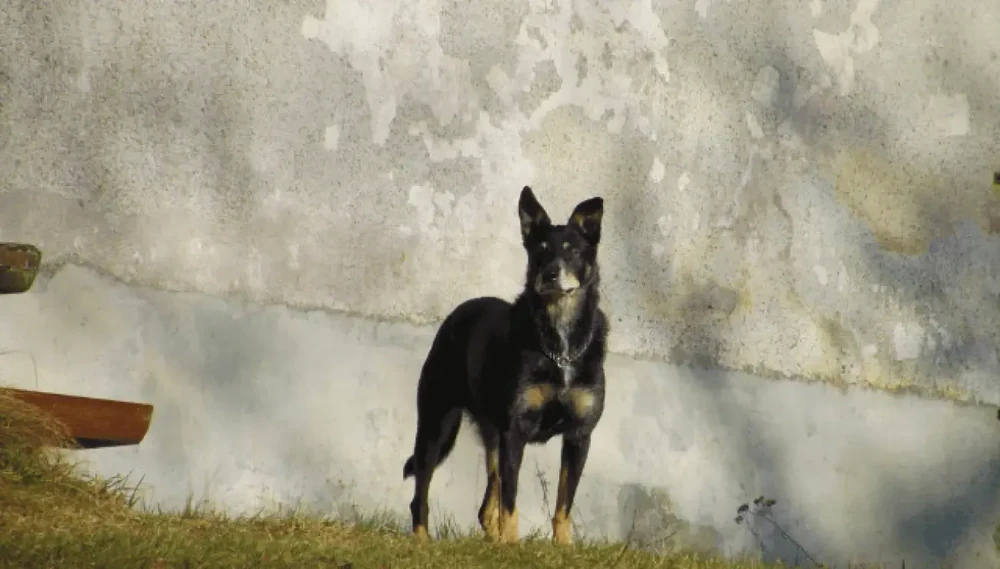
The coat is a short, weather-resistant double coat. Colours are black and tan or liver and tan, with rich tan points and a “thumb mark” above the front feet described as desirable in the standard.2
The tail is carried in a slight curve when alert, but it should not form a complete ring. Ears are typically erect, contributing to the breed’s attentive, ready-for-anything expression.2
Temperament and the “small herding dog” mindset
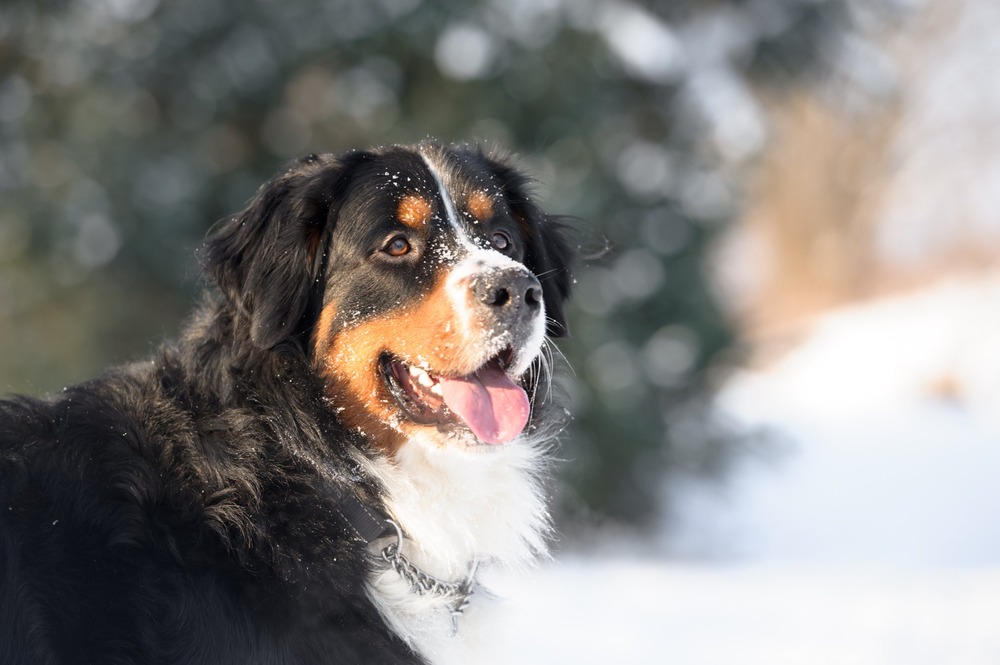
Lancashire Heelers tend to be bright, observant, and very responsive to patterns in the household. Many owners describe them as “chatty”, not necessarily in a constant-yapping way, but as a dog that uses sound to comment on what is happening. If you live in close quarters, it helps to treat vocalising as information: the dog is often responding to movement, novelty, or anticipation.
As a herding breed, they commonly do best with structured engagement. That can be formal training, scent games, tug with rules, trick shaping, or short sessions of obedience sprinkled through the day. A Heeler that has no job tends to create one, which can look like monitoring the windows, chasing moving feet, or trying to control children’s running.
They can be affectionate and people-focused, but it is wise to avoid assuming they are universally “easy” because they are small. The working temperament is real. If you enjoy a dog that notices everything and learns quickly, it is part of the appeal.
Living with children and other animals
Many Lancashire Heelers can live well with children, particularly when adults set the tone. The main risk is not “aggression out of nowhere”, it is herding behaviour aimed at fast movement: chasing, circling, or nipping at heels. It is usually a behaviour pattern, not a moral failing, and it responds best to management plus teaching an alternative behaviour.
Helpful approaches include:
- Practise calm greetings before play gets fast and loud.
- Use gates or pens so the dog can settle when the household is busy.
- Teach children to pause and “be boring” if the dog starts to chase or mouth.
- Reward the dog heavily for checking in, lying down, or choosing a toy instead of a moving person.
With other dogs, early socialisation and ongoing neutrality training tends to matter more than forced friendliness. With cats and small pets, careful introductions are essential. Some Heelers can coexist well, but the chase instinct can be strong, and it is much easier to prevent rehearsals than it is to “train out” a habit that has paid off for the dog.
Training that suits the breed
Because Lancashire Heelers are quick learners, the quality of your timing matters. They can pick up the wrong lesson just as efficiently as the right one. Positive reinforcement, clear criteria, and short sessions tend to produce the best results, especially in adolescence when arousal and curiosity can spike.
If you are dealing with barking, chasing, or “busy” behaviour indoors, it helps to build skills that lower the overall temperature of the day. Think: mat training, settle cues, pattern games, and rewarding quiet observation. For many heelers, adding a small amount of daily brain work reduces nuisance behaviours more effectively than simply adding more physical exercise.
Dog sports can be a good fit, especially activities that combine precision and enthusiasm, such as rally, obedience, agility foundations, or scent work. These do not need to become a lifestyle. Even occasional classes can give you practical tools for day-to-day life.
Exercise and enrichment, what “moderate” really means
Many breed summaries describe their exercise needs as moderate, which can be true, but only if you include enrichment. A Lancashire Heeler often does well with a couple of daily walks plus short bursts of training and play. Purina’s breed profile suggests around one to two hours of walking a day as a general guide, which suits many adult dogs when combined with mental stimulation.3
On days when weather or schedules make long walks unrealistic, you can still meet the dog’s needs with:
- scatter feeding in grass or a snuffle mat
- short trick sessions (two to five minutes)
- toy swaps and tug with rules
- scent searches around the house
The goal is not to exhaust the dog. It is to help them feel usefully engaged, then genuinely able to rest.
Health topics worth knowing early
Lancashire Heelers are often described as generally healthy, but like many small breeds they have some conditions that responsible breeders actively screen for. In the UK, breed clubs highlight eye screening (BVA/KC/ISDS), plus DNA testing for primary lens luxation (PLL) and Collie eye anomaly (CEA) as important steps for breeders.4, 5
In the US, the AKC notes club emphasis on eye and patella evaluations, and it also mentions PLL, CEA, and patellar luxation in the context of recommended health testing and CHIC participation.6
If you are buying a puppy, it is reasonable to ask for evidence of relevant testing for the parents. If you already live with a Heeler, a good next step is simply to discuss eyes and knees at routine vet visits, particularly if you notice squinting, cloudiness, rubbing at the face, skipping steps, or reluctance to jump.
Coat care, grooming, and the practical bits
The Lancashire Heeler’s short double coat is usually straightforward. Weekly brushing suits most dogs, with a bit more help during heavier shedding periods. Regular grooming is also a chance to quietly check ears, nails, and teeth. Small dogs can be prone to dental disease, so tooth brushing is worth treating as a normal life skill rather than an occasional project.
Keep grooming low-drama and predictable. A Heeler that knows what is coming, and is paid for cooperation, is often easier to maintain over the dog’s whole life than one that is physically restrained through every nail trim.
Feeding and everyday safety
Feed to body condition, not to the label on the bag. A Lancashire Heeler is small, so even minor overfeeding can add up quickly. Regular weigh-ins and a quick hands-on check over ribs and waist help you adjust early.
It also helps to know common household food hazards. Australian agriculture guidance lists risks including chocolate, grapes and raisins, onions and garlic, cooked bones, and caffeine products, all of which can cause serious illness in dogs.7
Rarity, recognition, and finding a good match

The Lancashire Heeler’s rarity is part of the reason people fall for them, and also why it pays to slow down. In the UK, the breed is still discussed in conservation terms, which tends to encourage careful breeding decisions rather than fast growth in popularity.1
In the United States, the breed received full AKC recognition in 2024, becoming eligible to compete in the Herding Group. That recognition has increased visibility, which can be helpful when it encourages health testing and good record-keeping, but it can also increase demand quickly. Staying patient and prioritising temperament and health over convenience usually leads to a better outcome for both dog and owner.8, 9
If you are drawn to the breed because you want a small, bright dog that can keep up with an active routine, the Lancashire Heeler can be a wonderful companion. If you mostly want a quiet lap dog, it may still be possible, but it often requires more training and management than people expect from a dog of this size.
References
- Lancashire Heeler (overview, UK Kennel Club recognition and vulnerable native breed context)
- The Kennel Club (UK), Lancashire Heeler breed standard
- Purina UK, Lancashire Heeler breed information (size and activity guide)
- Lancashire Heeler Club (UK), health and welfare guidance
- Lancashire Heelers Association, health information (CEA and related notes)
- American Kennel Club, Lancashire Heeler breed recognition and health testing discussion
- Agriculture Victoria, human foods to avoid for cats and dogs
- American Kennel Club press release, full recognition of the Lancashire Heeler (2024)
- Associated Press, coverage of AKC recognition and breed context