

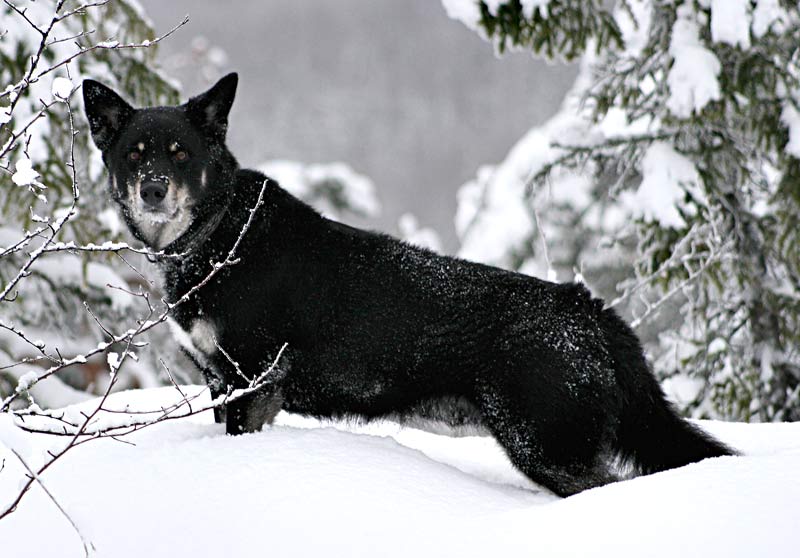
You might first notice a Lapponian Herder because of the way they move, purposeful and watchful, as if they are tracking three things at once. People often meet the breed through a photo, a dog sport club, or a conversation about “reindeer herding dogs”, and then wonder whether it is basically just another northern spitz type.
It is closer to a working partner than a decorative snow dog. The Lapponian Herder (Lapinporokoira) comes from Finnish Lapland and was developed for practical, demanding herding work with reindeer, often alongside Saami herders. That history shows up today in the breed’s steady problem solving, their sensitivity to movement and space, and their need for meaningful activity, not just exercise for exercise’s sake.1, 2
For the right household, this can be a deeply satisfying dog to live with. For the wrong set-up, especially hot climates, low time, or a purely “backyard pet” plan, the same traits can become frustrating for everyone. Understanding what sits underneath the breed’s calm, alert exterior is the difference between admiration from afar and a good day-to-day match.
Early development and working role
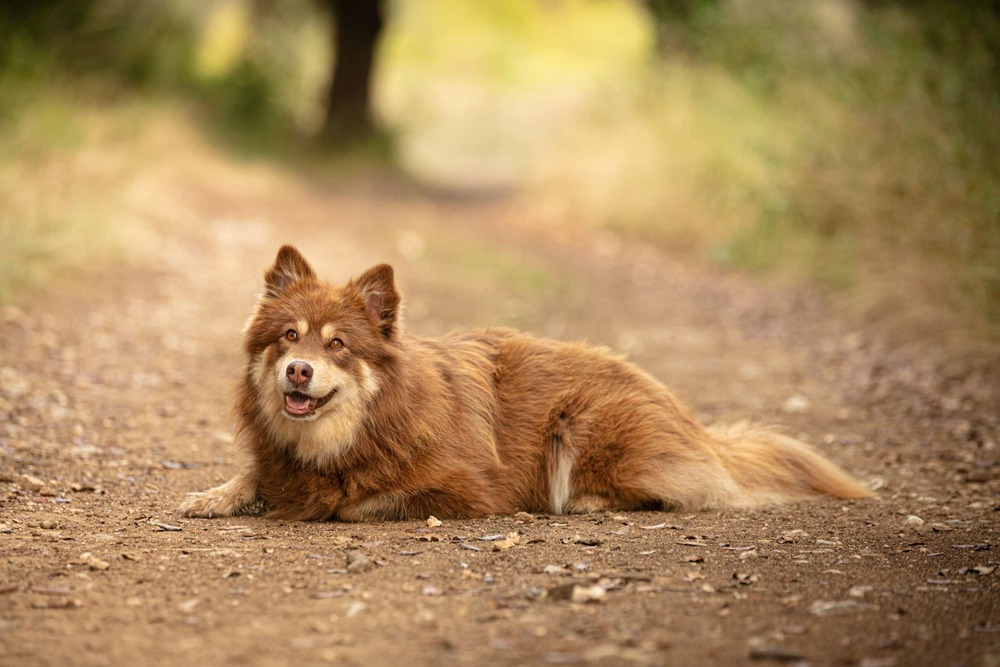
The Lapponian Herder’s roots are tied to reindeer husbandry in northern Scandinavia. Dogs of this general type were used for centuries in the region, valued for their ability to travel, think, and keep stock moving across open country and difficult terrain.2, 3
Modern breed organisation came later. The Finnish Kennel Club describes the breed as centuries old in type, with more formal kennel work gathering pace in the mid 20th century, after upheavals that reduced dog numbers in the north.3 Internationally, the FCI recognises the Lapponian Herder as a Finnish breed in its Nordic watchdogs and herders section.1
Why the original job still matters
Reindeer herding does not reward a dog that simply “runs around a lot”. It rewards a dog that can keep working when it is cold, windy, and repetitive, while staying responsive to a handler at a distance. Many Lapponian Herders still show that blend of traits as pets: quick learning, strong awareness of movement, and a tendency to stay on duty unless taught how to switch off.
Appearance, coat, and breed type
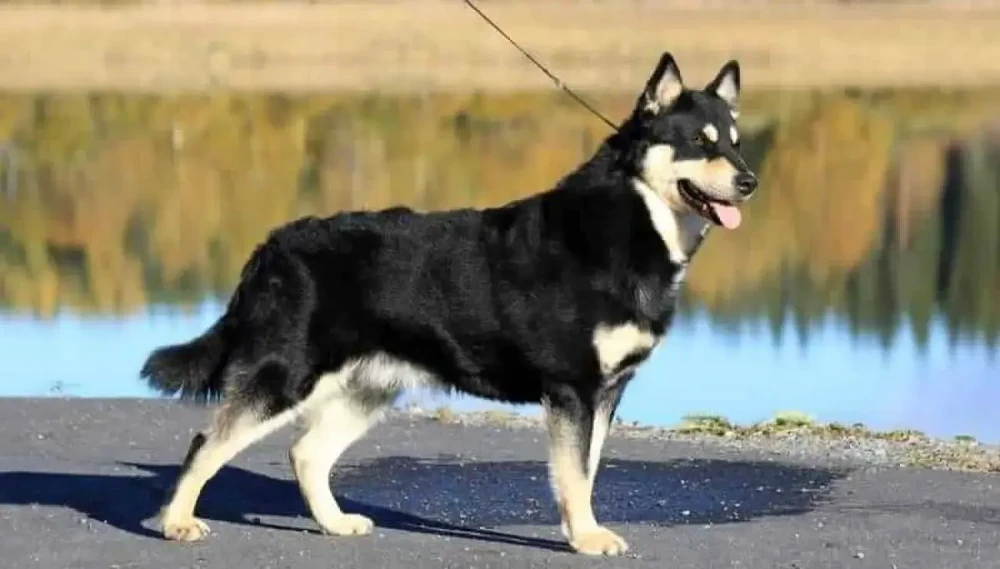
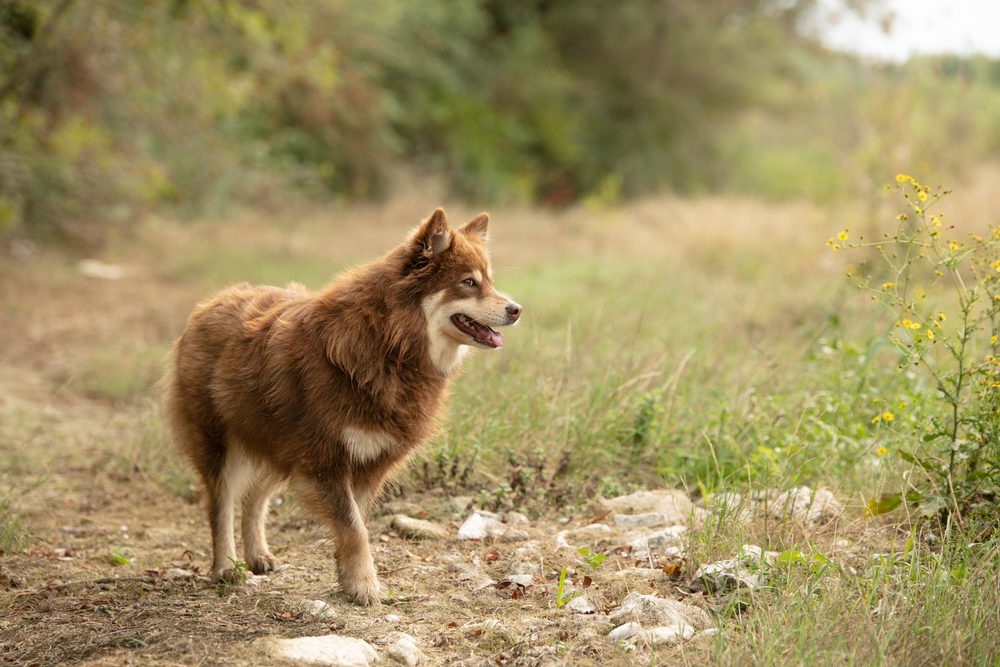
The Lapponian Herder is a medium-sized, athletic working dog, typically a little longer than tall, with pricked ears and a weather-ready double coat. Breed descriptions commonly note dark shades such as black, grey, or brown, often with lighter markings.1, 3
One detail worth keeping realistic is the tail. You will sometimes see curled tails in photos, but a loose curve and natural carriage can vary, and it is better to think of the dog as built for function rather than a single “signature” silhouette.1
Heat and heavy coats
A dense coat is brilliant in cold conditions, but it changes how you manage summer. In hot weather, plan walking and training for cooler parts of the day, keep water available, and be conservative with high-intensity games. Thick-coated working breeds can overheat quietly until they are already in trouble, so it pays to treat heat as a genuine management issue, not an inconvenience.4
Temperament and behaviour in everyday life
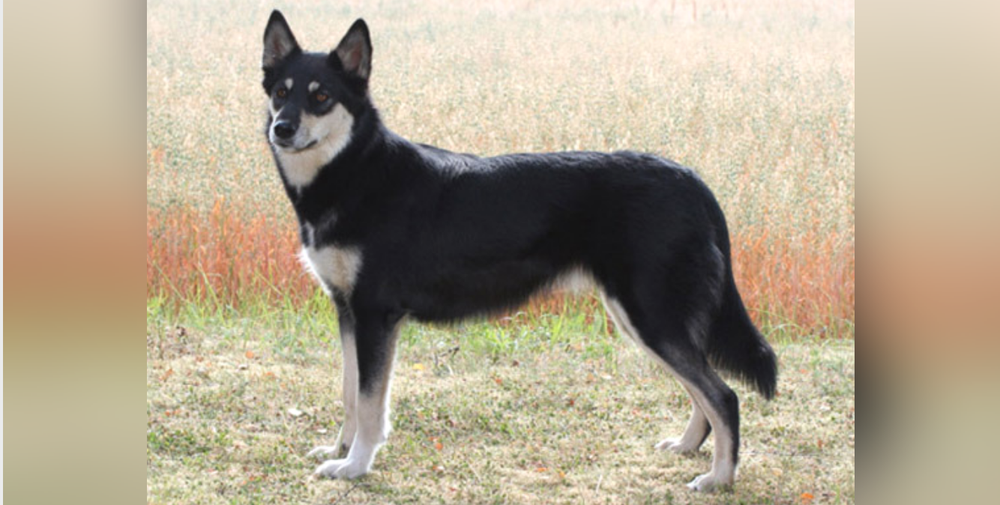
In a settled home, the Lapponian Herder is often described as steady, capable, and people-friendly, with the sort of alertness you notice before you can easily define it. They are typically responsive to training and can be lovely with children when properly introduced and supervised, but they are not a “do nothing” dog.3
Herding heritage can show up as shadowing, circling, or trying to manage the flow of running kids, cyclists, or other pets. It is not “bad behaviour” so much as unchanneled skill. The practical aim is to give the dog clearer jobs and calmer routines, so those instincts have somewhere appropriate to land.
- Best fits often include active households, rural properties, or people who genuinely enjoy training.
- More challenging fits can include very small homes with little access to enrichment, or households that are out most of the day without support.
Training, socialisation, and exercise
With this breed, training works best when it is calm, consistent, and reward-based. Harsh techniques can create fallout, especially in dogs that are naturally attentive and quick to notice pressure. RSPCA guidance strongly supports reward-based methods and warns against aversive tools and punishment-based approaches, due to welfare and behaviour risks.5
Exercise needs are real, but it helps to broaden the definition. Long walks are useful, yet many Lapponian Herders do best with a mix of movement and thinking work: scent games, structured retrieves, obedience, and controlled off-lead time where safe and legal. Herding-style activities can be a great outlet if you have access to a club or suitable training set-up.6
What “enough” can look like
Rather than chasing a single daily kilometre target, watch your dog’s capacity to settle afterwards. A good day usually ends with a dog that can rest, not a dog that stays wired and scanning. If the dog struggles to switch off, add more calm enrichment, not just more speed.
Health considerations and lifespan
Like many medium-to-large working breeds, Lapponian Herders can be affected by orthopaedic issues such as hip dysplasia, and some lines may have inherited eye conditions. The sensible approach is not to assume illness, but to treat health screening and good breeding practices as non-negotiable if you are buying a puppy.7
Ask breeders what testing is done in their program, and request to see documentation. If you are adopting or purchasing an adult dog with limited background, your vet can help you prioritise a baseline plan, which may include joint assessment and an eye check depending on age and history.
Grooming and coat care
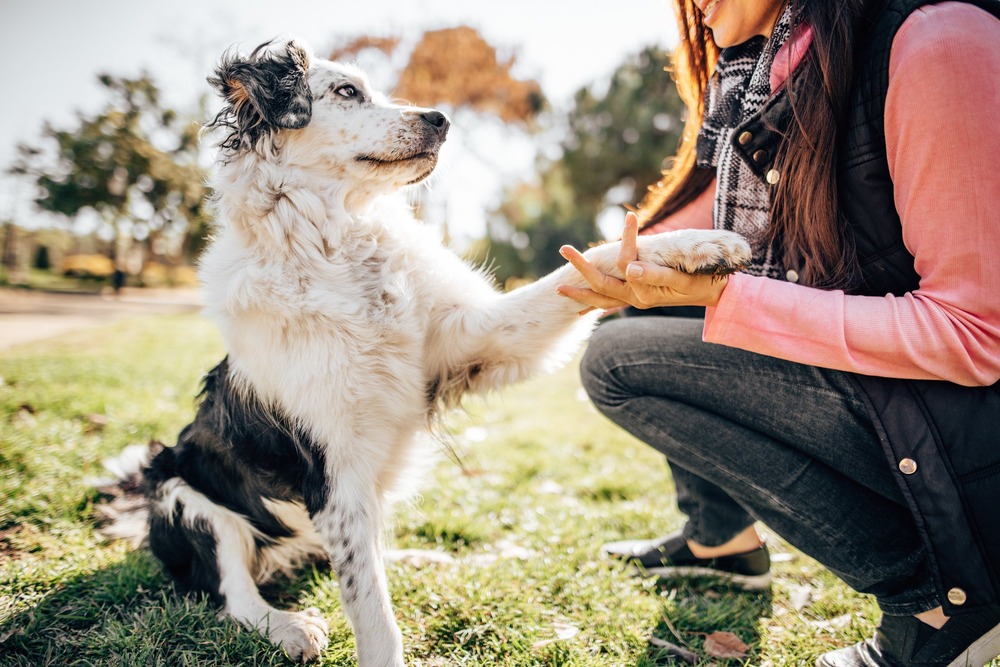
The Lapponian Herder’s double coat is designed to protect, not to be constantly “perfect”. Regular brushing helps manage shed hair, keeps the undercoat from compacting, and gives you a weekly chance to check skin, ears, nails, and any developing sore spots.
During seasonal coat drops, brushing frequency usually needs to increase. Aim for patient, thorough sessions rather than aggressive raking. If you are unsure what tools suit your dog’s coat, a groomer experienced with double-coated breeds can show you a routine that avoids unnecessary coat damage.
Nutrition and keeping a working breed lean
Feeding decisions for active breeds can get oddly emotional, because marketing tends to reward strong opinions. A more useful anchor is whether the diet is complete and balanced for your dog’s life stage, and whether your dog is maintaining a healthy body condition over time.
The World Small Animal Veterinary Association (WSAVA) Global Nutrition Guidelines emphasise the value of nutritional assessment and choosing diets based on robust information, not just ingredient lists. If you feel stuck, your veterinary team can help you choose a diet and adjust it for workload, age, and season.8
Practical feeding notes
- Keep the dog lean and well-muscled, excess weight is tough on joints in active breeds.
- If training with treats, count them as part of the day’s intake.
- Adjust portions when exercise drops, for example during hot spells.4
Living well with a Lapponian Herder
When people thrive with this breed, it is usually because they like having a dog that notices the world, wants to collaborate, and benefits from routine. The Lapponian Herder often shines when you give them clear boundaries, regular training, and a role that fits your life, even if that role is simply “calm companion on the daily walk” rather than formal work.
If you are considering the breed, spend time with adults, not just puppies. Look for a dog that can engage, then recover, and ask experienced owners what an ordinary Tuesday looks like. The day-to-day is where the match is made.
References
- Federation Cynologique Internationale (FCI): LAPPONIAN HERDER (No. 284)
- Encyclopaedia Britannica: Sami
- Finnish Kennel Club (Suomen Kennelliitto): Lapinporokoira (Lapponian Herder)
- Agriculture Victoria: Caring for animals during extreme heat (cats and dogs section)
- RSPCA Knowledgebase: Reward-based training recommendations
- American Kennel Club (AKC): Herding
- Australian Veterinary Association (AVA): Companion animals, dogs (policy and welfare resources)
- WSAVA: Global Nutrition Guidelines
- RSPCA Knowledgebase: Puppy socialisation guidance