

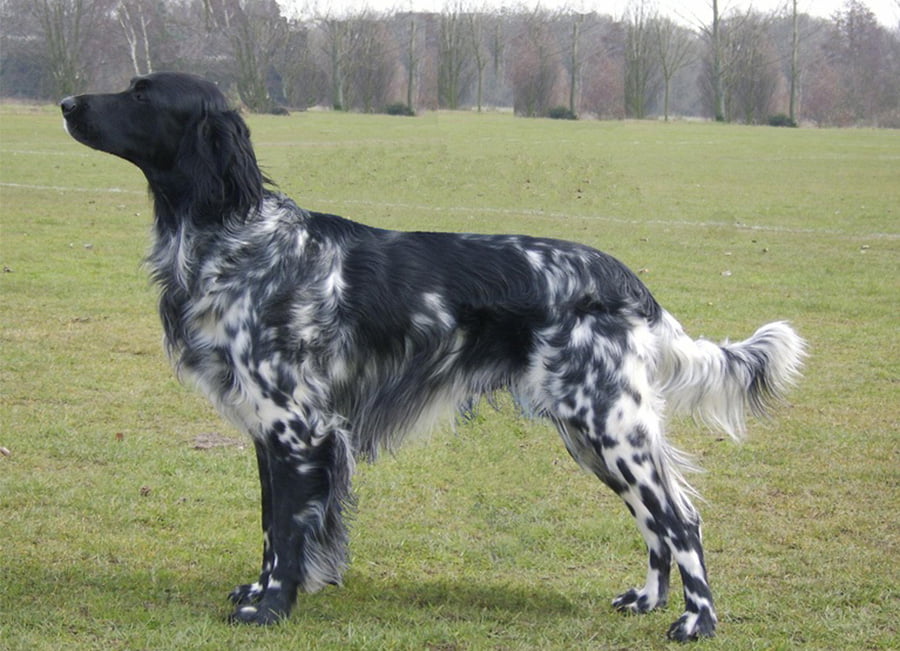
People often come across the Large Munsterlander the same way they meet many working breeds, through a photo of that crisp black-and-white coat, a mention from a gundog friend, or a dog at the park that seems to have endless legs and focus. At first glance it can look like “just another pointer”, but living with one, or even spending time around one, quickly shows there is a particular blend here: athletic stamina, close partnership, and a brain that stays switched on.
It also tends to challenge a common assumption, that a hunting dog either needs to live on acreage or will be too full-on for family life. In practice, the question is less about where you live and more about whether the dog’s daily needs are realistically met, including exercise, training, and time with people. With the Large Munsterlander, unmet needs show up fast, usually as restlessness, noise, or unhelpful “self-employment”.
If you are considering the breed, or you already have one and are trying to make sense of their energy and sensitivity, it helps to understand where they came from and what they were built to do. When the set-up is right, a Large Munsterlander can be a steady, engaging companion that genuinely enjoys working alongside you.
At a glance: the Large Munsterlander
- Breed group: Gundog (hunt, point, retrieve type)1
- Origin: Germany, associated with the Munsterland region (north-western Germany)1, 2
- Size: Dogs 60 to 65 cm, bitches 58 to 63 cm at the shoulder (breed standard guidance)3
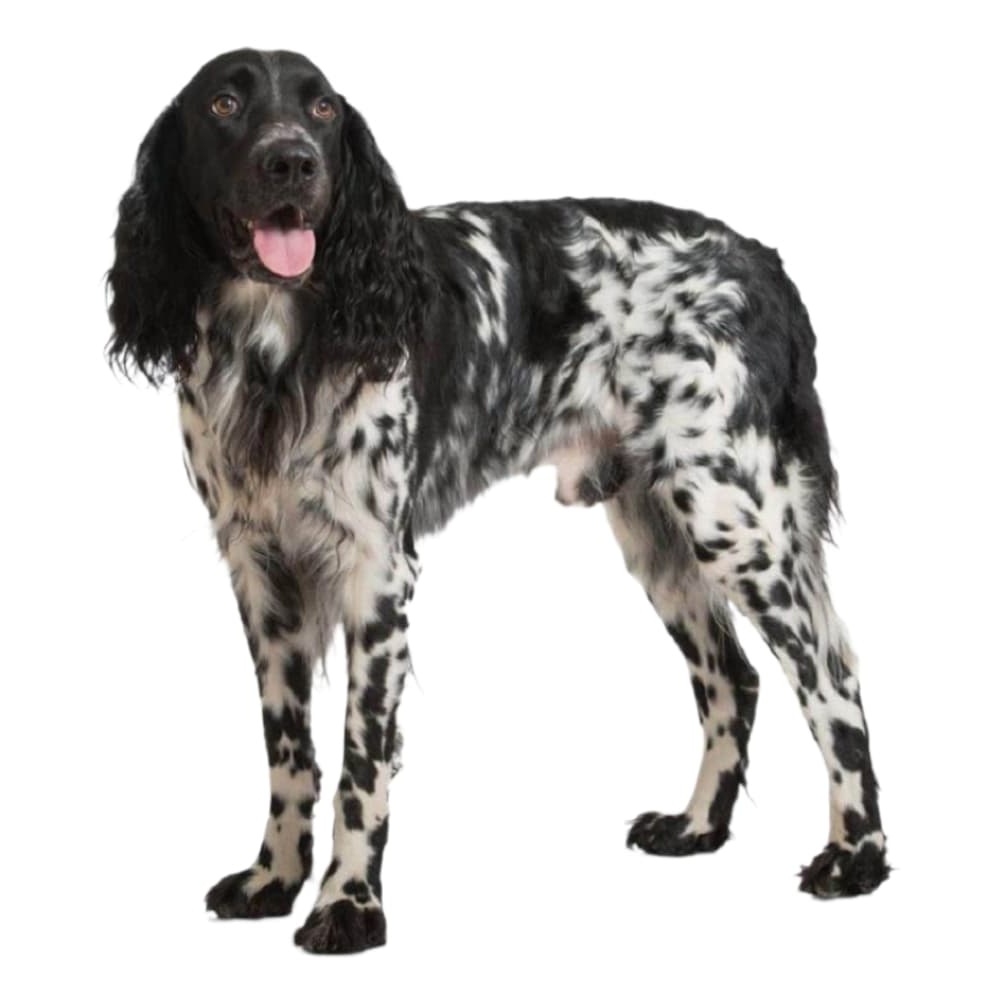
- Coat: Long and dense with feathering, not curly, head hair shorter and smooth3
- Colour: Head solid black, body white or blue roan with black patches or ticking (breed standard)3
- Typical lifespan: Often over 10 years, commonly quoted around 12 to 14 years, with individual variation4, 5
- Exercise needs: High, commonly described as more than two hours per day for adults4
Early development and what the breed was built for
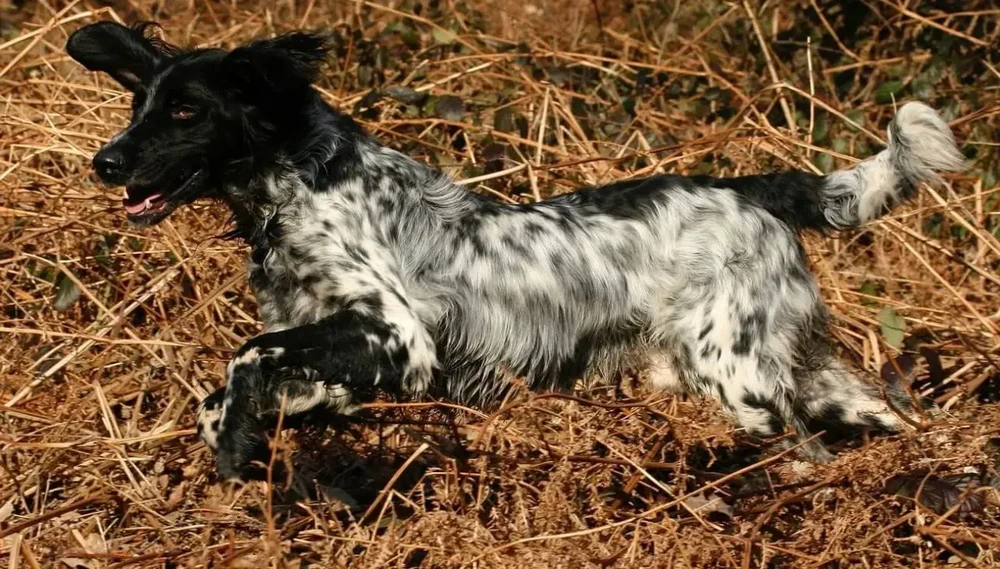
The Large Munsterlander shares roots with the German Longhaired Pointer. Historically, black-and-white longhaired dogs existed within that broader population, but at various points the black-and-white colouration was excluded from the German Longhaired Pointer standard. The Large Munsterlander emerged as a distinct breed when a dedicated club was formed for black-and-white longhaired pointing dogs in 1919, with recognition following in 1922.1, 2
That history matters because it explains why the breed still reads as a “do-everything” dog. In the field, the Large Munsterlander is expected to search, point, retrieve on land and in water, and work in partnership with a handler rather than purely independently. Many breed organisations still place emphasis on maintaining function alongside form, not just looks.6, 7
For everyday owners, this translates into a dog that often enjoys structured tasks. They tend to settle better when their day includes a purpose, even if that purpose is scent games in the backyard or a calm training session before dinner.
Why “versatile gundog” is not just a label
Versatility is a practical description of how the dog is meant to move through the world. Many Large Munsterlanders are enthusiastic swimmers and willing retrievers, but the bigger piece is their working rhythm: steady searching, checking in, and responding to direction. If you enjoy training, or you like to do activities that build teamwork, this can be a very satisfying breed to live with.4, 8
Temperament, day-to-day behaviour, and suitability
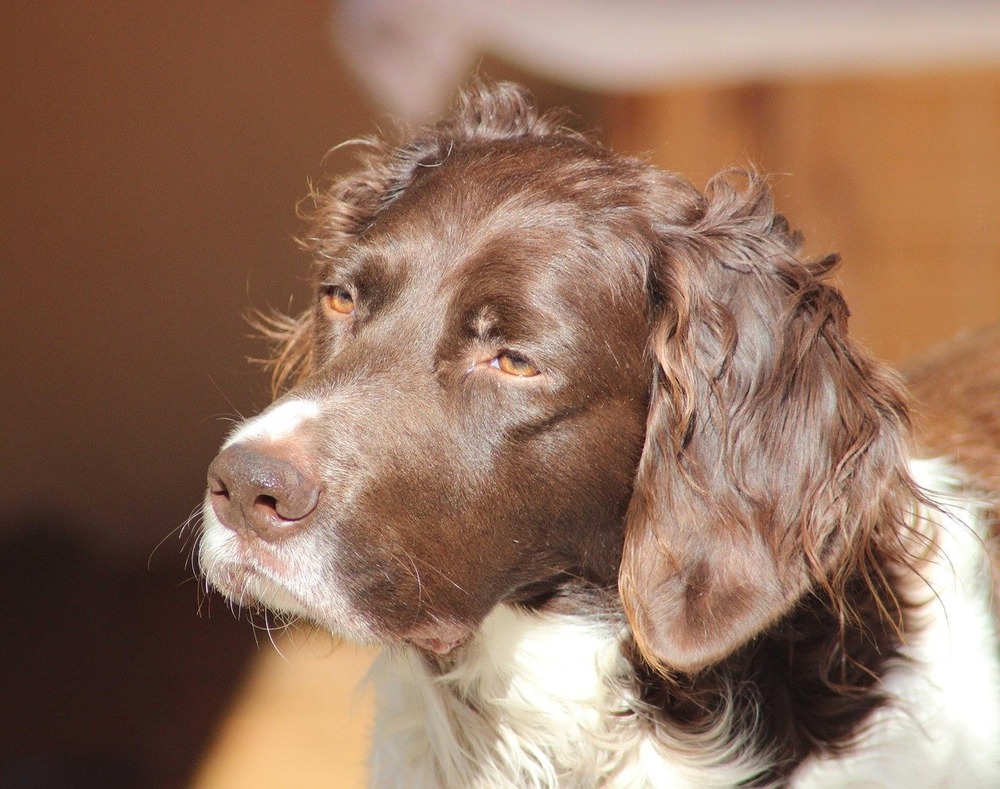
Most descriptions of the Large Munsterlander point to a dog that is people-oriented, intelligent, and active. Those three qualities can be a lovely combination in the right home, and a challenging one in the wrong home. They notice patterns, they learn quickly, and they often prefer being involved rather than watching life from a distance.4, 7
As family dogs, they are often at their best with households that like movement and routine. “Active” does not have to mean running marathons, but it does mean providing daily opportunities to use their body and brain. Without that, some individuals will create their own entertainment, which can look like pacing, barking, stealing items, or pestering other pets.
Children and other animals
Many Large Munsterlanders can live well with children and other animals, especially when they have been well socialised and given clear boundaries. As with any sizeable, energetic breed, supervision matters. It is less about assuming the dog is “good” or “bad”, and more about managing excitement, teaching calm greetings, and ensuring the dog can opt out when they need a break.
If you have smaller pets, remember you are dealing with a dog developed for hunting work. That does not mean they cannot co-exist, but it does mean you should take early training and management seriously, particularly around chasing behaviours and arousal.
Training and exercise: what helps in real homes
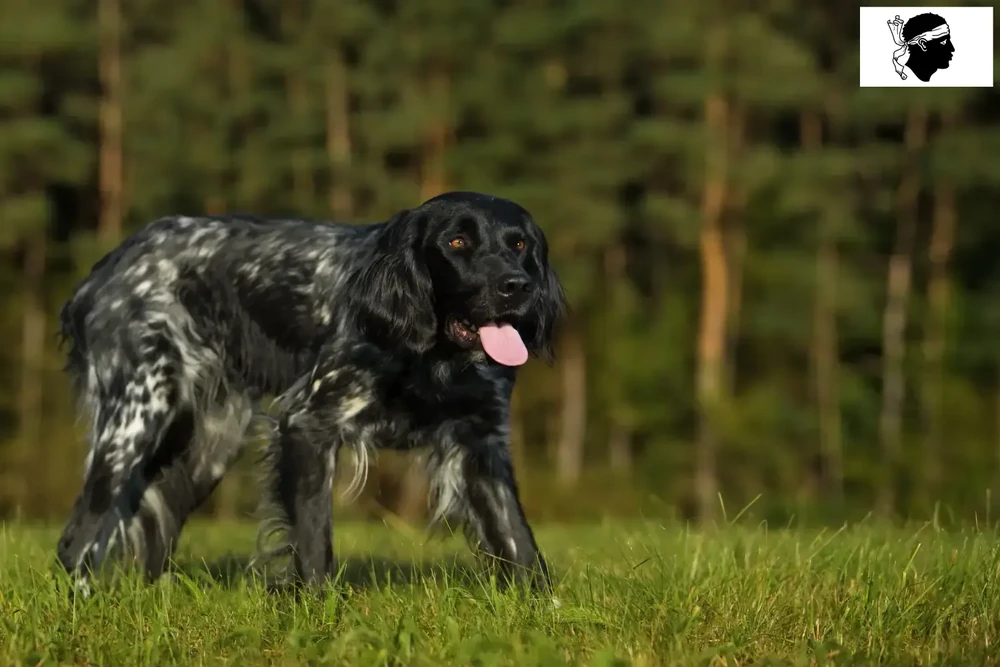
Large Munsterlanders are often described as highly trainable, but “trainable” is not the same as “low effort”. Think of them as responsive and quick to learn, with the added reality that they are physically capable and mentally busy. Consistent training, done kindly and regularly, usually pays off.
Positive reinforcement methods are widely recommended across modern dog training because they build clarity without relying on intimidation or pain. For sensitive, people-aware breeds, this approach often supports steadier behaviour and better recall in distracting environments.9
How much exercise is enough?
Many breed profiles describe adult Large Munsterlanders as needing more than two hours of exercise a day.4 In practice, the type of exercise matters as much as the minutes. A long lead sniff-walk, a retrieve session with rules, or structured gundog-style games can be more settling than repetitive high-speed running.
- Movement with purpose: brisk walks, hikes, controlled off-lead time where legal and safe
- Brain work: scent games, retrieve to hand, obedience patterns, place training
- Body care: warm-ups before hard running, and rest days built into the week
If your dog is adolescent, it is normal to feel like the “off switch” is missing. That phase is where training consistency and calm routines are most valuable, even when progress is not perfectly linear.
Health and preventative care
No breed is free of health risks, and a thoughtful approach is to plan for the common issues seen across active, medium-to-large dogs, then work with your vet and breeder to reduce avoidable problems.
Hip dysplasia is a known concern across many larger breeds, and responsible breeding practices often include screening. For owners, the practical side is maintaining a lean body condition, building fitness gradually, and taking exercise management seriously during growth and after injury.10
Another everyday issue to watch is ear health. Drop ears can reduce airflow, and dogs that swim, retrieve in wet conditions, or spend time in long grass may be more prone to irritation or ear infections. Regular ear checks and prompt veterinary advice for redness, odour, discharge, or head-shaking are sensible routines, especially in a water-loving gundog.
What “healthy routine” looks like
- Vet checks: keep vaccinations, parasite control, and dental care on schedule
- Weight management: keep them athletic, not “solid”
- Conditioning: build endurance and muscle gradually, avoid sudden spikes in workload
- Feet and ears: check after swims, burrs, mud, and long runs
Coat care, grooming, and the everyday mess
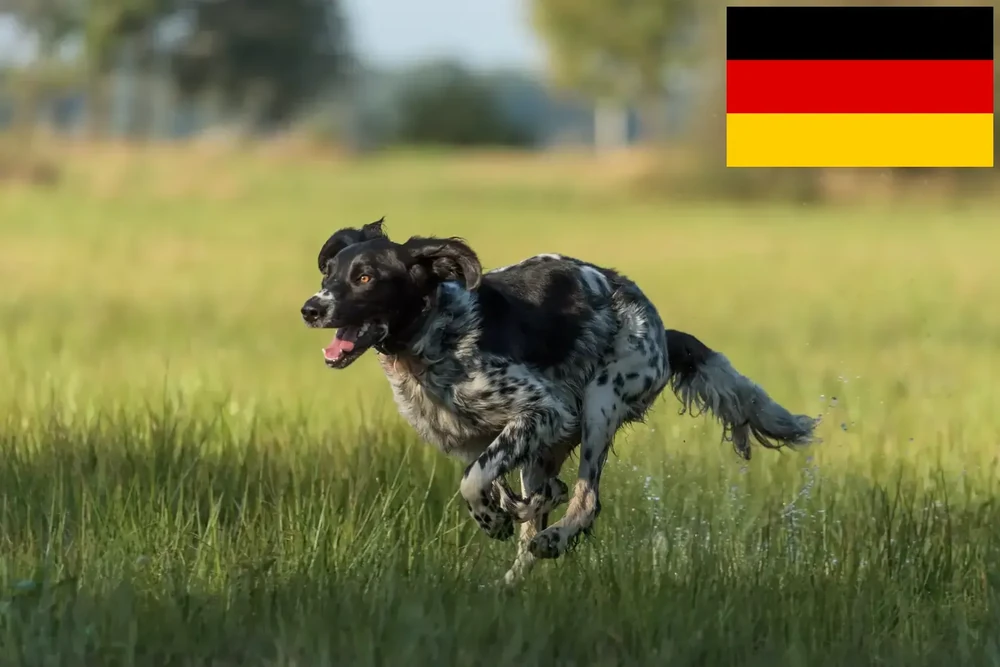
The Large Munsterlander has a long, dense coat with feathering that is functional as well as handsome. The breed standard describes the coat as long and dense, but not curly or coarse, with feathering on legs and tail, and shorter, smooth hair on the head.3 That feathering picks up seeds, burrs, and water, so grooming is less about aesthetics and more about comfort.
A few good habits usually make life easier:
- Brush several times a week, more if your dog runs through scrub or swims regularly
- Check feathering, armpits, and behind the ears for tangles and grass seeds
- Rinse and dry after salt water or muddy outings, especially under the ears and on the belly
- Keep nails and paw fur tidy so the dog can move cleanly and confidently
Many owners find that a quick “field check” after walks prevents most grooming becoming a big session later. It also helps you notice small skin irritations early.
Feeding an active gundog, without overdoing it
Large Munsterlanders are built to work, and it is easy to assume they need lots of food simply because they have lots of energy. In reality, the goal is steady condition and recovery, not maximum calories. A high-quality complete diet that suits your dog’s life stage and workload is usually the simplest foundation.
If your dog is doing substantial exercise, your vet can help you adjust portions and choose a diet that supports muscle and joints without creeping weight gain. Treats are useful for training, but they add up quickly in a clever breed that enjoys learning.
Feeding rhythm that often suits the breed
Many owners prefer two meals a day, which can help with routine and training. For very active dogs, splitting food into smaller meals can also help some individuals maintain comfort and energy, though you should follow veterinary advice for your dog’s specific needs.
Living with a Large Munsterlander: the practical fit
The Large Munsterlander often thrives with people who like being outdoors and who enjoy training as an ongoing relationship, not a one-off puppy class. They can live in a range of settings, but they are rarely happy as a low-interaction backyard dog. They usually do best when their humans have time to provide structure, movement, and companionship.
If you are weighing up the breed, it can help to ask yourself a few honest questions:
- Can I reliably provide daily exercise plus training, not just weekend adventures?
- Do I enjoy teaching skills and maintaining routines?
- Am I comfortable with a dog that wants to be involved, including inside the house?
- Do I have a plan for adolescence, when energy and curiosity can spike?
When those pieces are in place, the Large Munsterlander tends to repay the effort with a steady kind of partnership, the sort you feel on a quiet walk when the dog checks in without being asked.
References
- Large Münsterländer (Wikipedia)
- Large Munsterlander Club of America: Breed History
- The Kennel Club: Large Munsterlander Breed Standard
- The Kennel Club: Large Munsterlander (Breed Information)
- The Large Munsterlander Club (UK): The Breed
- Large Munsterlander Club of North America (LMCNA)
- Large Munsterlander Association of Canada: Profile of a Large Munsterlander
- Gun Dog Magazine: The Large Munsterlander
- RSPCA Australia: Effective training methods for dogs
- OrthoInfo (American Academy of Orthopaedic Surgeons): Hip Dysplasia