

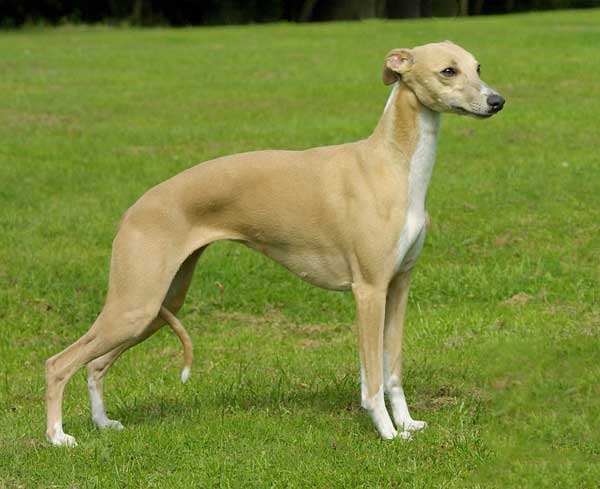
You might come across the name Levriero Sardo after seeing a lean, greyhound-like dog in a photo, hearing someone mention Sardinia, or noticing how some sighthounds seem both athletic outdoors and surprisingly settled at home. It can be tempting to assume that all sleek, leggy dogs are basically the same, just with different labels.
In practice, sighthounds often share a recognisable outline, but they can differ a lot in availability, history, and how they fit into everyday life. The Levriero Sardo is especially easy to misunderstand because it is rare and locally rooted, with much of its story tied to Sardinia rather than to large kennel club systems.1
If you are considering one, or you are simply trying to place this breed in context, it helps to focus less on romance and more on the lived basics: how a sight-driven dog moves through the world, what it needs to stay safe, and what responsible care actually looks like over many years.
- Breed category: Sighthound
- Country of origin: Italy (Sardinia)
- Typical height: About 60 to 70 cm at the shoulder (commonly cited)
- Coat: Short, smooth
- Exercise needs: High
- Common strengths: Speed, agility, alertness
- Common watch-outs: Prey drive, cold sensitivity, safe off-lead management
History and origin in Sardinia
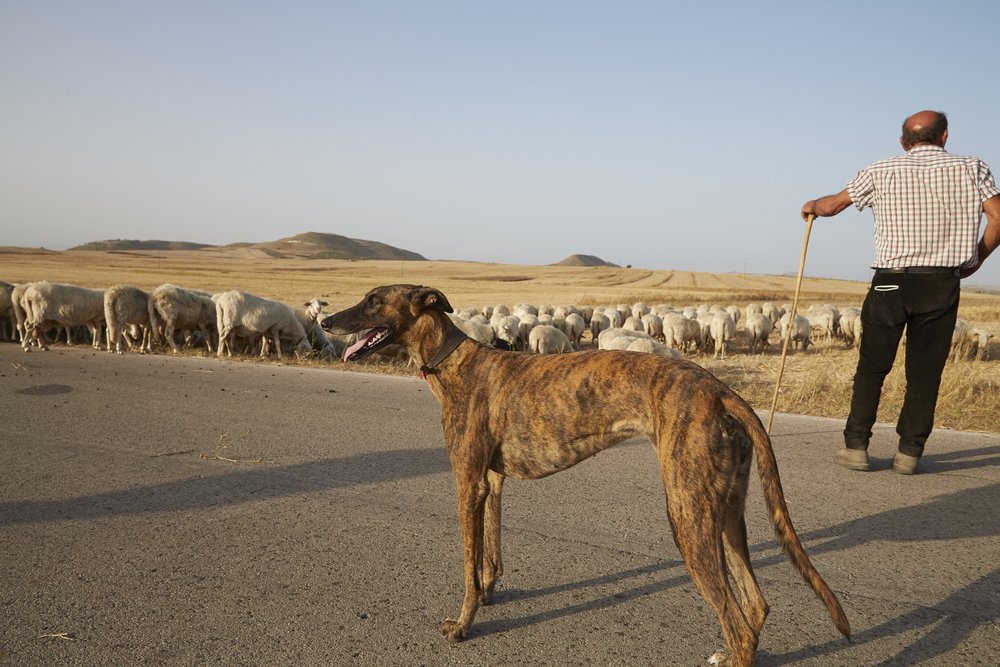
The Levriero Sardo is widely described as a very rare sighthound from Sardinia, Italy, sometimes recorded with local names (including cani de lèpori).1 Unlike more standardised sighthound breeds, it is not broadly recognised by major international kennel clubs, which affects how consistently it is described and how easily reliable information can be found.
When people speak about this breed’s past, hunting and coursing are recurring themes. That fits the wider sighthound pattern: dogs selected for keen vision, fast acceleration, and the ability to cover ground efficiently. Still, for the Levriero Sardo, much of what circulates outside Sardinia is fragmentary. A good working assumption is that the breed, as discussed today, sits in a space between local landrace and modern “breed” in the formal sense.1
That matters because it changes what “typical” means. If you are reading height, weight, or temperament claims, treat them as guideposts rather than guarantees, and prioritise information from current custodians, veterinarians, and ethical breeders who can explain how their dogs are raised and managed.
Physical characteristics that shape daily life
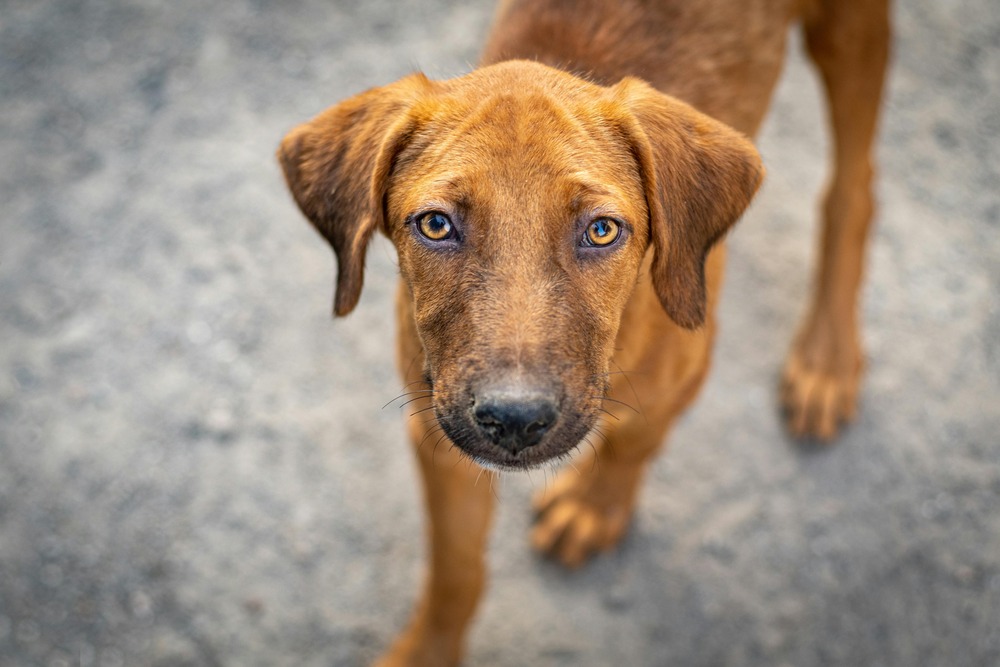
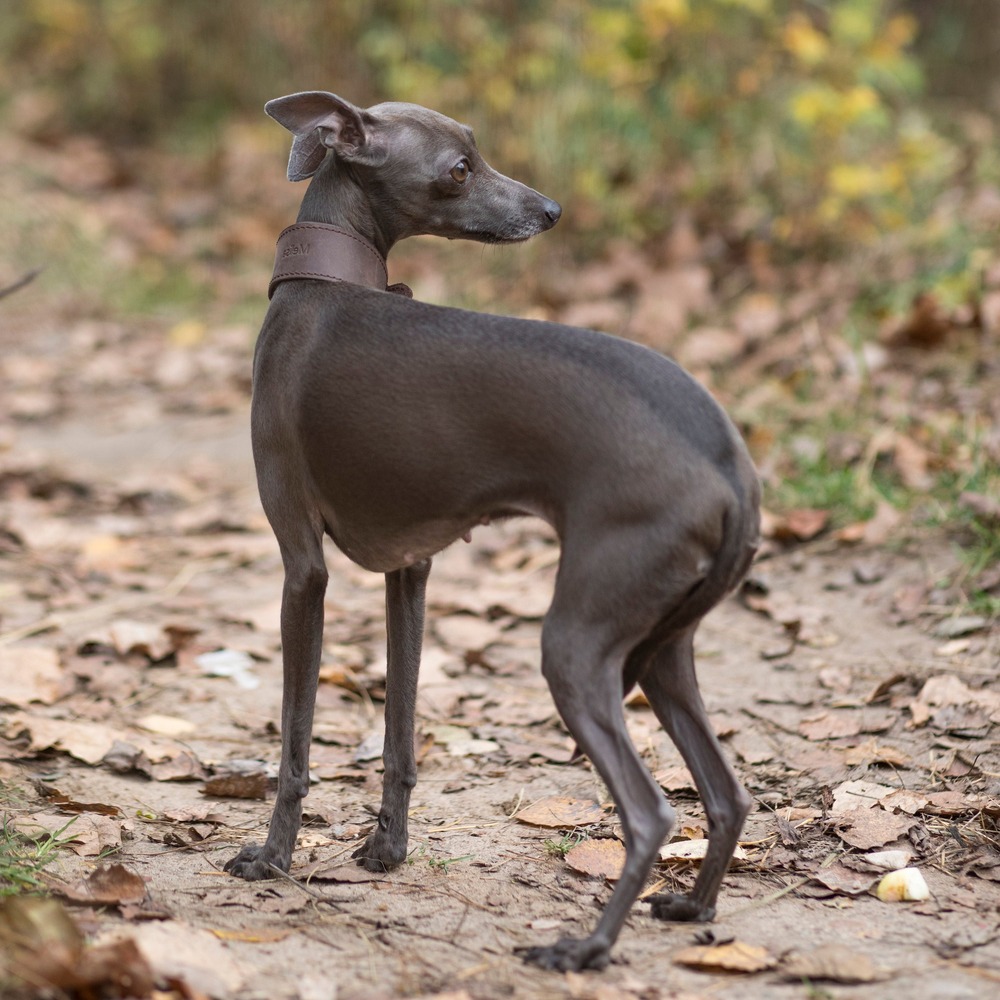
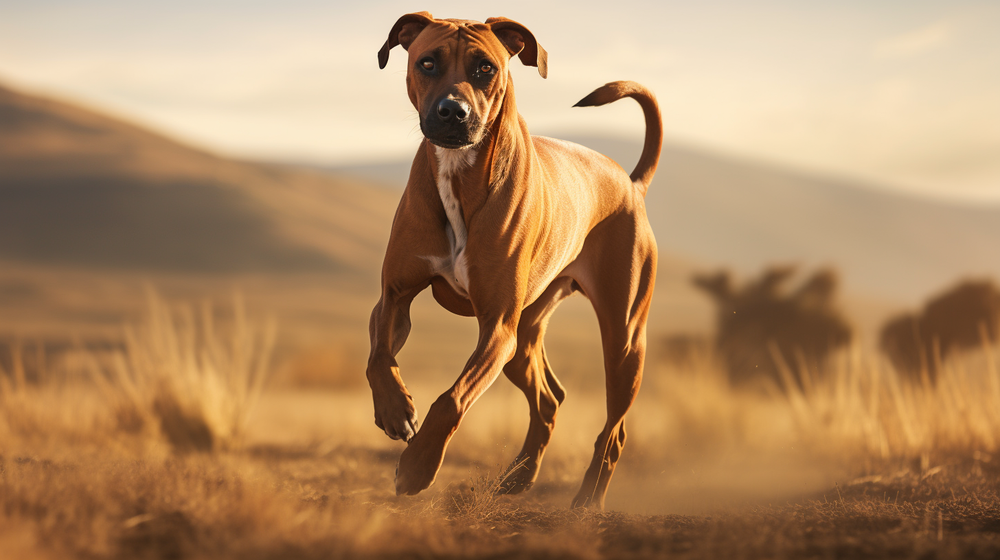
Most descriptions emphasise a lean, athletic build and a short, smooth coat, the kind of body that looks designed for speed rather than bulk. In sighthounds generally, this shape often comes with a few practical consequences: they can be remarkably efficient movers, and they can be more vulnerable to cold than people expect, especially when they are standing still rather than running.1, 2
It is also worth remembering that “low grooming” does not mean “no care”. Short coats still shed, nails still need attention, and ears and teeth still benefit from routine checks. With any slender, active dog, comfort is a real welfare issue. Bedding that supports bony points, warm rest spaces in winter, and thoughtful handling all make day-to-day life smoother.
If you live somewhere with cool mornings and cold floors, plan for warmth. Many lean, short-coated dogs do better with practical cold-weather protection (a well-fitting coat outdoors, warm bedding indoors), particularly if they are older, thin, or prone to stiffness.2
Temperament and behaviour, what sighthounds tend to share
People are often drawn to sighthounds because they can look composed and elegant, then suddenly reveal an intense burst of speed. The Levriero Sardo is commonly described as intelligent, loyal, and alert, with a low tendency to be noisy. Those traits can suit many households, but they are best understood through the lens of sight-driven behaviour: these dogs notice movement quickly, and once they lock onto something, instinct can outrun training.
That does not make them “difficult” by default. It means they do best with management that respects how they are wired. For some individuals, calm routines and quiet companionship will come naturally. For others, arousal around wildlife, cats, or running children may need careful shaping and realistic boundaries.
With children, success tends to come from supervision, sensible rules, and giving the dog genuine downtime. Many sighthounds do not enjoy constant physical fuss. They often prefer gentle handling and the option to move away. This is not aloofness so much as a different social style, and it can be a very pleasant one once everyone understands it.
Training and exercise, building safety as well as fitness
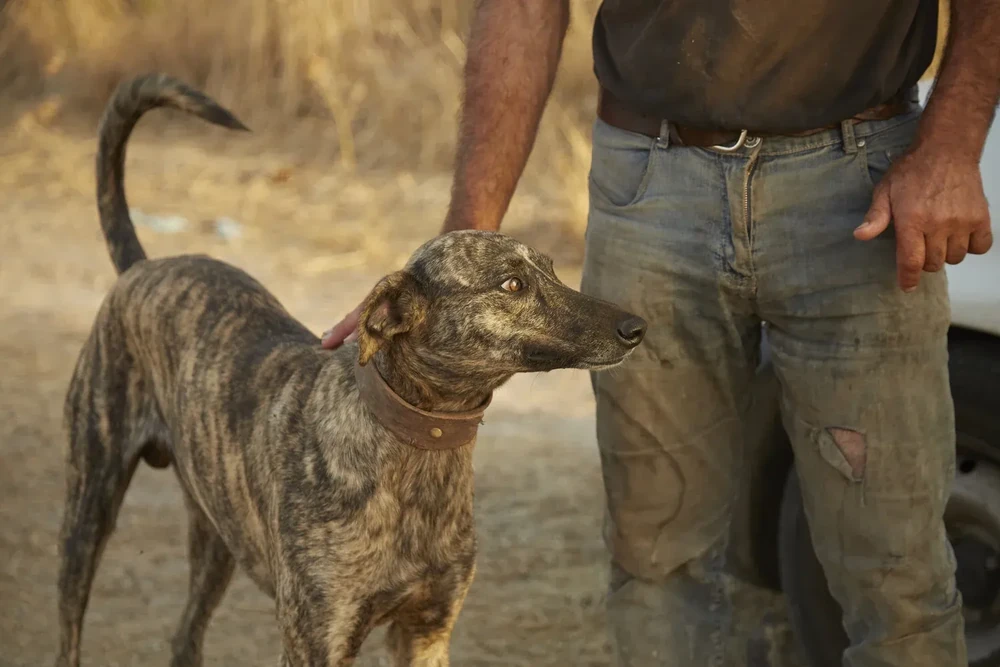
Exercise for a sighthound is not only about kilometres walked. It is also about giving the dog a safe way to do the things its body is built for, without rehearsing unsafe habits like chasing wildlife across roads. For many sighthounds, a secure, fully fenced area is the difference between enjoyable freedom and an avoidable emergency.
Training is most effective when it is calm, consistent, and reward-based. Keep sessions short, teach key skills in low-distraction environments first, and be honest about the limits of recall around fast-moving triggers. A strong recall is worth working on, but it should not be treated as a guarantee that overrides prey drive.
In day-to-day life, it helps to prioritise:
- Lead skills and handling, including walking politely past distractions
- Gradual socialisation that stays within the dog’s comfort zone
- Enrichment that reduces boredom (sniff walks, food puzzles, simple tracking games)
- Safe sprint opportunities in enclosed spaces, rather than risky off-lead “hopes”
Health and lifespan, what to watch and how to plan
Lifespan is often listed in the low-to-mid teens for medium-to-large dogs of this type, but with a rare breed it is hard to be precise. The most useful approach is to plan for a long partnership and keep your care steady: preventive veterinary checks, appropriate body condition, dental care, parasite control, and prompt attention to any change in gait, appetite, or stamina.
Hip dysplasia is often mentioned in general breed summaries, although the strength of breed-specific data is unclear. Still, if you are sourcing a puppy, it is reasonable to ask what screening is done in the breeding dogs and to request documentation where it exists. Orthopaedic Foundation for Animals (OFA) guidance is a helpful reference point for what hip and elbow evaluations can look like in practice.3
Whatever the breed label, the everyday health basics stay the same. Keeping your dog at a lean, fit weight supports joints and overall comfort. If your dog is very active, discuss feeding and conditioning with your vet so that enthusiasm does not outpace physical readiness.
Grooming and maintenance, simple routines that pay off
A short coat is usually straightforward: a quick weekly brush or grooming mitt can help remove loose hair and dust, and it gives you a regular chance to check skin, paws, and nails.
What matters more is the quiet maintenance people forget until it becomes a problem:
- Nails kept short, to support sound movement
- Ears checked and cleaned when needed
- Teeth cared for consistently, not only when there is bad breath
- Comfort planning for cold weather, including warm bedding and coats when appropriate2
If your dog resists handling, go slowly. Cooperative care is a skill that can be trained, and it reduces stress for everyone over the dog’s lifetime.
Diet and nutrition, keeping it sensible and safe
For an athletic, lean-bodied dog, the goal is steady energy and a stable body condition, not rapid weight gain. Choose a complete and balanced diet appropriate for your dog’s life stage, and adjust portions based on what you see in the body rather than what the packet suggests.
It is also worth being very clear on household food risks. Some toxicities are widely known, but still catch people out in everyday cooking and celebrations. In Australia, Dogs Australia and the RSPCA both highlight common hazards such as onions and garlic, grapes and raisins (including in baked goods), chocolate, xylitol, alcohol, and macadamias.4, 5
If you suspect your dog has eaten something dangerous, do not wait for symptoms. Contact your vet straight away, and if you are in Australia you can also contact the Australian Animal Poisons Helpline as advised by RSPCA guidance.5
Living with a Levriero Sardo, who it tends to suit
This is often described as an active dog with a strong chase instinct and a need for daily movement. That can work beautifully for people who enjoy walking, running, or structured outdoor time, and who can provide secure containment. It can also work in smaller homes, including apartments, if the dog’s exercise and enrichment are met and the household is calm and consistent.
The harder fit is usually not about space, but about expectations. If you want a dog that can reliably wander off-lead in unfenced areas, greet every stranger, and ignore wildlife without a second thought, a sighthound-shaped dog may not match that picture. If you enjoy a dog with quiet companionship and a thoughtful routine, and you are willing to manage prey drive with care, the partnership can be very rewarding.
Final thoughts
The Levriero Sardo tends to capture attention because it is both familiar and unfamiliar: a recognisable sighthound silhouette, attached to a specific place and a less formalised breed history. If you are drawn to it, focus on what will keep the dog safe and well, secure spaces, thoughtful training, appropriate warmth, and a stable daily rhythm.
With rare breeds especially, the most responsible next step is often not searching for the perfect description. It is finding credible, welfare-minded guidance, speaking with experienced breeders or rescue networks where they exist, and working with your vet to build a practical care plan that suits the individual dog in front of you.
References
- Wikipedia: Levriero Sardo
- The Guardian: Does your dog really need a jacket in the Australian winter?
- Orthopedic Foundation for Animals (OFA): Hip Dysplasia
- Dogs Australia: Toxic food for dogs
- RSPCA Pet Insurance: Fruit and vegetables to avoid feeding your dog
- FOUR PAWS Australia: Dangerous foods for dogs
- Crookwell Veterinary Hospital: Dangerous foods (chocolate, onions, grapes and raisins)
- Alphington and Fairfield Vet: Pet care information (toxic foods guidance)