

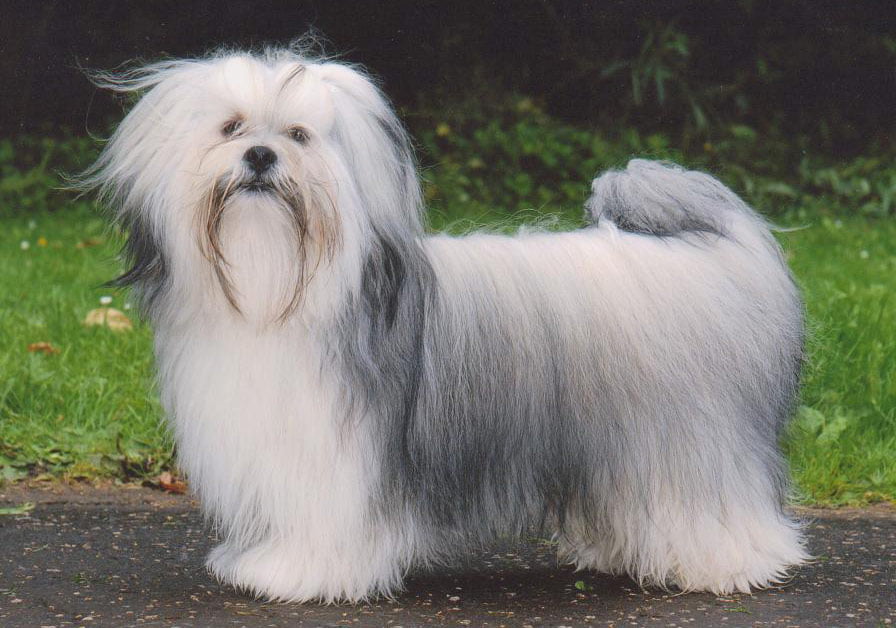
People often notice the Lhasa Apso in two very different moments. One is when you spot that long, floor-sweeping coat and think, surely that dog is all grooming and glamour. The other is when a small dog at the window takes its job very seriously, watching the street and sounding the alarm with surprising confidence.
Both impressions are true, and both can be misleading if you only hold one at a time. The Lhasa Apso was shaped by life as an indoor sentinel as much as by its distinctive coat. Understanding that helps owners make sense of the breed’s steadiness, its tendency to be a little reserved with strangers, and why training can feel like a negotiation rather than a lecture.
For the right household, a Lhasa Apso is a compact companion with real presence. The practical question is not whether they are “good” dogs, but whether your routine matches a dog that thrives on closeness, thoughtful boundaries, and regular coat care.
At a glance: Lhasa Apso essentials
- Origin: Tibet
- Height: about 25.4 cm at the shoulder (bitches slightly smaller)
- Build: sturdy, longer than tall
- Coat: long, heavy, straight outer coat with moderate undercoat
- Temperament: alert, steady, often aloof with strangers
- Exercise: moderate, daily walks and play
- Typical lifespan: often 12 to 15 years
- Best fit: homes that enjoy companionship and can keep up with grooming
History and origin: a small dog with a serious job

The Lhasa Apso comes from Tibet, where small watchdogs were kept in and around monasteries and homes. Over time, the breed became known for being alert indoors, conservative with unfamiliar people, and closely bonded to its own household. That “watchful” quality is not a flaw to train out. It is a trait to guide and manage. 1, 2
Historically, Lhasa Apsos were also exchanged as valued gifts, which helped the breed travel beyond Tibet. In modern kennel club terms, they sit in the companion and toy grouping (FCI Group 9, Tibetan breeds section), reflecting what they have become for most families: a house companion with a strong sense of place. 1, 3
Physical characteristics: built for climate, adapted for the lounge room

A typical Lhasa Apso is well balanced and sturdy, with a body that is longer than it is tall. Many people focus on the coat first, but the structure underneath matters for comfort and sound movement, especially as the dog ages. 1
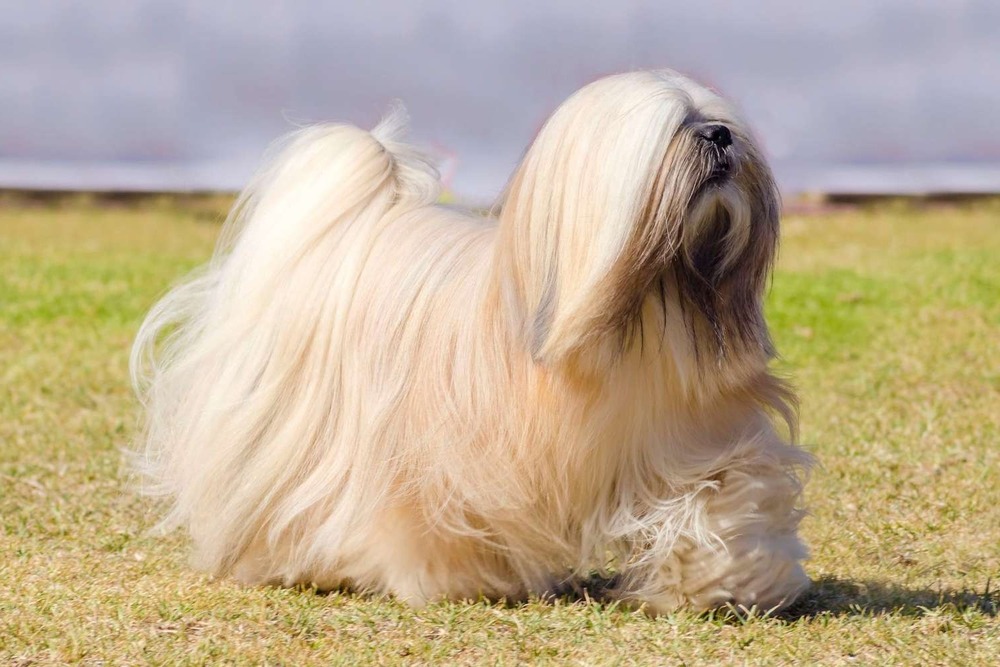
The coat is long, heavy and straight, with a texture described as hard rather than silky or woolly. It was functional in a harsh environment, but in everyday Australian life it means owners need to think about heat, knots, and hygiene around the eyes, feet and tail furnishings. 1, 4
Colours vary widely and are all acceptable in breed standards. The head furnishings can give a “lion-like” outline, but it is more accurate to think of it as heavy facial hair that needs maintenance so the dog can see clearly and stay comfortable. 1
Temperament and behaviour: loyal, observant, not everyone’s best mate

Lhasa Apsos are often described as gay and assertive in older breed language, which in day-to-day terms reads as confident and self-possessed. A common thread is that they are steady but somewhat aloof with strangers. That can look like “stubbornness” if you expect instant friendliness. It can also be a strength in a dog that lives well in busy buildings and neighbourhoods. 1
With their own people, many Lhasa Apsos form strong bonds and enjoy being near the household’s activity, without necessarily needing constant fuss. They tend to prefer predictable handling and clear routines. If a Lhasa bristles at too much grabbing or rough play, it is usually a communication about comfort, not “dominance”.
With children, it often goes best when kids are old enough to understand gentleness and give the dog space. With other pets, early introductions and calm, repeated positive experiences usually matter more than any breed stereotype.
Training and exercise: calm consistency beats force
Training a Lhasa Apso is often less about drilling commands and more about building habits the dog can live with. A thoughtful approach helps because these dogs were selected to notice change and to make their own assessments. Early socialisation supports confidence, but it should be done at the dog’s pace, with plenty of distance and rewards. 5
Positive reinforcement methods tend to suit the breed. Keep sessions short, keep rewards meaningful, and avoid turning training into a tug-of-war. Many Lhasas respond best when the household is consistent about boundaries, especially around barking at the door or window. If you ignore the pattern for months and then suddenly try to stop it, you will both feel frustrated.
Exercise needs are usually moderate. Most Lhasa Apsos do well with daily walks and some indoor play, plus small “thinking” activities like scent games or puzzle feeders. In hot weather, adjust your routine rather than pushing through it. The RSPCA recommends walking early or late and checking surfaces, using a simple hand test, because hot pavement can burn paws quickly. 4
Grooming and maintenance: the real commitment
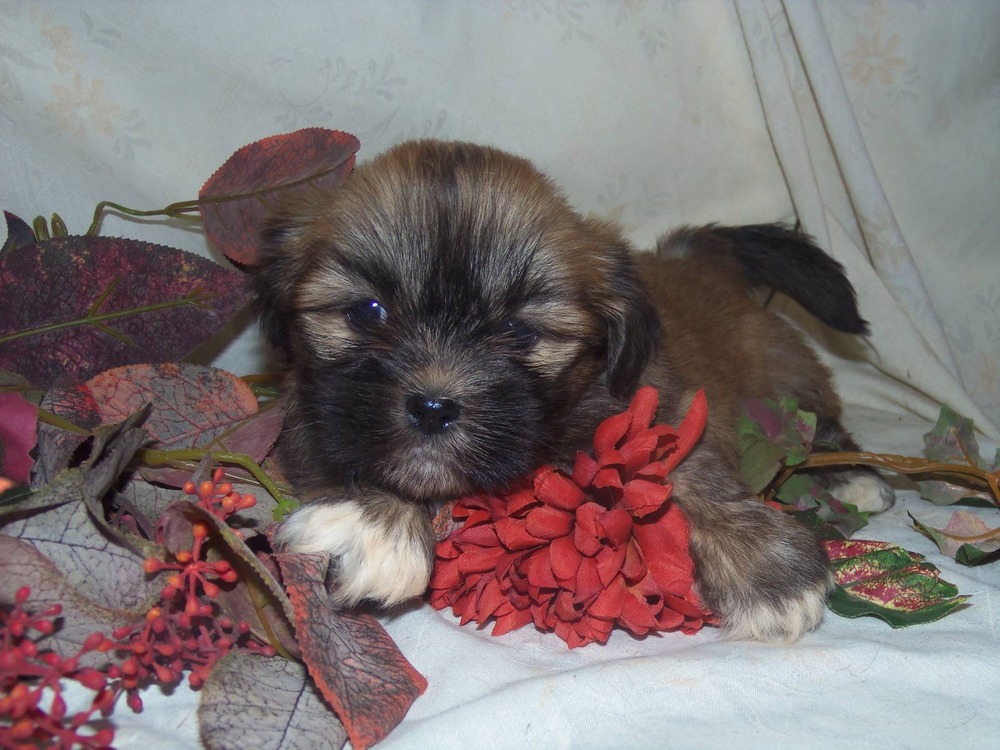
Living with a Lhasa Apso usually means committing to coat care. A long coat mats easily where there is friction: behind ears, under collars, in armpits, and around the groin. If you want to keep the coat long, expect frequent brushing and careful combing down to the skin. If you prefer a shorter clip, you still need regular brushing, bathing, and tidy-ups around the eyes and feet.
It helps to frame grooming as a welfare routine rather than a beauty routine. Small, frequent sessions often feel easier for both dog and owner than long battles once a week. Build positive associations early, handle paws and ears gently, and talk to your groomer about a schedule that matches your lifestyle.
Because the coat is dense, these dogs can struggle in heat if they cannot cool down. Prioritise shade, airflow, and fresh water, and bring them inside if your home is cooler. If you suspect heat stress, the RSPCA advises using cool or tepid water and fanning, avoiding ice-cold water, and seeking veterinary help promptly. 4
Health and lifespan: what to watch, and how to stack the odds
Many Lhasa Apsos live into their teens, and a lifespan of around 12 to 15 years is commonly cited. The foundations are familiar: appropriate body condition, dental care, grooming that prevents skin problems, and regular veterinary checks. 6
Like many small breeds, they can be prone to dental disease, so home dental care and professional advice matter earlier than many people expect. Do not wait for bad breath as the first sign. 7
Breed lines can be affected by issues such as patellar luxation (kneecap problems), hip dysplasia, and eye conditions. If you are buying a puppy, ask what health screening is done in that line and what problems the breeder sees most often. If you already have a Lhasa, take note of subtle changes: squinting, bumping into furniture in dim light, reluctance to jump, or a shift in gait. Early assessment is kinder and usually cheaper.
Diet and nutrition: keeping it simple, keeping it safe
A balanced, complete diet that matches life stage and activity level is usually the most sustainable choice. The WSAVA Global Nutrition Committee emphasises that nutrition should be assessed for every pet, and that recommendations should be tailored to the individual rather than based on trends. 8
Small dogs can gain weight quickly, especially when treats become part of daily affection. Use treats intentionally, and consider taking a portion of the day’s kibble to use in training rather than always adding extras.
It also helps to be clear about household hazards. Several everyday foods can be dangerous to dogs, including chocolate, grapes and raisins, onions and garlic, macadamias, and items sweetened with xylitol. If your dog gets into something questionable, it is safest to contact your vet promptly rather than waiting for symptoms. 9, 10
Living well with a Lhasa Apso

The Lhasa Apso tends to shine in homes that like a dog with opinions, a dog that notices things, and a dog that enjoys being close without being constantly handled. If you make space for their watchfulness, keep grooming realistic, and train with quiet consistency, you often end up with a companion that feels deeply woven into daily life.
They are not a “set and forget” breed. They are, however, often a very satisfying one for people who appreciate a small dog with calm confidence and a long memory for routine.
References
- Federation Cynologique Internationale (FCI): Lhasa Apso (Standard information)
- The Kennel Club (UK): Lhasa Apso breed standard
- FCI: Lhasa Apso (Group and recognition details)
- RSPCA Australia: Keeping your pet safe during the heat
- RSPCA Knowledgebase: Socialisation and habituation in dogs
- American Kennel Club (AKC): Lhasa Apso
- American Veterinary Medical Association (AVMA): Pet dental care
- WSAVA: Global Nutrition Committee (nutrition guidance and resources)
- Agriculture Victoria: Human foods to avoid for cats and dogs
- RSPCA Australia: Household dangers to your pet