

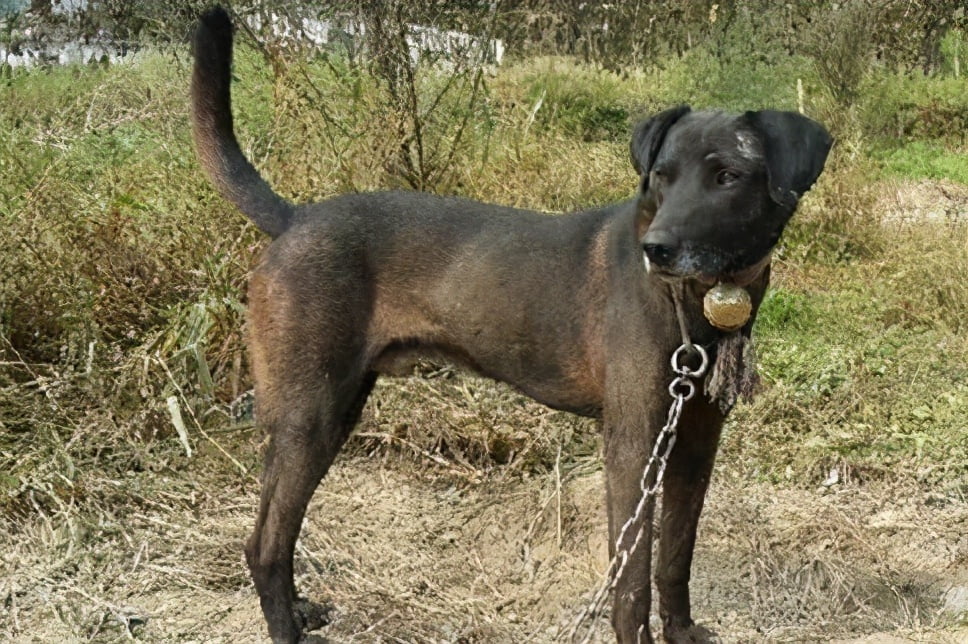
People usually come across the “Liangshan Dog” name in a few ways: a rescue listing that uses an unfamiliar breed label, a DNA result that mentions “Liangshan Hound”, or a photo online of a sturdy, black-headed hunting dog from China. It can be hard to tell what is reliable, because many profiles quietly mix up different Chinese landraces and working types.
It also helps to know that the Liangshan Dog is more often described as a scenthound used for hunting in mountainous country, rather than a neat, internationally standardised “breed” with one agreed look and temperament. That matters in practice, because a dog shaped by generations of field work will bring real drive, stamina, and opinions into everyday life, even in a suburban home.1, 2
If you are considering one, or you already share your home with a dog labelled Liangshan, the goal is less about chasing a perfect spec sheet and more about understanding the kind of dog you might be living with: alert, physical, and often very switched on to scent and movement.
Origins and cultural context
The Liangshan Dog (often also called the Liangshan Hound) is described as originating from Liangshan Yi Prefecture in Sichuan, China, and traditionally associated with the Yi people. In most sources, the dog’s work is framed around tracking and hunting in steep terrain, including wild boar, which helps explain the breed’s toughness and persistence on a scent trail.1, 2
You will sometimes see the Liangshan Dog presented as a herding or livestock-guarding breed. Some individual dogs may well be used opportunistically around farms, but the stronger thread in the written record is hunting and tracking. If your household is expecting an easy-going “farm dog”, this is worth holding gently in mind before you commit.1, 2
What they look like, and why descriptions vary
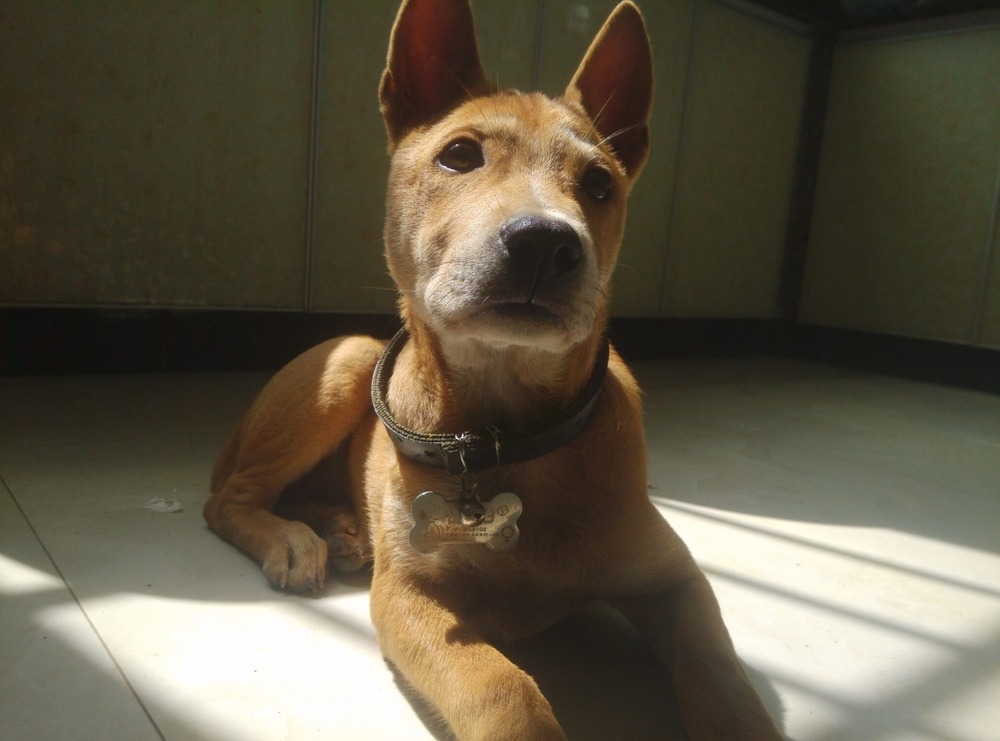
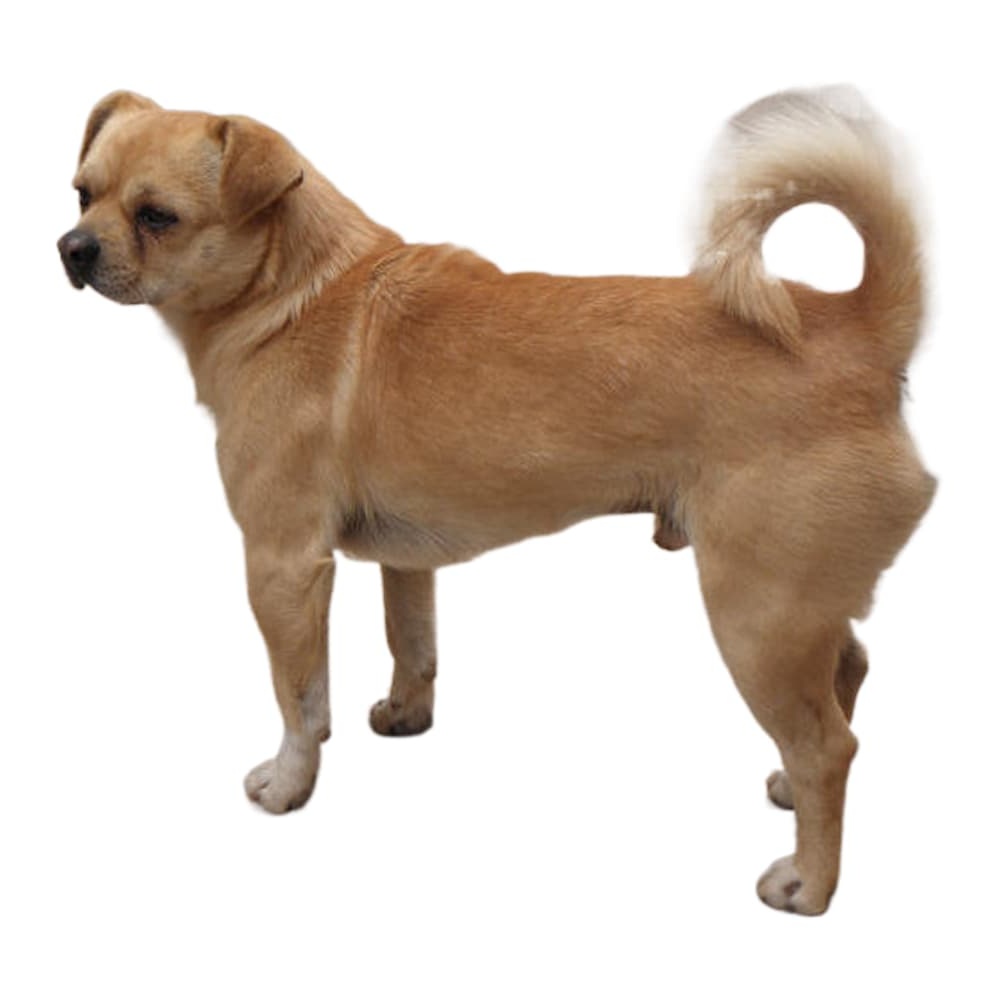
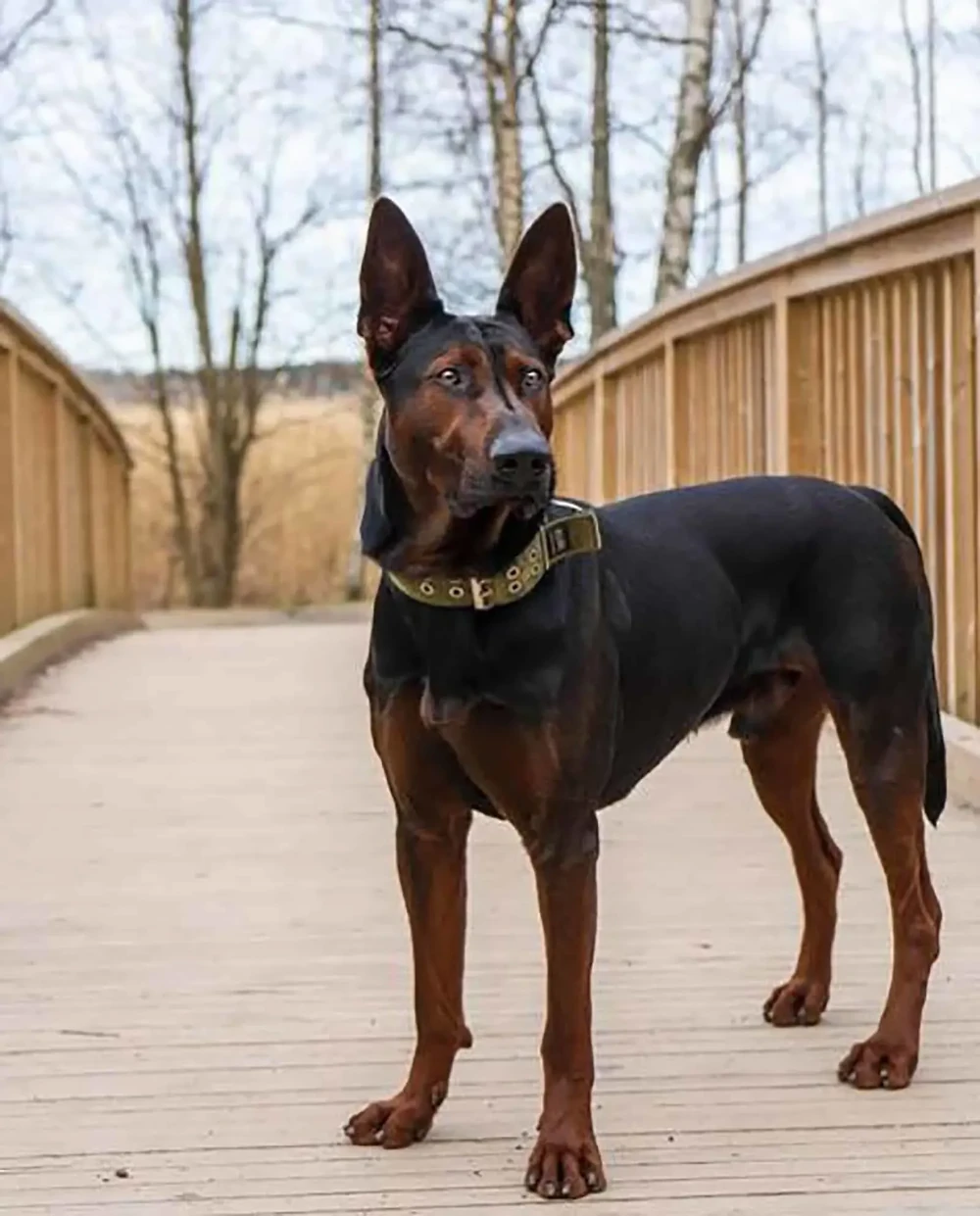
Many breed summaries describe a medium-sized scenthound with a short coat, a dark (often black) head, and a body that may show mixed red, yellow, grey, or black shading. Drop ears and a tail that curves over the back are also commonly mentioned, although you will see variation depending on the line and the source.1, 2
The variation is not a flaw so much as a clue. Where a breed is not widely standardised through major international kennel systems, you are more likely to see a “type” with shared features rather than a single uniform template. That is one reason it can be difficult to predict adult size or coat colour with confidence from a puppy photo alone.1
Temperament, instincts, and day-to-day suitability
Liangshan Dogs are often described as hardy, intelligent, and persistent workers. In a home setting, those traits can show up as strong scent interest, a need to move their bodies most days, and a tendency to stay alert to what is happening beyond the fence line.2
They can be devoted to their people, but it is best not to assume that devotion automatically equals easy sociability. Many hunting and guarding types are naturally wary, and some are selective with unfamiliar dogs. Early, thoughtful socialisation and ongoing management matter more than any one-line temperament label.
If you are weighing up whether the breed suits your household, it can help to ask practical questions rather than romantic ones:
- Can you provide daily exercise plus sniff time, not just a quick lead walk?
- Do you have secure fencing and a plan for recall training that does not rely on luck?
- Is your home set up so a dog can rest properly, especially if they become watchful at windows and gates?
Training and socialisation that actually helps
For a bright, driven dog, training works best when it is both kind and consistent. The strongest evidence base in modern companion dog training supports reward-based methods, where you reinforce behaviours you want and reduce opportunities to practise the ones you do not. This approach is also recommended by veterinary behaviour organisations because it tends to carry less welfare risk than punitive tools and “dominance” techniques.6, 7
With scenthounds and hunting types in particular, it helps to treat recall as a long-term skill, not a single command. Build it in low-distraction places, pay well, and use a long line while you are still in the learning phase. At the same time, give your dog legal ways to do dog things, including sniff walks, food searches in grass, and simple tracking games.
Socialisation is not about forcing friendliness. It is about helping a dog learn that the world is predictable and safe. Slow exposure, distance, and choice often create better outcomes than “flooding” a dog with busy environments.
Exercise and enrichment, with heat in mind
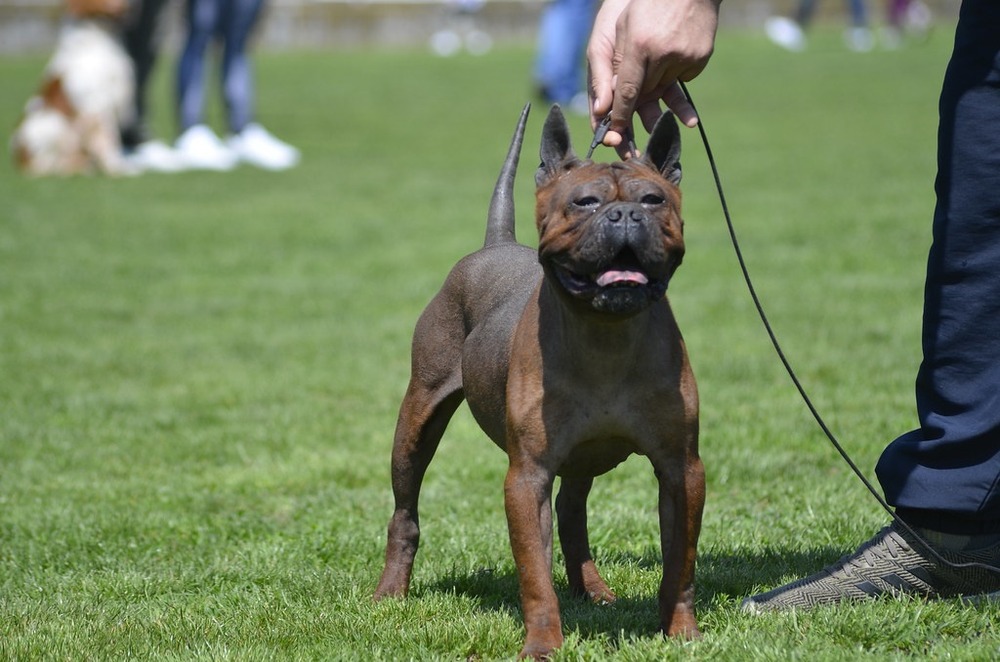
Most Liangshan descriptions emphasise stamina and endurance, so it is fair to expect a dog that benefits from regular, meaningful activity. Aim for a mix of movement and thinking: walking, climbing gentle hills, structured play, and scent-based enrichment. The point is not to create an athlete, but to support a dog that was built to work for hours.
Also plan for warm weather. Even dogs with short coats can overheat when they are excited, running hard, or unable to cool down properly. Watch for heavy panting, drooling, weakness, vomiting, and changes in gum colour, and seek veterinary help quickly if you suspect heat stress or heatstroke.4, 5
Health notes, and what to watch for
There is limited high-quality, breed-specific health data available publicly for the Liangshan Dog, especially compared with widely registered breeds. That said, any medium to large, athletic dog can develop orthopaedic issues, and it is sensible to stay alert to signs of hip pain or reduced hindlimb comfort over time.
Canine hip dysplasia is a developmental condition involving hip joint laxity and can lead to pain and arthritis. Signs can include reluctance to jump, difficulty rising, hindlimb lameness, and reduced muscle over the rear legs. If you notice these patterns, a vet assessment is worthwhile rather than waiting it out.3
When choosing a puppy (or assessing a rescue), ask for whatever health history exists and focus on what you can control now: healthy weight, appropriate exercise, and good footing at home to reduce slipping.
Feeding and body condition
Most people want feeding advice that feels concrete, but the most useful anchor is simpler: choose a diet that is complete and balanced for your dog’s life stage, then adjust portions based on body condition and how your dog is actually doing. If you are uncertain, your vet can help you assess weight trend and body condition over time.
WSAVA’s nutrition resources are also helpful when you are comparing foods and trying to look beyond marketing. Ingredient lists alone rarely tell you whether a food is well formulated, so it is worth learning what questions to ask manufacturers, and what to look for on labels.8
Final thoughts
The Liangshan Dog is best approached as a capable working type with real instincts, not as a decorative rarity. In the right home, with steady training, secure boundaries, and enough daily engagement, these dogs can be deeply satisfying companions.
If your household cannot comfortably provide exercise, enrichment, and calm structure, it does not mean you are a “bad” owner. It simply means a different dog, with a different history, might fit more easily. Choosing with clear eyes is a kindness to everyone involved, including the dog.
References
- Wikipedia: Liangshan Dog
- Wisdom Panel: Liangshan Hound
- American College of Veterinary Surgeons: Canine Hip Dysplasia
- RSPCA Pet Insurance: Heatstroke guide for cats and dogs
- RSPCA Australia: Protect pets from heatstroke
- American Veterinary Society of Animal Behavior: Position statements
- RSPCA ACT: Dog training school (reward-based training)
- WSAVA: Global Nutrition Guidelines