

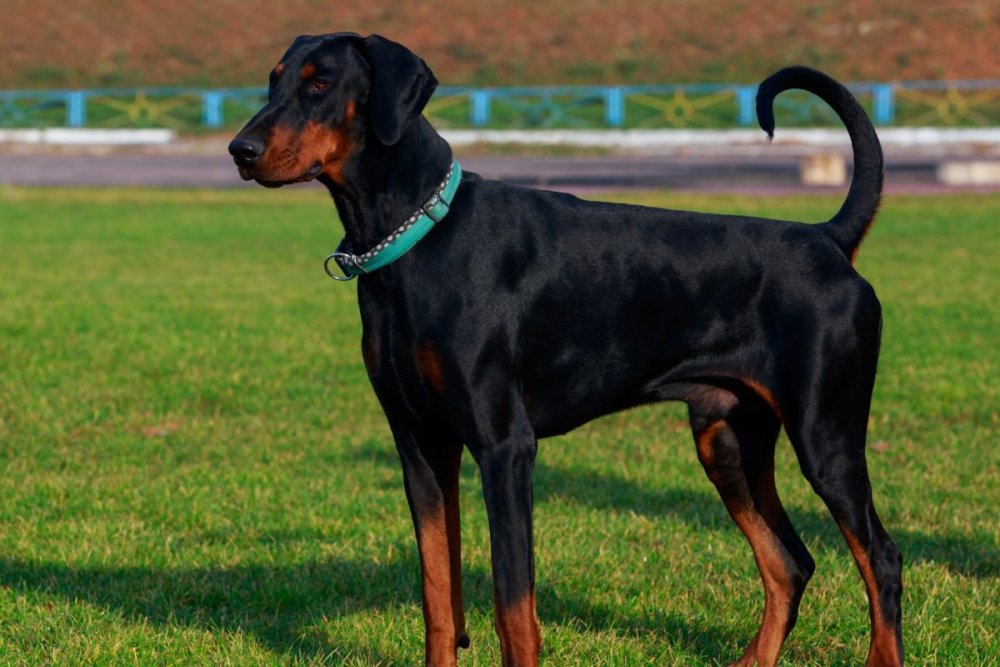
You might come across the Lithuanian Hound when you are scrolling breed lists, talking to a hunter, or noticing a striking black-and-tan hound in a photo and wondering, “What breed is that?” It can be surprisingly hard to find grounded information because this is a relatively rare breed outside Lithuania, and a lot of online summaries blur details or borrow facts from other hounds.
What tends to matter most in real life is not whether the breed sounds impressive on paper, but whether the dog in front of you will fit your home, your routines, and your tolerance for noise, roaming instincts, and daily exercise. With scent hounds especially, the gap between “friendly family dog” and “independent tracker who follows their nose” can be where people get caught out.
The Lithuanian Hound, known in Lithuania as Lietuvių skalikas, is best understood as a purpose-bred hunting companion that can also settle into family life when its needs are met. If you like the idea of a loyal, outdoorsy dog, but you also want clarity about training, recall, and health care, it helps to look at the breed in a practical, day-to-day way.
- Breed category: Hound (scent hound)
- Country of origin: Lithuania
- Typical height: males about 58 to 64 cm, females about 53 to 59 cm1
- Typical weight: often around 27 to 32 kg (varies by individual)1
- Typical lifespan: about 12 to 14 years1
- Coat: short, dense, glossy, with black and tan markings1
- Exercise needs: high, daily movement plus mental work (especially scenting)1, 5
- Grooming needs: generally low, occasional brushing
- Common practical watch-outs: ear care (floppy ears), joint health in active dogs6
Where the Lithuanian Hound comes from
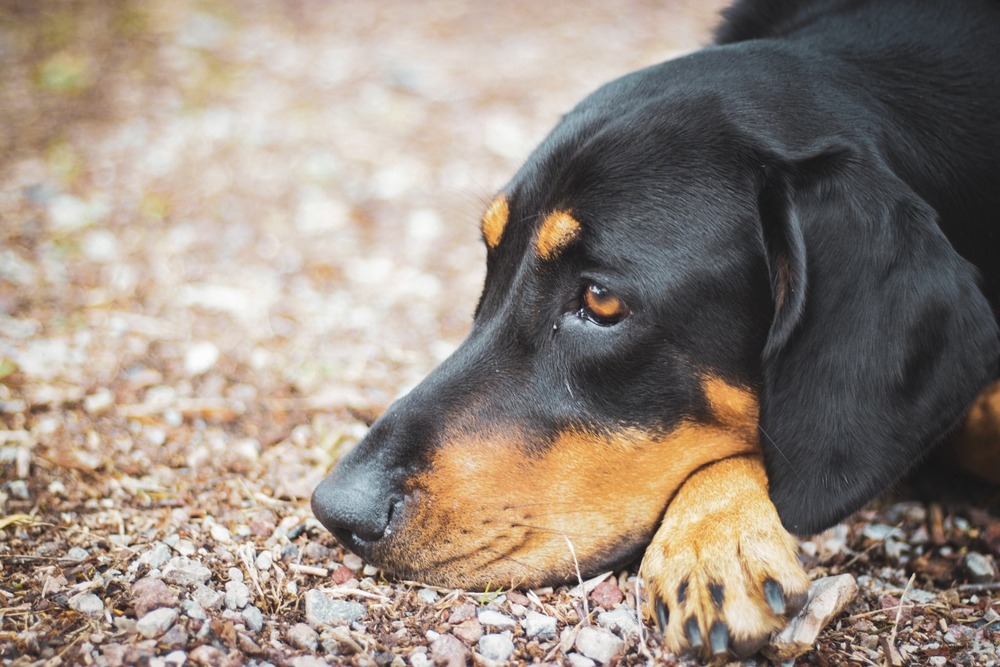
The Lithuanian Hound is closely tied to Lithuania’s hunting traditions and is often described as the only dog breed originating from Lithuania. Written histories commonly link the breed to the era of the Grand Duchy of Lithuania, with the modern population shaped by both local hunting dogs and imported hound types over time.2
One point that sometimes surprises people is recognition. The breed is widely discussed and documented, but it is not recognised by the Fédération Cynologique Internationale (FCI), which affects how consistently the breed is described across international sources.2
In practice, that means you may see variation in stated height and weight ranges depending on the source, the line, and whether the dog is bred for work, showing, or companion life. If you are speaking to a breeder or considering a dog, it is worth asking for the parents’ size and working style, not just a generic range.
Appearance that reflects the job
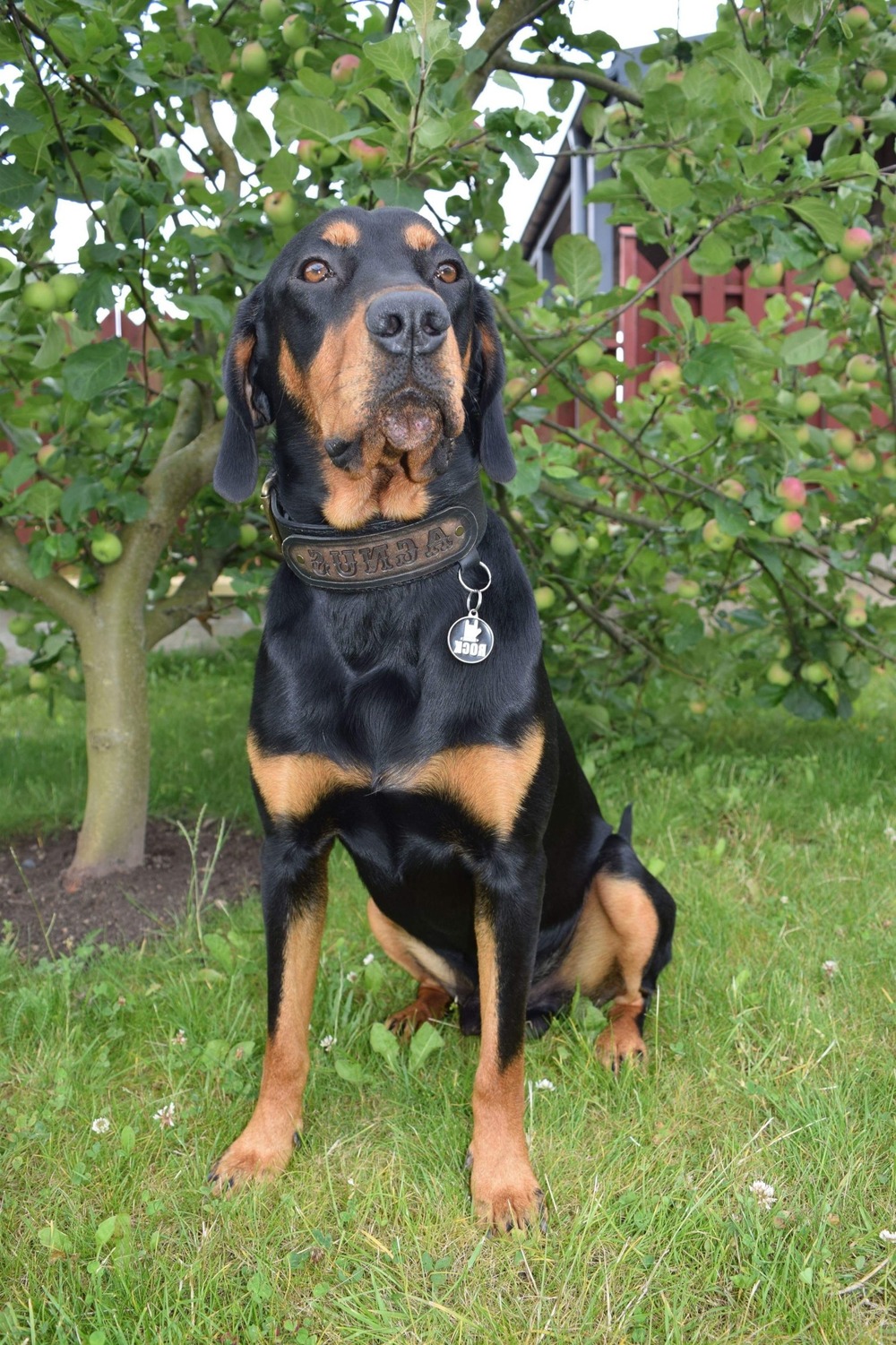
The Lithuanian Hound is a medium-to-large, athletic scent hound with a short, dense coat and a clear black-and-tan pattern. In breed descriptions, the boundary between the black and tan is meant to be distinct, with black covering much of the head, back, and outer limbs, and tan appearing on the muzzle, eyebrows, chest, and inner legs.1
These details can feel cosmetic until you spend time around working hounds. A practical coat is easy to maintain, sheds field dirt readily, and does not mat or collect burrs like some longer coats. The overall build is about stamina and steady movement rather than sprinting speed.
Long, floppy ears are part of the typical hound look, but they also change the care routine slightly. Airflow is reduced, moisture can linger after swimming or bathing, and some dogs need more attention to ear hygiene than owners expect.6
Temperament, and what “friendly” looks like in a hound

People often describe Lithuanian Hounds as loyal and sociable. That can be true, but it helps to hold two ideas at once: many hounds are affectionate with their people, and they are also independent problem-solvers when a scent trail is involved.
“Friendly” in a scent hound often looks like a dog that copes well with normal household life, enjoys company, and is generally steady. It does not always mean a dog that is naturally reliable off-lead, or a dog that automatically prioritises you over environmental rewards. With a breed built for tracking, the environment is part of the conversation.
In homes with children, success tends to come from the basics: supervision, teaching children how to approach dogs, and giving the dog quiet places to rest. With other pets, early management matters. Some individuals will coexist calmly, while others may become highly interested in smaller animals, particularly outdoors where scent and movement are stronger triggers.
Training that respects a nose-led brain
With the Lithuanian Hound, training is less about “dominance” and more about building habits that hold up when the world is interesting. A good plan is consistent, reward-based, and focused on the situations that actually cause problems, such as gates left open, visitors arriving, or a tempting trail on a walk.
Recall deserves special attention. Many scent hounds learn the cue quickly in low-distraction settings, then struggle when the scent picture changes. Rather than assuming stubbornness, think of it as competing motivations. Long lines, structured sniffing time, and gradual proofing are usually more realistic than relying on willpower.
Short sessions work well, and variety helps. Scent games, simple tracking exercises, and food-dispensing toys can meet the dog’s natural style of thinking while also making your training feel less like constant correction and more like a shared routine.5
Exercise and enrichment, beyond “a long walk”
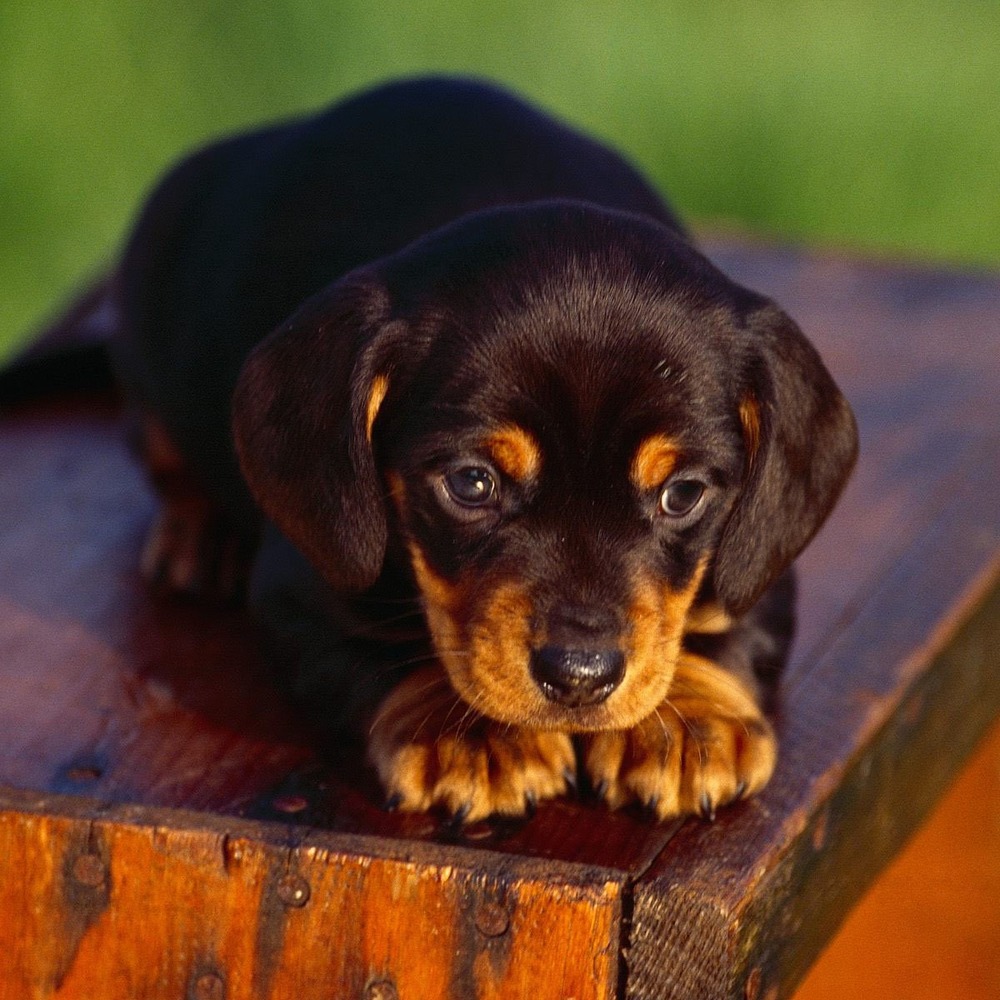
Most people know hounds need exercise, but the detail that changes everything is that they often need purposeful exercise. A brisk walk can be useful, but so can a slow sniffing walk, because scent work is mentally demanding in a way that simple distance is not.5
For many Lithuanian Hounds, the best weeks are the ones where movement and brain work are both present. Depending on the dog, that might include:
- on-lead bush walks with time allowed for sniffing (not just marching)
- scent-based games at home, like “find it” with treats
- structured running with a handler only if the dog is conditioned and joints are sound
- secure-yard play that does not rely on perfect recall
Because scent hounds can be motivated to roam, secure fencing and thoughtful gate habits are not optional extras. They are part of owning the breed safely, particularly in rural areas where wildlife, livestock, and roads may be close by.
Health and everyday care

The commonly mentioned lifespan for the Lithuanian Hound is around 12 to 14 years, with overall health shaped by genetics, conditioning, and routine veterinary care.1
Two practical areas to stay on top of are joint health and ear health. Active, athletic dogs benefit from sensible conditioning, maintaining a healthy weight, and avoiding repeated high-impact exercise when young. Floppy-eared dogs can be more prone to ear issues, especially if moisture and debris build up.
If you suspect an ear infection, the safest approach is to book a vet visit rather than trying to scrub it out at home. Redness, odour, discharge, head shaking, and sensitivity to touch are all common warning signs.6, 7
Ear cleaning, done gently
For routine maintenance, many veterinary sources recommend cleaning only when needed, and avoiding cotton buds in the ear canal. Wiping what you can see with cotton or gauze, and using a dog-safe ear cleaner when advised, tends to be a safer baseline than frequent, vigorous cleaning.6
Coat, nails, and the small routines
The short coat is usually straightforward. Occasional brushing helps with loose hair and gives you a chance to check for ticks, scratches, and any soreness after big outings. Nail care matters for movement and comfort, especially for a dog that covers ground and turns quickly when scenting.
Feeding and keeping weight sensible
It is tempting to reduce diet advice to a single “best” food, but what matters most is that the diet is complete and balanced for your dog’s life stage, and that it supports a healthy body condition. Many veterinary nutrition guidelines emphasise evaluating the whole diet plan, not just scanning an ingredient list for buzzwords.8
For an active hound, appetite and energy output can swing across seasons. If your dog is doing more work or more training, adjustments may be needed. If exercise drops, portions often need to come down too, because hounds can become heavy without anyone noticing until the harness fits differently.
If you are unsure, ask your vet to help you assess body condition and set a realistic feeding guide for your specific dog. That tends to be more reliable than following a generic chart on the back of a bag.
Is the Lithuanian Hound a good match for your life?

The Lithuanian Hound often suits people who like being outdoors, can provide daily exercise that includes sniffing and exploration, and are comfortable training a dog that sometimes weighs the world against your cue. The breed can be a steady companion, but it is rarely a low-effort dog.
Homes that tend to struggle are the ones expecting an “easy” off-lead dog without building foundations, or homes where boredom sets in because exercise is irregular. If you live in a suburban setting, the deciding factors are usually secure containment, realistic expectations about recall, and a routine that meets the dog’s need to move and scent.
If you are considering a Lithuanian Hound from a breeder or rescue, it is worth asking direct questions about the individual dog’s history: exposure to livestock, response to other dogs, handling tolerance, and how they behave when they pick up a scent. Those answers will tell you more than any single temperament label.
References
- Lithuanian Hound Club, Breed Standard of Lithuanian Hounds
- Wikipedia, Lithuanian Hound
- RSPCA Australia, The importance of enrichment for dogs
- Cornell University College of Veterinary Medicine, How to Clean Your Dog’s Ears
- RSPCA Australia, Exercise and mental enrichment ideas for dogs
- Cornell University College of Veterinary Medicine, Ear cleaning frequency and what to avoid
- Animal Medical Center, Ear infections in pets: causes and treatments
- WSAVA, Global Nutrition Guidelines
- American Kennel Club, How to clean a dog’s ears