

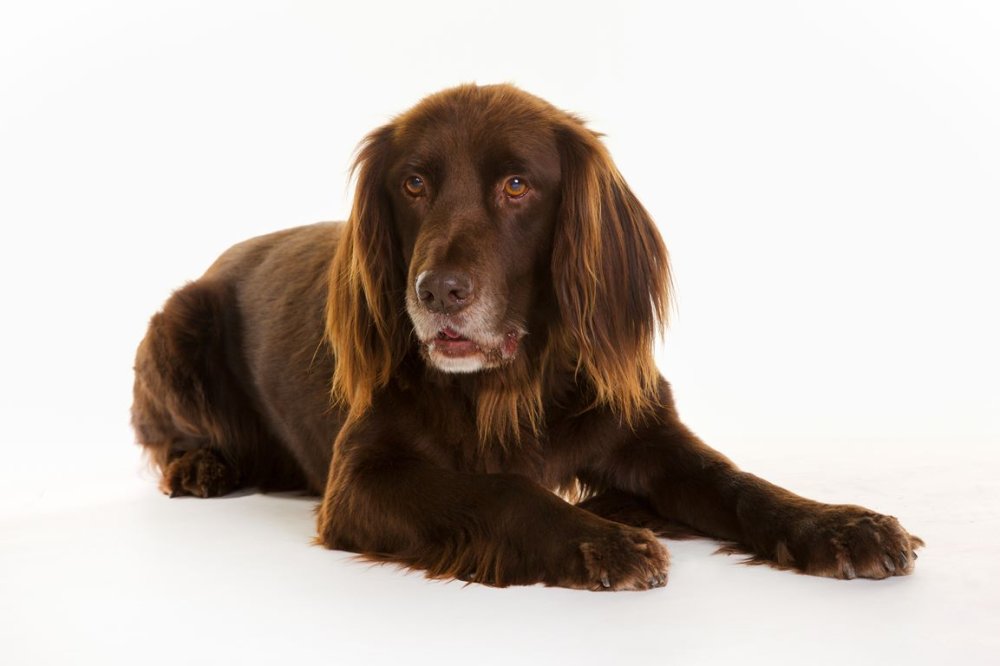
- Breed category: Gundog (versatile pointer)
- Country of origin: Germany
- Typical height: Males about 60 to 70 cm, females about 58 to 66 cm at the withers1, 2
- Typical weight: Commonly around 30 kg, with variation by sex and build1
- Average life span: Often quoted around 12 to 14 years (varies with lines, care, and luck)
- Coat: Medium-long, dense, with feathering, smooth to slightly wavy2
- Shedding: Usually moderate, heavier at seasonal change
- Exercise needs: High, this is a working-bred dog that does best with daily, purposeful activity
- Temperament (general): Calm and biddable when well exercised, friendly, intelligent, typically steady at home3
- Common issues to watch: Orthopaedic concerns (including hip dysplasia), ear irritation and infection risk with drop ears
- Heat sensitivity: Can struggle in hot conditions, especially with exertion, thick coat, or limited airflow4, 5
- Best suited for: Active owners who enjoy training, scent work, long walks, and outdoor time
You might come across the German Longhaired Pointer when you meet a striking, feather-coated dog at a training oval, on a bush walk, or at a property where dogs actually have jobs. They look a bit like a setter at first glance, but the way they move and the way they work can feel different, more purposeful, more “built for a full day out”.
People often assume a dog with a calm expression and a soft-looking coat will be naturally easy-going, or happy with a couple of short walks. With this breed, that can be a misleading shortcut. When a German Longhaired Pointer has enough outlet for its body and brain, it can be wonderfully settled. When it does not, the same dog can become restless, noisy, or too interested in the world beyond the fence.
It matters because they are not common everywhere, so families can end up saying yes to the look of the dog without really understanding the working history underneath. Getting the match right is the difference between a dog who fits into your life and a dog who is constantly trying to invent one.
History and purpose
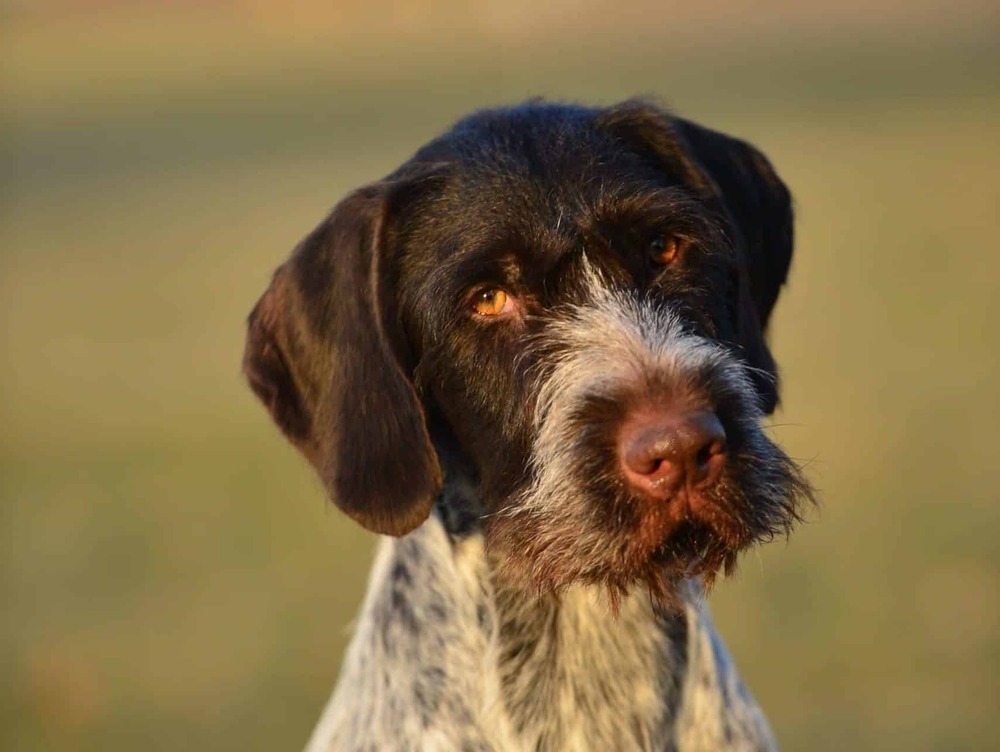
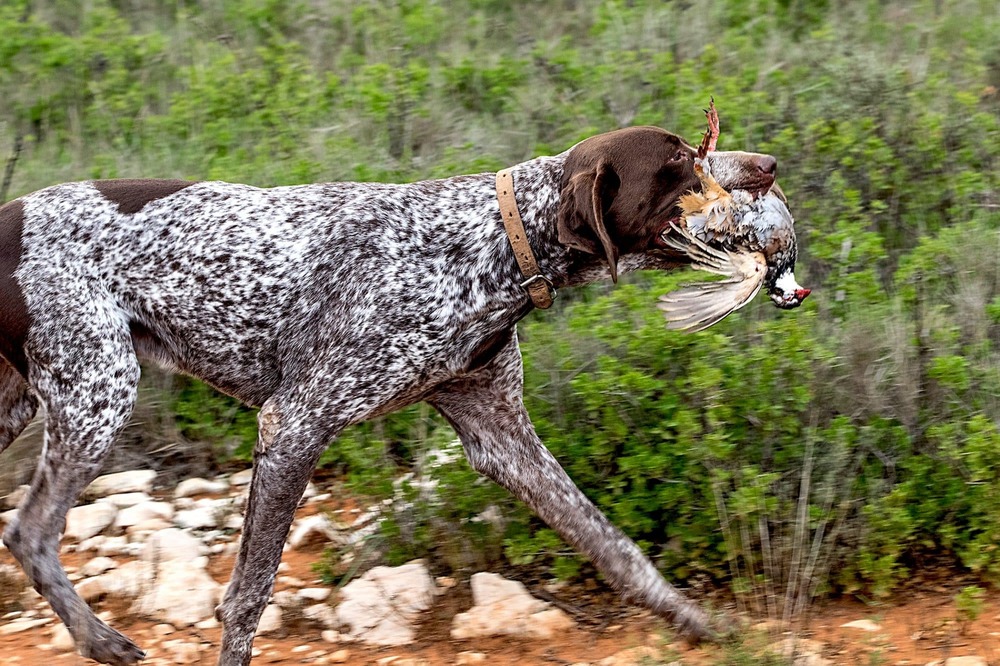
The German Longhaired Pointer (Deutsch Langhaar) was developed in Germany as a versatile gundog, expected to do more than one kind of work: quartering and pointing, tracking wounded game, and retrieving on land and in water.2 That “all-rounder” expectation still shapes the modern dog, even when it lives as a companion.
Breed standards for German pointing dogs, including the Deutsch Langhaar, were established in the late 1800s as part of the broader move to standardise types and record pedigrees.6 Much later, the breed was recognised on a definitive basis by the FCI (the international body for many kennel clubs), with the current FCI standard published in recent decades and updated over time.1
In practical terms, this history explains two things owners notice quickly: stamina is not optional, and many individuals are happiest when they have a skill to practise, not just energy to burn. Training, retrieving games, scent work, and structured off-lead time in safe areas tend to suit the way the breed was built to think.
What they look like, and why it matters
German Longhaired Pointers are medium to large, athletic, and “dry” in outline rather than heavy. The coat is a defining feature: medium length on the body, with feathering on ears, legs, and tail, and it should lie close, smooth or slightly wavy, with undercoat for protection.2, 3
Coat and structure are not just aesthetics. A dog bred to work through scrub, water, and cold needs protection from weather and vegetation, which is part of why the breed is described as a dual-purpose pointer and retriever, equally comfortable on land and in water.3
Like other German pointer breeds, they have webbed feet, which can help in swimming and muddy conditions.7 It is a small anatomical detail that often surprises people, especially when they see how confidently some individuals take to water retrieves.
Temperament and behaviour in everyday homes
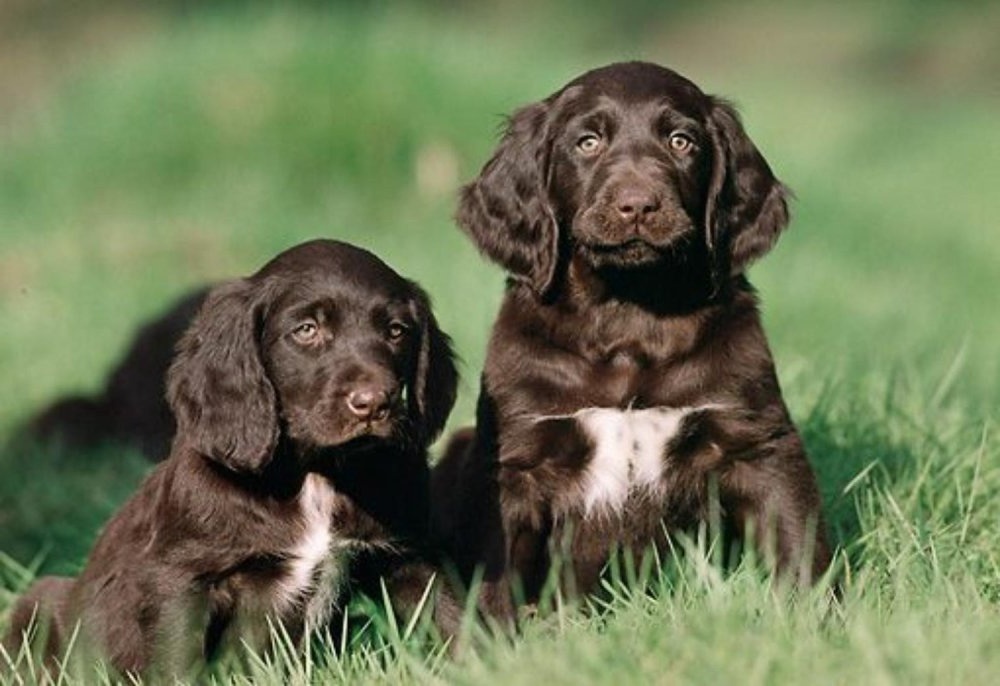
Well-bred, well-socialised German Longhaired Pointers are often described as calm, even-tempered, and biddable, with an alert working mind.3 That is an important “when” rather than a guarantee, because steadiness is usually supported by routine, training, and adequate activity.
In family settings, they tend to do best with people who enjoy including the dog in daily life. Many will choose to be close by, watch what you are doing, and follow patterns. That can be delightful, but it also means they notice when life gets too quiet or too predictable. Some individuals can be prone to distress when left without preparation, so gradual alone-time training is worth treating as part of the basics.
If you have children or other pets, the useful lens is not “good” or “bad” with kids, but how the household is managed. Young dogs, particularly, can be boisterous and mouthy in play. Thoughtful supervision, calm interruptions, and plenty of appropriate outlets (chewing, retrieving, sniffing) go a long way. With other animals, early introductions and ongoing reinforcement matter, especially because a pointing breed can become very interested in fast-moving small pets outdoors.
Training and exercise: meeting the dog in front of you
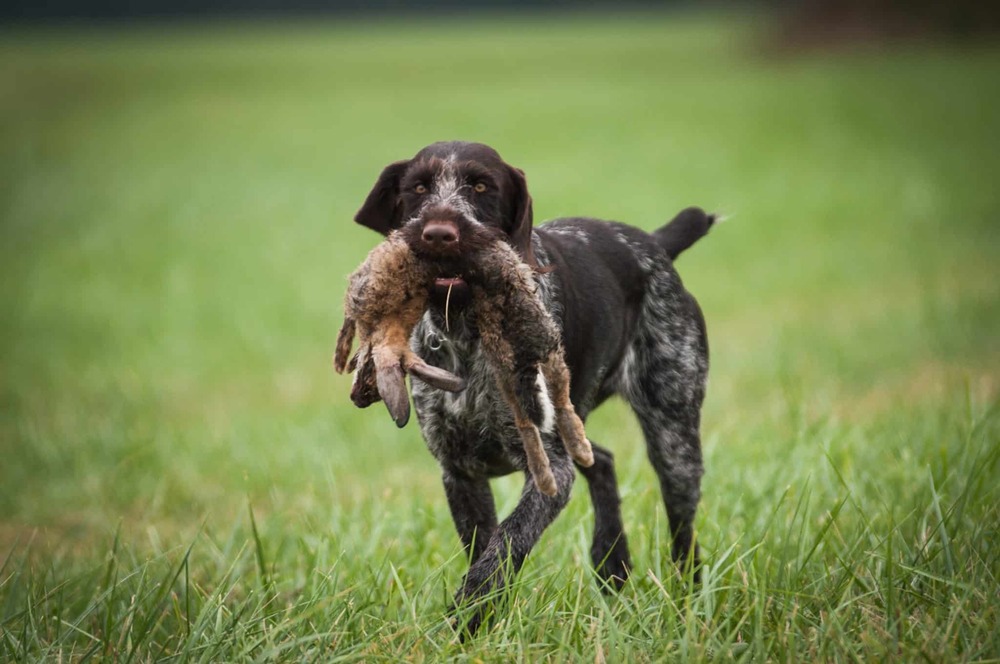
This is a highly trainable breed, but it is not usually suited to a “set and forget” approach. They learn quickly, and they also practise what works. If pulling gets them to a scent, they will pull. If barking brings someone to the door, they will bark. The training goal is often less about teaching tricks and more about building a lifestyle where calm behaviour is reinforced day after day.
Positive reinforcement tends to suit pointer breeds well: reward the behaviours you want to see again, keep sessions short enough that the dog stays successful, and practise skills in gradually harder places. Many owners find that mixing obedience with purpose-driven games, like retrieving to hand or simple scent trails, produces a dog that is both tired and content.
Exercise needs are high, but “exercise” is not one thing. A long walk on lead can be valuable, yet many dogs also need time to move freely and use their nose, in a safe and legal area. Useful activities include:
- brisk walking or running (building up fitness gradually)
- retrieving games, including into water if safe
- scent work and tracking-style games
- structured training that includes impulse control around birds and wildlife
In hot weather, adjust expectations. Dogs cool themselves mainly by panting, and heat stress can develop quickly when exertion, sun, and humidity combine.4, 5 Early mornings, shaded routes, frequent water breaks, and genuinely resting on very hot days are part of responsible management, not over-caution.
Health and lifespan: what to watch, and how to stack the odds
No breed is “problem free”, and the most sensible approach is a mix of good breeding, preventive care, and early action when something seems off. Larger, athletic dogs can be prone to orthopaedic conditions such as hip dysplasia, which is one reason many breed clubs and vets encourage screening and thoughtful growth management (particularly avoiding over-feeding and repetitive high-impact exercise in young dogs).
Drop ears can create a warm, low-airflow environment, which is one reason some dogs are more prone to ear irritation or infection. Regular checks help, especially after swimming or bathing. As a general guide, veterinary bodies recommend only cleaning ears when needed, and using the right products, since over-cleaning can also inflame the ear canal.8
Lifespan is often quoted around the low to mid teens, but it varies. In practice, the biggest “levers” owners can control are keeping the dog lean, maintaining dental care, building a sustainable exercise routine, and having a vet you trust for early assessment when lameness, ongoing itching, or recurrent ear issues appear.
Grooming and maintenance: the coat is practical, not precious
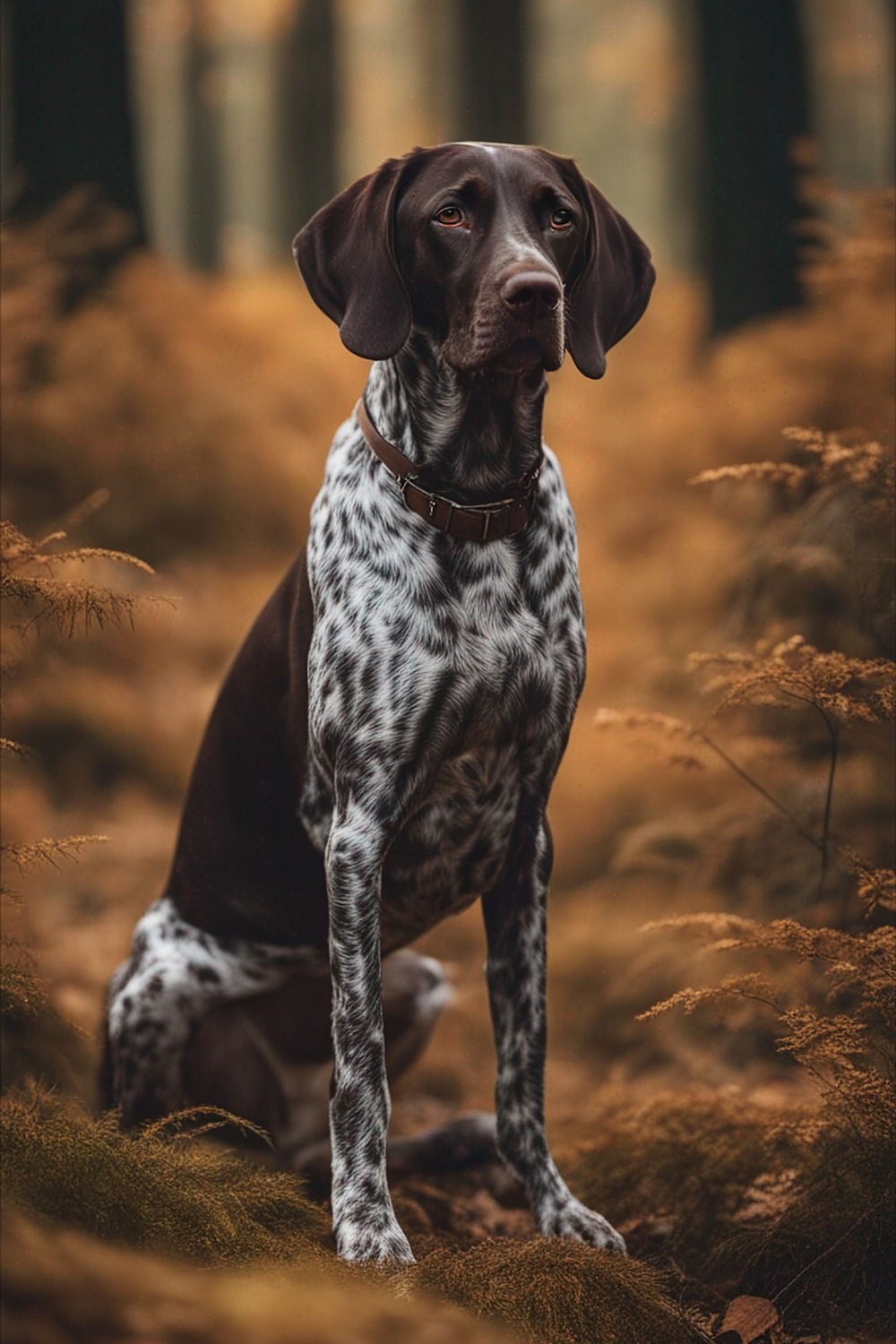
The coat is one of the joys of the breed, but it is also where many new owners underestimate the time. Feathering picks up burrs. Undercoat can compact. Damp ears after swimming can linger. None of this is dramatic, but it is easier with a routine.
A solid baseline for many households is a thorough brush two or three times a week, with extra attention to feathering, armpits, and behind the ears. During seasonal coat change, you may need to brush more often. Baths can be occasional, and more “as required” than scheduled, as long as you rinse well and dry properly.
After water work, check ears and the skin under the collar. If your dog is itchy, has a smell in the ear, or shakes its head frequently, it is worth a prompt vet visit. Ear disease is uncomfortable and can become chronic if it is left to simmer.
Diet and nutrition for an active gundog
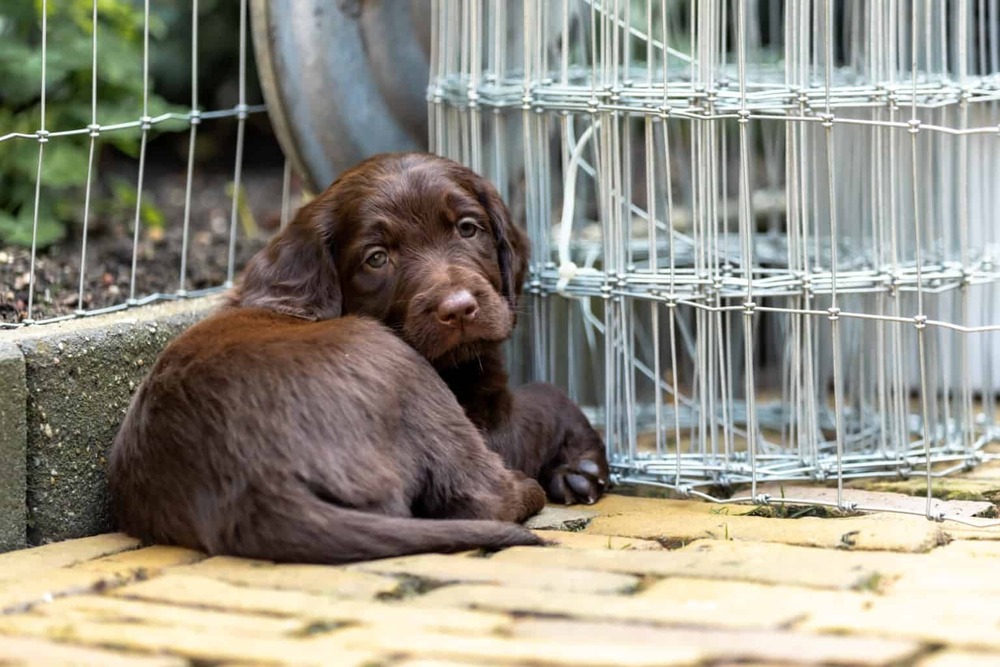
For a dog built to move, food is fuel, and it is also one of the simplest ways to support long-term health. Most German Longhaired Pointers do well on a complete, balanced diet that matches their life stage and workload. If your dog is doing long training sessions, running, or working in the field, ask your vet whether you should adjust calories or meal timing.
Try to keep body condition lean rather than “solid”. A slightly tucked waist and easy-to-feel ribs (without being prominent) are more protective for joints than a heavy, well-fed look.
Be cautious with human foods and chews. Many common household items are toxic to dogs, and fatty scraps can trigger gastrointestinal upset. If you want to use extras for training, keep them small, count them as part of the day’s intake, and aim for consistency over novelty.
Is this the right breed for you?
German Longhaired Pointers can be a beautiful fit for people who like being outdoors, enjoy training as a shared hobby, and can offer the dog a steady rhythm of activity and rest. They are often at their best when their world is wide, but also well structured.
They are usually not ideal for very small living spaces unless you are genuinely committed to daily, meaningful exercise. If your weeks are unpredictable, or you prefer a low-energy companion, it may be kinder to choose a breed with less drive.
If you are considering one, look for breeders who health test, prioritise temperament, and can explain what their dogs are like to live with, not just what they are like to look at. With the right match, you end up with a dog that is not only elegant, but deeply capable.
References
- Fédération Cynologique Internationale (FCI): Deutsch Langhaar (Standard No. 117)
- FCI Breed Standard (PDF): Deutsch Langhaar (German Longhaired Pointer)
- The Kennel Club (UK): German Longhaired Pointer breed standard summary
- Agriculture Victoria: Heat and pets
- RSPCA NSW: Heat stress
- Wikipedia: Large Münsterländer (background on 1879 German breed standards context)
- Wikipedia: German Longhaired Pointer (overview, including webbed feet note)
- RSPCA: Looking after your dog’s ears