

Most people do not set out to become “dog people” in one decisive moment. It often starts with noticing a neighbour’s dog that seems calm in busy places, or realising your own puppy can switch from sweet to frantic in a heartbeat, or wondering why a grown dog still struggles when visitors arrive.
It is tempting to assume good care is mostly about food, walks, and the occasional vet visit. Those things matter, but day to day life with a dog is really about patterns: how predictable their world feels, how well their needs match your routine, and whether the environment makes it easy for them to make good choices.
When those pieces fit, dog ownership feels steadier and more enjoyable. When they do not, problems tend to show up as “behaviour issues”, when they are often mismatched expectations or unmet needs playing out in ordinary moments.
Choosing the right dog for your life

A good match is less about choosing a fashionable breed and more about being honest about your days. How long is the dog likely to be alone? What does exercise look like for you on a wet week? Are there children, cats, stairs, or noise-sensitive neighbours in the mix?
It also helps to separate breed tendencies from the dog in front of you. Breed can offer clues about energy, coat care, and common health risks, but individual dogs vary widely, especially in mixed breeds.
If you are adopting, shelter and foster carers can often tell you what the dog is like in a home, not just in a kennel. If you are buying, take time to find an ethical breeder who prioritises health, temperament, and early handling, and who is willing to talk plainly about what their dogs are like to live with.
RSPCA advice is to do your research, think through your household’s capacity, and consider adoption where possible, because it can also mean support in matching the right dog to the right home.1
Preparing your home, before the dog arrives

Dogs settle faster when the home is quietly organised around them. You do not need every gadget, but you do need a few predictable basics: a comfortable resting place, food and water bowls, a lead and secure collar or harness, and a small selection of toys that are safe for chewing.
Think about the first week from the dog’s point of view. New smells, new sounds, different flooring, and unfamiliar people can be a lot. A simple setup helps: keep one area as their “base”, limit free roaming early on, and let exploration happen gradually.
Safety is mostly about removing opportunities. Pick up choking hazards, store medications securely, block off risky areas (pools, balconies, open stairs), and check fences and gates. The goal is not to create a perfect house, just a house where mistakes are less likely.
Daily care that keeps life steady

Daily care is the unglamorous part of dog ownership, and it is also where most long term wellbeing is built. Dogs tend to cope better when the basics happen in roughly the same way each day, even if the timing changes.
For many households, the rhythm looks like this: toileting opportunities after sleep and meals, regular meals with fresh water always available, exercise that suits the dog’s age and body, and a little quiet time to decompress. Young puppies, older dogs, and dogs with health conditions will need a different pace, and that is normal.
Grooming and handling fit here too. A quick brush, checking ears and paws after an outing, and calm practice being touched can prevent future struggles. It also makes it easier to notice small changes before they become big ones.
Vet care, vaccinations, and prevention
A good vet relationship is not just for emergencies. Regular health checks help you track weight, teeth, skin, joints, and any breed-related risks. Many clinics recommend at least annual visits, with more frequent checks for puppies, seniors, or dogs with chronic conditions.
Vaccination schedules vary by location, the dog’s lifestyle, and local disease risk. In Australia, vets commonly describe “core” vaccines (such as distemper, hepatitis or adenovirus, and parvovirus) with a puppy series, a booster around 12 to 15 months, then boosters less frequently (often every 3 years) for core vaccines, while some non-core vaccines may be recommended more often depending on exposure risk (for example, boarding and dog-dense environments).2, 3
Prevention also includes parasite control and practical risk reduction. Ask your vet what is appropriate for your area and your dog’s routine. If you are ever unsure, treat that uncertainty as useful information, not failure, and get advice early.
Training and socialisation, done gently and early
Training often gets framed as “obedience”, but in a home it is mostly communication. It is teaching the dog what works here: how to settle, how to walk with you, what to do when the doorbell goes, and how to cope when something changes.
Socialisation is similar. It is not just meeting lots of dogs. It is learning that a wide range of everyday experiences can be safe and predictable. RSPCA describes a key socialisation window of roughly 4 to 16 weeks, when positive, carefully managed exposure can have lasting benefits.4, 5
Reward-based training is widely recommended because it builds skills without relying on intimidation or pain. It also tends to produce more reliable behaviour in real life, especially when you practise in short sessions and reward the choices you want to see more often.4
If you are not sure where to start, focus on a few practical foundations:
- Settle on a mat (a default calm behaviour)
- Come when called (start easy, reward heavily)
- Loose lead walking in low-distraction places
- Comfort with handling (ears, paws, mouth, harness)
Exercise and play, beyond “burning energy”
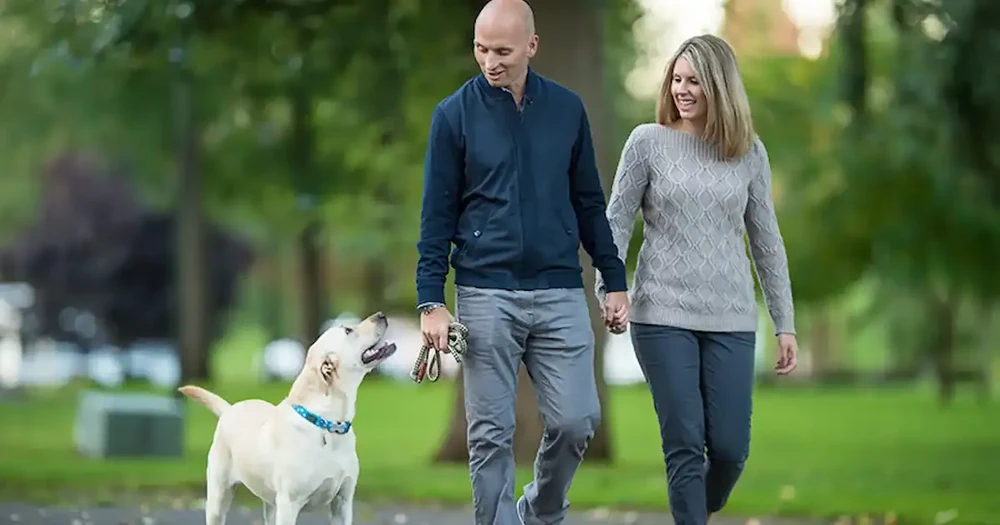
Exercise needs vary, but most dogs benefit from a mix of movement, sniffing, and a bit of problem-solving. A brisk walk alone can still leave a dog “under-stimulated” if it is always the same route at the same pace with no time to explore.
Try thinking in terms of meeting needs rather than hitting a number. Some dogs thrive on longer, more vigorous activity. Others, including brachycephalic breeds and older dogs, may do better with shorter outings and more frequent rest. If you are uncertain what is safe for your dog, your vet is the right person to ask.
Play can be simple: a few minutes of tug with clear rules, a scatter of food in grass for sniffing, a gentle game of fetch with breaks, or rotating puzzle feeders. The aim is not constant entertainment, it is healthy outlets that reduce boredom and support calmness at home.
Nutrition that supports the dog you have
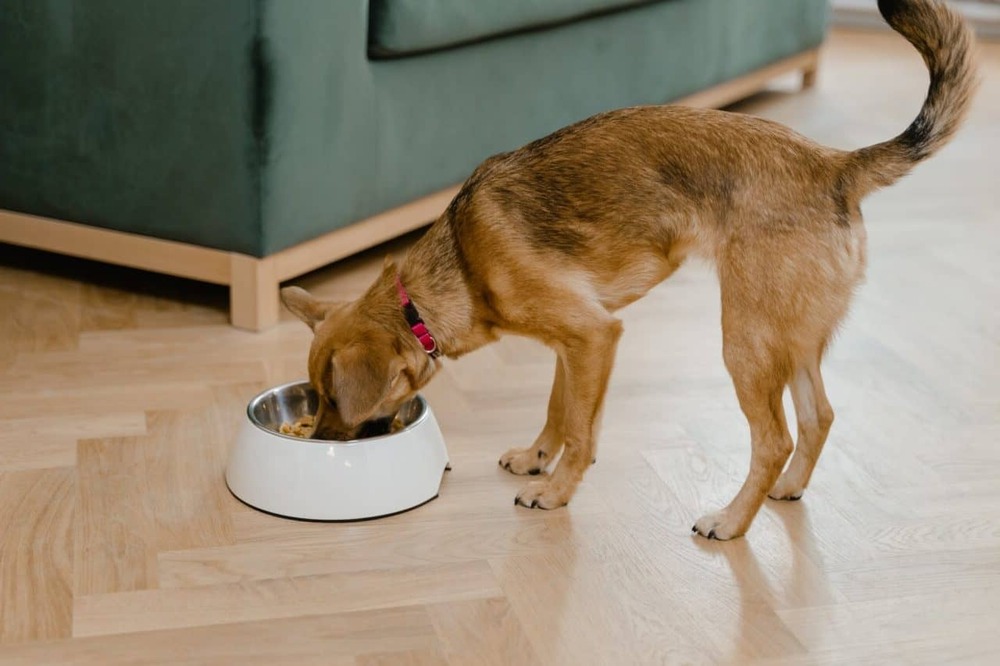
Feeding can feel like a referendum on whether you are a “good owner”, because everyone has an opinion. A steadier approach is to prioritise an appropriate diet for your dog’s age, body condition, and health needs, then monitor how they do on it.
The World Small Animal Veterinary Association (WSAVA) provides practical guidance for owners and veterinary teams on nutritional assessment and on evaluating pet foods. One useful reminder from WSAVA resources is that an ingredient list alone can be misleading, so it is worth looking at the broader nutritional picture and seeking veterinary advice if you are unsure.6
Be especially cautious with people food. Some items are well known hazards (like chocolate), while others catch people out (like grapes or raisins, onion and garlic, and products sweetened with xylitol). These can cause serious illness in dogs, including kidney injury, anaemia, or dangerous low blood sugar, depending on the substance and amount.7
Health, hygiene, and noticing small changes
Many health problems start quietly. A dog that is eating but slower than usual, licking paws more, hesitating on stairs, or having intermittent soft stools may be showing you something worth following up.
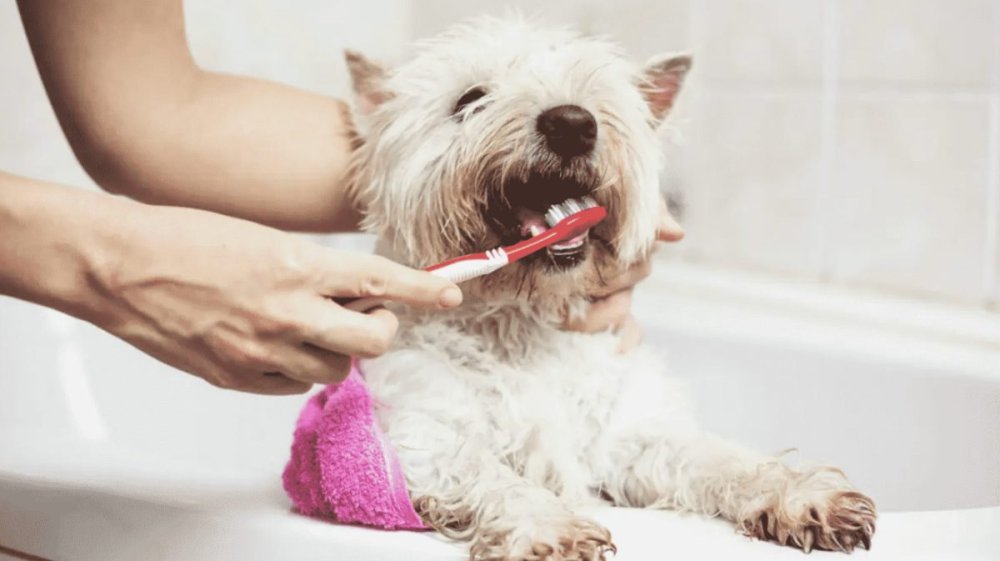
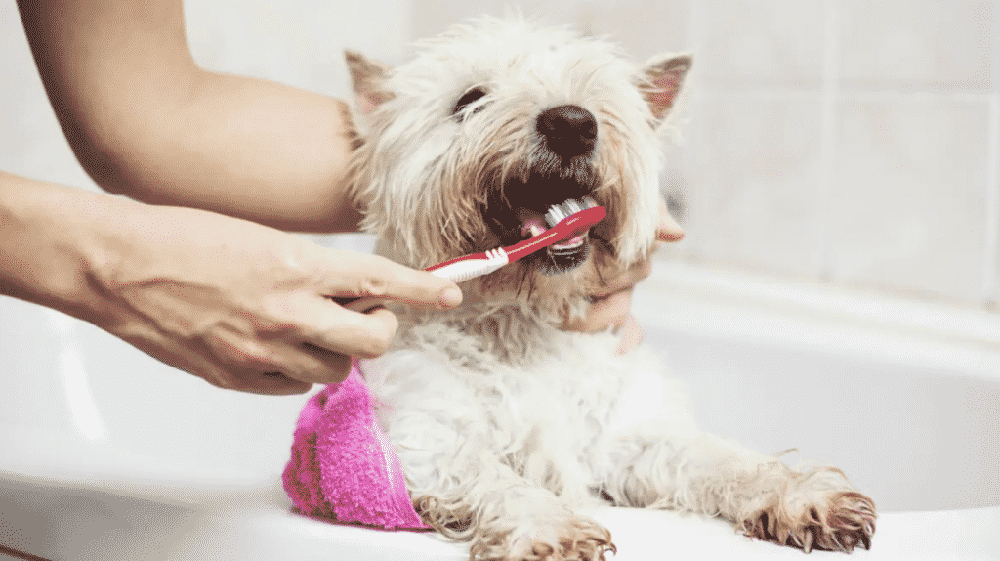
Dental disease is a good example. It is common, it affects comfort and overall health, and it is often missed until there is significant tartar or gum inflammation. Home care helps. The Australian Veterinary Association notes that regular tooth brushing is the gold standard for plaque control in pets, and your vet can show you how to do it safely for your dog.8
Grooming is also preventative care. Regular brushing helps you find lumps, ticks, sore spots, and coat changes early. Nail care matters for posture and comfort. Ear care is individual, some dogs need very little, while others benefit from routine checks and vet-guided cleaning.
Practical responsibilities that protect your dog
Some responsibilities are not daily, but they make a big difference to outcomes if something goes wrong.
Microchipping is one of them. RSPCA explains that microchipping is a permanent form of identification, and that keeping your contact details up to date is essential, because vets, shelters, and councils use those details to reunite lost pets with owners. In many Australian jurisdictions, microchipping is also mandatory.9, 10
Desexing is another decision best made with your vet, taking into account your dog’s breed, age, and health. RSPCA outlines health and management benefits of desexing, alongside the importance of preventing unplanned litters, and notes that timing is not one-size-fits-all.10
Final thoughts
Looking after a dog is less about doing everything perfectly and more about building a life that works for both of you. The strongest care routines are usually the simplest ones, repeated kindly: reliable food and rest, appropriate exercise, thoughtful training, and vet support when you need it.
Over time, you start to recognise your dog’s patterns, what helps them settle, what overwhelms them, and what they find rewarding. That knowledge is practical. It makes the household calmer, the dog easier to live with, and the relationship steadier in ways that matter on ordinary days.
References
- RSPCA Australia: Responsible pet ownership
- Dogs ACT: From the Vet (vaccination booster timing and core vaccines)
- Brighton Veterinary Hospital: What vaccinations does my pet need, and when?
- RSPCA Australia: Socialising your puppy
- RSPCA Knowledgebase: How can I socialise my puppy?
- WSAVA: Global Nutrition Guidelines
- ASPCA: People foods to avoid feeding your pets
- Australian Veterinary Association: Companion animal dentistry (home dental care and brushing)
- RSPCA Australia: Microchipping
- RSPCA Knowledgebase: Is microchipping mandatory for cats and dogs?