

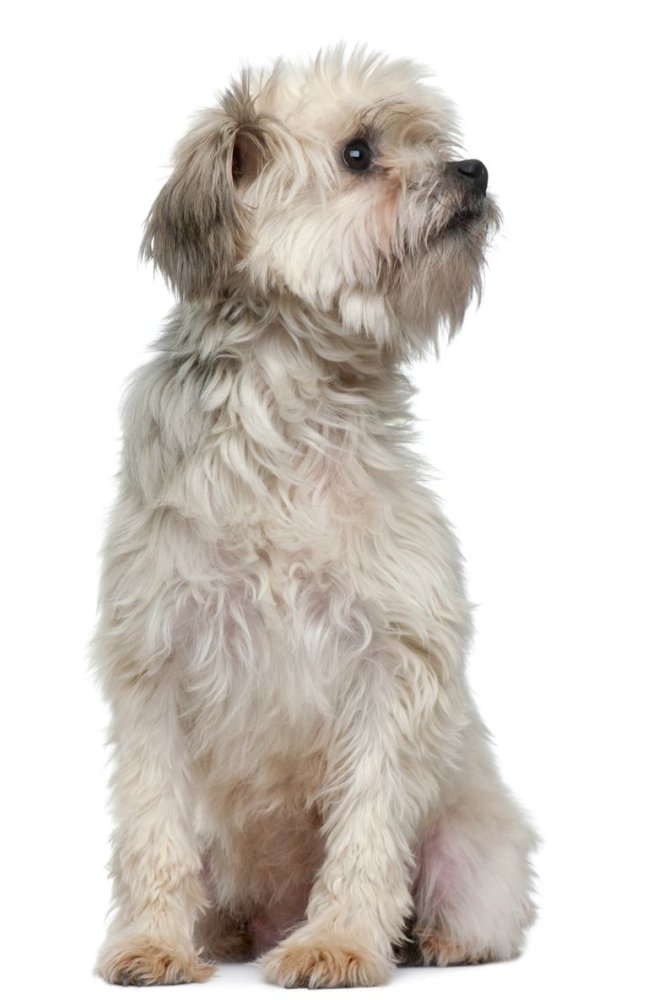
You might first notice a Lowchen because of the haircut. A small dog with a full mane and clipped back end can look a little theatrical, and it is easy to assume the whole breed is all about appearances. Spend a bit of time around one, though, and the impression tends to shift. Under the styling is a compact companion dog that usually wants to be close, join in, and keep an eye on what the household is doing.
People often come to the Lowchen after living with another small breed and wanting something similarly manageable, but with a coat that sheds less and a temperament that is steady without being flat. That mix can suit apartment life, but it still asks for daily engagement, basic training, and regular grooming that is more “ongoing maintenance” than “special occasion”.
The practical question is not whether the Lowchen is “rare” or “fancy”. It is whether you can meet the needs of a bright little dog with a long coat, a moderate exercise requirement, and the kind of social nature that does best when it is included in everyday routines.
- Breed category: Companion dog
- Origin: Europe, closely associated with France and Germany
- Height: About 25 to 33 cm at the shoulder
- Weight: Commonly around 4 to 8 kg
- Typical lifespan: About 12 to 14 years
- Coat: Long, silky, single coat with low shedding
- Exercise needs: Moderate daily exercise plus play
- Temperament: Lively, affectionate, people oriented
- Common breed concerns: Kneecap issues (patellar luxation), eye disease (varies by line)
History and origin
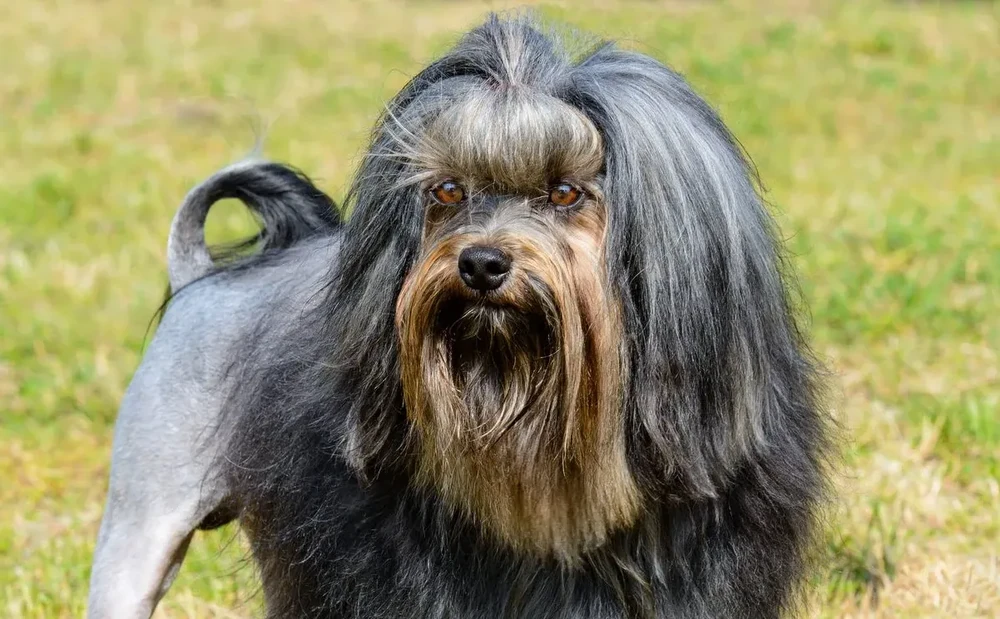
Lowchen means “little lion”, and the name makes more sense once you have seen the traditional lion clip. The breed is generally described as an old European companion dog, with strong historical ties to France and Germany, although the early record is not tidy in the way modern breed histories sometimes suggest.1, 2
Paintings and decorative art are often mentioned in discussions of the Lowchen’s past, but it is worth holding those references lightly. Artwork can show that a certain “type” of small companion dog existed and was fashionable, but it cannot always confirm an unbroken, clearly defined breed in the modern sense. Still, the through-line is believable: a small dog bred primarily for companionship, selected for a personable nature and a coat that could be shaped into a distinctive silhouette.
In the United States, the Lowchen (spelled with an umlaut in some registries as Löwchen) was recognised by the American Kennel Club in 1996, which is why that year often appears in breed summaries.3
Physical characteristics that matter day to day
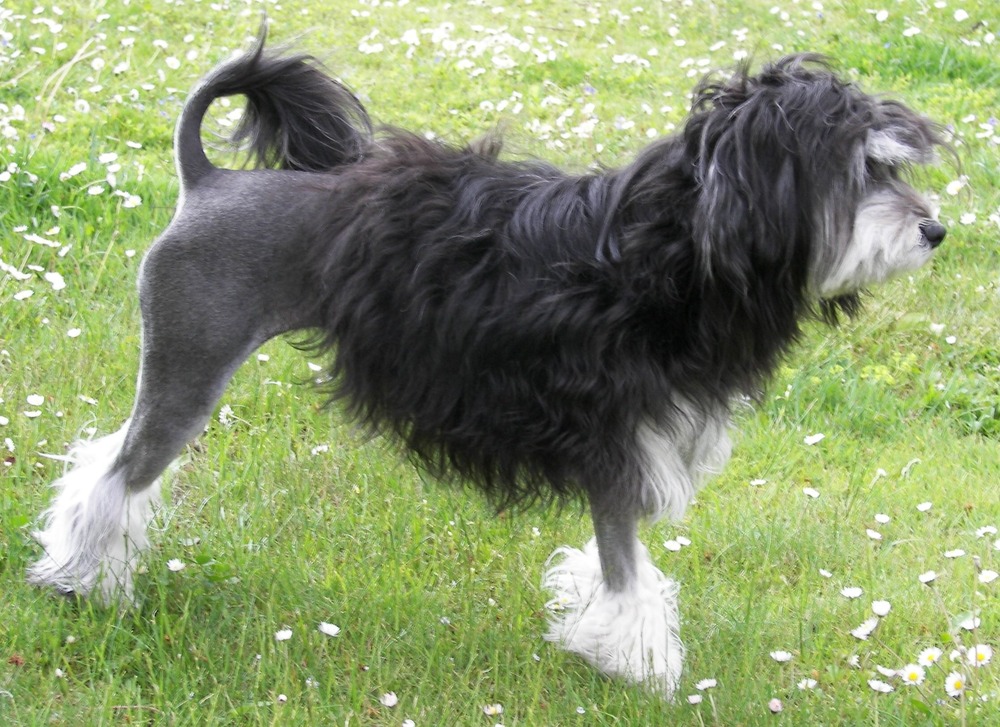
Lowchens are small, squarely built dogs, typically in the 25 to 33 cm height range. They tend to feel sturdier than some toy breeds, even though they remain light enough to lift comfortably when needed (for stairs, crowded places, or recovery after surgery). Breed standards describe a silky, long coat with no undercoat, which helps explain the commonly reported low shedding.2, 4
The lion trim is traditional in the show ring, but it is not compulsory for a pet home. Many owners choose a simpler “teddy” trim, or keep the coat longer and focus on keeping it clean and unmatted. What matters is not the style, but the upkeep. A long, fine coat can mat close to the skin, particularly where there is friction (behind ears, under collars and harnesses, armpits, and groin).
They can be sensitive to heat and cold, partly because small dogs lose body heat more quickly, and partly because clip choices can reduce insulation. If you use a shorter clip for convenience, it is worth thinking about shade, cool surfaces, and gentle timing for walks in summer, and warmth in winter.
Temperament and behaviour in real homes
Lowchens are commonly described as bright, lively, and affectionate. In practice, that often looks like a dog that checks in frequently, follows room to room, and wants to participate. Many are quick to learn household patterns, which can be charming, but it also means they can rehearse nuisance behaviours if they are accidentally rewarded for them (demand barking, shadowing that escalates into distress, or getting underfoot in tight spaces). Breed descriptions consistently emphasise a cheerful, people-focused companion temperament.2, 5
With children, the best outcomes usually come down to supervision, calm handling, and teaching kids what “enough” looks like for a small dog. Lowchens are not typically fragile in the way some very tiny breeds can be, but a small dog still benefits from predictable interactions and the option to move away.
With other pets, a Lowchen that has had steady, positive exposure early on often integrates well. If a dog is older or has had limited social contact, introductions are still very possible, but it helps to take them slowly and keep early sessions low pressure. Think parallel walks, short indoor time with barriers, and a lot of reinforcement for calm behaviour.
Training, socialisation, and exercise
Lowchens tend to respond well to reward-based training, especially when sessions are short, clear, and repeated in real-life situations rather than only in “practice mode”. For many small companion breeds, the biggest training gap is not intelligence. It is consistency, timing, and making sure the dog is taught what to do instead of only being corrected for what not to do.
Early socialisation matters, but it is often misunderstood as “meet as many dogs as possible”. Australian welfare guidance puts more emphasis on safe, positive exposure to everyday life during the early developmental window, including surfaces, sounds, handling, and friendly people, as well as carefully selected dog interactions.6, 7
Exercise needs are usually moderate. Most Lowchens do well with one or two gentle walks a day plus play and a bit of training for mental load. Overdoing high-impact exercise in young dogs is not ideal, and it is sensible to ask your vet for guidance if you are unsure how much is appropriate for your dog’s age and build.8
- Good daily options: sniffy walks, short fetch on soft ground, simple agility-style games at home (low jumps or none), and training puzzles.
- Often overlooked: calm practice, settling on a mat, and brief “alone time” training to build independence.
Health and lifespan
Many Lowchens live into their early to mid teens, and a commonly cited typical lifespan range is around 12 to 14 years.5
Like a lot of small breeds, Lowchens can be affected by patellar luxation, where the kneecap shifts out of place. It can present as an intermittent skip or hop, stiffness, or reluctance to jump, and severity varies widely. In mild cases, management may focus on weight control, strengthening, and pain relief as needed. In more significant cases, surgery can be recommended.9
Eye disease risk varies by line, which is why talking with breeders about health testing matters. Cataracts are one example of a condition that can occur in dogs and may affect vision depending on cause and severity, and veterinary eye examinations can help clarify what is going on if you notice cloudiness or changes in navigation.10
It is also worth being realistic about what “healthy breed” means in day-to-day terms. For most families, the basics make the biggest difference: keeping your dog lean, maintaining dental care, staying current with parasite prevention, and addressing small changes early rather than waiting for them to become big ones.
Grooming and coat maintenance
The Lowchen coat is often described as low shedding, but that does not mean low work. A single, silky coat can mat quickly, and mats are not just cosmetic. They can pull on skin, trap moisture, and make brushing painful.
A workable routine for many pet homes is a thorough brush and comb several times a week, with extra attention to friction areas. Professional grooming intervals vary with clip choice, but many owners find that booking regular appointments helps keep the coat at a manageable length and reduces the risk of matting becoming a crisis.
If you prefer the lion trim, ask your groomer to explain what will be clipped and what will be left long, and how to maintain the cuffs, mane, and tail plume between appointments. If you prefer a simpler trim, that is fine too. The best style is the one you can maintain without turning grooming into a struggle for you or the dog.
Diet and nutrition
Small dogs can gain weight quickly, especially when treats, table scraps, and “just a little extra” add up. Keeping a Lowchen lean is not about aesthetics. It reduces strain on joints, can support comfort if kneecap issues arise, and generally makes it easier for the dog to move well across the years.
For choosing a diet, it helps to look beyond ingredient lists, which can be persuasive but not always meaningful in terms of overall nutritional quality. The World Small Animal Veterinary Association (WSAVA) provides practical guidance for owners on selecting a suitable diet and working with your veterinary team for individual needs.8
If your Lowchen is a fussy eater, it is tempting to keep rotating foods. Before you do, it is worth checking dental health, treats, and feeding patterns. Sometimes fussiness is habit. Sometimes it is discomfort. Either way, a calm plan with your vet is usually more effective than constant changes.
Living with a Lowchen
Lowchens often suit people who want a small dog that is genuinely involved in family life. They can do well in apartments, but they are not “ornamental”. They usually need daily walks, training that continues beyond puppyhood, and a grooming routine that is treated as normal care.
If you are deciding whether the breed fits, it can help to ask yourself a few plain questions:
- Can you commit to regular coat care, or budget for grooming?
- Do you enjoy a dog that follows you about and wants to engage most days?
- Are you willing to do early socialisation thoughtfully, not just broadly?
- Can you keep a small dog lean and protected from temperature extremes?
When those pieces are in place, the “little lion” look becomes a side note, and what stands out is a companionable, lively dog that tends to fit neatly into the rhythm of a home.
References
- American Kennel Club (AKC): Löwchen dog breed information
- United Kennel Club (UKC): Lowchen breed standard
- American Kennel Club (AKC): Breeds by year recognised
- The Kennel Club (UK): Lowchen breed information
- The Löwchen Club (UK): The breed overview
- RSPCA Australia: Socialising your puppy
- RSPCA Knowledgebase: Is socialising my puppy important?
- WSAVA: Global Nutrition Guidelines
- Merck Veterinary Manual: Patellar luxation in dogs
- American College of Veterinary Ophthalmologists (ACVO): Cataracts