

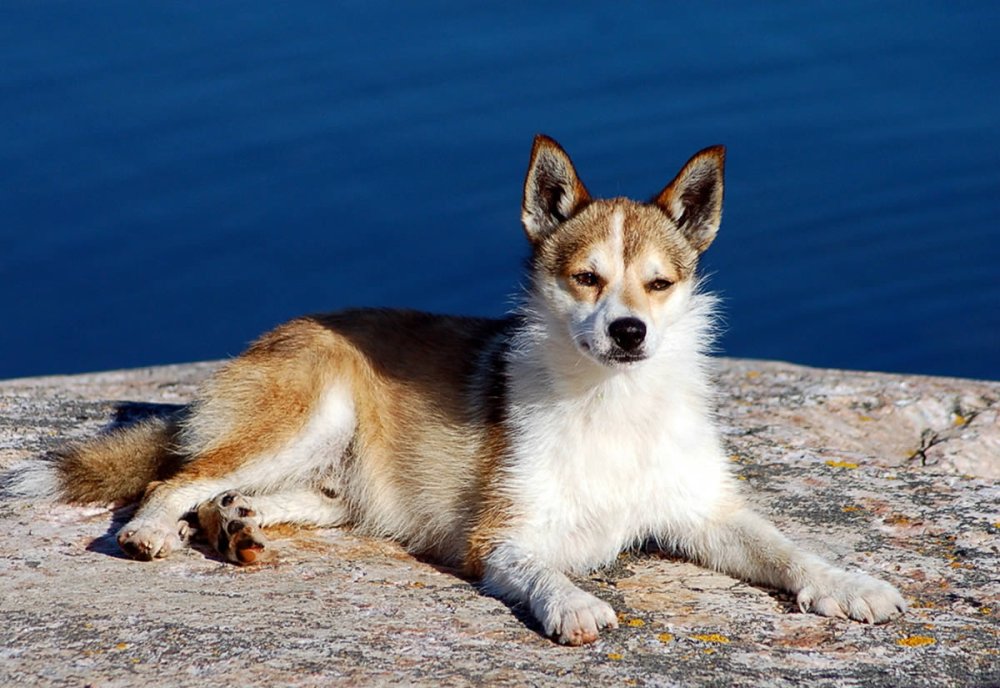
People usually first notice the Norwegian Lundehund because something about the dog seems a bit “off”, in the best possible way. Maybe you have seen a photo of a paw that looks oddly wide, or you have watched a Lundehund fold its ears in a way that does not look quite like any other breed. It can leave you wondering whether it is a trick, a health issue, or simply a breed quirk.
What tends to surprise people is that these features are not random. They are the practical leftovers of a very specific job in a very specific place: collecting puffins from tight crevices on steep Norwegian cliffs. When you look at the Lundehund through that lens, the extra toes, the flexible joints, and even the “busy” temperament start to make sense.
That history also matters in day to day ownership. This is a rare breed with unusual anatomy and a well known predisposition to a distinctive gastrointestinal condition. A Lundehund can be a delightful companion, but it tends to do best with people who like observing dogs closely, staying proactive with health and training, and building routines that keep both body and mind well occupied.
At a glance: Norwegian Lundehund basics
Breed type: Spitz type (small, agile, and alert).
Origin: Norway.
Typical size: about 32 to 38 cm at the shoulder, roughly 6 to 9 kg, depending on sex and build.
Typical lifespan: around 12 to 15 years.2
Coat: double coat, with seasonal shedding. Colours are commonly fallow or reddish brown with white markings, and some dogs are predominantly white with coloured markings.3
The Lundehund’s story, and why it shaped the dog you meet today
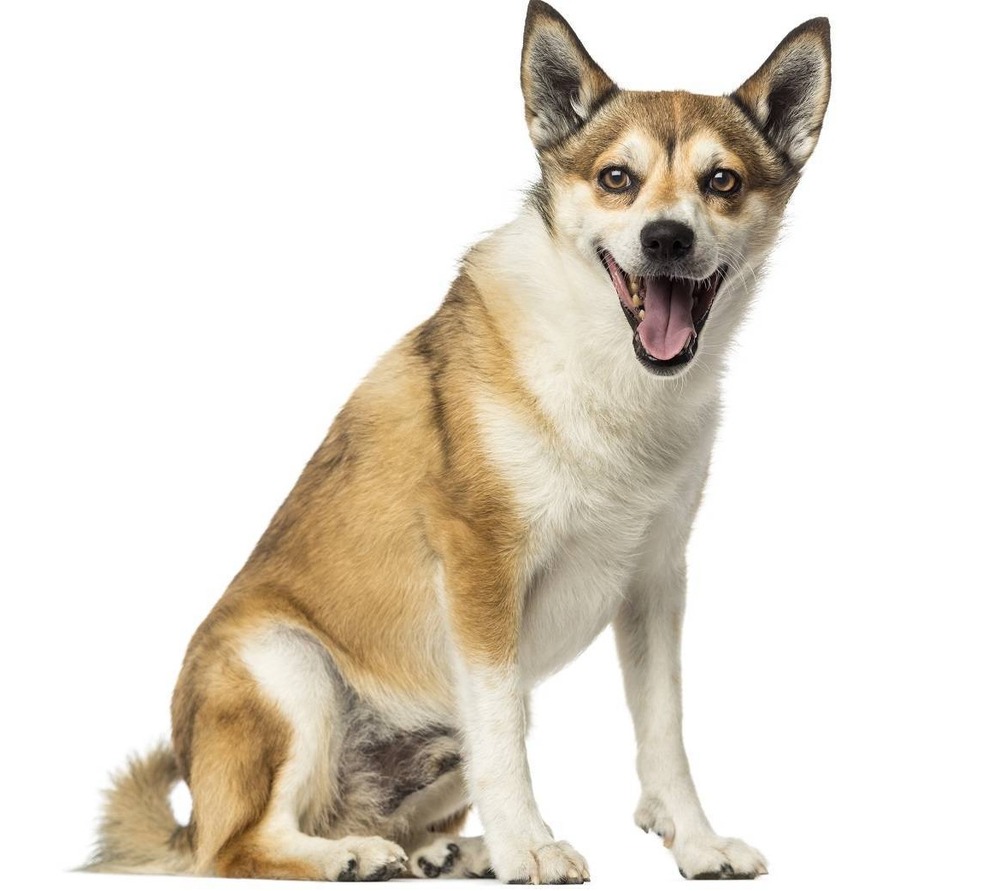
The Norwegian Lundehund developed on remote coastal islands of Norway, where dogs were used to retrieve puffins from narrow cliffside burrows and crevices.3, 4 It was work that rewarded sure footing, flexibility, and the confidence to scramble into confined spaces without hesitation.
As puffin hunting declined and legal protections changed, the breed’s working role faded. Numbers dropped sharply, and modern Lundehunds descend from a small population that was carefully rebuilt by dedicated enthusiasts. That conservation story is part of why the breed remains rare, and why health and genetic diversity are ongoing topics within Lundehund circles.3
What the puffin job demanded
It helps to picture the environment. A puffin burrow is not a tidy tunnel on flat ground. It can be awkward, rocky, and cramped. The Lundehund’s build makes more sense when you imagine a dog needing to climb, brace, reverse, and turn around where there is barely room to breathe.
The physical traits that make the Lundehund genuinely different
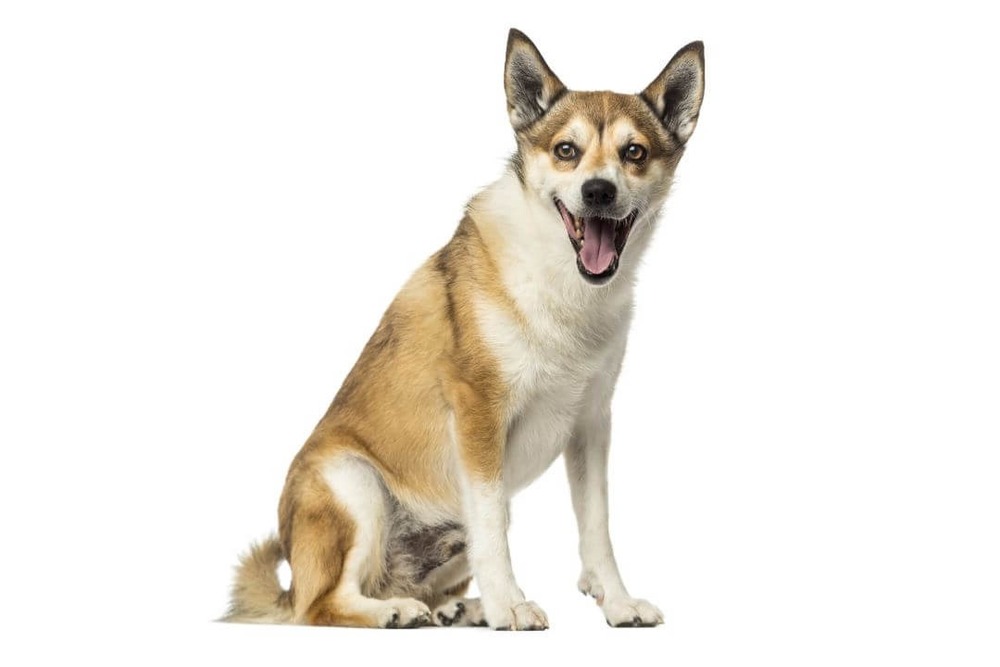
Many breeds have one unusual trait. The Lundehund is unusual because it has a unique combination of traits that were selected for functional reasons, not aesthetics.3, 4
- Extra toes (polydactyly): breed standards describe at least six toes on each foot, with multiple pads and functional structure that adds grip and stability on uneven surfaces.4
- Extreme flexibility: the neck can bend back along the spine, and the shoulders allow an unusually wide range of motion, which helped with turning and bracing on cliffs.3, 4
- Ears that can fold closed: the ears can fold to help protect the ear canal from debris when the dog is squeezing through tight passages.3, 4
One practical note that gets missed: just because a Lundehund can move in unusual ways does not mean humans should “test” it. Avoid manually demonstrating flexibility for curiosity’s sake. Let the dog show you what it can do naturally, during play and movement, rather than by handling joints into positions.
Temperament and everyday behaviour in a home
Owners often describe Lundehunds as bright, alert, and busy. In practice, that usually looks like a dog that notices the environment, prefers to investigate, and can be quick to offer its own ideas about what should happen next. That independence is not “naughtiness”. It is a trait that made sense for a dog working at a distance on difficult terrain.
Many Lundehunds are affectionate with their people, but can be a little reserved with strangers at first. With steady, low pressure exposure, most become comfortable in ordinary social situations. The key is to avoid rushing interactions, and to focus on calm, repeatable experiences rather than big “meet everyone” days.6
Children and other pets
With sensible introductions and supervision, a Lundehund can live well with children and other animals. As with any active, agile breed, it helps when kids understand how to give a dog space, and when play is guided so it does not tip into chasing or rough contact.
Training and exercise, with an emphasis on mental work
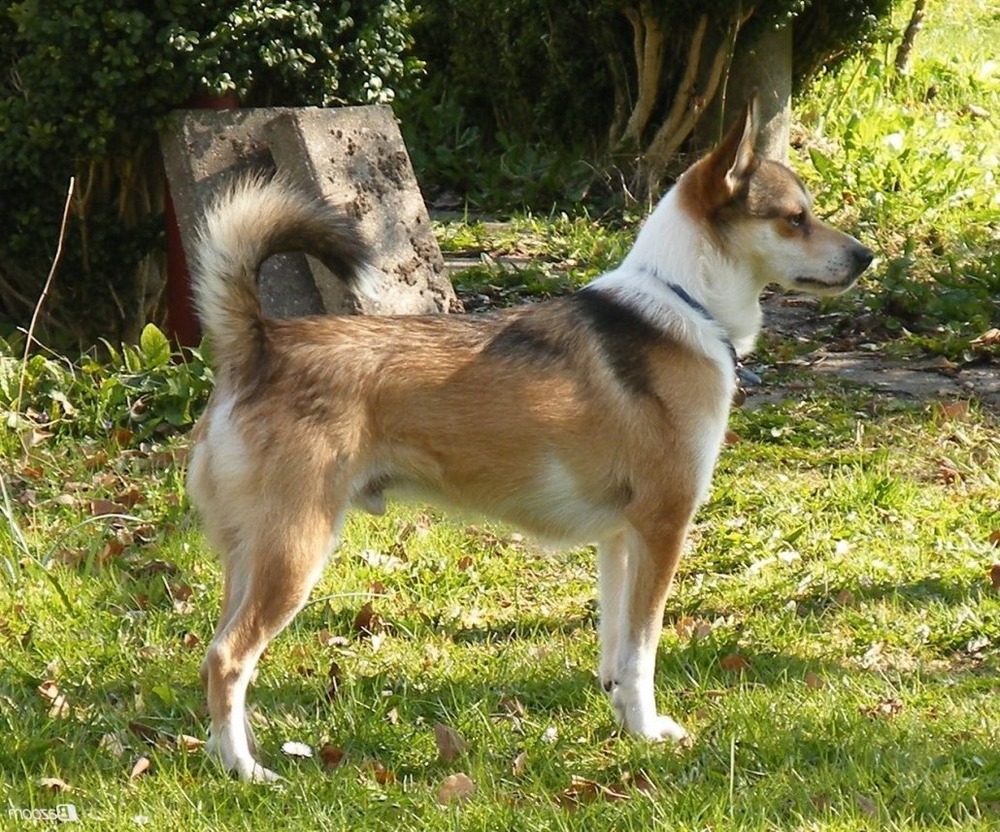
The Lundehund tends to respond best to training that feels like collaboration. Reward based methods, short sessions, and clear boundaries work well, especially when they are paired with enough exercise to take the edge off the dog’s natural restlessness.6 Harsh corrections often backfire, not because the dog is “sensitive” in a human sense, but because independent dogs commonly disengage when training feels unpredictable.
Aim for a daily pattern that includes both movement and thinking. For many Lundehunds, it is not the length of the walk that matters most, it is whether they also get to sniff, search, climb safely, and solve small problems.
- Movement: brisk walks, hikes in cool weather, games that involve climbing safely and controlled scrambling.
- Brain work: food puzzles, scent games, short obedience bursts, and simple shaping exercises at home.
- Sport options: agility and similar activities can suit the breed, provided training is progressive and joints are protected with good warm ups and sensible surfaces.6
If you live in a flat or apartment, it can still work, but only if you genuinely enjoy providing daily outlets. Think of it as a small dog that behaves like a working dog when under stimulated.
Health, including Lundehund Syndrome
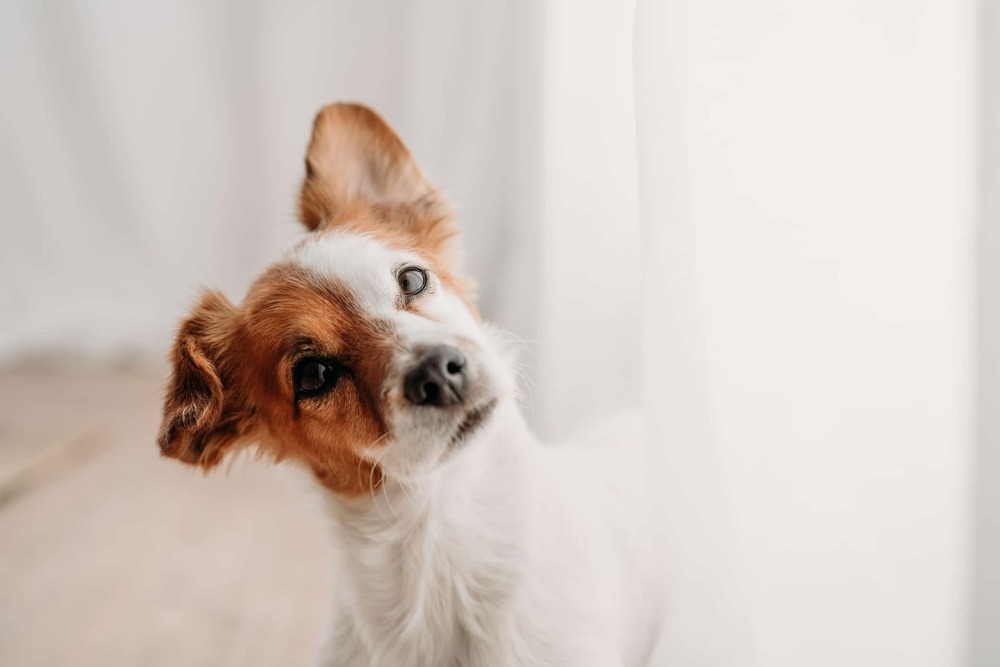
The breed’s headline health concern is commonly called Lundehund Syndrome, a term used for a set of gastrointestinal problems that can involve chronic enteropathy and, in some dogs, protein losing enteropathy associated with intestinal lymphangiectasia.3, 7 Not every Lundehund will develop serious disease, but the predisposition is well recognised, which means owners should be prepared to act early if signs appear.
Signs worth taking seriously
Check in with your vet promptly if you notice:
- ongoing or recurrent diarrhoea
- vomiting that does not quickly settle
- weight loss, poor appetite, or poor condition despite eating
- swelling of the abdomen or limbs (which can occur with low blood protein in protein losing states)7, 8
Nutrition and management, done with veterinary guidance
Because gastrointestinal disease is a known risk in the breed, it is sensible to treat diet as part of the dog’s health plan, not just a preference. For dogs diagnosed with intestinal lymphangiectasia or protein losing enteropathy, dietary approaches often include highly digestible, low fat diets and careful monitoring of body weight and blood proteins, in partnership with a veterinarian.7
If your Lundehund is healthy, there is no single “magic” diet that prevents problems. What helps most is consistency, avoiding frequent food swapping, and being willing to investigate early when symptoms begin, rather than assuming the dog has a “sensitive tummy” and waiting it out.
Grooming, shedding, and practical care
The coat is generally manageable, but it is a double coat, so you can expect seasonal shedding. Weekly brushing suits most dogs, with more frequent brushing during coat blows. Pay attention to paws and nails, especially because the extra toes mean there is simply more nail to maintain and more places for grass seeds or debris to lodge.
Ear care is usually straightforward, but because the ears can fold and seal, it is still worth checking routinely for wax build up, irritation, or trapped debris after outdoor adventures.
Living with a Lundehund in Australia: climate and daily routines
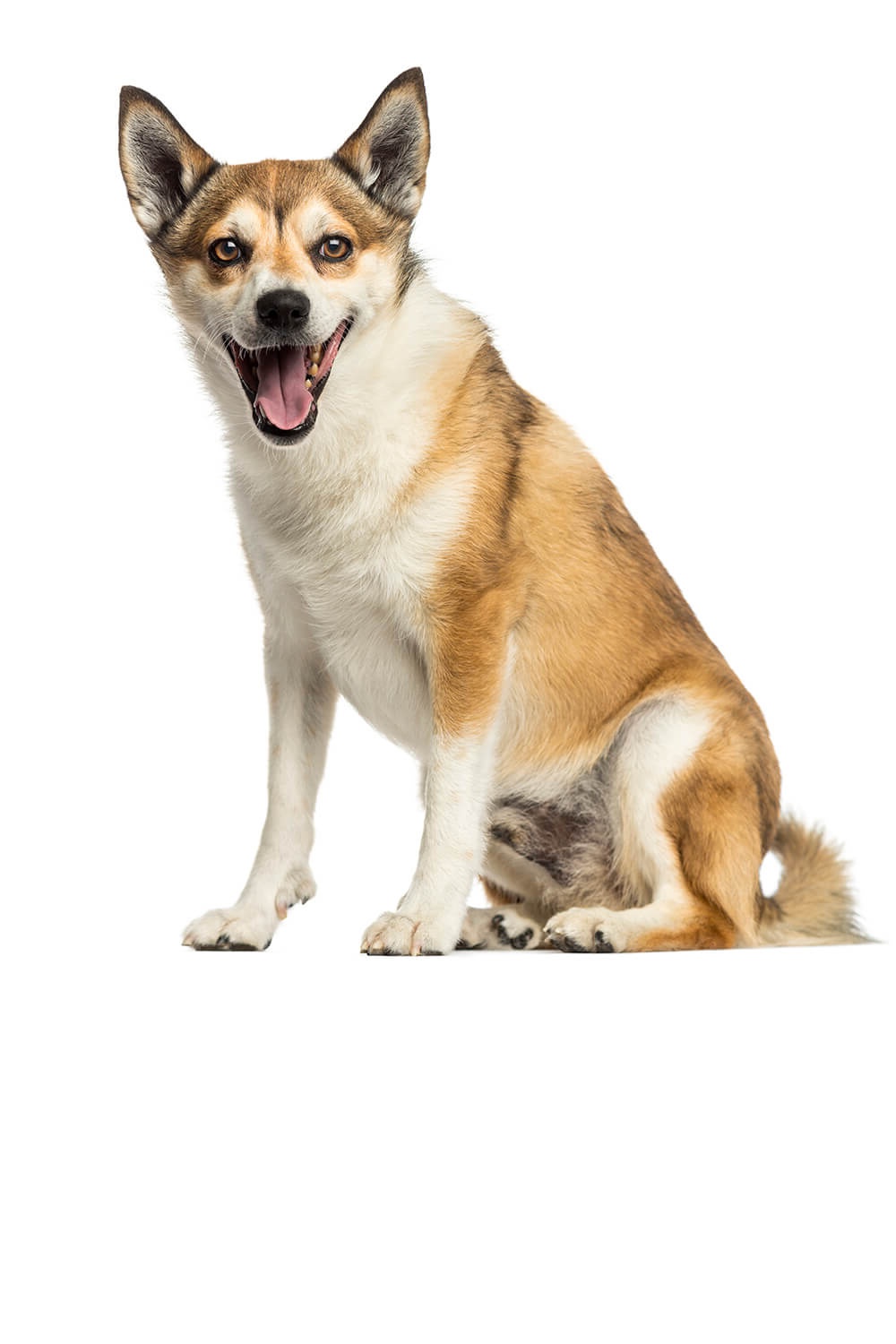
A Lundehund’s coat and working background point to cool conditions. In many parts of Australia, heat management is part of responsible ownership. Plan exercise early or late, prioritise shade and water, and treat hot pavements as a real hazard for paws. If your dog seems reluctant to move, pants heavily, or struggles to recover after activity, scale back and speak with your vet.
This is also a breed that benefits from predictable structure. A consistent rhythm of walks, training, rest, and calm companionship usually produces a dog that settles better indoors.
Recognition and rarity
The Norwegian Lundehund is recognised by major kennel bodies and remains uncommon compared with mainstream companion breeds. The American Kennel Club lists the Norwegian Lundehund among breeds recognised in 2011.1 In practical terms, rarity means waitlists can be long, and it is especially important to look for breeders who can discuss health history openly and who have a plan for long term welfare, not just conformation results.
Final thoughts
The Norwegian Lundehund tends to suit people who enjoy a dog with opinions, athleticism, and a slightly unusual operating system. When the breed is matched thoughtfully to the household, it can be deeply rewarding: curious company on walks, a lively presence at home, and a reminder that many “strange” traits in dogs are simply work made visible.
If you are considering one, the best preparation is not hype or a checklist. It is a willingness to learn the breed’s health landscape, a commitment to ongoing training, and a day to day life that leaves room for movement, sniffing, and calm routines.
References
- American Kennel Club: Breeds by Year Recognized
- American Kennel Club: Norwegian Lundehund (breed information)
- Norwegian Lundehund Association of America: About Lundehunds
- Swedish Kennel Club: Norwegian Lundehund (Nordic breeds overview)
- American Kennel Club: December 2010 Chairman’s Report (new breeds effective January 1, 2011)
- The Spruce Pets: Norwegian Lundehund breed characteristics and care
- Purina Institute: Intestinal Lymphangiectasia in Dogs
- MSD Veterinary Manual: Protein Losing Enteropathy in Small Animals
- JAVMA (PubMed): Protein-losing enteropathy secondary to intestinal lymphangiectasia in a dog (1978)