

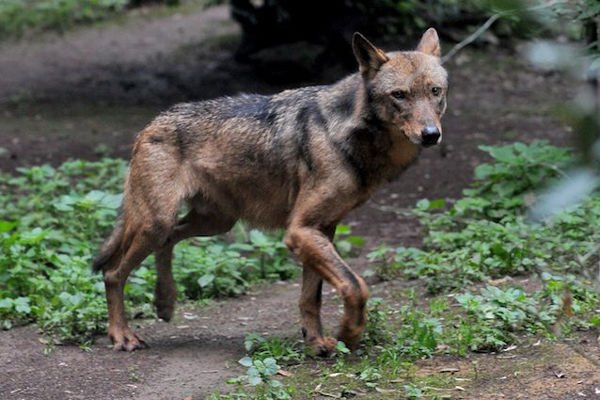
You might first notice the Lupo Italiano in a photo, or out on a trail, and do a double take. The outline looks wolfish, the posture is alert, and the whole dog carries itself like it was built for purpose, not for show. It is easy to assume it is simply “a wolfdog” or a new designer cross, but the story is more specific, and more complicated, than that.
Part of the confusion is that the Lupo Italiano sits slightly outside the usual kennel club world. It is often described as a working dog developed in Italy in the 1960s, with a controlled breeding program and a strong emphasis on suitability for service roles. It is also a breed surrounded by debate about its genetic origins, which matters because those assumptions shape expectations about temperament, manageability, and legal constraints.1, 2
If you are drawn to the Lupo Italiano, it helps to think less in terms of mystique and more in terms of daily life: training demands, exercise needs, social confidence, and the practical realities of access. For most people, the hardest part is not “how do I care for this dog”, but whether it is realistic to own one in the first place.1, 2
Origins, status, and why this breed is different
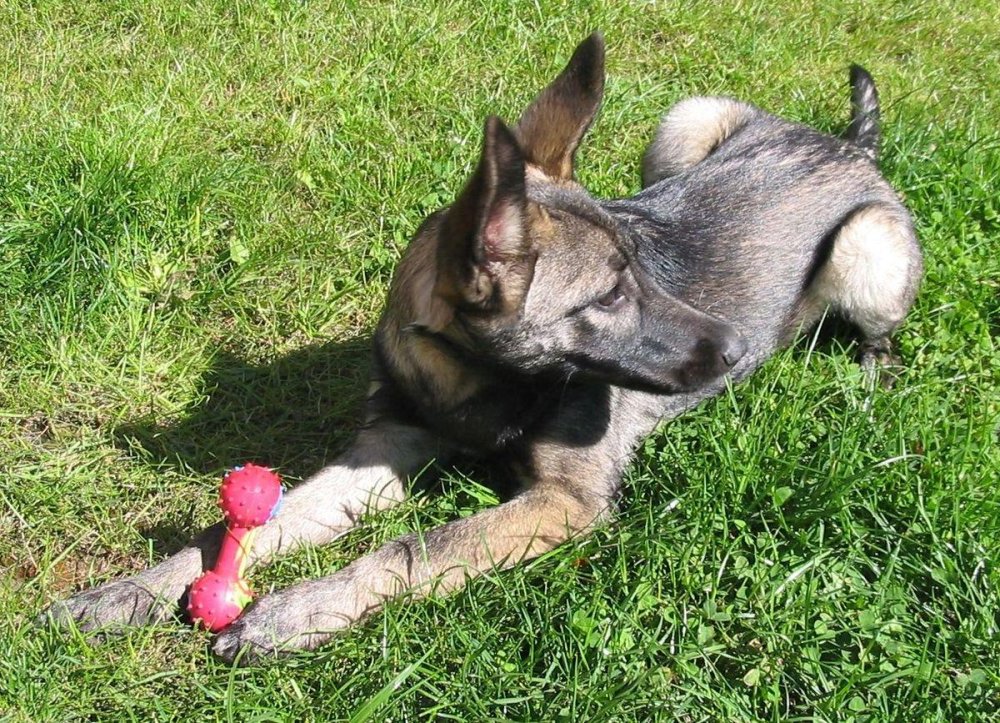
The Lupo Italiano is widely reported to have originated in Italy in 1966, associated with Mario Messi and an early foundation story involving a German Shepherd type dog and an Italian wolf. That origin story has been repeated for decades, but later genetic work has raised doubts about the extent of wolf ancestry in the population sampled. The most honest approach is to hold both ideas carefully: the breed has been managed as if it has wolf heritage, while some research suggests the modern dogs tested may not show significant wolf genetic signals.1, 5
In practical terms, the Lupo Italiano is also unusual because it is not recognised by major kennel clubs in the way many breeds are. For example, it does not appear in the FCI breed nomenclature, which is often used internationally as a reference point for recognised breeds and show eligibility.3
Another key detail that surprises people is access. Reporting on the breed commonly notes that a caregiver association has overseen selection and that sale has been restricted, with dogs placed via controlled arrangements for particular roles and handlers. That is one reason you may see strong interest online, but very few verified opportunities to acquire a puppy through ordinary channels.1, 2
What the Lupo Italiano tends to look like
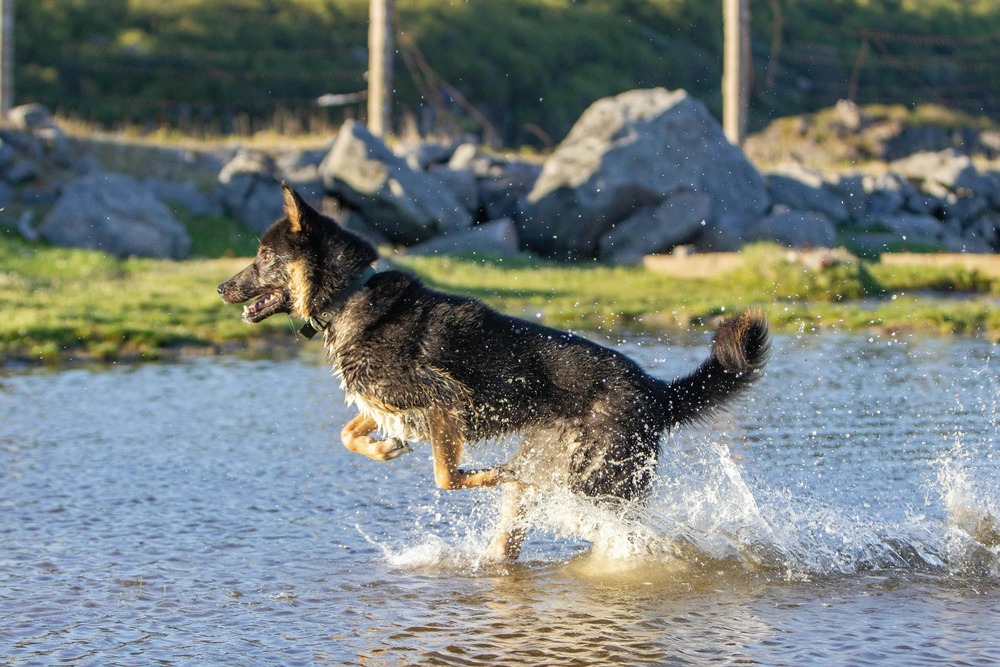
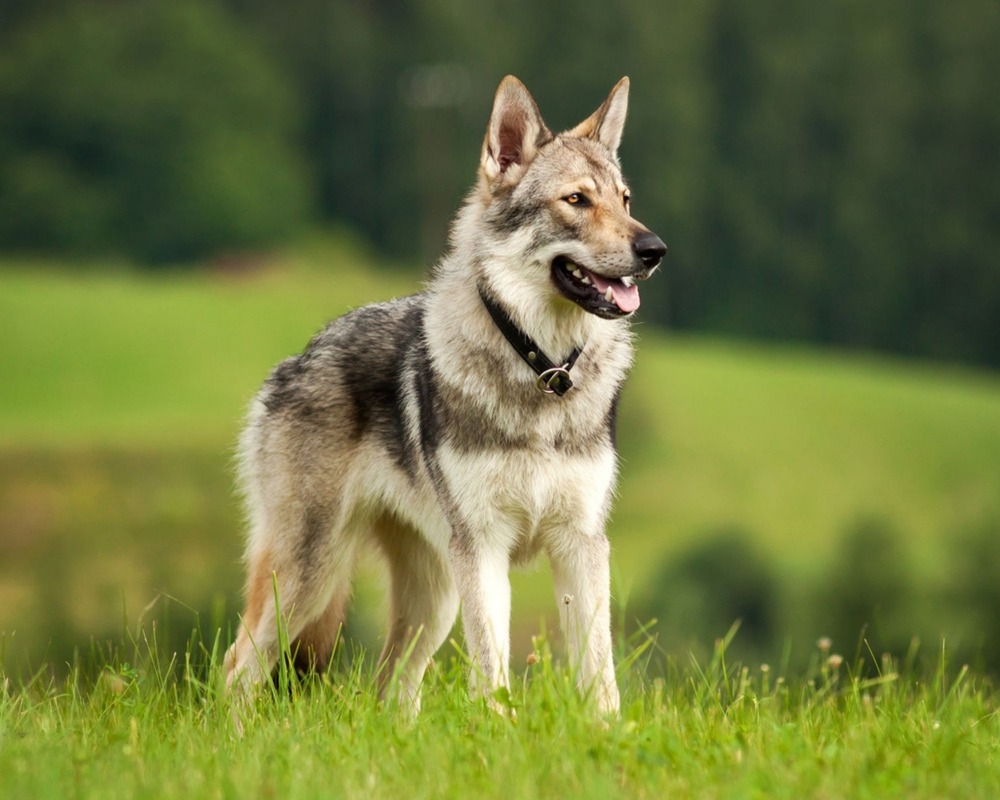
The “wolf-like” impression usually comes from a combination of head shape, upright ears, a dense coat, and a balanced, athletic frame. Breed descriptions commonly mention a robust chest, a light, efficient gait, and coat colours that sit in the grey spectrum, sometimes with darker shading and lighter areas around the face or chest.1
It is worth keeping expectations flexible. Photos online can skew perception, and individual dogs vary, especially in a population that is not broadly standardised through mainstream show breeding. A good rule of thumb is to focus on functional structure and sound movement over “wolfiness”, particularly if your goal is a stable companion rather than a conversation piece.
Temperament, behaviour, and the family question
Descriptions of the Lupo Italiano often highlight loyalty, attentiveness, and a protective bent. Those traits can be wonderful in the right home, but they are not automatically “easy family dog” qualities. A dog that is naturally watchful may need more careful early socialisation to remain relaxed around visitors, novel environments, and the everyday bustle of modern life.
With children and other animals, the usual working breed principles apply: thoughtful introductions, supervision, and consistency. When problems happen, they often stem from mismatched expectations, such as assuming that an athletic, security-minded dog will be content with sporadic exercise and casual training.
If you are choosing a Lupo Italiano type dog because you want a calm, dependable household presence, ask yourself whether you can provide structured activity and clear boundaries for years, not just in the first exciting months.
Training and exercise that actually suits the dog
The training approach that tends to hold up best with bright, vigilant dogs is steady, reward-based work, with clear routines and plenty of repetition in different contexts. Harsh corrections can suppress behaviour in the moment, but they often create new problems later, especially in dogs that are environmentally sensitive or quick to scan for threats.
Daily exercise needs are not just about distance. Many people can manage a long walk, but the dog still unravels at home because there is no mental outlet. A more realistic picture looks like:
- Active movement: brisk walking, hiking, structured off-lead time where legal and safe
- Brain work: scent games, obedience foundations, puzzle feeding, short training sessions
- Recovery: quiet time that is taught, not demanded, so the dog learns to settle
Dogs developed for service roles often cope best when they know what their job is. Even if that “job” is simply a daily routine of training, enrichment, and calm house manners, it makes the world feel more predictable for them.
Health, lifespan, and sensible prevention

There is limited mainstream veterinary literature that is specific to the Lupo Italiano as a distinct breed population, so it is wise to think in terms of general large, athletic dog health management rather than breed-specific promises. Many owners and breed profiles discuss orthopaedic concerns such as hip and elbow dysplasia as potential issues to watch for, particularly given the dog’s size and activity level.
Practical preventative care is still the backbone of a good outcome: appropriate vaccination and parasite control for your region, regular dental care, weight management, and a plan for injury prevention if you do lots of high-impact activity. If you are considering any rare or tightly controlled breed, it is also reasonable to ask what health screening is performed, and what happens to dogs that are not suitable for work or breeding.
Coat care and grooming without overdoing it

A dense, weather-resistant coat is practical in the field, but it needs basic maintenance. Weekly brushing is often enough most of the year to remove dead hair and check skin condition. During seasonal shedding, you may need a few sessions a week, using tools that suit a double coat rather than cutting or stripping it.
Bathing is usually occasional, not frequent. Too much washing can dry the skin and leave the coat dull. Grooming time is also behaviour time. It is a chance to practise calm handling, cooperative care, and gentle restraint, all of which pay off when the dog needs veterinary attention later.
Nutrition, feeding, and common hazards
Feeding a high-drive, athletic dog is less about chasing trends and more about matching energy intake to the dog in front of you. Veterinary nutrition guidance generally emphasises an individual plan, regular body condition checks, and choosing foods based on overall nutritional adequacy rather than marketing cues from an ingredient list.4
If you are home-feeding, or mixing fresh foods with commercial diets, it is worth doing it with your vet’s input so you do not accidentally build in nutrient gaps over time. Joint support supplements, omega-3 oils, and similar add-ons can be useful in some cases, but they should be chosen for a reason, not out of anxiety.
Also keep the everyday hazards firmly in mind. Some human foods can be dangerous even in small amounts. Chocolate is a classic example because theobromine levels vary by chocolate type, and dogs metabolise these compounds differently to people.6, 7
Foods to keep out of reach include:
- Chocolate and cocoa products6, 7
- Onion, garlic, and related alliums (including powders in cooking)8
- Grapes and raisins9
- Xylitol (found in some sugar-free products)8
Final thoughts on living with a Lupo Italiano
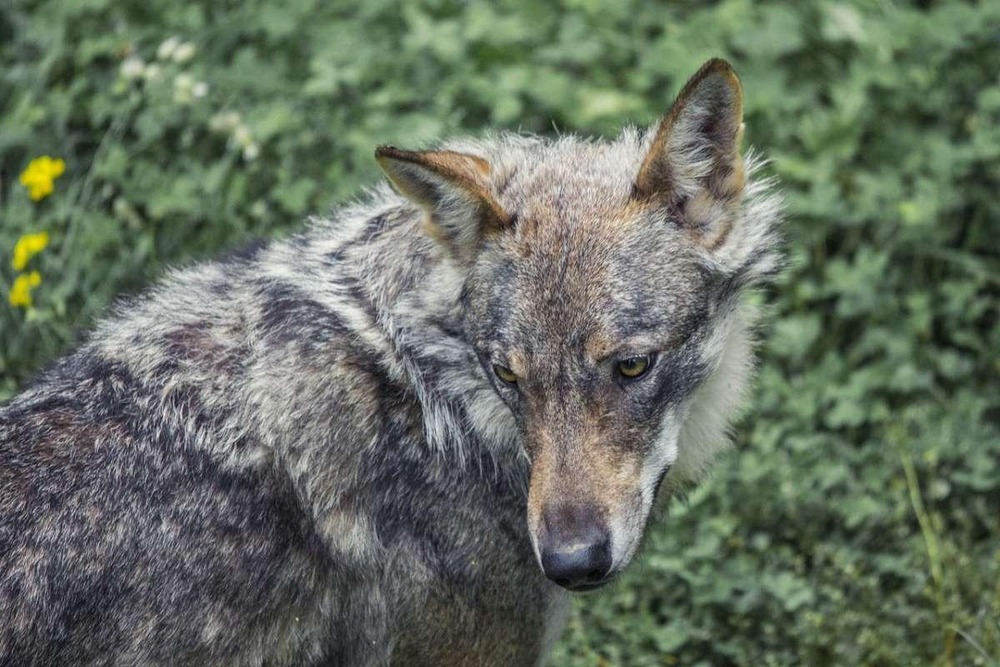
The Lupo Italiano tends to draw attention because it looks like a dog from an older story, all sharp lines and quiet capability. The more meaningful reality is simpler: if you live with a dog like this, your days will be shaped by training habits, enrichment, and how thoughtfully you manage the dog’s social world.
It is also a breed where the paper details matter. Recognition status, controlled placement, and debates about ancestry all influence what you can responsibly assume about temperament and suitability. If you are considering a Lupo Italiano or any dog presented as similar, take your time. Look for verifiable sourcing and ethical placement, and let the dog’s everyday needs, not the mystique, guide your decision.1, 2, 3
References
- Lupo Italiano (overview, history, and management)
- Lupo italiano (Italian language history summary)
- FCI Breeds Nomenclature
- WSAVA Global Nutrition Guidelines
- Talenti et al. (2017), Studies of modern Italian dog populations reveal multiple patterns for domestic breed evolution (Ecology and Evolution)
- US FDA: Leave Chocolate Out of Rover's Celebrations
- Purdue University College of Veterinary Medicine: Chocolate toxicity tips
- RSPCA WA: Easter treats can be toxic to pets
- FOUR PAWS Australia: Dangerous foods for dogs