

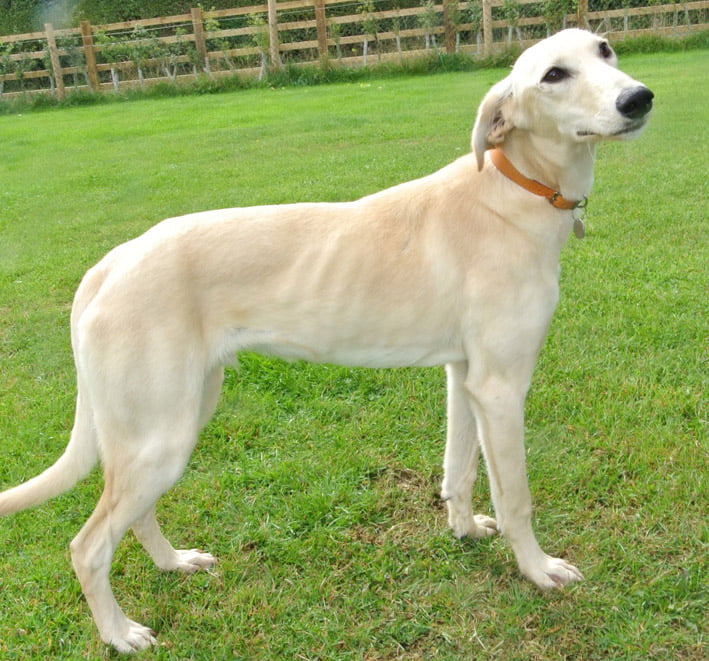
- Type: Sighthound cross (not a recognised breed)
- Origin: Great Britain and Ireland
- Typical height: about 56 to 71 cm (varies with parentage)
- Typical weight: often 27 to 32 kg (varies with build and mix)
- Typical lifespan: around 12 to 15 years
- Coat: short, rough, or broken
- Shedding: low to moderate
- Exercise needs: high, with daily opportunities to run safely
- Temperament: often gentle, people-oriented, and bright
- Common watch-outs: prey drive, cold sensitivity, occasional joint and eye issues
You might first notice it on a walk: a slim dog with long legs and a quiet, watchful way of moving, then a sudden burst of speed that looks effortless. People often call that dog a Lurcher, but what they mean is not a single, standardised breed. They are noticing a type of dog shaped by purpose.
A Lurcher is usually a sighthound cross, commonly a Greyhound or similar, mixed with another kind of working dog such as a herding dog or terrier type. That mix can produce a dog that is fast, adaptable, and observant, but it also means two Lurchers can look and behave quite differently.1
That variety is part of the appeal, and part of the challenge. If you are considering living with one, it helps to think less in terms of a neat breed checklist and more in terms of what sits underneath: speed, stamina, a strong visual hunting instinct, and an often surprisingly calm “off switch” once their needs are met.
History and origin, and why Lurchers were bred
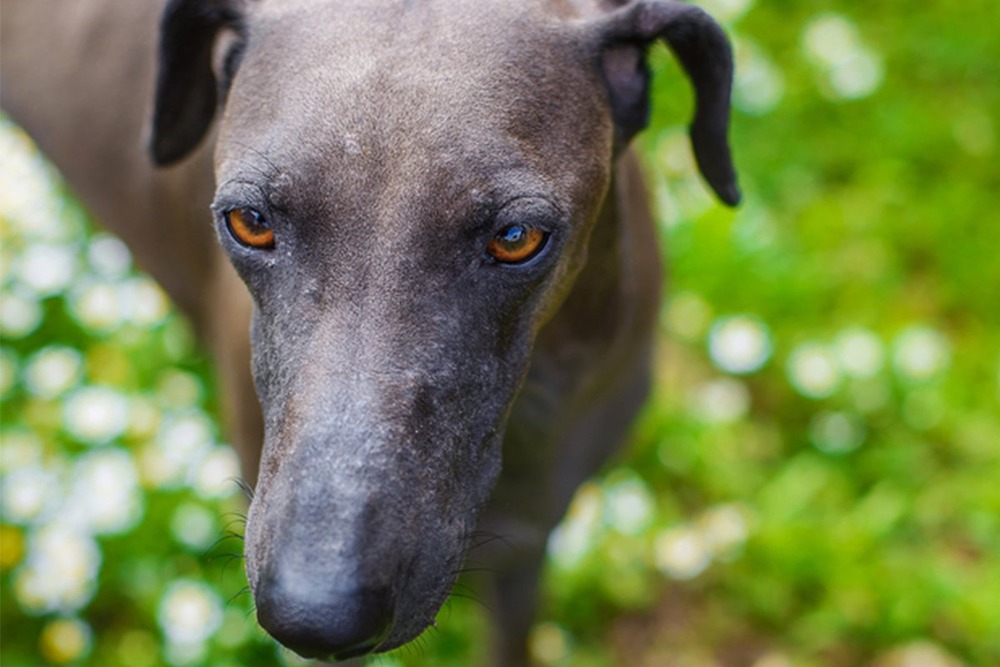
The word “Lurcher” has been used in Britain for centuries to describe a dog produced by crossing a sighthound with another type of dog. It is a functional label rather than a pedigree, and historically it was closely linked with rural life, hunting, and, at times, poaching.1
In practical terms, the goal was straightforward: pair the speed and sight of a sighthound with traits like trainability, endurance, coat type, or turning ability from another working dog. The result could be a dog suited to covering ground, spotting movement quickly, and responding well enough to work alongside people.
You will sometimes also hear the term “longdog”. That usually refers to a sighthound crossed with another sighthound, rather than a sighthound crossed with a non-sighthound working type. People use the terms loosely, but the distinction can help when you are trying to understand what a particular dog is likely to be like day to day.2
What a Lurcher looks like, and why they vary so much
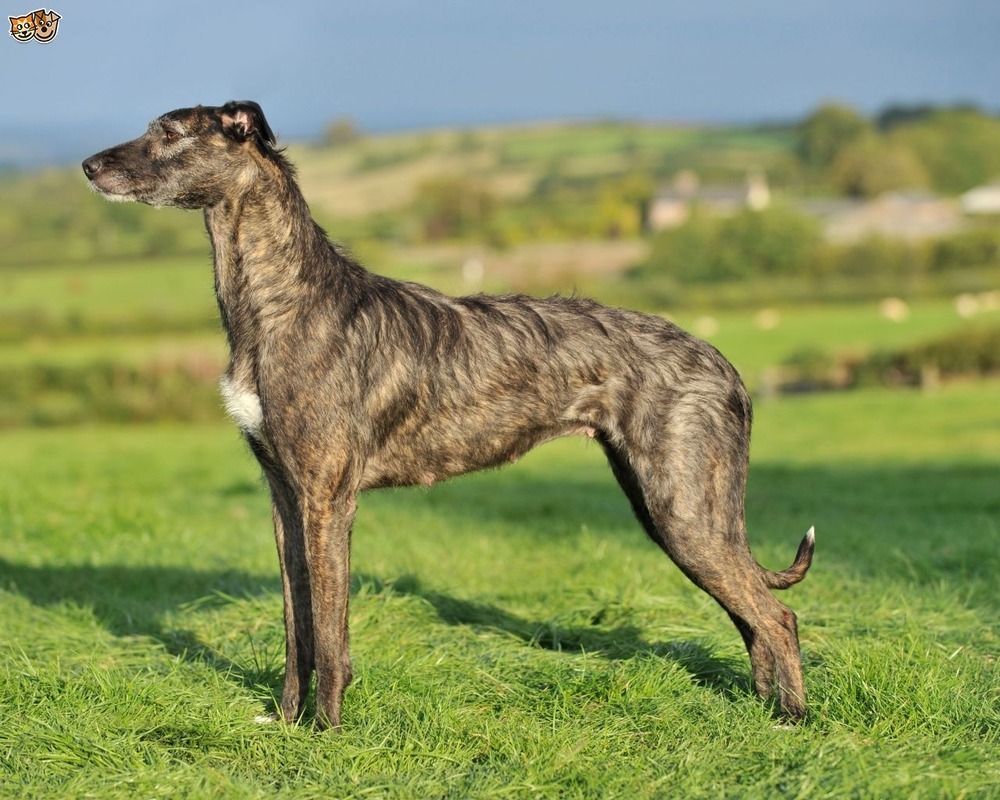
Most Lurchers share a recognisable outline: long legs, a deep chest, a narrow waist, and a build made for efficient movement. Beyond that, there is plenty of variation. Size, coat, ear shape, and overall sturdiness depend heavily on the mix behind the dog.1
Coats can be smooth and fine, rough and wiry, or somewhere in between (often called “broken”). Colour is equally variable, including black, brindle, fawn, and combinations with white markings.
That diversity is not just cosmetic. A rough-coated Lurcher may cope better with cold mornings and scrubby terrain, while a sleek-coated dog might feel the chill quickly and need a coat in winter. In Australia, owners often notice this most on early walks, when the dog stays comfortable while moving, then cools down fast when standing still.
Temperament and behaviour, calm at home and quick outdoors
Many Lurchers are quietly social with their people and surprisingly settled in the house, provided they get appropriate exercise and chances to decompress. They often enjoy soft bedding and a predictable routine, which fits with their tendency to rest deeply between activity bursts.
Outdoors, the picture can change. A common surprise for new owners is how quickly a Lurcher can lock onto movement. This is not “naughtiness” so much as a normal expression of sighthound genetics, where fast visual tracking is the point. It is why recall can be situational, especially around rabbits, cats, or wildlife.
With children, many do well when the household understands that a dog built for sprinting can be easily startled by sudden grabs or body contact. Thoughtful supervision, calm introductions, and giving the dog a quiet place to retreat usually matter more than any single training trick.
Training and exercise, meeting needs without winding them up
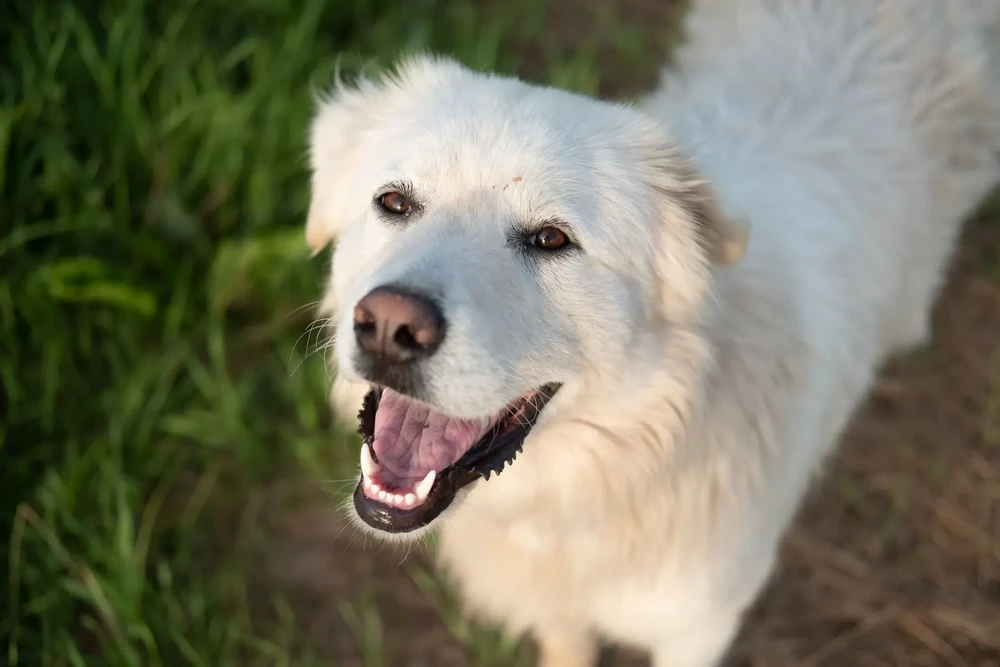
Lurchers tend to learn quickly, but they are not always motivated by repetition. Training usually lands best when it is short, clear, and rewarding, with plenty of practice in real-life contexts rather than only in the backyard.
Positive reinforcement methods are widely recommended in modern dog training because they reduce fear and help build reliable behaviours without suppressing normal communication. For Lurchers, that matters because sensitivity and startle responses can be part of the package, depending on the dog’s background and early experiences.6
For exercise, many Lurchers need two things:
- Daily walks for sniffing, routine, and steady movement.
- Safe opportunities to run, ideally in a fully fenced area or on a long line where it is appropriate.
It helps to think in terms of quality rather than just distance. A dog that gets to move freely, explore, and then settle is often easier to live with than a dog kept constantly “amped up” with high-intensity games. If you are working on recall, a long line and a well-fitted harness can be useful tools while you build skills gradually.
Health and lifespan, what to watch for in a sighthound-type body
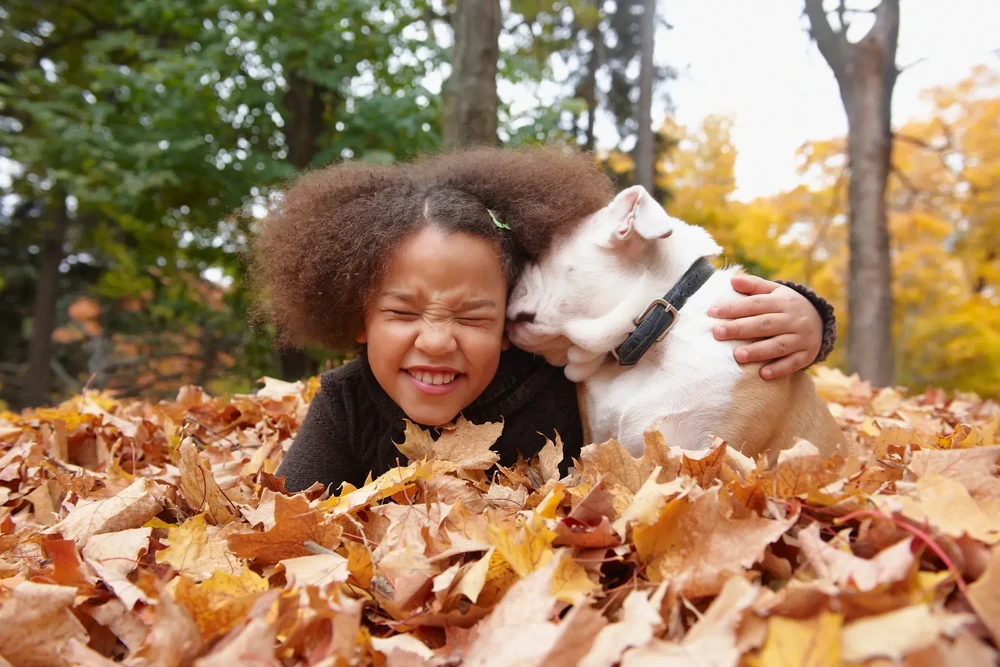
Many Lurchers are robust dogs, and crossbreeding can, in some cases, reduce the likelihood of certain inherited problems. Still, their structure and ancestry can come with predictable considerations, including joint issues in some lines and occasional eye concerns.
One serious condition that gets talked about with deep-chested dogs is gastric dilatation-volvulus (GDV), often called bloat. It can happen suddenly and is considered a life-threatening emergency, with deep-chested conformation being a risk factor. If you ever see repeated unproductive retching, a rapidly distending abdomen, restlessness, or collapse, it is urgent veterinary care.3, 4
Keeping your Lurcher at a healthy weight is one of the most practical health protections you can offer. A simple body condition check, looking for a visible waist and easily felt ribs with a light fat covering, is often more helpful than focusing on a number on the scales alone.7
Grooming and everyday care, simple routines that make a difference
Most Lurchers are relatively low maintenance, but the right routine depends on coat type:
- Smooth coats often do well with a weekly brush and a wipe-down after muddy walks.
- Rough or broken coats may need more regular brushing to prevent tangles, especially behind the ears and around the collar area.
Because many Lurchers are sensitive to cold, comfort care is not just cosmetic. Warm bedding, drying them properly after rain, and using a coat on cold mornings can help some dogs stay relaxed and avoid stiffness.
Do not overlook the small checks: nails (especially dewclaws), ears, and teeth. Calm, consistent handling from puppyhood, or from the day an adult dog arrives, makes these tasks much easier over the long term.
Diet and nutrition, feeding the dog in front of you
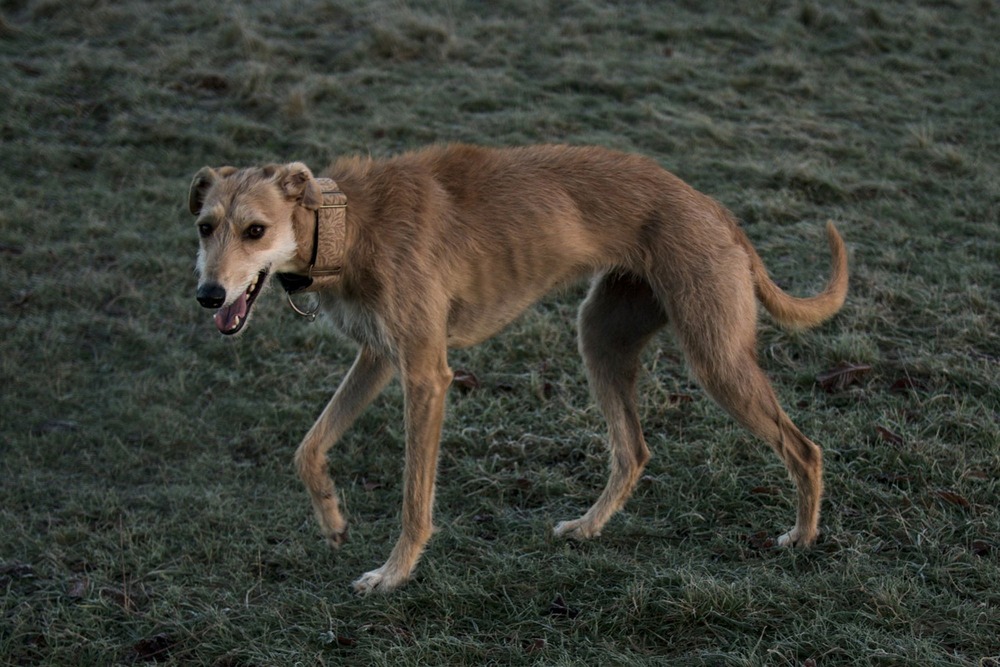
Lurchers often look lean compared with stockier breeds, and that can trick people into overfeeding. The aim is not a specific kilogram number, but a stable, healthy body condition that supports joints and movement.
If you want a straightforward way to make good decisions, veterinary nutrition guidance tends to focus on a few consistent habits: choose a complete and balanced diet appropriate to life stage, monitor body condition regularly, and adjust portions based on changes in weight, activity, and health.5, 7
For dogs that gulp meals, or for deep-chested dogs where you are cautious about GDV risk, feeding smaller meals more than once a day and slowing down fast eaters can be sensible discussions to have with your vet. Evidence around individual risk factors can be nuanced, but the condition itself is well recognised as an emergency when it occurs.3
Living well with a Lurcher, what owners often learn over time
The best thing about many Lurchers is also the thing you need to plan for: they can be both gentle companions and serious sprinters. When their needs are met, they often fit beautifully into family life, including smaller homes and units, because they are usually not constantly on the go indoors.
It helps to set up the environment so the dog can succeed:
- Choose secure fencing and be cautious with off-lead access until recall is proven in distracting settings.
- Offer a quiet resting spot where nobody disturbs them.
- Use enrichment that suits sighthounds, such as scent games, food puzzles, and controlled chase games in safe spaces.
If you are adopting, remember that many Lurchers come through rescue with unknown histories. Patience, routine, and a trainer who understands sighthound behaviour can make a real difference in helping a dog settle and feel predictable to live with.
References
- Wikipedia: Lurcher
- Wikipedia: Longdog
- Cornell University College of Veterinary Medicine: Gastric dilatation volvulus (GDV) or “bloat”
- University of Illinois College of Veterinary Medicine: Barrel-chested dogs susceptible to bloat
- WSAVA: Global Nutrition Guidelines
- RSPCA (UK): Dog training, general advice
- RSPCA Australia Knowledgebase: How do I tell if my dog is overweight?
- RSPCA Australia: 4 ways to avoid obesity in your dog