

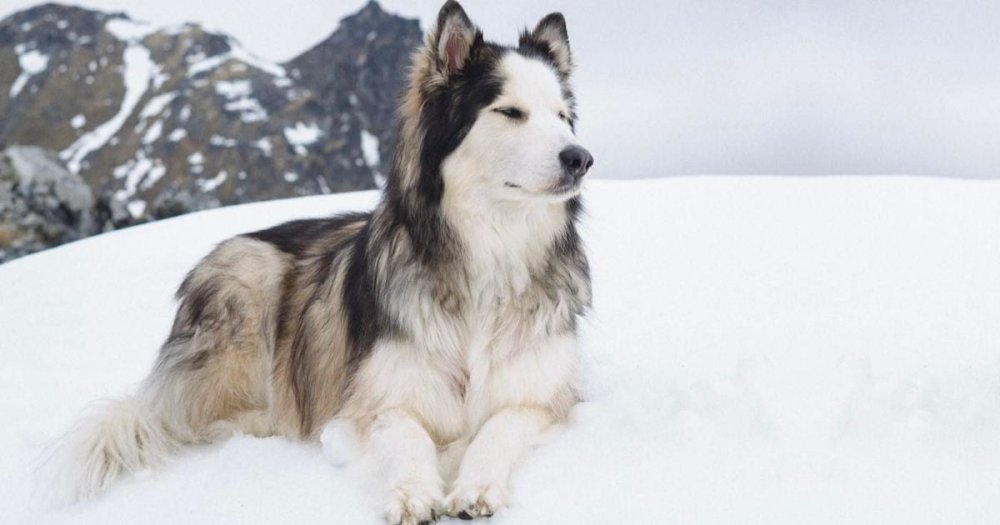
You might come across the term “Mackenzie River Husky” while looking at sled dog history, chatting with northern dog owners, or trying to identify a big, rangy husky type with a heavy coat and serious stamina. At first glance, it is tempting to assume it is simply another version of the Siberian Husky, or a recognised “breed” with a neat standard.
In practice, it is more useful to think of the Mackenzie River Husky as a historical sled dog type shaped by work. These dogs were valued because they could haul heavy loads in difficult conditions, often with minimal fuss. That working background still shows up today in the way they move, the way they cope with boredom, and the way they respond to heat, confinement, and inconsistent training.
If you are considering living with one, or one that looks very much like one, the real question is not what label fits best. It is whether your daily life can support a dog that tends to be athletic, independent, and happiest when it has a job to do.
At a glance
- Type: Northern working and freighting sled dog type (not a widely recognised pedigree breed)
- Origins: Subarctic and Arctic regions of Canada, associated with the Mackenzie River area
- Size: Often large and powerfully built, with plenty of variation
- Coat: Thick double coat, usually heavy seasonal shedding
- Temperament: Typically steady, energetic, and independent, often social with people but not always easy with other dogs
- Best fit: People with time for training, space, and daily exercise, especially in cooler climates
History and origin
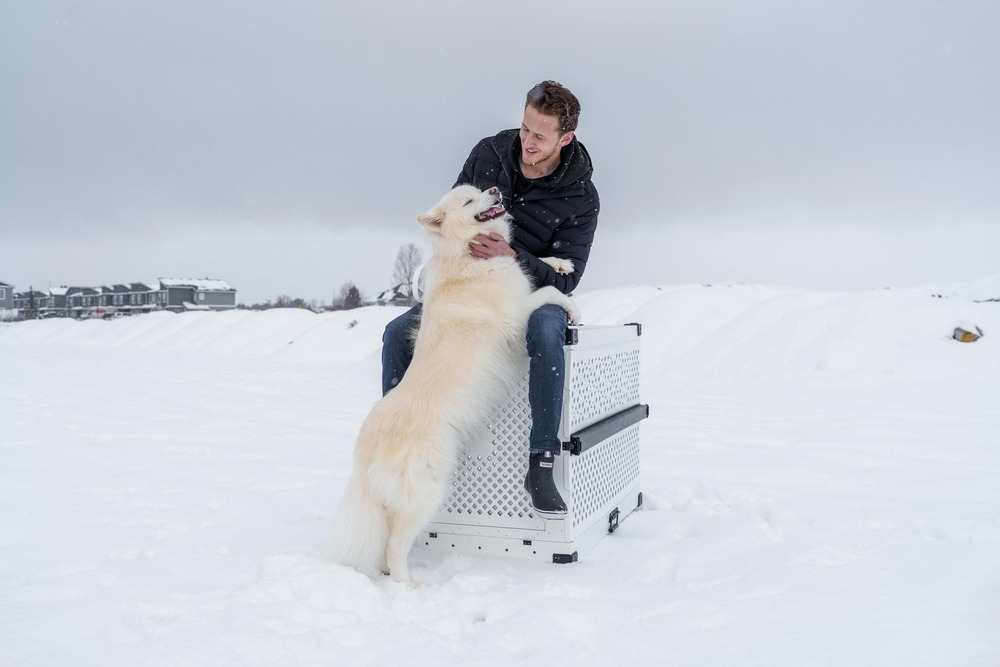
Mackenzie River Husky is a name used for several overlapping northern sled dog populations, rather than a single, tightly defined modern breed. Historically, these were practical dogs bred and traded for performance, especially for freighting and long-distance travel in snow, not for a show ring look. 1
Accounts commonly describe them as bigger, heavier “hauling” dogs than the faster, lighter sprint types. Their development is linked to the needs of trappers, traders, and later gold rush travel, where the ability to pull substantial loads reliably mattered more than uniform appearance. 1
That history also explains why you will see variation in coat length, colour, and overall build. When people talk about a Mackenzie River Husky today, they are often pointing to a dog that carries those old freighting-dog traits, whether through lines kept by enthusiasts or through mixes that still resemble the type.
Physical characteristics
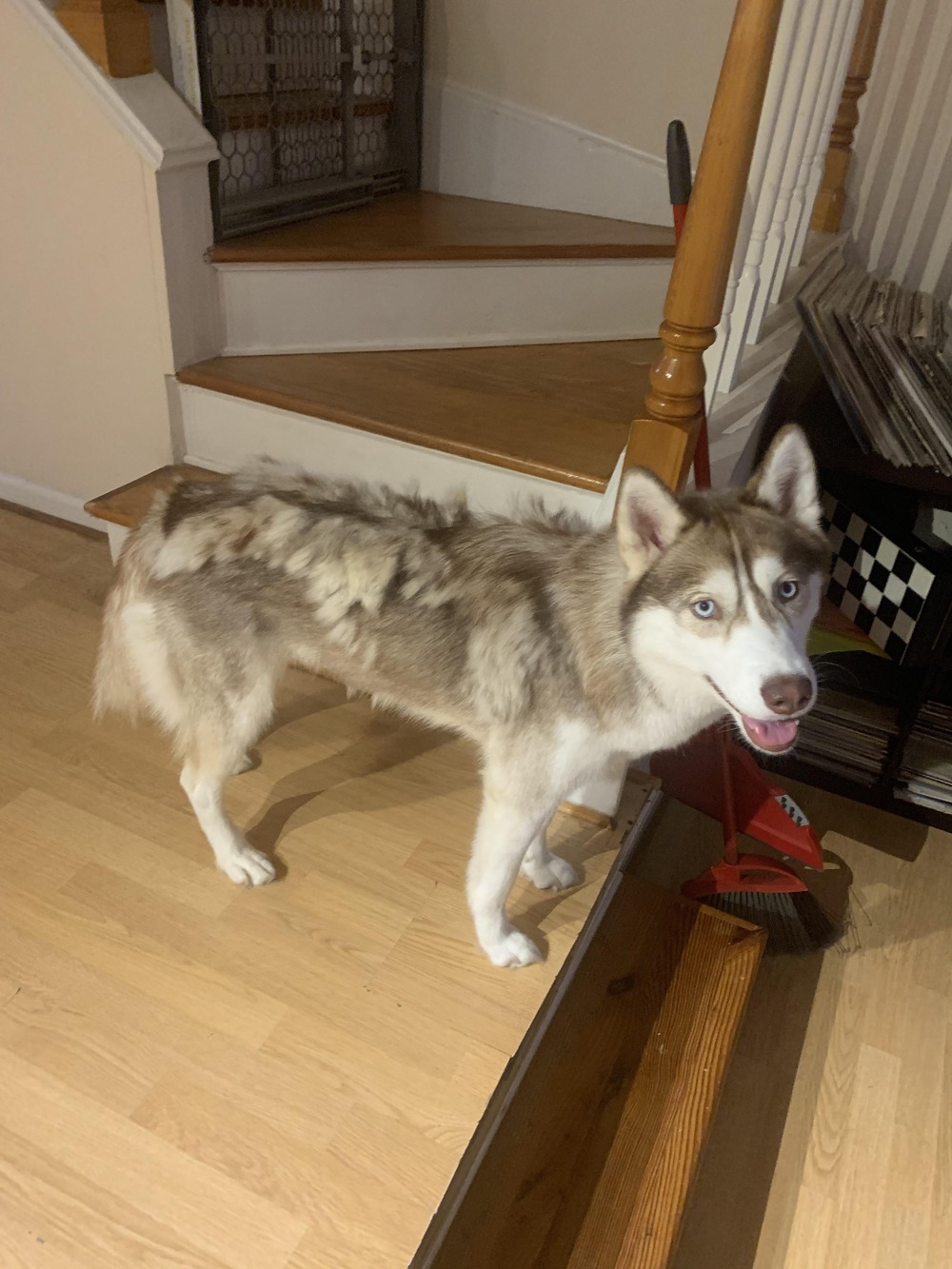
Most Mackenzie River Husky types are substantial, deep-chested dogs, built to travel and pull. They are often long-legged, with a practical, weatherproof coat and feet designed to cope with snow and rough ground. Because this is a type rather than a formal breed standard, size can vary, and you may see anything from a lean freight dog frame to a broader, more “draft” look. 1
The double coat is a defining feature. It insulates well in cold conditions, but it also means these dogs can struggle in hot, humid weather if their day is not planned thoughtfully. In Australia especially, heat management is not a minor detail, it is part of responsible care. 2, 3
Temperament and behaviour
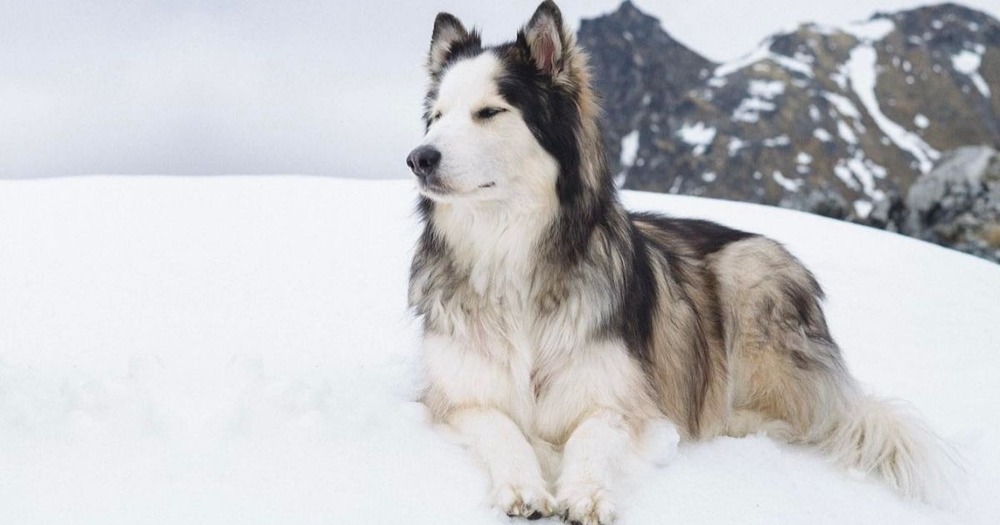
People often describe northern working dogs as “loyal”, but what many owners notice day to day is something more specific: a tendency towards independent problem-solving. These dogs were selected to keep moving, keep pulling, and cope with harsh conditions, sometimes at a distance from humans. That can look like confidence, persistence, and a low tolerance for repetitive drills.
With family, many are social and affectionate on their own terms. They often enjoy being near their people, but they are not always the sort of dog that automatically checks in for approval. A calm household routine helps, as does giving them purposeful outlets such as pulling sports, hiking, or structured training games.
Dog-to-dog behaviour can be variable. Some are easygoing, others are more likely to scuffle, particularly when over-aroused, under-exercised, or poorly introduced. Early socialisation helps, but so does accepting that some individuals do best with careful management and sensible boundaries around other dogs.
Training and exercise needs
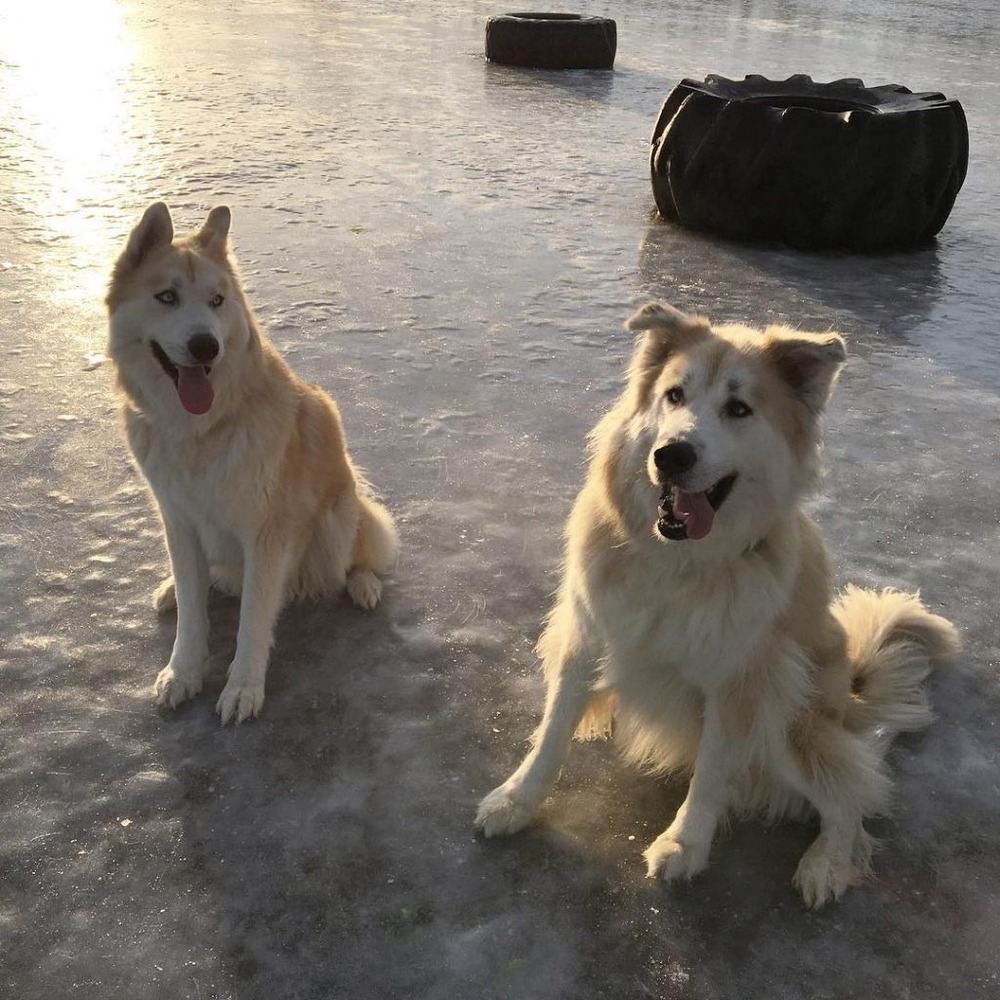
These dogs tend to do best when training is treated as a daily conversation, not a one-off project. The goal is not “perfect obedience”. It is building habits that keep everyone safe, especially recall, loose-lead walking, and settling when the household is quiet.
Most trainers who work well with northern types lean on reward-based training. It is practical, it keeps sessions constructive, and it helps you avoid turning everyday handling into a battle of wills. 4, 5
Exercise needs are usually high, but “more” is not always the answer if it simply creates a fitter dog with the same frustration. A better mix often looks like:
- Steady daily movement such as brisk walks, hikes, or jogging (built up gradually).
- Pulling outlets such as canicross, bikejoring, or a well-fitted weight-pull style harness for controlled work (with professional guidance).
- Short training sessions for life skills, especially impulse control and calm behaviour around doors, food, and other dogs.
- Enrichment that uses the nose and brain, for example scatter feeding, scent games, and chew time.
Heat changes everything. In warm weather, shift exercise to early mornings and evenings, keep sessions shorter, and watch for signs of overheating such as relentless panting, drooling, vomiting, wobbliness, or collapse. If you suspect heatstroke, cool the dog with cool (not icy) water and seek veterinary help urgently. 2, 3
Health and lifespan
Because “Mackenzie River Husky” is not a single standardised breed, there is no single, neat list of guaranteed health problems. Still, when you are dealing with large, athletic dogs, it is sensible to think about hips, elbows, eyes, and general joint wear across a lifetime of activity.
Hip dysplasia is a well-known condition in dogs, influenced by both genetics and environment. Weight management, sensible exercise during growth, and appropriate screening can all matter. 6
Many of these dogs live into the low teens, but lifespan is shaped by basics that are easy to underestimate: staying lean, protecting joints, keeping teeth healthy, and managing heat exposure. Extreme heat days have been linked with increased dog mortality risk in Australian veterinary data, which is especially relevant for thick-coated working types. 7
Grooming and maintenance
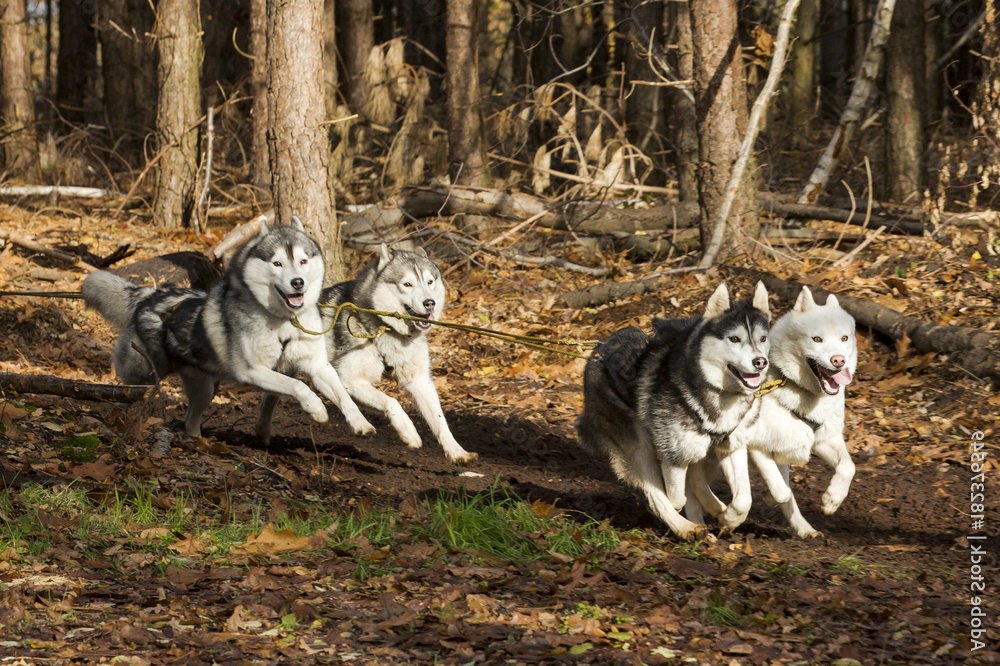
The coat is built for cold, and it behaves like it. Expect heavy seasonal shedding, plus ongoing “background” hair most of the year. Regular brushing helps keep the skin healthy and reduces matting, but it also gives you a chance to notice early signs of trouble such as dandruff, sore spots, or parasites.
A practical rhythm for many owners is a thorough brush once or twice a week, then daily sessions during the big seasonal coat blow. Tools vary by coat, but an undercoat rake and a slicker brush are common go-tos.
One common misconception is that shaving a double coat automatically makes a dog cooler. In reality, coat management is more about removing dead undercoat, providing shade and ventilation, and adjusting activity to the conditions. If you are unsure, ask a groomer who regularly works with double-coated northern breeds.
Diet and nutrition
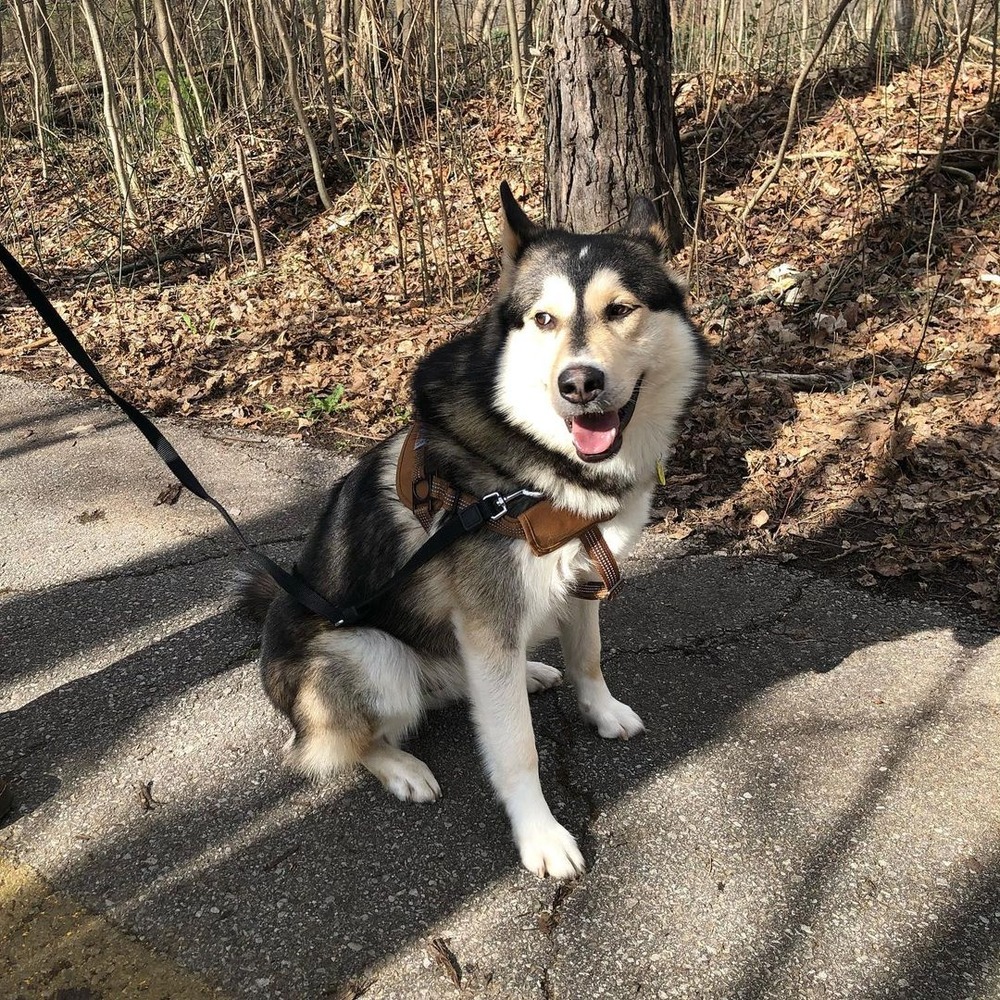
Working types can be efficient, athletic eaters, but appetite and metabolism vary widely by individual and lifestyle. The most reliable guide is not the scoop size on the packet. It is your dog’s body condition and day-to-day energy. The WSAVA nutrition resources are widely used in veterinary practice, including body condition scoring tools that help you aim for a lean, athletic shape. 8
For many dogs, splitting food into two meals helps with routine and training. If your dog does hard exercise, avoid feeding a large meal immediately before or after intense activity and talk with your vet about the safest schedule for your situation.
Living with a Mackenzie River Husky type
This is the part people often only learn after the first few months. These dogs do not just need exercise. They need a life that makes sense to them.
If you are deciding whether this type suits your home, it can help to be honest about a few practical points:
- Space and containment matter. Many northern types are capable diggers and climbers if bored or under-stimulated.
- They cope poorly with long, empty days without enrichment, especially in small yards.
- Heat management is a daily responsibility in much of Australia, particularly in summer and during heatwaves. 2, 3, 7
- They often do best with owners who enjoy training as an ongoing practice, not a quick fix.
When those needs are met, you tend to see the qualities people admire in the first place: steadiness, endurance, and a kind of quiet competence that feels different from many modern companion breeds.
References
- Wikipedia: Mackenzie River husky
- RSPCA Australia: Warm weather worries, protect pets from heatstroke
- RSPCA NSW: Heat stress
- Association of Pet Dog Trainers Australia (APDT): Position statements
- American Veterinary Society of Animal Behavior (AVSAB): Why you need to reward your dog in training
- Orthopedic Foundation for Animals (OFA): Hip dysplasia
- UNSW Newsroom: Extreme heat linked to increased pet dog deaths
- WSAVA: Global Nutrition Guidelines
- Cornell University College of Veterinary Medicine: Dental disease and home dental care