

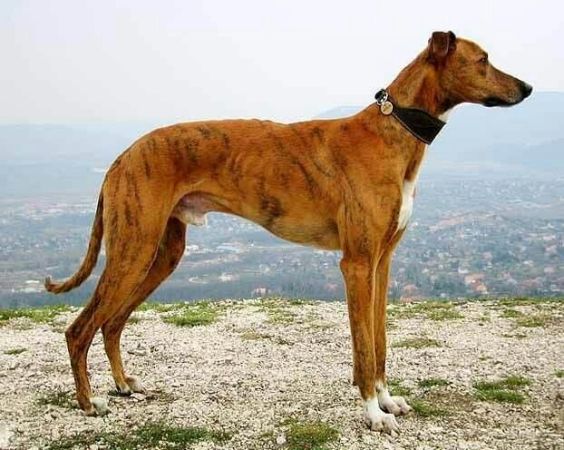
People often come across the name “Mahratta Greyhound” after seeing a lean, long-legged sighthound online, hearing about Indian hunting hounds, or meeting a quiet, watchful dog that can go from stillness to full speed in a heartbeat. At a glance, it is tempting to file them under “just another greyhound type”. The closer you look, the more you notice the differences in background, purpose, and day-to-day needs.
It also helps to be clear about language. In India, several local sighthounds are sometimes described as “greyhounds” in casual conversation, even when they are not the same as the modern racing Greyhound. The term “Mahratta Greyhound” is most often used for the Mahratta Hound, and it can be confused with the Mudhol or Caravan Hound, another Indian sighthound from nearby regions.1, 2, 3
What matters in practice is that you are dealing with a dog shaped by open ground, fast decision-making, and the instinct to chase. If you live with one, or are considering one, the best care tends to come from understanding that working sighthound design, rather than trying to fit them into a generic “family dog” template.
- Breed category: Sighthound
- Country of origin: India
- Typical size: Medium to large, lean and leggy (varies by local type)
- Coat: Short and smooth
- Shedding: Usually low to moderate
- Exercise needs: High, with room for safe running
- Temperament: Loyal, alert, often independent
- Barking: Often low
What “Mahratta Greyhound” usually refers to
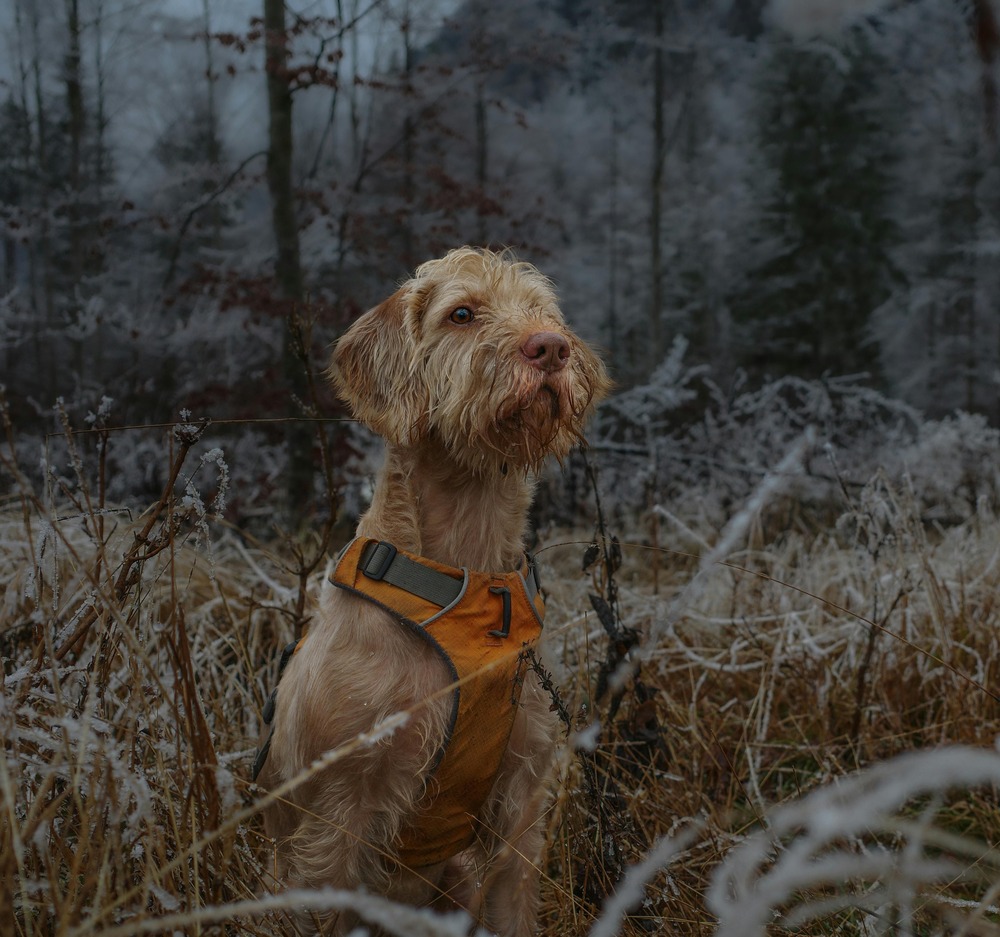
“Mahratta Greyhound” is a commonly used alternative name for the Mahratta Hound, described as an Indian sighthound associated with Maharashtra and used for hunting in some communities.1 In other contexts, you may see “Mahratta greyhound” used loosely for similar Indian sighthounds, particularly the Mudhol or Caravan Hound, which is recognised by Indian kennel bodies under those names.2
This overlap is not just trivia. It affects what you should expect in size, coat, and temperament. If you are meeting a dog in person, ask where their line comes from, what they were bred to do, and whether there is any paperwork or breed club context. If you are looking at photos online, be cautious about treating a single description as definitive.
Origins in open country work
Across Indian sighthound types, the theme is consistent: dogs developed for speed, endurance, and the ability to hunt by sight over open terrain. That heritage tends to produce a dog that is physically efficient and mentally economical, often calm at home, then intensely focused when something triggers chase behaviour.
What they look like in everyday terms
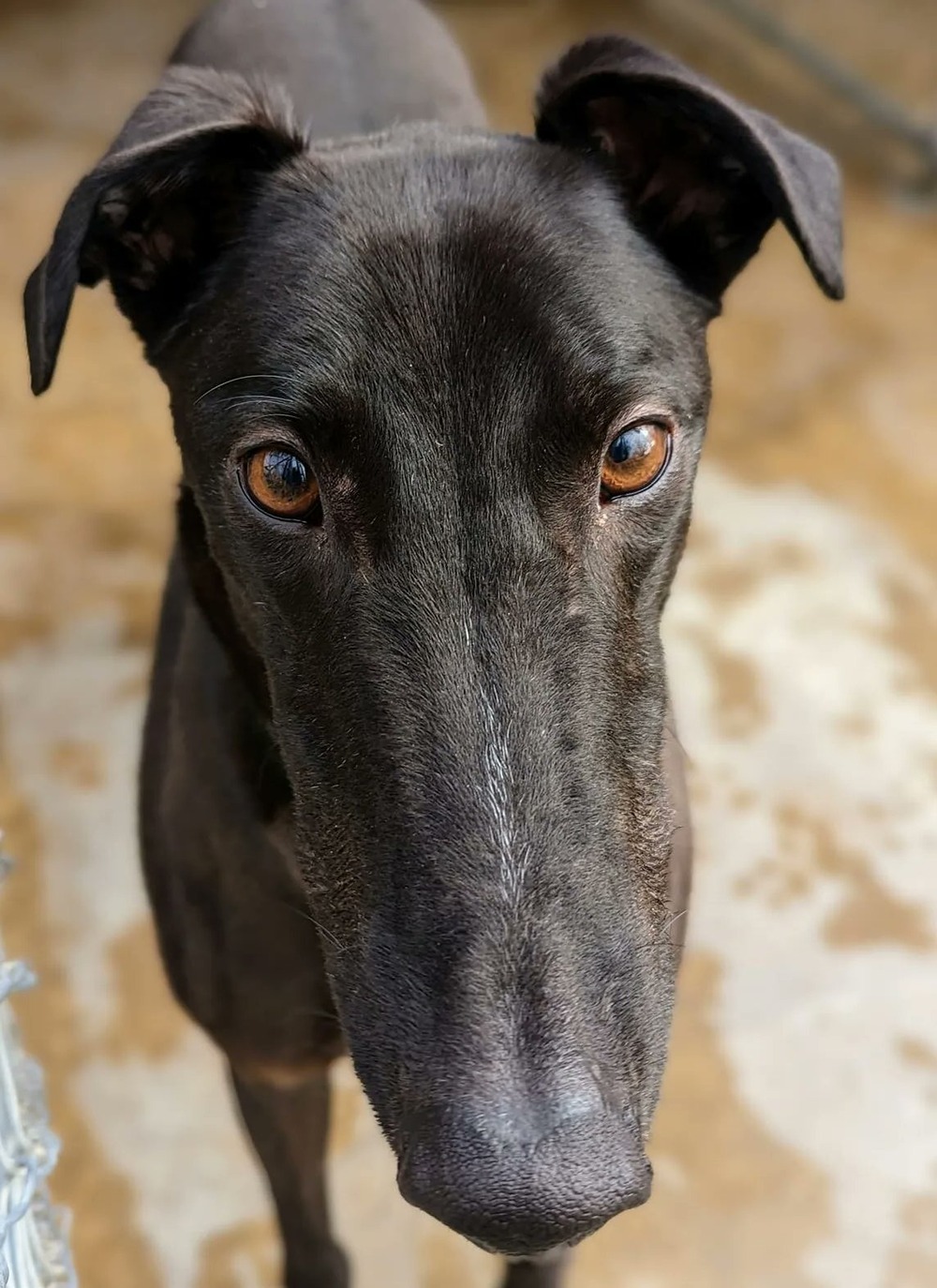
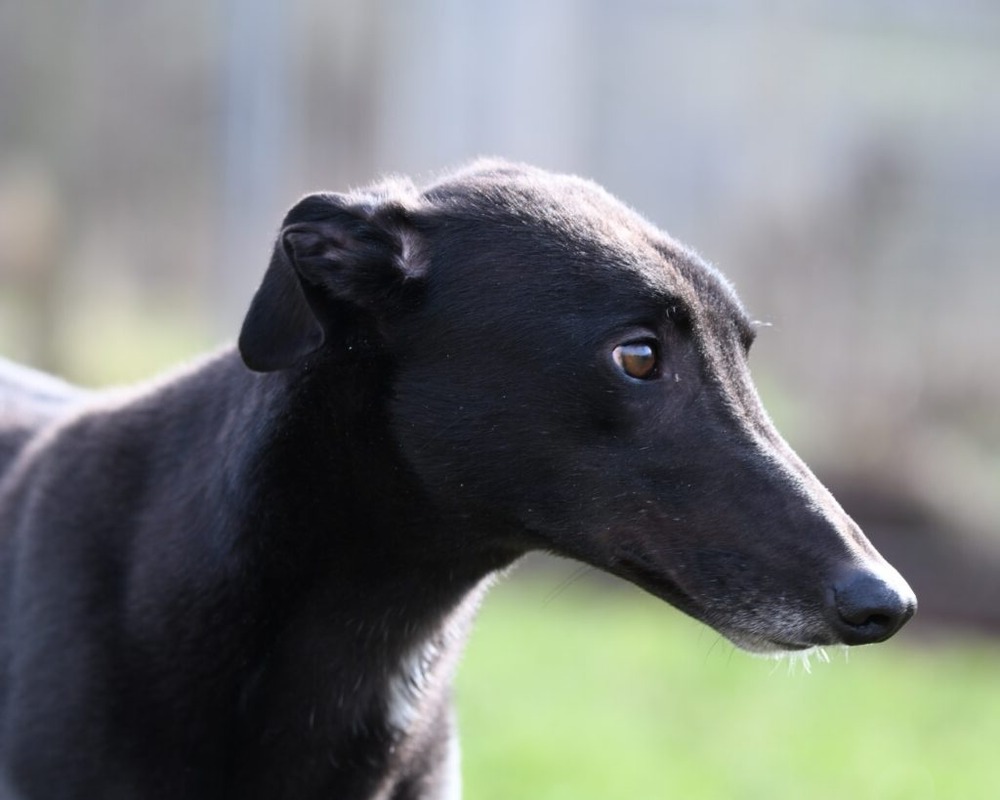
Most are built like athletes rather than “pets first”. Expect a deep chest, tucked-up waist, long legs, and a head that reads as narrow and purposeful. Coats are typically short and smooth, and colours vary by local type and breeding tradition.3
Temperament, family life, and the reality of prey drive
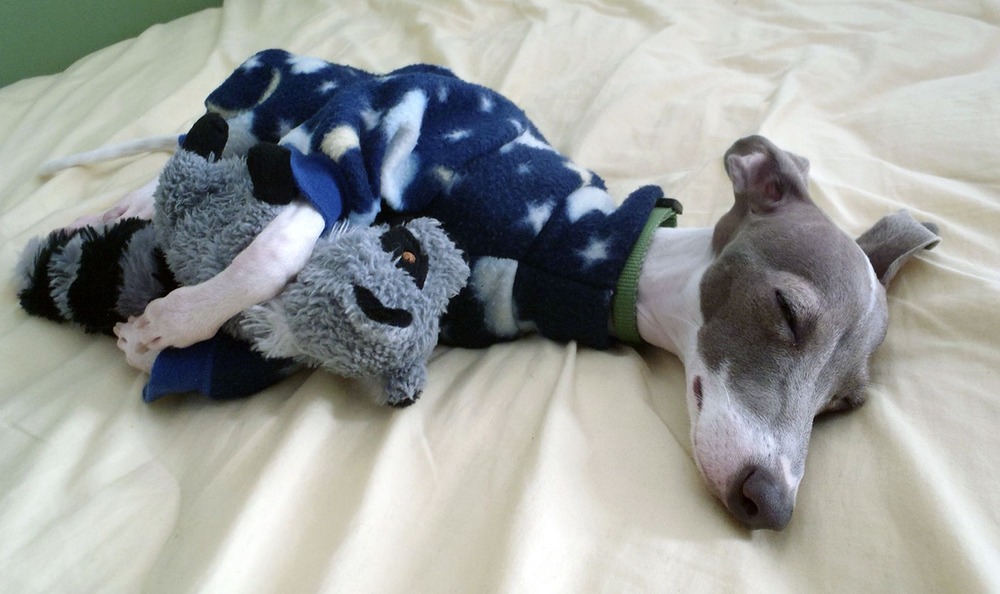
In the home, many sighthounds come across as surprisingly quiet. People sometimes assume that a fast dog must be endlessly “busy”, but a lot of the time you are living with a creature that likes long rest periods, punctuated by bursts of intensity. That mix can suit households who enjoy daily exercise and a generally low-drama dog indoors.
The main practical consideration is chase instinct. A sighthound can spot movement at distance, react quickly, and commit hard. That does not make them “bad with other pets”, but it does mean management matters, especially around cats, pocket pets, and small dogs you do not know.4, 5
Children and visiting friends
With children, what usually matters is not “friendliness” as much as sensitivity. Lean, lightly coated dogs can be physically tender, and some do not enjoy rough handling. Calm, supervised introductions and teaching kids how to approach, pat, and give space tends to set everyone up well.
Other dogs and small animals
Many can socialise well with other dogs, but keep a watchful eye around very small dogs and fast-moving pets. If you are adopting an adult sighthound, ask directly about their history with cats and small dogs, and treat any uncertainty as a cue to plan for management rather than hoping for the best.
Training that fits a sighthound brain
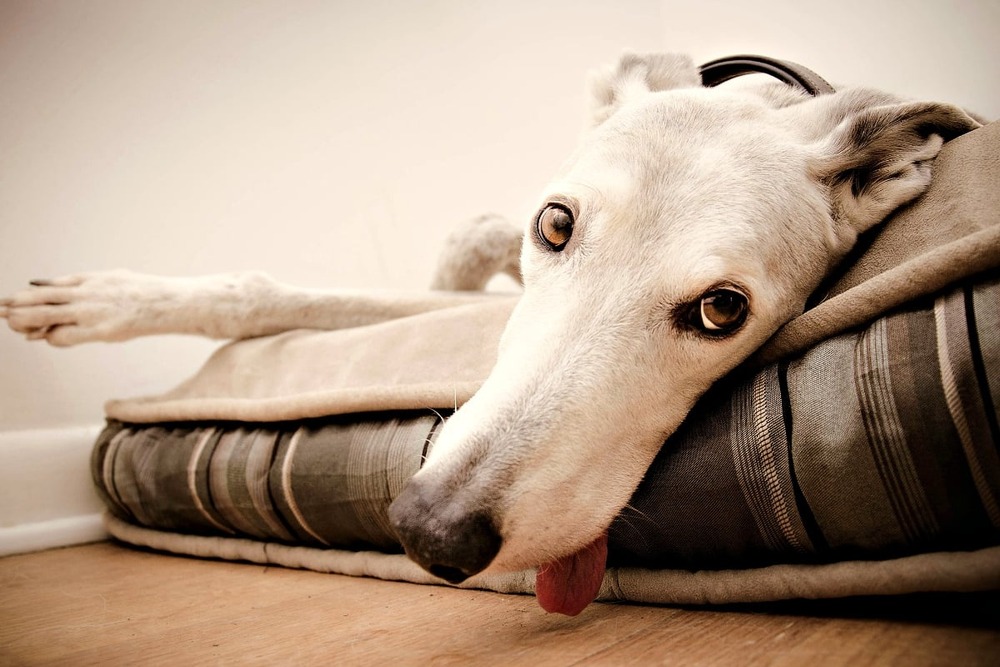
Sighthounds are often described as independent, which can sound like a polite way of saying “hard to train”. In practice, many learn quickly, but they do not always see the point in repetition. Training tends to go best when it is short, consistent, and built around real-life skills rather than endless drilling.
A useful mindset is to prioritise management plus training. A perfect recall is a lovely goal, but a secure lead, a well-fitted harness, and a safely fenced area are what prevent accidents when instinct takes over.4, 5
Early socialisation
Gentle exposure to different surfaces, people, vehicles, and calm dogs can help prevent a sensitive youngster from becoming worried or reactive later. Keep sessions brief, end on a win, and protect the dog from being overwhelmed.
What usually works
- Positive reinforcement, with rewards the dog genuinely values.
- Loose lead walking practice in low-distraction environments before expecting success in busy places.
- Teaching a calm “settle” on a mat, which suits their natural preference for resting.
- Using flirt poles, chase games with rules, or lure-style play to meet instincts safely, not by suppressing them.
Exercise and enrichment, fast does not mean endless
These dogs need daily movement, but the shape of that exercise matters. A long walk on lead, plus a chance to run safely a few times a week, often meets the need better than trying to turn them into a marathon partner overnight.
For greyhound-type sighthounds, it is widely recommended to avoid off-lead time unless the area is very secure, and to be thoughtful about risks in dog parks, even fenced ones.4
A practical weekly rhythm
- Most days: a couple of lead walks and some sniffy, low-pressure exploration.
- Several times a week: a safe, fenced run or structured chase game.
- Daily: brief training, food puzzles, or scatter feeding for mental exercise.
Health considerations for lean, deep-chested dogs
When people list “common problems” for a rare or locally described breed, it is easy for information to become a bit copy-and-paste. It is safer to think in terms of sighthound and large, athletic dog patterns, then work with your vet on the individual in front of you.
Deep-chested dogs can be at increased risk of gastric dilatation-volvulus (GDV), often called bloat, which is a medical emergency. Prevention is not foolproof, but common risk-reduction advice includes smaller meals, slowing rapid eating, and avoiding hard exercise around meal times.6
Keep an eye on
- Sudden abdominal swelling, repeated retching, distress, or collapse (seek emergency veterinary care).
- Orthopaedic wear and tear in very active dogs, particularly if exercise is intense on hard ground.
- Feet and nails, especially if the dog is doing lots of running or turns at speed.4
Grooming, warmth, and day-to-day comfort
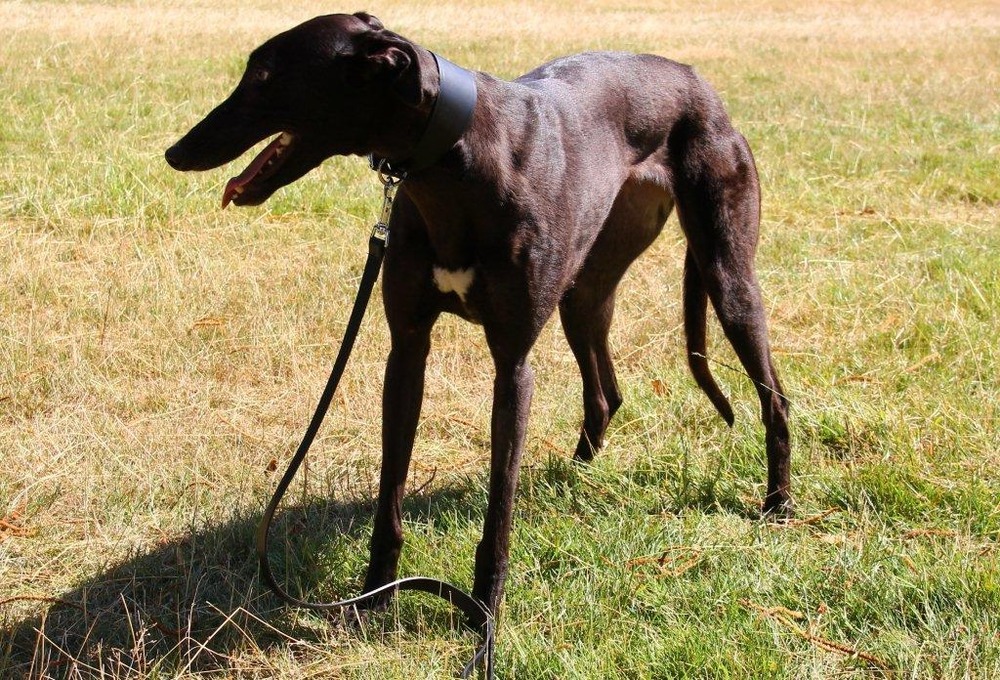
A short coat makes grooming straightforward, but it does not mean “no maintenance”. A weekly brush and regular nail trims go a long way, and it is worth checking ears and paw pads as part of the routine.
Many lean, short-coated sighthounds feel the cold more than people expect. You may find that a coat in winter, a warm bed, and a draft-free sleeping spot makes a noticeable difference to comfort, especially for older dogs.
Feeding a working-shaped dog, without overthinking it
With athletic dogs, owners sometimes chase “high performance” diets, then accidentally create weight gain or upset stomachs through constant switching. A more grounded approach is to choose a complete and balanced diet that suits the dog’s life stage, then adjust portions based on body condition and activity.
The World Small Animal Veterinary Association (WSAVA) nutrition resources are a good reminder that nutrition should be tailored to the individual, and that label reading alone can be misleading without broader context.7
Simple feeding practices that help
- Feed measured portions and reassess every few weeks as exercise changes.
- Use treats intentionally, and count them as part of the day’s intake.
- If your dog gulps meals, use a slow feeder or puzzle feeder.
- If your dog is deep-chested or high-risk, discuss GDV risk with your vet and follow sensible meal-time routines.6
Final thoughts
The Mahratta Greyhound label points to a sighthound tradition that is older and more regionally varied than most quick breed summaries admit. If you are drawn to these dogs, it is usually because you admire that combination of stillness and speed, and the way they watch the world with quiet focus.
They tend to do best with people who enjoy daily movement, value calm handling, and are willing to manage prey drive with practical safety habits. In return, you often get a dog that is clean, low-fuss at home, and deeply tuned to routine, even if they keep a little independence in reserve.
References
- Wikipedia: Mahratta Hound (Mahratta Greyhound)
- Wikipedia: Mudhol Hound
- CaravanHound.in: Mudhol Hound (breed standard and description)
- RSPCA Knowledgebase: What should I know about owning a greyhound?
- Greyhound Racing Victoria: Re-homing greyhounds with prey drive
- American Animal Hospital Association (AAHA): Understanding canine bloat (GDV)
- WSAVA: Global Nutrition Guidelines