

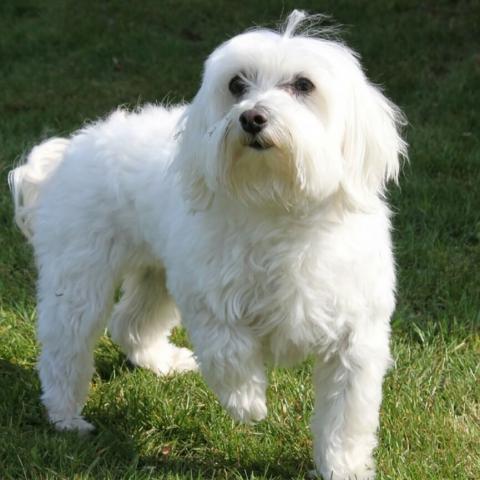
You usually notice a Maltese before you properly meet one. A small white dog moving like a drifting tuft of cotton, a face that seems to float out of all that hair, and a confident little trot that does not match the size. People often assume they are fragile ornaments, or “easy” because they are tiny and suit apartment living.
In practice, Maltese are a bit more interesting than that. They tend to be close to their people, quick to learn routines, and sensitive to handling, noise, and changes in the household. Their coat can be low-shedding, but it is not low-maintenance, and their small mouths mean dental care matters earlier than many owners expect.5, 8
If you are trying to work out whether a Maltese fits your life, it helps to look past the “pretty white dog” idea and think about what they need day to day, including grooming, training, and sensible health prevention. That is where this breed usually shines, in steady companionship and small, consistent care.
At a glance: what a Maltese is like to live with
The Maltese is a toy companion breed known for a long, silky coat and a lively, people-oriented style of engagement. Breed descriptions vary slightly by organisation, but most agree on the essentials: very small size, white coat, and a typical lifespan around 12 to 15 years with good care.1, 4, 5
- Size: commonly about 18 to 25 cm at the shoulder, and roughly 2 to 4 kg (ranges vary by country and kennel body).1, 4
- Coat: long and silky, typically white, often described as low shedding because there is no thick undercoat.4, 5
- Exercise: usually satisfied by short walks and play, plus some mental stimulation.
History and origins, with a little myth-busting

The Maltese is often described as an ancient Mediterranean companion dog, and the name is commonly linked with the island of Malta. It is also a breed wrapped in a fair bit of story telling. You will hear claims about royalty, paintings, and “healing lap dogs” passed from one generation of dog lovers to the next.
What is fairly consistent is the role: a small dog bred to live alongside people. For centuries, dogs like the Maltese were valued for companionship and for being portable, personable housemates. That history still shows up today in how closely many Maltese track their humans through the home.
If you love the romance of an old breed, enjoy it, but keep it in proportion. The more practical takeaway is that Maltese tend to do best when their home life is steady, they are handled gently, and their care is kept regular rather than occasional.
Physical characteristics that affect day-to-day care

The Maltese look is distinctive: a compact little body under a long white coat, with dark eyes and a dark nose that stand out strongly. Most kennel descriptions emphasise the flat, silky coat and the overall fine boning.4
Two physical points tend to matter most in real homes:
- Coat length: long coats tangle easily. Many families keep a “puppy clip” for practicality, even if they love the classic floor-length look.
- Small mouth: toy breeds often struggle with crowding, retained baby teeth, and faster plaque build-up, which is why dental routines are not optional “extras” for many Maltese.1, 8
It is also worth treating “hypoallergenic” as a marketing shorthand, not a guarantee. Maltese may suit some allergy sufferers because they shed minimally, but allergens can still come from saliva, dander, and skin oils. The only reliable test is spending time around the breed and seeing how your symptoms respond.5
Temperament and behaviour in a typical household

Maltese are commonly described as affectionate and lively, and many are surprisingly bold for their size.4, 5 That boldness can be charming, but it also means they benefit from early boundaries and calm, consistent handling.
They often form strong attachments and prefer to be near their people. In day-to-day terms, that can look like following you from room to room, alert barking at new sounds, and wanting to be included in what is happening rather than left to “entertain themselves”. For some households, this is exactly the point of having a Maltese.
With children, the main issue is usually not temperament, it is physics. A small dog can be injured by rough play or accidental drops. Maltese often do best with older children who can reliably use gentle hands and respect a dog’s need for space.5
Training and exercise that suits a small, smart dog
Maltese usually respond well to reward-based training, short sessions, and plenty of repetition. Because they are bright and attentive, they can learn household routines quickly, both the ones you like and the ones you will regret.
Early socialisation helps them feel safe with normal life experiences such as visitors, car trips, other dogs, grooming, and being handled for ear checks and tooth brushing. The goal is not a “perfectly social” dog, it is a dog with enough positive exposure that everyday life feels predictable.
Exercise needs are usually modest, but they still need daily movement and play. A couple of short walks, training games, and indoor enrichment can be enough, especially if you keep an eye on weather. Many Maltese feel the cold, and short-coated trims can make that more noticeable.
Grooming and coat care, where most owners succeed or struggle

A Maltese coat can be a joy or a constant background chore, depending on how you set it up. The coat is often described as low shedding, but it will still mat if it is left to its own devices, especially around friction points like the collar area, armpits, behind the ears, and where little legs brush past the chest.
Daily brushing is the ideal for long coats. If that is not realistic, a shorter trim and a strict routine with a groomer is usually kinder than letting mats build up and then having to do a big, stressful dematting session.
Practical grooming details that matter:
- Eye area: keep hair out of the eyes and check for irritation. Tear staining is common in light coats and is best handled with gentle cleaning and veterinary guidance if skin looks inflamed.
- Ears and feet: keep clean and dry, especially after walks.
- Bathing: use dog-specific products and rinse thoroughly to avoid itchiness.
Health and lifespan, with prevention done the simple way

Many Maltese live into their teens, and a typical lifespan is often given as 12 to 15 years.4, 5 Like other toy breeds, they can be prone to dental disease, and some individuals experience kneecap issues (luxating patella) and other age-related conditions that your vet will monitor over time.5
If there is one “unsexy” routine that pays off, it is home dental care. Australian animal welfare organisations consistently point to tooth brushing as the most effective home measure, and they also caution against human toothpaste because it can upset dogs’ stomachs.6, 8
Helpful prevention habits that stay achievable:
- Annual vet checks, including a proper dental assessment.9
- Regular tooth brushing, built gradually so the dog stays comfortable with it.6, 8
- Weight management, because extra weight can make joint problems harder to manage.
- Coat and skin checks while grooming, so lumps, sore spots, and parasites are spotted early.
One caution worth stating plainly: if you see “teacup Maltese” advertised, be careful. Maltese are already very small, and deliberately breeding for even smaller size can come with welfare trade-offs. If you are choosing a breeder, look for health testing, transparency, and a willingness to match puppies to suitable homes rather than to trends.5
Diet and nutrition for a Maltese
Maltese do well on a consistent, complete diet suited to small dogs, with portions adjusted for age, activity level, and body condition. Because they are small, even extra treats can add up quickly, and weight creep can be easy to miss under a fluffy coat.
If your Maltese is fussy, it helps to separate “preference” from “problem”. A dog who skips meals but is otherwise bright, comfortable, and maintaining weight may simply be choosy. A dog who is dropping weight, reluctant to chew, or has bad breath may be signalling dental discomfort and should be checked.1, 9
When in doubt, your vet can help you choose a diet and feeding plan that suits your dog’s teeth, gut tolerance, and any health conditions.
Final thoughts on choosing a Maltese

The Maltese tends to suit people who want a close companion and are happy to do small tasks regularly. The trade is simple: you get a dog who often loves being involved in the everyday, and in return you provide steady grooming, gentle training, and good dental habits.
If you are considering one, spend time with well-socialised Maltese adults as well as puppies. It is the best way to understand the breed’s rhythm, and to see whether the coat, the closeness, and the alert little personality feel like a match for your home.
References
- American Maltese Association, General Maltese Information
- RSPCA Knowledgebase, How should I take care of my cat or dog’s teeth?
- RSPCA Pet Insurance, Guide to dog dental care
- Purina, Maltese Dog Breed Information
- PetMD, Maltese Dog Breed Health and Care
- RSPCA Australia, Importance of dental health
- Animal Welfare League, How to care for your dog’s teeth
- RSPCA Queensland, Dog teeth cleaning and preventing dental disease
- American Kennel Club, Maltese