


People often notice the Maltese because they are small, bright-eyed, and always seem a bit “done up”, even on an ordinary walk. That long white coat can look like high maintenance from a distance, and their size makes some people assume they are fragile, yappy, or only suited to a certain kind of home.
Living with a Maltese tends to be more practical than the stereotype suggests. They are companion dogs through and through, which means they usually cope best when they are included in day-to-day life, rather than treated like a decorative pet. They can be lively, quick to learn, and surprisingly sturdy for their size, but they do have a few predictable needs around grooming, teeth, and confidence building.
If you are considering the breed, or already sharing your house with one, it helps to understand what is “normal Maltese” and what is a sign something needs adjusting. Small changes, like how you handle brushing, socialisation, or time alone, can make an outsized difference.
- Breed category: Toy
- Typical height: Up to about 25 cm at the withers
- Typical weight: Often around 3 to 4 kg (varies by lines and individuals)
- Coat: Long, straight, silky, usually white
- Exercise: Low to moderate, short walks plus play
- Life expectancy: Commonly 12 to 15 years
Where the Maltese comes from, and what they were bred to do

The Maltese is an old companion breed, strongly associated with the Mediterranean and often linked with the island of Malta. The historical record is a mix of clear facts and long-running stories, but the useful takeaway is simple: this is a dog shaped by human company. They were kept close, valued for being portable, and selected for appearance and sociability rather than for a working role.
That history still shows up in modern homes. Many Maltese are happiest when they can keep an eye on their people, follow routines, and be part of the household’s “normal”. When they struggle, it is often not because they are stubborn or manipulative, but because their expectations of proximity and predictability are being stretched.
In Australia and elsewhere, you may hear them called “Maltese Terrier”. In most kennel club contexts, the breed is simply recognised as the Maltese, and the “terrier” label is more of a traditional naming hangover than a guide to temperament or exercise needs.1
Appearance, coat, and the reality behind “hypoallergenic”
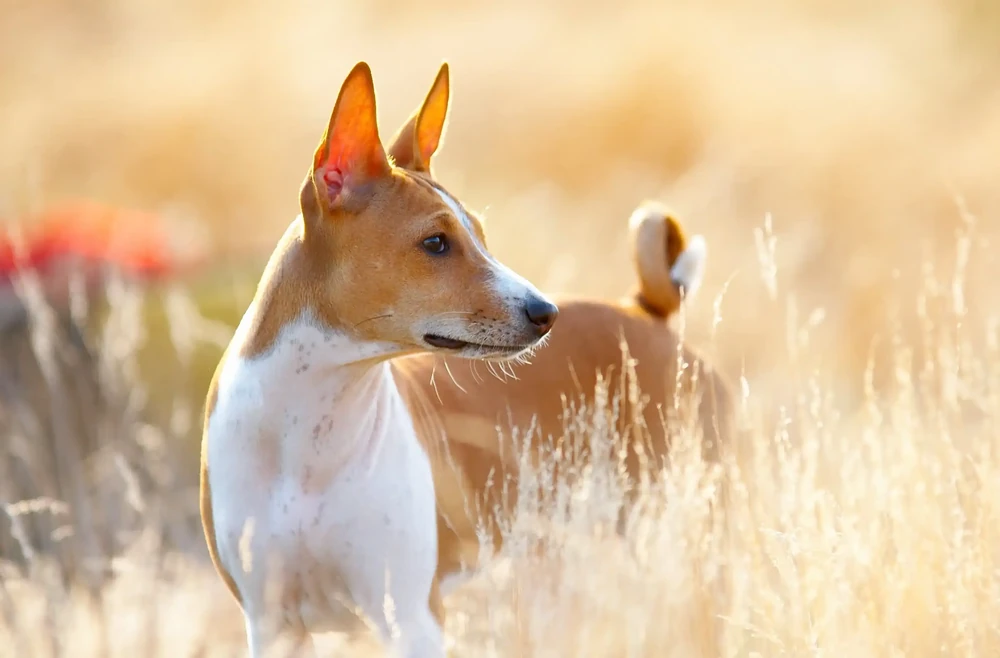
A Maltese in full coat is unmistakable: a small, compact dog with a straight, silky coat that hangs down and moves freely. Breed standards describe the coat as silky and not woolly, with a pure white colour, although slight lemon markings are sometimes noted as acceptable in some standards.1, 2
The coat is also where expectations can go sideways. Maltese are often described as “non-shedding” or “hypoallergenic”, and while many people do find them easier to live with than heavier-shedding breeds, no dog is truly non-allergenic. Allergies are usually triggered by proteins in dander and saliva, not just loose hair, so it is more accurate to think in terms of lower shedding and easier coat control, rather than a guarantee.
If allergies are a concern, it is worth spending real time around the breed before committing. Regular bathing and brushing can reduce the build-up of allergens in the coat, but it will not remove the underlying trigger for everyone.
Temperament in everyday life, and who they suit best

Most Maltese are people-oriented, quick to engage, and alert to what is going on around them. In a calm home, that often reads as gentle and affectionate. In a busy or unpredictable home, the same alertness can tip into reactivity, noise sensitivity, or persistent barking if the dog is unsure what is expected.
They often suit adults who enjoy having a dog nearby for much of the day, including seniors and home-based workers. They can also do well with families, but it helps if children are old enough to handle a small dog carefully. A Maltese is not made of glass, but a fall from a couch or a rough grab can still cause injury.
With other pets, many Maltese are sociable, but introductions matter. Small dogs can be easily overwhelmed by larger dogs who are friendly but physically clumsy. Think in terms of managed meetings and safe escape routes rather than hoping they will “sort it out”.
Training and exercise, small dog habits that become big problems
Training is usually straightforward when you keep it light, consistent, and rewarding. Maltese can be sensitive to harsh handling, so methods that rely on intimidation tend to backfire, even if the dog appears to “comply” in the moment. Short, frequent sessions and clear household rules work better than long drills.
Exercise needs are modest, but they are not zero. Many do well with a couple of short walks plus indoor play. The bigger need is often mental engagement: sniffing, gentle problem-solving, and learning small skills. A bored Maltese can develop noisy habits, shadowing, or fussiness around attention.
Two common pinch points to watch:
- Toilet training: small dogs have small bladders, and inconsistent routines can drag the process out. A predictable schedule and calm rewards help.
- Separation tolerance: because they were bred for companionship, some Maltese find alone time genuinely difficult. Practising short departures early, and building a routine around rest, can prevent a lot of distress later.
Health and lifespan, what to watch as they age

Maltese commonly live into their teens, and many enjoy a long, active life with sensible weight control, routine veterinary care, and good dental habits. Like other toy breeds, they can be prone to issues that are less dramatic than an emergency, but more persistent, and therefore easy to neglect.
Two concerns that come up often in the breed are:
- Dental disease, including tartar build-up and gum inflammation. Small mouths can mean crowded teeth, which can make plaque control harder.
- Luxating patella (kneecap instability), which can show up as intermittent skipping or a “bunny hop” gait. It can be mild, or it can progress and need veterinary management, including surgery in some cases.3
If your Maltese is slowing down, licking at a knee, or suddenly refusing walks, it is worth getting a proper assessment rather than assuming it is just fussiness. Small dogs are good at coping quietly.
Grooming that works in real homes, not just show coats

The coat is beautiful, but it does not look after itself. In a pet home, most people choose between a longer “teddy” style and a shorter clip that reduces daily workload. Either way, you are aiming to prevent knots close to the skin, especially behind the ears, under the collar area, in the armpits, and around the groin.
A workable routine is usually:
- Quick daily brush-through of friction areas
- More thorough brushing a few times a week
- Regular bathing with a dog-appropriate shampoo and conditioner
- Eye-area cleaning as needed, especially if tear staining is an issue
If grooming is a battleground, go slower. Many Maltese do best when handling is taught as a skill: brief, calm sessions that end before the dog has had enough. A groomer who is comfortable with toy breeds can also be a valuable ally.
Food, treats, and common household hazards
Maltese generally do well on a quality small-breed diet, but they can be prone to weight gain if treats creep up. Extra weight matters more than people expect in toy breeds because it increases load on joints and can worsen mobility issues over time.
It is also worth being clear on everyday foods that can seriously harm dogs. In Australian guidance, foods such as chocolate, grapes and raisins (including sultanas), and onions and garlic are listed as dangerous. Cooked bones are also a common cause of injuries and obstruction, because they can splinter.4, 5
If your Maltese gets into something questionable, do not wait for symptoms to “prove” it is serious. Call your vet promptly and tell them exactly what you think was eaten, and roughly how much.
Choosing a Maltese, and setting them up to thrive
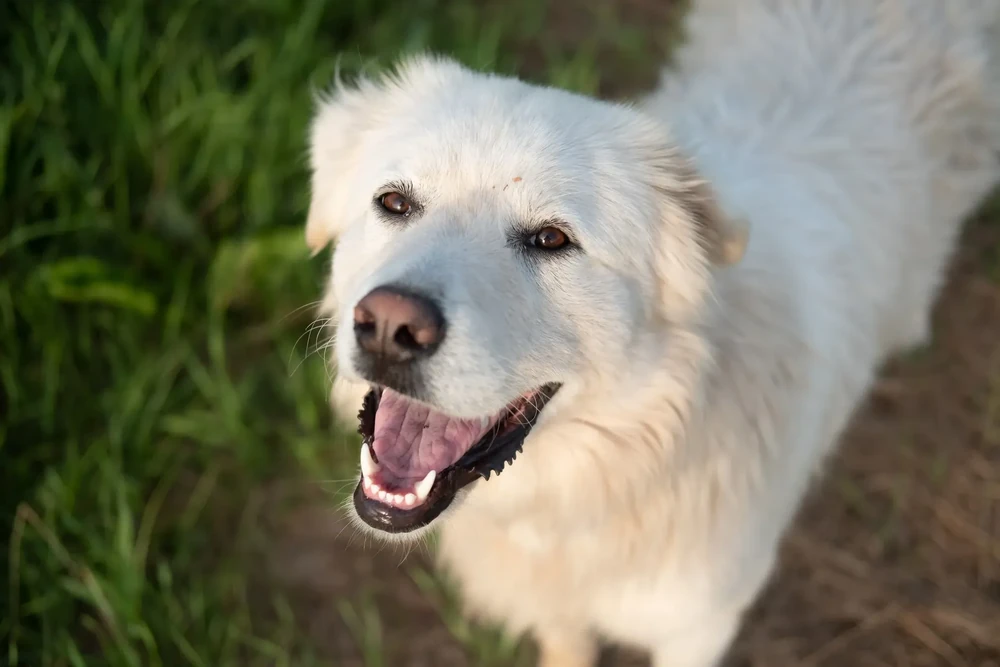
A well-bred Maltese is not just pretty. You are looking for a dog with a steady temperament, clear eyes, a comfortable gait, and a coat and skin that look healthy. If you are buying a puppy, it is reasonable to ask what health checks the breeder does, what they have seen in their lines (including knees and dental issues), and how the puppies are being socialised.
Whether your Maltese comes from a breeder or a rescue, the early weeks at home matter. A simple, consistent setup usually helps most:
- Predictable routine for meals, toileting, and rest
- Gentle exposure to household sounds and visitors
- Handling practice for paws, mouth, and brushing
- Short, positive training sessions that build confidence
The goal is not perfection. It is a dog who feels safe enough to learn, and a household that understands the particular scale and sensitivities that come with a tiny companion.
Final thoughts
The Maltese is often chosen for looks, but they are kept for the way they fit into daily life. They tend to be bright, responsive little dogs who do best when they are treated as dogs first, with boundaries, practice, and time outside, and not as an accessory that must always be immaculate.
If you can meet their grooming and dental needs, and you enjoy having a small companion who wants to be close, the Maltese can be a quietly excellent match.
References
- The Kennel Club: Maltese breed standard
- American Kennel Club: Maltese
- American Maltese Association: Luxated Patellas
- Agriculture Victoria: Human foods to avoid for cats and dogs
- RSPCA Australia: Household dangers to your pet
- RSPCA Pet Insurance: Safe diet for dogs, foods to avoid
- RSPCA Knowledgebase: How should I look after my dog’s teeth?
- WSAVA: Global Nutrition Toolkit
- VCA Veterinary Partner: Luxating Patella in Dogs