

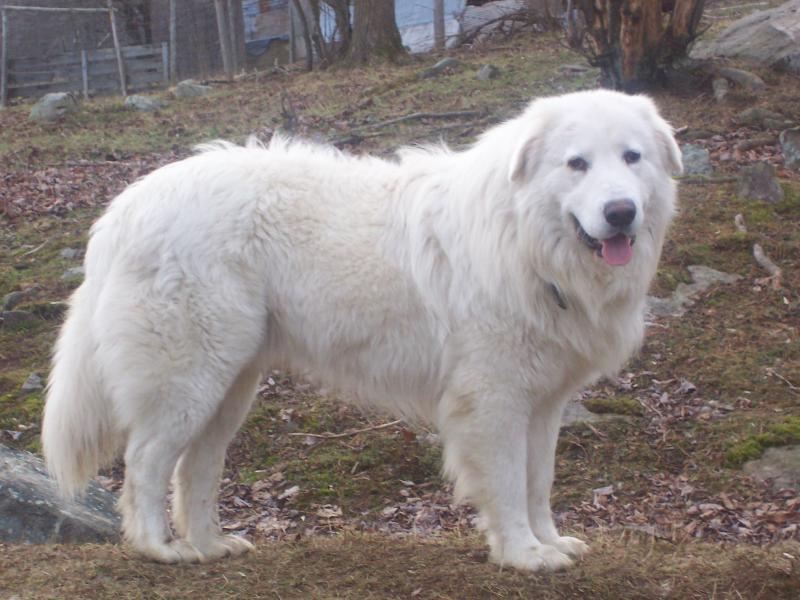
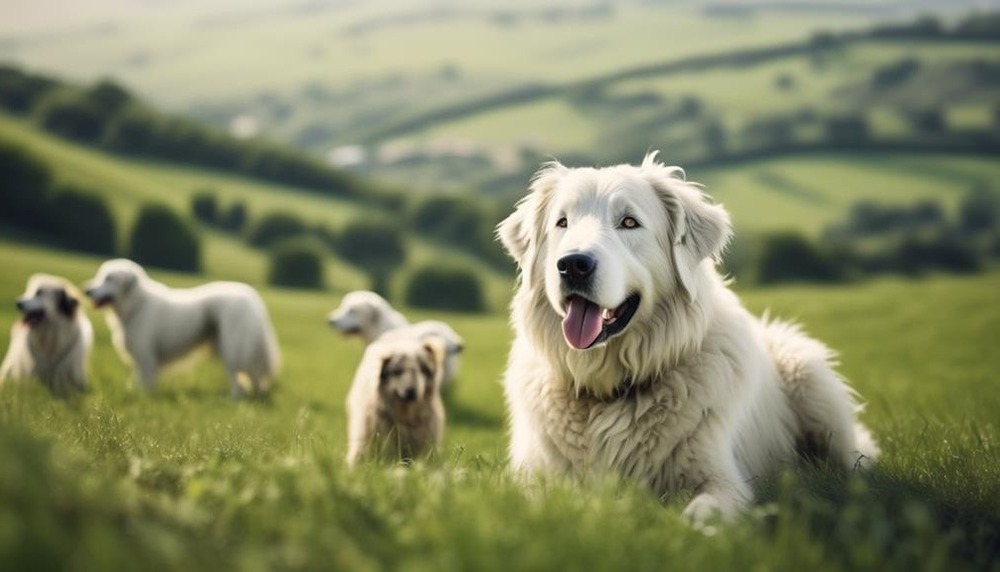
People often meet a Maremma Sheepdog in a very ordinary way. A neighbour has one “for security”, a farm stays advertises guardian dogs, or you spot a big white dog sitting quietly at a fence line, watching everything without seeming fussed. They look soft and plush from a distance, so it is easy to assume they are just a larger, fluffier version of an easy-going family breed.
Living with a Maremma is usually less about teaching tricks, and more about understanding a dog bred to make decisions in open country. Their calm presence can be reassuring, but the same instincts that make them steady around livestock can also show up as night barking, boundary patrols, and a strong opinion about strangers turning up unannounced.
When this breed works well in a home, it is rarely by accident. It comes from matching the dog’s needs with the right environment, then building trust through routine, thoughtful training, and enough space to do what a guardian dog does best: observe, assess, and respond.
At a glance: the Maremma Sheepdog
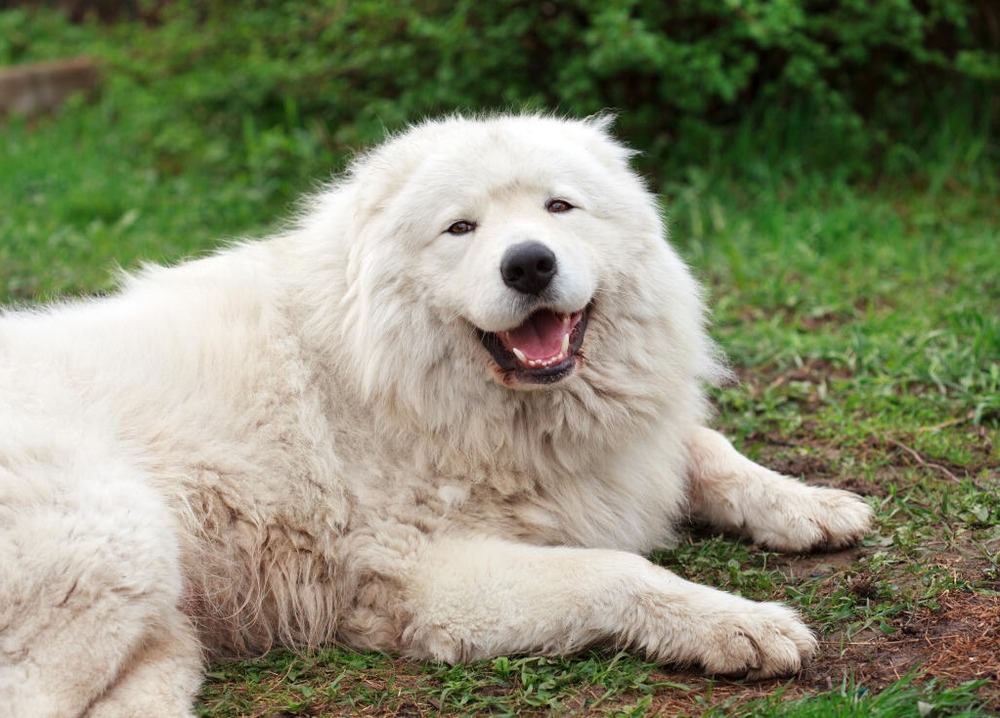
Breed type: Livestock guardian, working dog.1
- Origin: Italy, historically associated with the Maremma and Abruzzo regions.1
- Size (typical): Males 65 to 73 cm, females 60 to 68 cm at the withers; males 35 to 45 kg, females 30 to 40 kg.2
- Coat: Thick double coat, usually solid white, with small variations tolerated in breed standards.2
- Life expectancy: Commonly around 11 to 13 years (varies with genetics, health, and management).8
It helps to keep one idea in mind: a Maremma is often at its best when it has a job, even if that “job” is simply steady boundary management, supervised companionship with animals, or structured routines that make sense to a guardian dog.
History and purpose: a dog shaped by open country
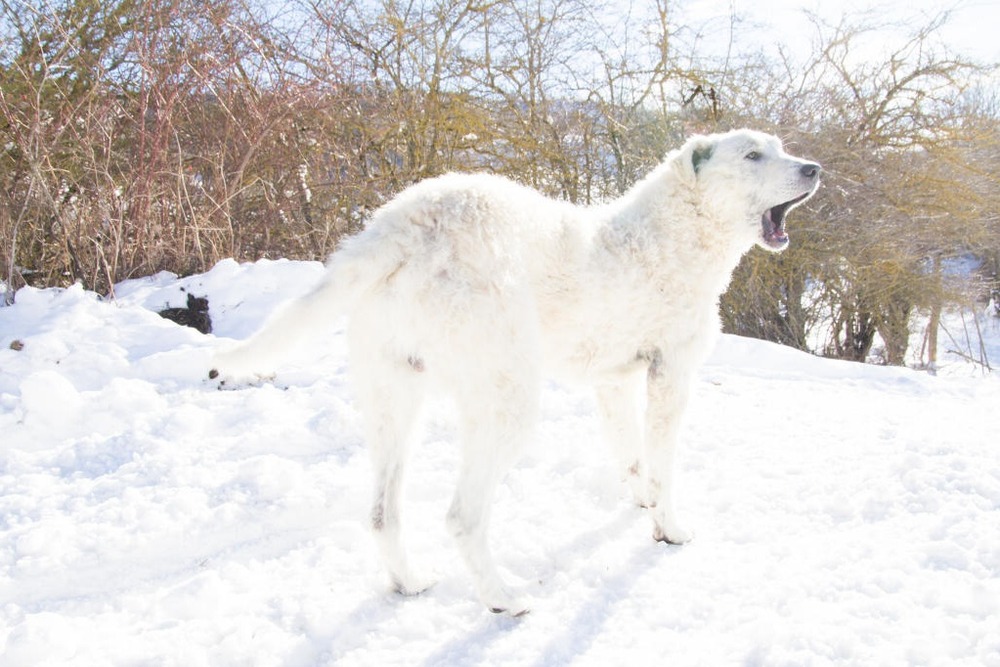
The Maremma Sheepdog is best understood through its original purpose. The breed developed as a flock guardian in Italy, expected to stay with livestock and respond to threats with minimal direction from people.1
That heritage still matters in suburban life. A guardian breed is selected for independent problem-solving, persistence, and a steady presence. The modern “pet home” asks for different skills, so good outcomes usually rely on management that respects instinct rather than trying to train it away.
In formal breed history, the Maremma and the Abruzzes Shepherd Dog are recognised under FCI Standard No. 201, with definitive recognition dating to 1956.1
What they look like, and why it is practical
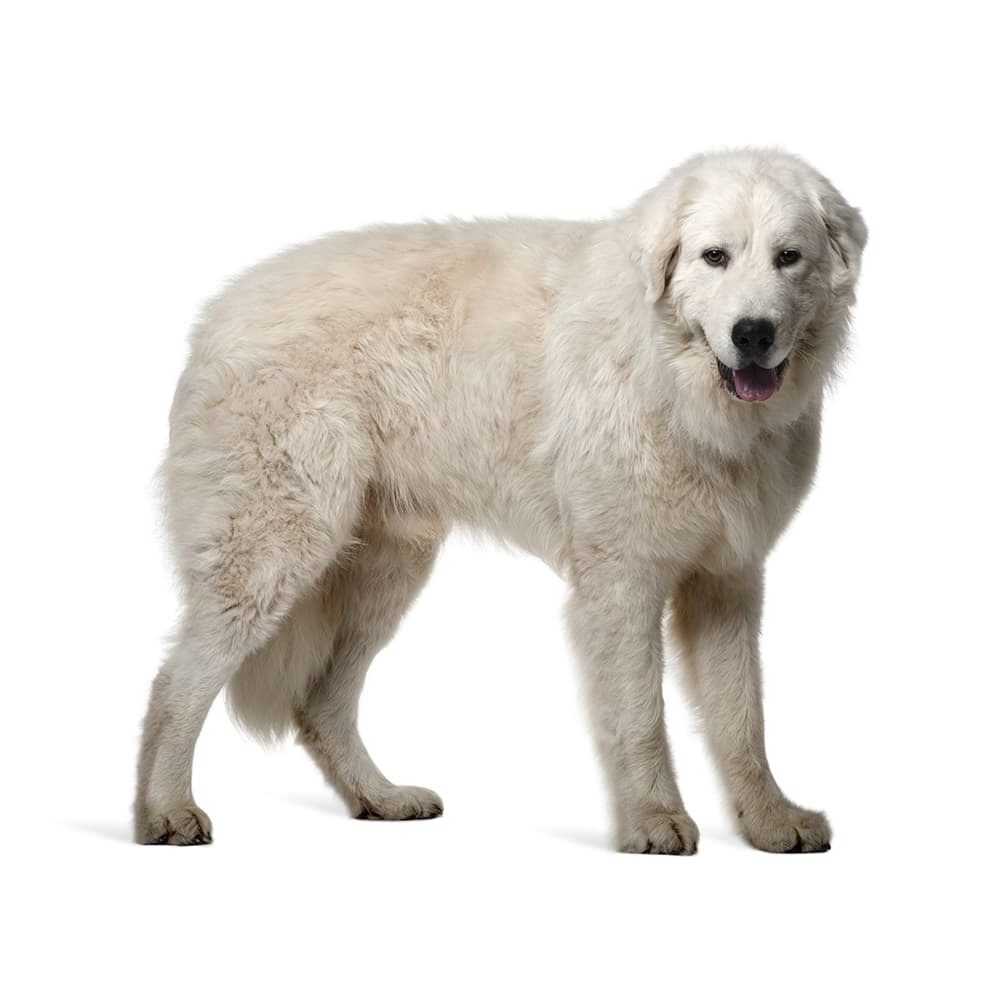
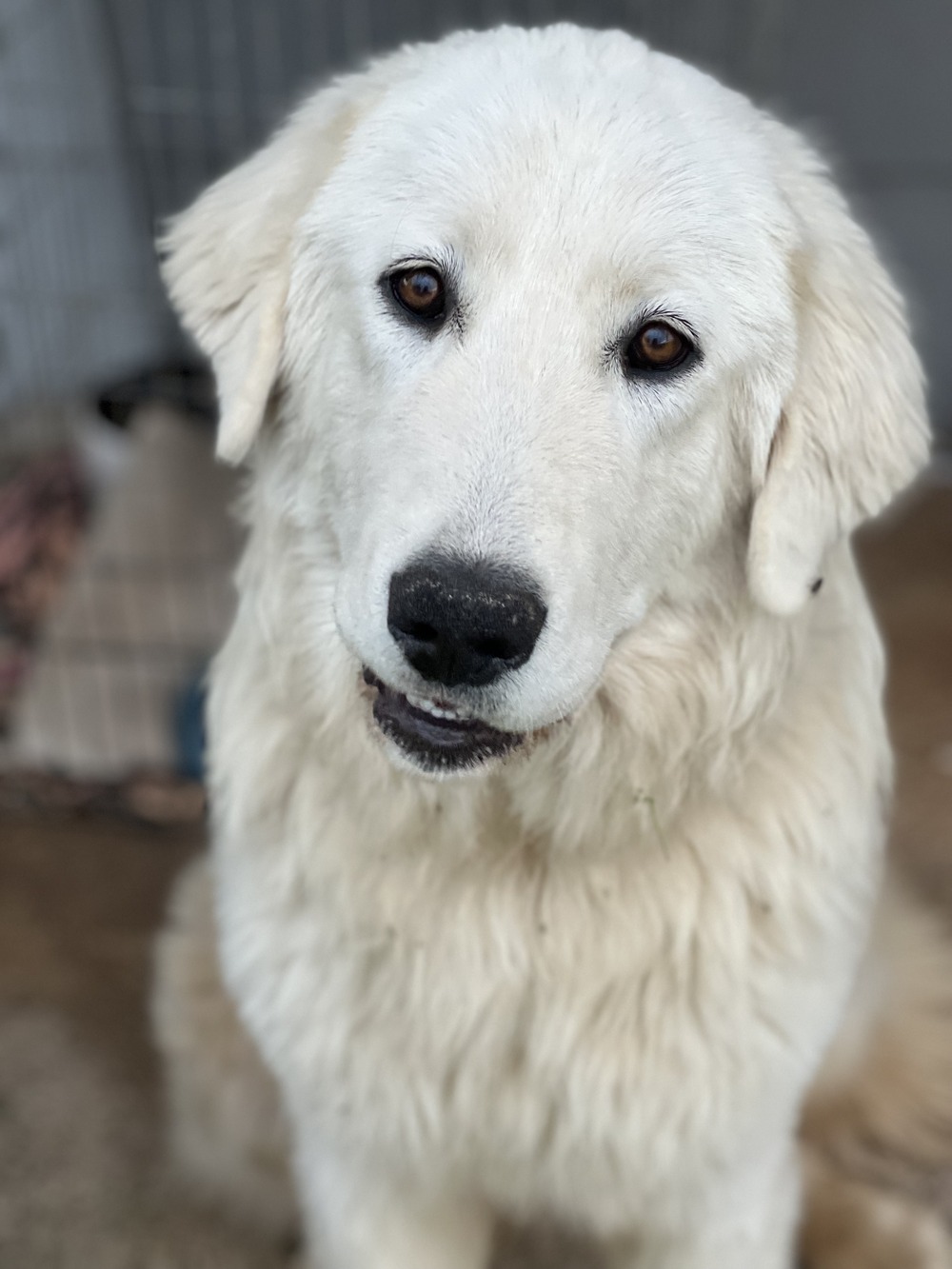
Most people notice the coat first. The traditional white colouring is not just aesthetic. In working settings it can help the dog blend with stock, and the dense coat supports outdoor living across seasons.2
Breed standards describe a large, strongly built dog with a rustic, functional outline rather than an exaggerated one. Sizes commonly cited in Australian breed standard material sit around 65 to 73 cm for males and 60 to 68 cm for females, with weights commonly listed as 35 to 45 kg for males and 30 to 40 kg for females.2
Their ears are typically V-shaped and hanging, and the tail is long and carried naturally. These details may sound minor, but they fit the broader theme of the breed: built to move efficiently over ground, cope with weather, and stay alert for long periods.
Temperament and behaviour in a home setting

Maremmas are often described as loyal and protective, and those labels can be true, but they can also be misleading if you picture a dog that automatically welcomes visitors once introduced. Many Maremmas will observe first, keep distance if unsure, and take their time deciding what is “normal”. That is not stubbornness so much as guardian decision-making.
In practice, owners commonly notice three patterns:
- Territory awareness: they track movement at boundaries and may patrol, especially at dawn and dusk.
- Selective social warmth: they often bond strongly with their household, but remain reserved with new people.
- Vocal communication: barking can be part of how they manage perceived risk, particularly at night.
With children, many do well when raised with them, but supervision still matters. A large dog that responds to fast movement, squeals, or visiting friends needs calm handling and clear household rules. With other pets, early, careful introductions are important, particularly for small animals that might trigger chase behaviour in any dog.
Training: what works, and what tends to backfire
Training a Maremma is usually about building cooperation rather than perfect obedience. Reward-based training is widely recommended in modern welfare guidance, and it suits guardian breeds that can shut down or push back under harsh handling.3
Early social experiences are particularly important. RSPCA guidance notes a critical socialisation period for puppies (often described as roughly 3 to 17 weeks, with some variation depending on the source). During this time, positive exposures help shape how a dog copes with the world as an adult.4
For Maremmas, it is worth prioritising training that makes daily life smoother:
- Boundary skills: fence manners, calm greetings at gates, and stationing on a mat.
- Handling tolerance: brushing, nail trims, vet checks, and being gently moved off doorways.
- Settle cues: learning to switch off indoors, especially in the evening.
If you are choosing a trainer, look for someone comfortable with livestock guardian breeds, and who can talk as confidently about management and environment as they do about cues and treats.
Exercise and enrichment: more than just kilometres
Maremmas are capable of sustained activity, but they are not always “go, go, go” in the way some herding or sporting breeds are. Many are content with steady movement and long periods of watchful rest, as long as their day includes purpose.
Daily exercise still matters for fitness, joint health, and behaviour. It also matters for weight management. RSPCA guidance on canine obesity highlights how easily weight can creep up when intake exceeds needs, and how exercise forms part of keeping dogs in healthy condition.5
Good options tend to be simple and consistent:
- Long, sniffy walks on lead in low-traffic areas
- Supervised time in a secure yard where they can move and observe
- Food puzzles and scatter feeding to slow eating and provide mental work
A frequent mismatch is expecting an off-lead dog-park social life. Some Maremmas enjoy it, others find it stressful or take on a policing role. It is fine to be selective and choose calmer routines that suit the dog in front of you.
Health considerations and sensible screening

Maremmas are generally robust, but like many large breeds they can be prone to joint issues, including hip dysplasia. Hip dysplasia is influenced by both genetics and environment, and it can range from mild changes to severe arthritis and pain.6
Because of that, it is reasonable to ask breeders about health testing and what they do to reduce risk. When you bring a puppy home, your own choices also matter. Rapid weight gain, overfeeding, and inappropriate high-impact exercise can put extra strain on developing joints.
Eye conditions are another area to take seriously. Cataracts, for example, can have different causes in dogs (including genetic factors and diseases such as diabetes). If you notice cloudiness, squinting, or changes in confidence, it is worth having eyes checked early rather than waiting for it to “settle”.7
Grooming: the coat is manageable with routine

The Maremma coat tends to look high-maintenance, but most of the work is about consistency. A thorough brush once or twice a week is often enough for many dogs, with extra sessions during heavier seasonal shedding.
The focus is not perfection. It is skin health and comfort. Regular brushing lets you spot burrs, matting behind the ears, irritation, and parasites. It also reduces the amount of coat that ends up compacted in the underlayer, which can trap moisture and dirt.
Bathing is usually occasional. A healthy coat often sheds dirt when dry, but if you do wash, rinse well and dry properly, especially in cooler weather.
Diet and nutrition: keep it simple, and check body condition
Nutrition advice can get noisy fast, especially for large breeds. A practical way through is to look for a diet that is complete and balanced for your dog’s life stage, and to review it with your vet when your dog’s activity or health changes.
The World Small Animal Veterinary Association provides global nutrition guidelines and tools that support veterinary teams to tailor feeding plans and monitor body condition over time.8
Two habits make a noticeable difference:
- Measure meals for a few weeks, even if you later return to eyeballing portions.
- Use body condition, not just weight, to decide if adjustments are needed.
If you are switching foods, do it gradually. Sudden changes can trigger digestive upset in many dogs, regardless of breed.
A well-known Australian example: guardian dogs and penguins
One reason Maremmas are so widely recognised in Australia is their role in a conservation story. In Warrnambool, Maremma guardian dogs have been used as part of the Middle Island Project to help protect Little Penguins from fox predation, and the project has become a well-known example of the breed’s steady guarding style applied outside farming.9
It is a useful reminder of what these dogs are good at: being present, consistent, and hard to ignore. In a household, that same “presence” needs direction so it does not turn into constant alerting at neighbours, visitors, and every late-night sound.
Is a Maremma right for you?
Some breeds slot neatly into almost any lifestyle. The Maremma usually does not. They can be wonderful dogs for the right people, but they are rarely an easy, casual choice.
A Maremma often suits you if you can offer space, secure fencing, and steady routines, and you are comfortable living with a dog that does not automatically defer to every request. They also suit households that value calm companionship over constant sociability.
If you live in a high-density area, work long hours away from home, or need a dog that greets everyone like a long-lost friend, it may be kinder to choose a breed with a different temperament profile.
Whatever you decide, it is worth spending time with adult Maremmas, not just puppies, and talking with experienced breed people about what day-to-day life actually looks like.
References
- Federation Cynologique Internationale (FCI): Abruzzes and Maremma Shepherd Dog (Standard No. 201)
- Dogs Queensland: Maremma Sheepdog breed standard (Australia)
- RSPCA Australia: Socialising your puppy
- RSPCA Knowledgebase: Is socialising my puppy important?
- RSPCA Australia: 4 ways to avoid obesity in your dog
- Orthopedic Foundation for Animals (OFA): Hip Dysplasia
- American Kennel Club: Cataracts in dogs, what to know
- World Small Animal Veterinary Association (WSAVA): Global Nutrition Guidelines
- Warrnambool: Middle Island Penguin Project Experience (Maremma dogs and Little Penguins)