

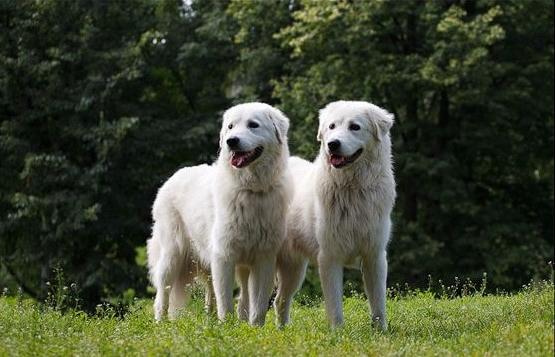
You might meet a Maremmano-Abruzzese Sheepdog for the first time as a big white dog standing quietly at a gate, watching without fuss. Or you might notice something closer to home: a dog who seems calm until a stranger appears, then positions itself between the family and the unknown, as if that is simply what sensible dogs do.
It is easy to assume that all large, fluffy dogs want the same things, a daily walk, a bit of company, a comfy spot indoors. With a livestock guardian breed, the picture is slightly different. Much of what people read as stubbornness or aloofness is often a working style shaped by centuries of independent decision-making. If you understand that, their behaviour starts to make far more sense.
The Maremmano-Abruzzese is still, at heart, a guardian. That matters in practical ways: how you raise them, where they cope best, what “training” looks like, and why their quiet presence can be both reassuring and, sometimes, challenging.
- Breed category: Livestock guardian (working dog)
- Country of origin: Italy
- Typical height: Males about 65 to 73 cm, females about 60 to 68 cm (breed standards vary slightly)
- Typical weight: Large, commonly around 35 to 52 kg depending on sex and build
- Average lifespan: About 11 to 13 years
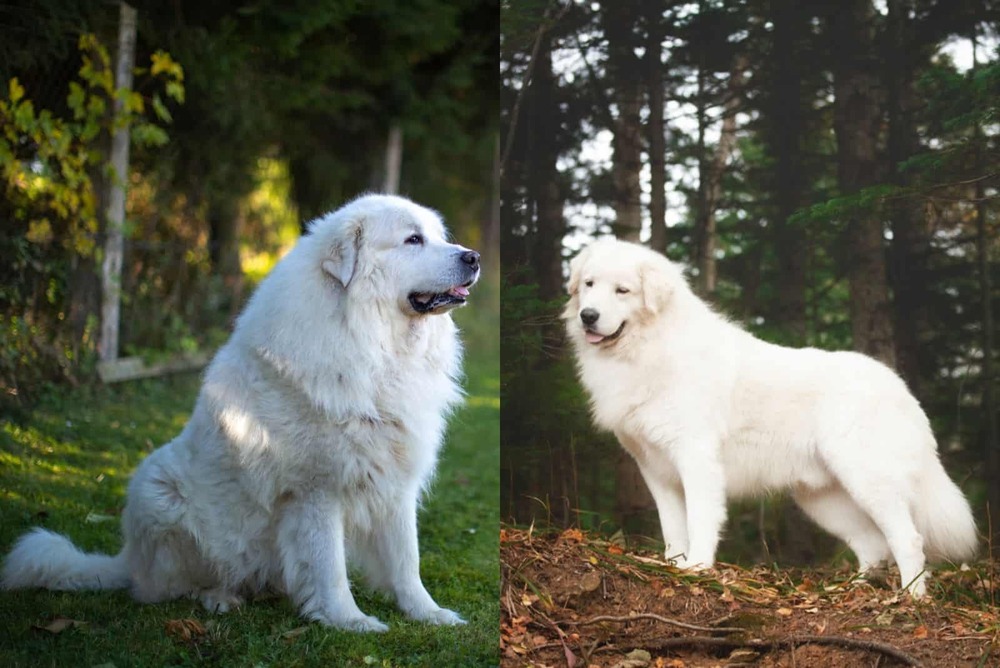
- Coat: Thick, dense double coat, usually white
- Shedding: Moderate to high, heavier seasonally
- Exercise needs: Steady daily movement and space to patrol, rather than intense high-speed workouts
- Temperament: Loyal, protective, independent
- Best suited to: Rural or semi-rural homes, or properties where their guarding nature has an appropriate outlet
Where the Maremmano-Abruzzese comes from
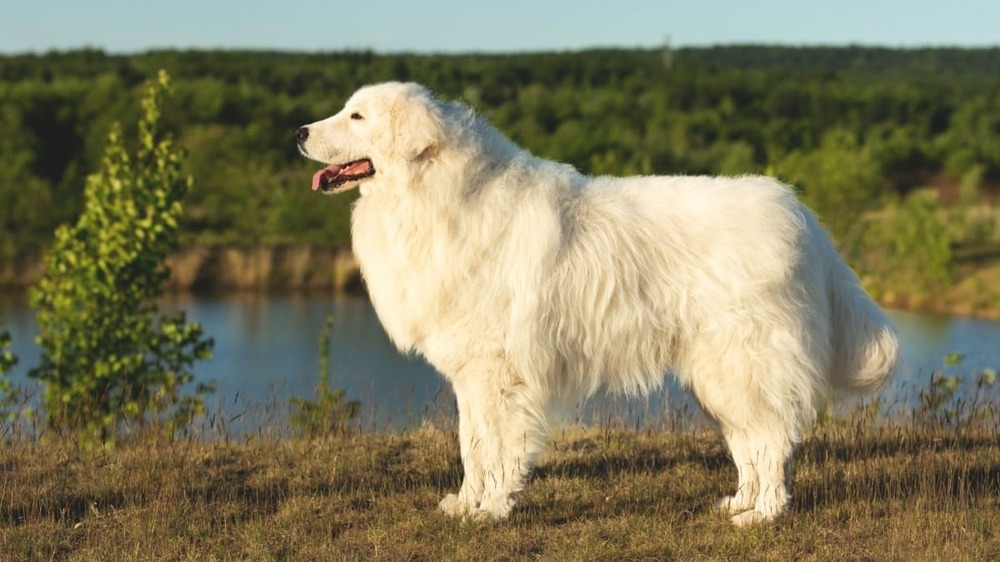
The Cane da Pastore Maremmano-Abruzzese developed in central Italy, closely associated with the Maremma and Abruzzo regions. The work was straightforward and demanding: live with the flock, stay alert, and respond to predators. The dog’s value was never just obedience. It was judgement, stamina, and the ability to hold ground when needed.1
Modern breed standards still reflect that purpose. The dog is described as strongly built and capable of working in harsh conditions, with a protective disposition that is meant to be steady rather than frantic.1, 2
It also helps to know there is some naming overlap in everyday use. In some countries, people use “Maremma Sheepdog” for closely related lines, while “Maremmano-Abruzzese” often points to the Italian-recognised breed name and standard. If you are talking to breeders, rescue groups, or breed clubs, asking which standard they follow can clarify what type of dog you are actually meeting.2
Temperament, guarding behaviour, and what it looks like at home
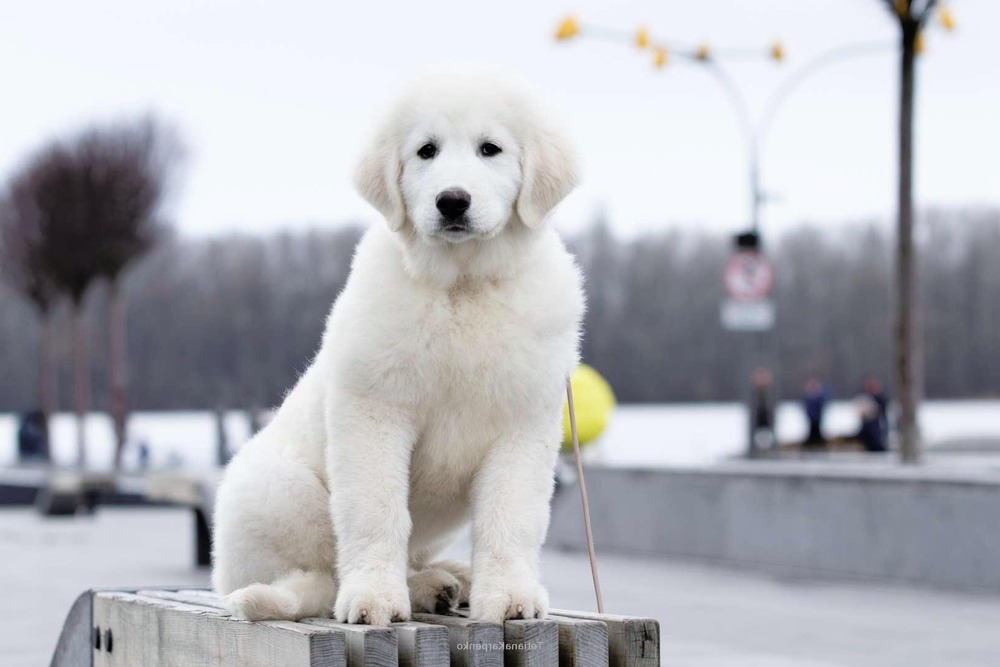
People often describe the Maremmano-Abruzzese as calm, loyal, and independent, which is true, but incomplete. The more useful way to think about them is this: they are bred to notice changes and to take responsibility for responding. That can mean patrolling fences, sitting where they can see a driveway, or placing themselves between children and visitors without being asked.
In the right setting, those traits are a gift. In the wrong setting, they can become friction. A dog who believes it is in charge of “who belongs” may not automatically welcome your mate dropping by, a tradie coming through the side gate, or a neighbour’s dog leaning over the fence.
If you want a guardian breed as a family companion, it helps to plan for the reality of a dog who is likely to be:
- Discerning with strangers, especially on their home territory
- More comfortable with predictable routines than constant novelty
- Inclined to make its own calls, even when it knows the cue
This does not mean they cannot be affectionate or gentle with their people. It means the bond often looks like steady proximity and watchfulness, rather than eager friendliness with everyone you meet.
Children, visitors, and other pets
Many Maremmano-Abruzzese dogs live well with children, particularly when raised with them, but supervision still matters. Their size alone can bowl over a small child, and their guarding reflex can lead to “body blocking” or stepping in when play gets noisy.
With other pets, early socialisation helps, but it is not a magic switch. A livestock guardian is bred to be selective about what is “normal” in its environment. If you bring in new animals later, or if neighbouring pets regularly appear at the fence line, you may need a thoughtful management plan, not just hope.
For many households, the most practical approach is to combine structured introductions with clear physical boundaries, baby gates, secure fencing, and routines that reduce surprise encounters.
Training that suits a livestock guardian
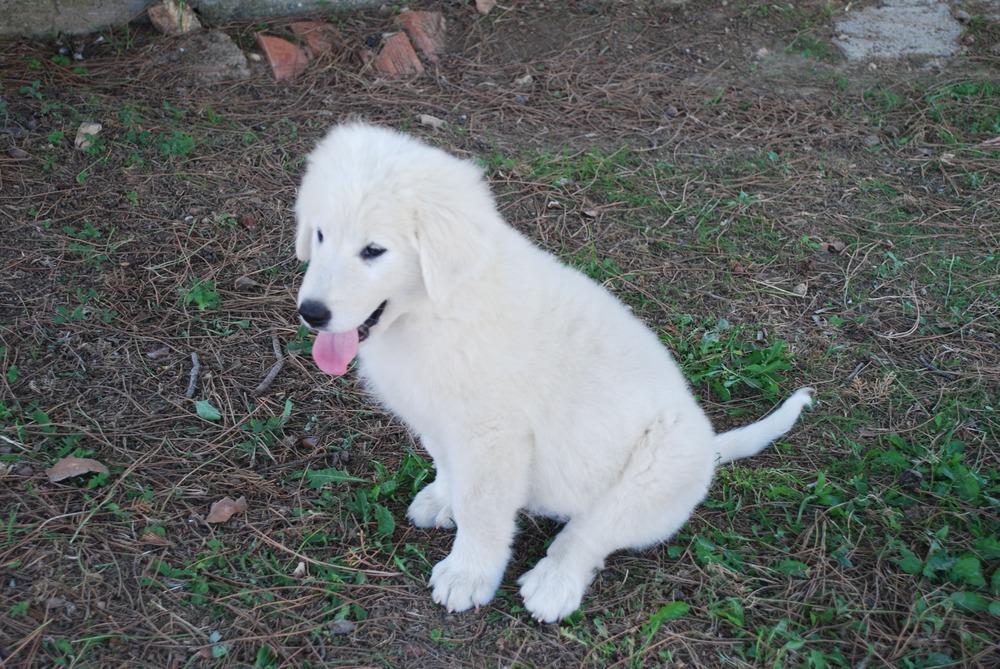
Training a Maremmano-Abruzzese is less about drilling commands and more about building a workable agreement. These dogs can learn quickly, but they are not famous for performing on cue just to please you. What tends to work best is calm consistency, rewards that matter to the dog, and an environment where the right choice is easy.
Early socialisation is especially important, not to make them indiscriminately friendly, but to help them stay composed around everyday life: delivery drivers, kids on scooters, stock noises, loud machinery, and the general unpredictability of humans.
It also helps to train the practical “life skills” early, before adolescence arrives with extra confidence:
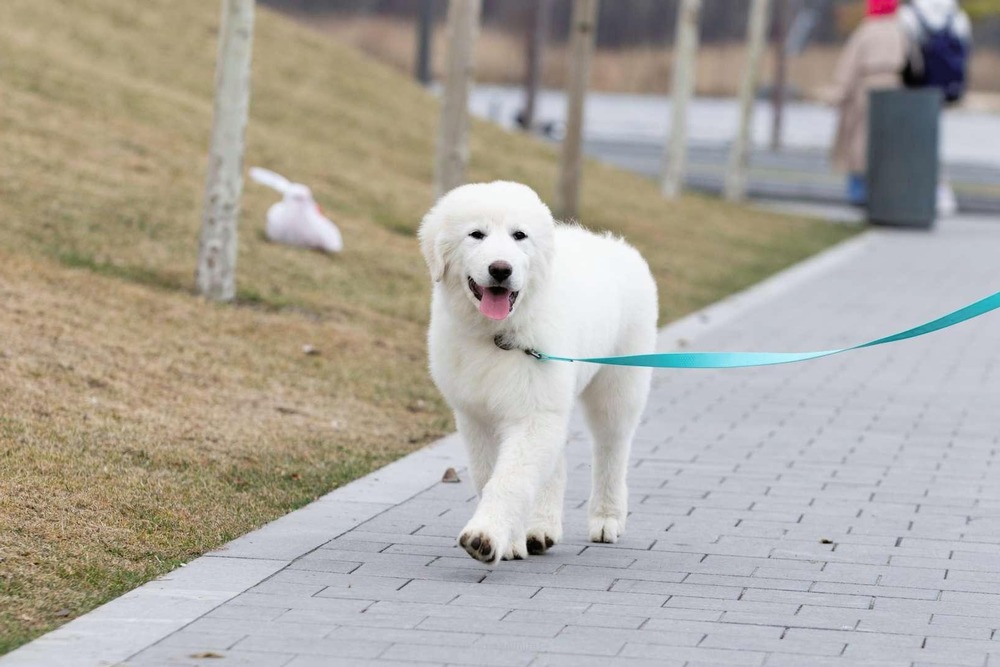
- Loose lead walking and polite gate manners
- Comfort with handling, brushing, and vet checks
- Reliable recall in fenced areas (off-lead reliability can be limited in guardian breeds)
- A settled “place” cue for visitors and busy household moments
Exercise, space, and enrichment
These dogs need daily movement, but the goal is not to exhaust them with high-intensity games. Many do best with long, steady walks, opportunities to sniff, and time in a secure yard where they can observe and patrol. Their brain is often most satisfied by having a job, even if that “job” is calmly monitoring a property.
Apartment life is usually hard for them, not because they cannot settle indoors, but because they are more likely to become distressed or over-vigilant when they cannot create distance from hallway noise, strangers, lifts, and constant close contact. If your home has close neighbours, their alert barking can become an issue quickly.
Health considerations in a large working breed
Like many large breeds, the Maremmano-Abruzzese can be affected by orthopaedic issues such as hip dysplasia. It is widely understood as a multifactorial condition, influenced by genetics and environment, and keeping dogs lean and well-conditioned can reduce the severity of signs even when predisposition exists.5
If you are choosing a puppy, it is reasonable to ask breeders about hip screening. Organisations such as the Orthopedic Foundation for Animals (OFA) exist specifically to support health testing and data around inherited conditions, including hip dysplasia.6
Any mention of “eye problems” in the breed should be treated as a prompt to ask better questions rather than a prediction. What matters is whether a breeder can show relevant health testing and discuss the lines openly.
Coat care, shedding, and hot weather comfort

The coat is designed for outdoor life, a dense undercoat with a harsher outer layer. Expect regular shedding, and heavier seasonal “coat blows”. Brushing a few times a week is often enough for maintenance, with more frequent sessions during peak shedding to prevent mats and to keep skin healthy.
Heat is a more practical concern than cold for many Australian households. Thick-coated dogs can be vulnerable in hot weather, especially if exercise is pushed at the wrong time of day. Signs of heat stress can include heavy panting, drooling, agitation, weakness, vomiting, and collapse, and suspected heatstroke needs urgent veterinary help.3, 4
On hot days, the kindest plan is often simple: shade, ventilation, plenty of water, and walks in the early morning or evening. If your dog insists on patrolling outside, consider how you will encourage rest indoors when temperatures climb.
Feeding and keeping a sensible body condition
Most Maremmano-Abruzzese dogs do well on a quality, complete diet suited to large breeds, with portions adjusted to the individual dog rather than the feeding guide on the bag. The goal is not a particular number of cups, but steady body condition over time.
If you feel overwhelmed by food marketing, WSAVA’s nutrition resources are a useful, grounded place to start. They emphasise choosing diets based on sound formulation and reliable information, rather than being swayed by ingredient-list storytelling alone.7
It is also worth being conservative with extras. Large dogs carrying extra weight can place more load through joints, and for breeds already at risk of hip issues, keeping them lean is one of the most practical choices you can make day to day.5
Choosing the right home for this breed
The Maremmano-Abruzzese tends to thrive when their instincts make sense in context. Space helps, but so does clarity: secure fencing, predictable routines, and an owner who does not expect a guardian to behave like a social butterfly.
Before you commit, it is worth asking yourself a few plain questions:
- Can I manage visitors, deliveries, and tradies in a way that keeps everyone safe?
- Do I have secure fencing that matches a large, confident dog?
- Am I comfortable with a dog that may not love dog parks or busy cafes?
- Do I have time for early socialisation and ongoing training, not just puppy school?
And if you are in Australia, remember the basics of responsible ownership vary by state and council. Microchipping and registration requirements, for example, are set out by state legislation and local government rules, so it is sensible to check what applies where you live.8
Final thoughts
The Maremmano-Abruzzese Sheepdog is not “difficult” so much as purpose-built. If you give them space, structure, and respectful handling, you often get a dog of striking steadiness, a presence that can feel quietly reassuring.
They are also a reminder that not every breed has been shaped to seek constant direction. For the right home, that independence can be part of the appeal. For the wrong home, it can become a daily negotiation. Knowing which situation you are in is, in many ways, the real starting point.
References
- Fédération Cynologique Internationale (FCI): Cane da Pastore Maremmano-Abruzzese (Breed No. 201)
- Wikipedia: Maremmano-Abruzzese Sheepdog (overview and standard links)
- RSPCA Australia: Warm weather worries, protect pets from heatstroke
- RSPCA Pet Insurance: Heatstroke (hyperthermia) guide for cats and dogs
- UC Davis School of Veterinary Medicine: Canine hip dysplasia
- Orthopedic Foundation for Animals (OFA): About
- WSAVA: Global Nutrition Guidelines
- Agriculture Victoria: Microchipping of dogs and cats (Domestic Animals Act)