

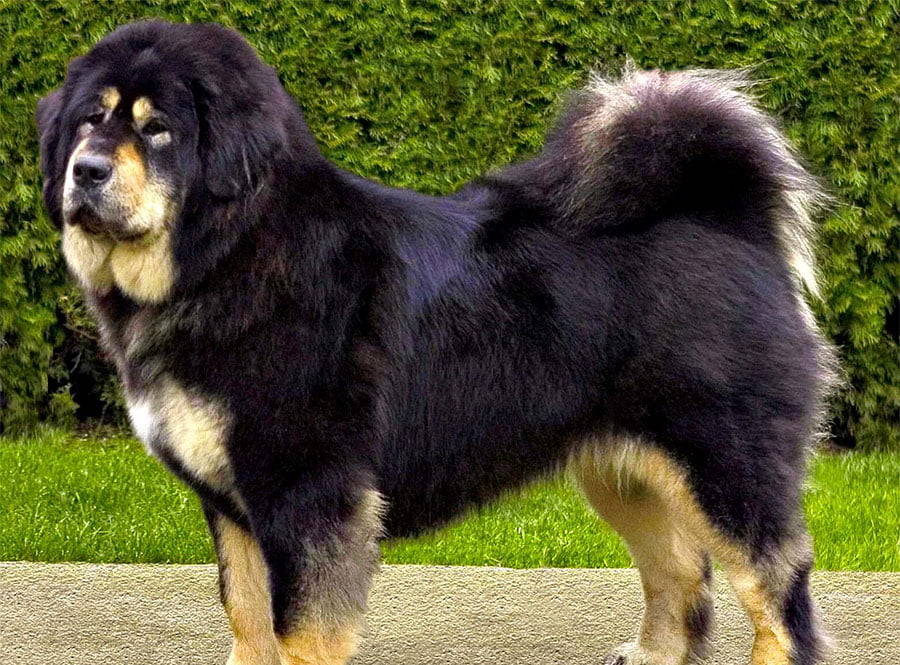
- Breed category: Working (grouping varies by kennel club)
- Country of origin: England
- Typical height: Males from about 76 cm at the shoulder, females from about 70 cm (minimums in some standards)1, 2
- Typical weight: Often around 54 to 100 kg, with wide variation by sex, build, and conditioning1
- Average lifespan: Commonly cited around 6 to 10 years1
- Coat: Short and dense
- Colours: Fawn, apricot, brindle (often with a dark mask)
- Energy level: Low to moderate
- Drooling: Often high
- Best suited for: People who enjoy a calm dog and can safely handle a very large body
People usually start looking into Mastiffs after a moment that sticks with them, a huge dog quietly leaning on a gate, a deep, slow bark from a neighbour’s yard, or a friend’s “gentle giant” who takes up half the lounge without making a fuss. The size is obvious. What is less obvious is how much daily life with a Mastiff is shaped by practicalities like handling, heat, joints, and how visitors move through the home.
It is easy to assume a dog this big must be “naturally” protective or “naturally” easy-going, as if temperament is fixed by looks. In real homes, it is more nuanced. Mastiffs are often calm and affectionate with their people, yet their guarding capacity and their sheer physical presence mean the human side of the partnership matters a lot, especially socialisation, management, and the way the household sets boundaries.2
If you are considering one, or you are already living with a growing youngster who is suddenly heavier than expected, it helps to understand what the breed was developed for, what that can look like today, and where the real pressure points are for health and care.
History and origin of the Mastiff
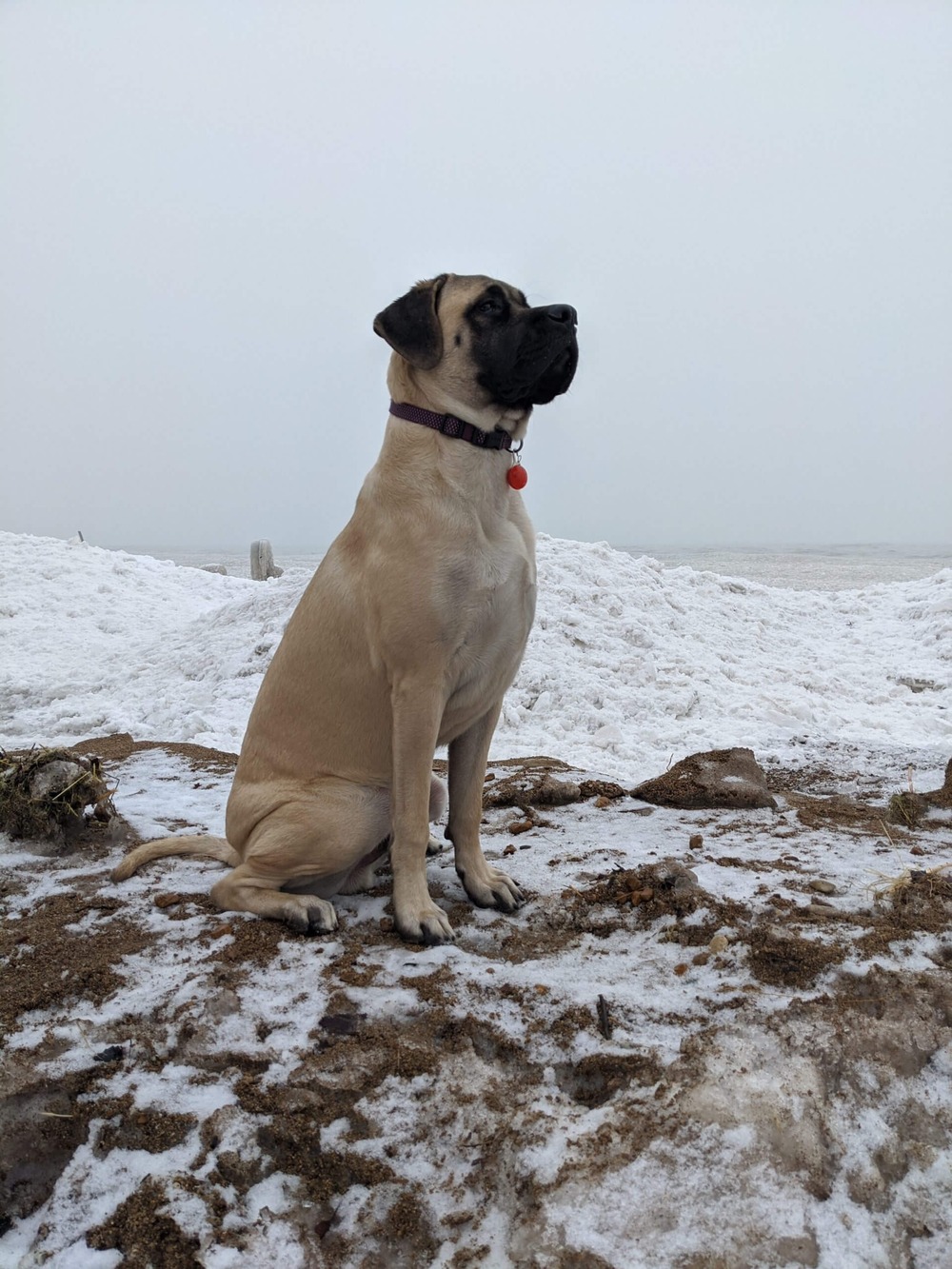
“Mastiff” is an old, broad label that has been used for large guardian-type dogs for centuries. The modern English Mastiff, as recognised in breed standards, is associated with Britain and with roles that favoured an imposing, steady dog: guarding property, standing watch, and acting as a visible deterrent more than a high-drive working dog.2, 3
That history still echoes in the breed’s look and manner. Breed standards emphasise size with soundness, plus a calm temperament that can still “switch on” when needed. In everyday terms, many Mastiffs are relatively undemanding in pace, but they do notice changes around the home, and they tend to take unfamiliar people seriously until they have enough information to relax.2
Why this background still matters
Knowing the backdrop helps set realistic expectations. A Mastiff is not typically a busy, constantly interactive dog, and many do not thrive on endless novelty. They often do best with predictable routines, clear handling, and gradual introductions, rather than being pushed into every social situation on the assumption they will “just cope”.
Physical characteristics: what you actually live with

Most people know Mastiffs are big. The more useful question is what that means in a hallway, on a lead, or at the vet. An adult dog may stand around 70 to 76 cm (or more) at the shoulder, with many males commonly in the 70 kg-plus range, and some individuals heavier again.1, 2
The coat is short and dense, typically in fawn, apricot, or brindle. Grooming is usually straightforward, but “easy coat” does not equal “low maintenance dog”. With giant breeds, maintenance often shows up elsewhere: nails, skin folds for some individuals, drool management, and the logistics of transport and safe restraint.
Drool, heat, and floors
Many Mastiffs drool a lot, especially around food, after a drink, or in warm weather. It is not a character flaw, it is anatomy. If you prefer a spotless home, it is worth being honest about whether you can live with towels near water bowls and a bit of housekeeping as a normal rhythm.
Heat sensitivity is also common in large, heavy-coated or dark-muzzled dogs. In an Australian summer, the practical approach is walk early or late, keep water available, and treat “they seem fine” with caution, because heat stress can build quickly in big bodies.
Temperament and behaviour in real homes
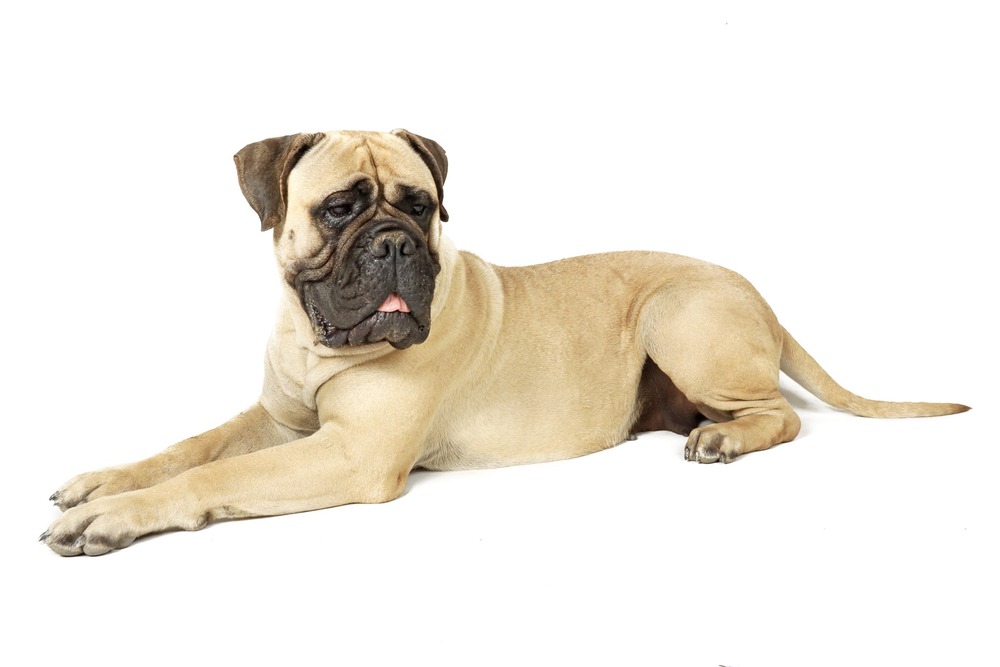
Mastiffs are often described as calm, affectionate with their people, and capable of guarding. Breed standards commonly mention a steady, confident dog that is typically indifferent with strangers rather than frantically social.2
That can be a lovely trait, as long as the household understands it. A Mastiff who hangs back to observe is not necessarily “stubborn” or “dominant”. Often they are simply slow to decide, and once they decide, they tend to stick with the plan.
Family life, visitors, and children
Mastiffs can be very good family dogs, but size changes the margin for error. Even a friendly lean can topple a small child, and a startled dog can knock someone over without meaning harm. With kids, the safest approach is consistent: active adult supervision, teaching children to give the dog space when eating and sleeping, and helping kids notice early signs of discomfort rather than waiting for a growl.4, 5
With visitors, it helps to plan calm, structured greetings. Many Mastiffs settle better when they are not crowded at the door, and when they have a clear “job” such as going to a mat, then being greeted once everyone is settled.
Other animals
Many Mastiffs live peacefully with other pets, especially when raised with them. Still, assume nothing. Early introductions, thoughtful management around food, and giving each animal an exit option can prevent misunderstandings from becoming patterns.
Training and exercise: less about distance, more about manners
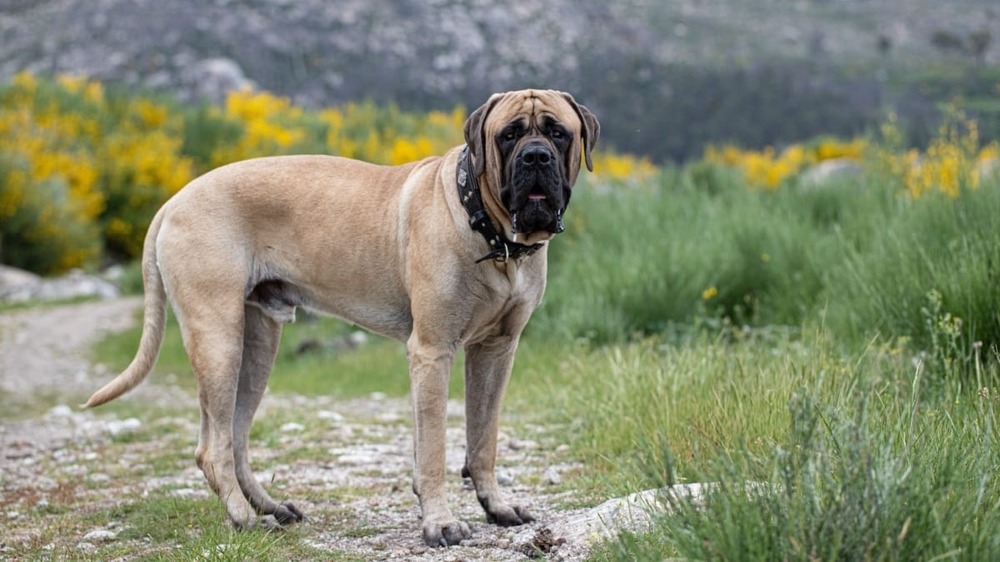
With a Mastiff, training is not about tricks for the sake of it. It is about safety and ease. A dog who can walk on a loose lead, pause at gates, and settle on cue is far more enjoyable than a dog who “knows commands” but barrels through daily life on sheer mass.
Early socialisation matters, but it works best when it is calm and gradual. The goal is not to force friendliness, it is to build neutral confidence: letting the pup see the world, hear odd sounds, meet a variety of people, and learn that you will guide the situation.6
Approach and pacing
Positive reinforcement, clear routines, and short sessions suit many Mastiffs. Harsh corrections can backfire in any dog, but with a powerful breed, the fallout can be particularly difficult to manage if it creates avoidance or defensiveness.
Exercise that supports the body
Mastiffs usually do well with moderate daily movement, think steady walks and gentle sniffing time, rather than high-impact games. For growing dogs, it is sensible to protect joints by avoiding repetitive hard landings, long runs on concrete, or constant stair work.
Health considerations and lifespan

Giant breeds commonly have shorter lifespans than smaller dogs. For Mastiffs, many reputable veterinary sources cite an average in the region of 6 to 10 years, though individuals vary with genetics, body condition, and overall care.1
Joint disease and body condition
Hip and elbow dysplasia are well-known concerns in large breeds. Not every Mastiff will be affected, but it is common enough that sensible breeders screen, and sensible owners keep a close eye on weight and mobility as the dog matures.1
Keeping a Mastiff lean is one of the kindest, most practical health choices you can make. A little extra weight on a small dog is still extra weight, but on a giant dog it can be a very large extra load across joints and soft tissue.
Bloat (GDV): know what it looks like
Deep-chested breeds can be at risk of gastric dilatation-volvulus (GDV), often called bloat. It can progress quickly and needs urgent veterinary care. Signs commonly include a distended abdomen, repeated retching without bringing anything up, drooling, restlessness, and collapse.7, 8
Some owners of high-risk dogs discuss preventative gastropexy with their veterinarian (often done at the time of desexing). Feeding routines can also matter, for example splitting food into multiple smaller meals, slowing fast eating, and avoiding hard exercise around mealtimes.7, 8, 9
Grooming and day-to-day maintenance
A Mastiff coat is usually simple: a weekly brush is often enough to lift loose hair and keep the skin in good shape. The more important routines are the unglamorous ones, nails, ears, teeth, and checking skin for irritation, especially around the mouth and jowls if your dog drools heavily.
- Brush weekly, more often during seasonal shedding.
- Trim nails regularly so the feet stay well-aligned and comfortable.
- Keep an eye on ears and skin for redness or odour, especially after swimming or humid weather.
- Support dental health with brushing and vet-advised dental care.
If your Mastiff resists handling, do not wait until they are fully grown to address it. Cooperative care training, gentle, reward-based practice for paws, mouth, and ears, can make vet visits and home care much safer for everyone.
Diet and feeding routines that suit a giant breed
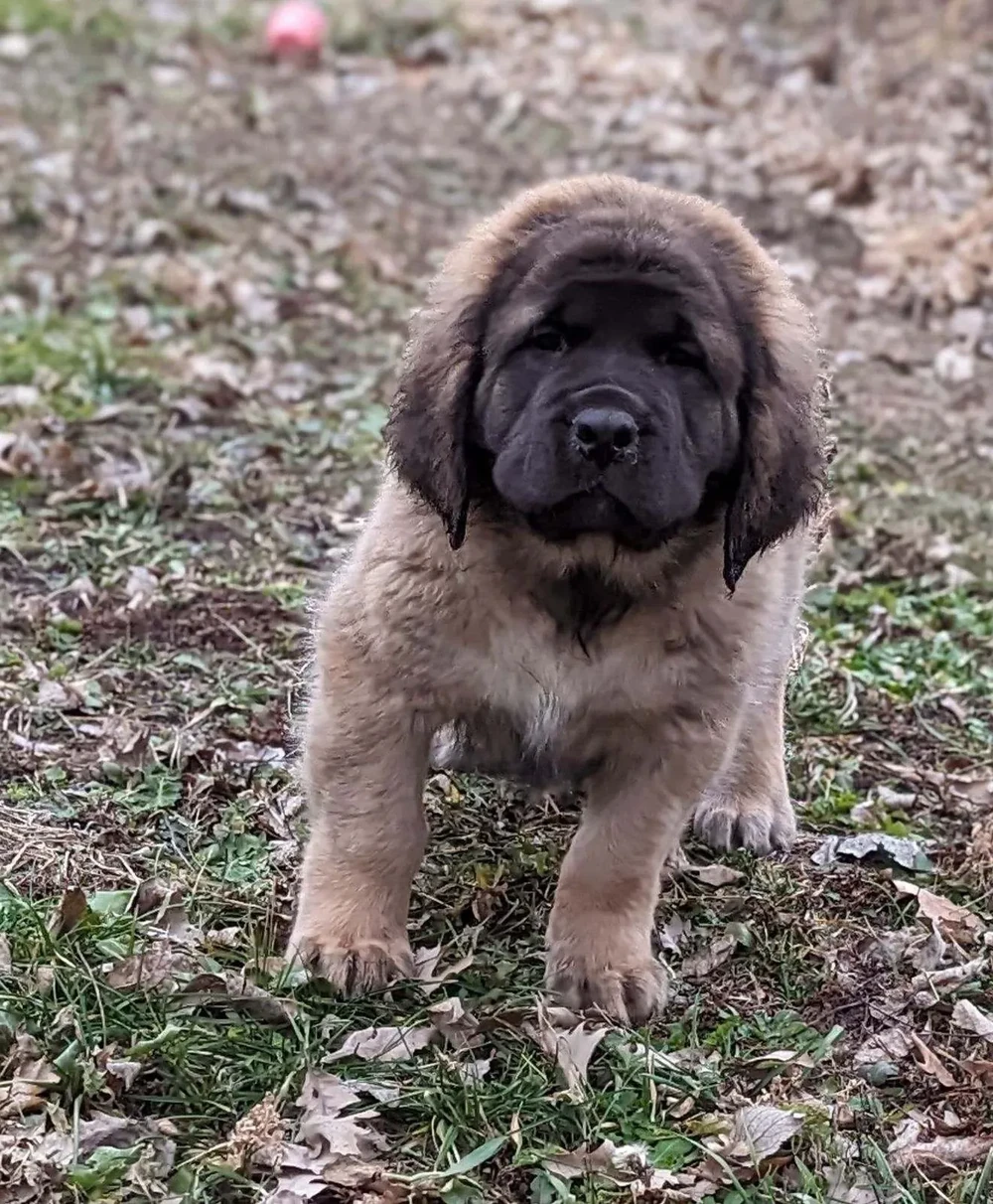
Feeding a Mastiff is less about “big meals for a big dog” and more about steady, consistent nutrition that supports growth and keeps the adult dog in a healthy body condition. Many Mastiffs do best when their daily food is divided into two (or sometimes more) meals, rather than one large feed.8, 9
Choose a complete and balanced diet appropriate for the dog’s life stage (especially for puppies, where growth rate matters). If you are unsure, a vet can help you select a suitable option and set a target body condition, which is often more useful than focusing on the number on the scales alone.
Also remember everyday safety: some common household foods can be toxic to dogs, including chocolate, grapes and raisins, onions, and garlic.10
Final thoughts on living with a Mastiff

A Mastiff can be a wonderfully steady presence, the kind of dog who is content to be near you and quietly keep track of the household. They are often not “busy” dogs, but they are still dogs with needs, and their size makes those needs harder to improvise around.
If you like calm companionship, can commit to training that prioritises manners, and are prepared for the health and handling realities of a giant breed, a Mastiff can fit beautifully. The goal is not to own a “gentle giant” as an idea, but to support a real dog who can move comfortably through a human world.
References
- PetMD: Mastiff (English Mastiff) dog breed health and care
- Dogs NSW: Mastiff breed standard
- Dogs Australia: Breed standards index
- RSPCA Australia: Pets and kids
- RSPCA South Australia: The dog adoption handbook, making introductions (supervision guidance)
- RSPCA Pet Insurance Australia: Considerations when choosing a dog
- American College of Veterinary Surgeons (ACVS): Gastropexy and GDV information
- American Animal Hospital Association (AAHA): Understanding canine bloat (GDV)
- MSD Veterinary Manual (Australia): Gastric dilation and volvulus in small animals
- ASPCA: People foods to avoid feeding your pets