

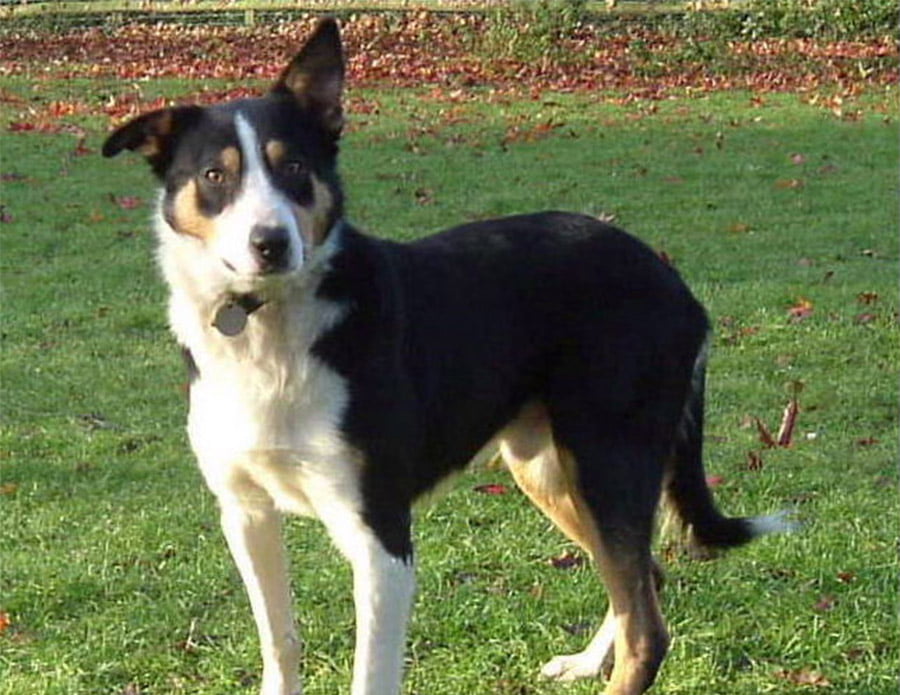
People usually stumble across the McNab when they meet one at a park or on a property and notice something a bit different. The dog clocks movement quickly, stays tuned in without fuss, and seems built to keep going long after most dogs have decided they are done.
It is easy to assume “collie” automatically means a Border Collie type, or that a short-coated working dog will be low-maintenance and happy with a quick walk. With McNabs, those assumptions often come unstuck. This is a stock dog shaped by particular conditions and expectations, and day-to-day life with one tends to work best when you plan for a busy brain as much as a fit body.
The McNab is still best understood as a practical, ranch-bred herding dog rather than a show-ring breed. That background matters, because it explains the independence, the stamina, and why training and lifestyle fit are more important than almost any single “breed trait”.1, 2
Quick profile: McNab Collie (McNab Shepherd)
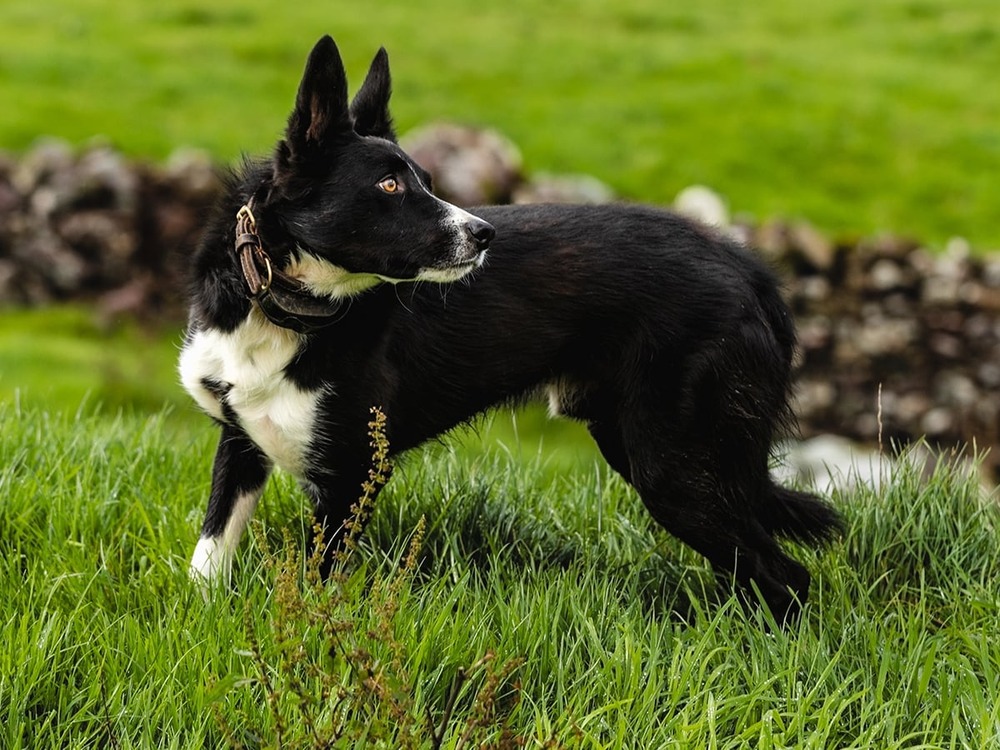
Breed type: Herding stock dog from the United States, developed in Northern California for tough, varied terrain and long days of work.1, 2
- Size: Medium. Many adults sit roughly in the 14 to 30 kg range, with height and build varying more than you might expect in a non-show breed.1
- Coat: Usually short to medium, practical rather than plush. Shedding is commonly moderate.
- Life expectancy: Often quoted around 13 to 15 years, with individual variation like any dog.1, 3
- Best suited to: People who enjoy training, daily activity, and giving a dog real outlets for working behaviour.
Where the McNab came from, and why that matters
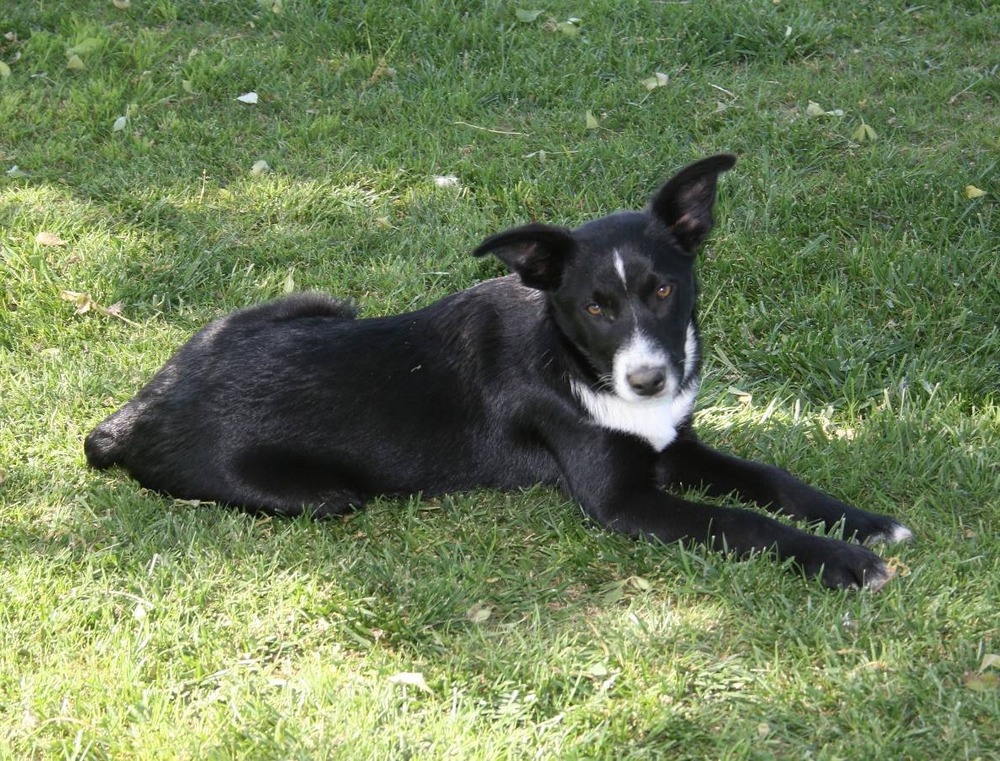
The McNab’s story is tied closely to working sheep and cattle in Northern California. Alexander McNab, a Scottish immigrant, is generally credited with developing the type in the late 1800s, selecting for dogs that could handle heat, burrs, foxtails, and rugged country while staying useful all day.1, 2, 4
You will sometimes see debate about how “pure” the early lines were and how much crossing occurred. That uncertainty is not unusual for landrace or working strains. What tends to be consistent is the aim: a handy, durable stock dog with strong feet, good sense around livestock, and enough independence to get the job done when the handler cannot micromanage every step.4
It is also worth knowing that the McNab is not recognised by the American Kennel Club as a standardised breed, which helps explain the broader variation in looks and size you might see.1
Temperament and day-to-day behaviour

McNabs are often described as intelligent, energetic, and strongly oriented to work. In practice that can look like a dog that watches patterns, anticipates routines, and learns quickly, sometimes faster than the household is ready for.
Many also have a more independent working style than some other herding dogs. That independence can be a gift on a property, and a challenge in suburbia if it turns into self-appointed jobs such as chasing motion, controlling play, or “rounding up” other pets.1
If you are thinking about a McNab as a family dog, the question is less “are they good with kids?” and more “is the environment set up for safe, supervised learning?” Herding breeds can be mouthy, fast, and drawn to movement. Good management and early training matter, and so does choosing a dog whose drive and maturity match your household.
Training that suits a McNab
McNabs generally do best with training that is clear, consistent, and rewarding, with plenty of repetition in different locations. They notice detail, which means they can pick up excellent habits quickly, and also rehearse unwanted ones if the household accidentally rewards them.
Helpful priorities often include:
- Settling skills (mat work, stationing, calm crate routines), because “switching off” is not always automatic for a working dog.
- Recall and emergency cues practised around distractions, not just at home.
- Polite greetings and impulse control, especially if the dog becomes over-aroused by visitors, bikes, or running children.
If you are doing herding training, look for experienced instruction and stock safety. A dog can have strong instincts and still need careful development to work calmly and responsibly.
Exercise needs: more than just distance
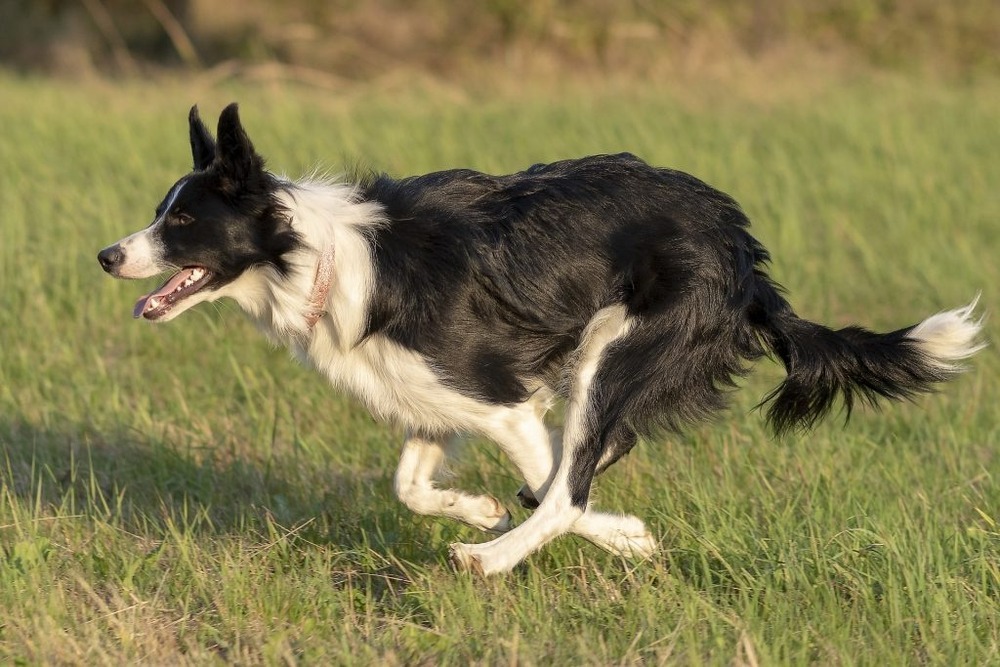
McNabs are commonly labelled “high exercise” dogs, but the more useful idea is that they need daily outlets for drive, not just a longer walk. Many will happily do kilometres and still come home looking for something to solve.
For many households, a good rhythm includes:
- One or two substantial physical sessions (walk, run, hike, structured play) suited to the dog’s age and conditioning
- Short training bursts that use the brain (obedience foundations, scent games, trick training)
- A planned rest routine so the dog learns that quiet time is part of life, not a punishment
If you are increasing exercise, build gradually and keep an eye on joint comfort and recovery. Fitness is protective, but sudden spikes in workload can create problems in any athletic dog.
Health, screening, and what to ask about
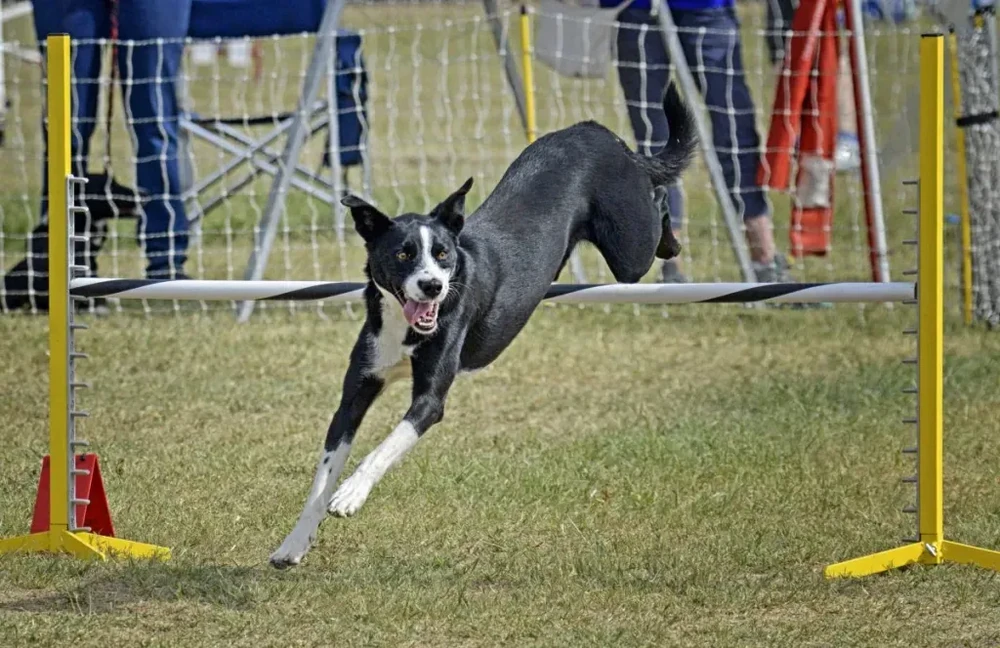
McNabs are often described as robust working dogs, but it is still sensible to approach health with the same care you would for any active breed.
Hip dysplasia is a condition seen across many breeds and is influenced by genetics and environment. There is no simple genetic blood test for hip dysplasia in dogs, and screening is typically done with radiographs (for example, through OFA or PennHIP), with results used to guide breeding decisions and risk management.5
Eye disease screening is also a common part of responsible breeding practice in many breeds. In the US, the ACVO CAER exam (recorded via OFA if submitted) is performed by a board-certified veterinary ophthalmologist and is typically repeated annually because some inherited conditions can appear later.6, 7
One particularly practical point for McNabs is MDR1 (ABCB1) multidrug sensitivity. This genetic variant can make some dogs react badly to certain medications. A DNA test is available, and results should be shared with your veterinarian before medications are prescribed, especially if there is any chance your dog could be affected.8
Coat care and everyday maintenance
Most McNabs have a coat that suits work rather than presentation. In real life, that usually means basic maintenance rather than constant grooming.
- Brushing: Once a week is often enough to lift dirt and loose hair. Increase during heavier shedding periods.
- Nails: Check regularly. Active dogs still often need trims, particularly if they run on softer ground.
- Ears and teeth: Quick weekly checks help you catch irritation early, and dental care is worth building into routine rather than waiting for problems.
If your dog spends time in long grass or on properties, keep an eye out for burrs and grass seeds, especially between toes and around ears. Practical coat length does not prevent those issues.
Feeding for a working mind and body
There is no single perfect diet for a McNab, but there are a few principles that tend to hold up: choose a complete and balanced food, monitor body condition, and adjust portions to the season and workload rather than the label on the bag. A lean, well-conditioned dog is usually better placed to cope with joint stress and long-term wear.5
If you want to feed a home-prepared diet, do it with professional guidance. Veterinary nutrition organisations consistently warn that many home-prepared recipes are not balanced unless formulated properly, which matters for growth, performance, and healthy ageing.9
Living with a McNab: who they suit best
A McNab can be an exceptional companion for the right person. They often shine with owners who like training, enjoy structured activity, and see behaviour as something you shape over time, not something a dog arrives with fully formed.
They are not always an easy fit for apartment living or long days alone. That does not mean it is impossible, but it usually requires a deliberate plan for exercise, enrichment, and downtime so the dog does not end up inventing their own entertainment.
If you are looking at a puppy, ask direct questions about the parents’ working style, stability around livestock and people, health testing, and what the breeder is selecting for. With a working-type dog, the choices made before you ever meet the pup can echo for years.
References
- Wikipedia: McNab dog (McNab Shepherd)
- Continental Kennel Club: McNab Dog Breed Information
- Rover: McNab Dog Breed Facts and Personality
- The McNab Stockdog Foundation: Breed Description
- UC Davis School of Veterinary Medicine: Canine Hip Dysplasia
- American College of Veterinary Ophthalmologists (ACVO): CAER exams through OFA
- Orthopedic Foundation for Animals (OFA): Eye Disease and CAER
- UC Davis Veterinary Genetics Laboratory: Multidrug Sensitivity (MDR1)
- American College of Veterinary Nutrition: Frequently Asked Questions (home-prepared diets and balance)