

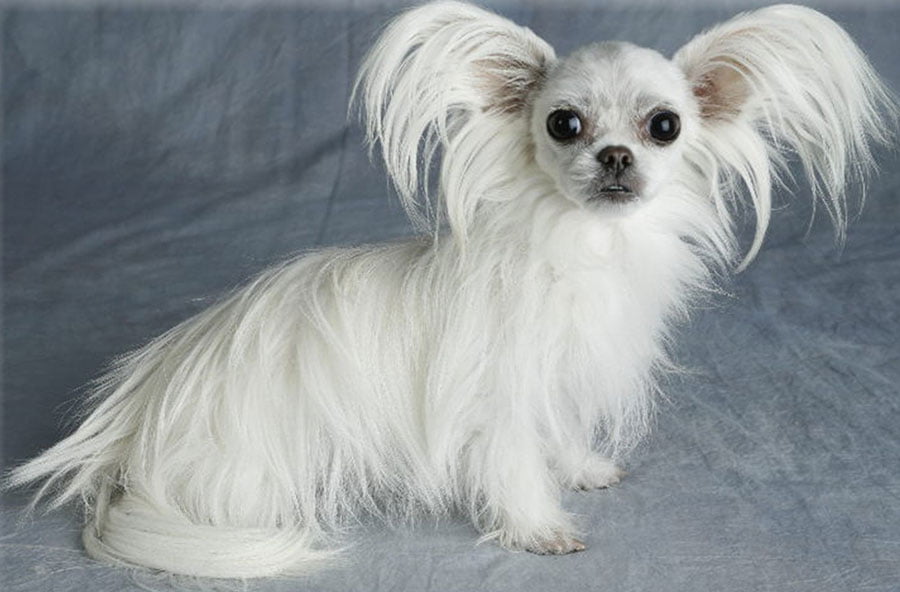
People tend to discover the Mi-Ki in a fairly ordinary way: a small dog at a cafe, a calm little companion on a lap at a family gathering, or a name that comes up when you start looking for a toy-sized dog that seems a bit less intense than the usual suspects. The first impression is often that they are “easy”, because they are small, quiet, and happy to be close.
But living with any toy breed is rarely as simple as “small dog, small needs”. Size changes the practicalities. Teeth crowd more easily, cold weather bites harder, and even a minor knee issue can have a bigger impact on day to day comfort. The Mi-Ki can be a wonderful companion, but they do best when people notice the little details early and build gentle routines around them.
What makes the Mi-Ki interesting is not just their look, but the way they often fit into real homes: apartments, busy households, and quieter lives alike. If you are considering one, it helps to understand what is known about the breed, what is still developing, and where good care matters most in practice.
- Breed category: Toy
- Country of origin: United States
- Typical height: Around 20 to 28 cm
- Typical weight: Around 2 to 5 kg
- Typical lifespan: Around 12 to 15 years
- Coat type: Long, silky, or smooth
- Shedding level: Often low
- Exercise needs: Usually modest, short daily walks and play
- Common watch-outs: Dental disease, patellar luxation (kneecap instability)
- Best suited for: Companionship in many home types, including apartments
Where the Mi-Ki came from, and why recognition is complicated
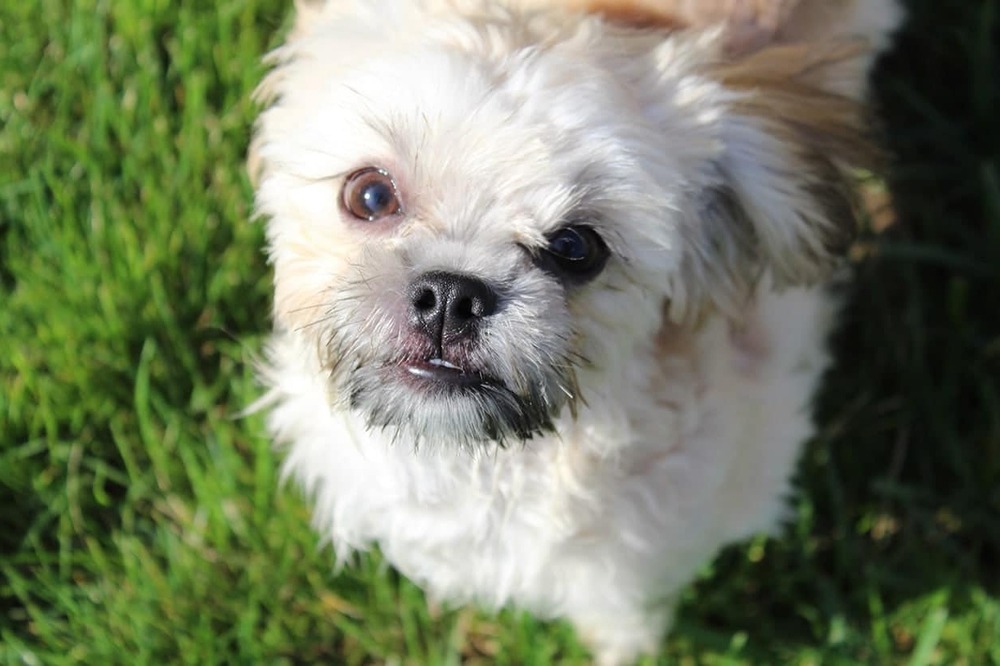
The Mi-Ki is a comparatively recent companion breed, developed in the United States, with much of the record-keeping and “breed story” maintained by breed clubs and registries rather than the large all-breed kennel clubs many people are familiar with.1, 2 That does not make the dogs any less real, but it does mean you will see variation in how people describe them, particularly around type and coat.
Two organisations you will often encounter are the American Mi-Ki Club and the American Mi-Ki Registry Association (AMRA). They publish history, standards, and registration requirements, and they have played a big role in shaping the modern Mi-Ki community.1, 2
Another registry, the International Mi-Ki Registry (IMR), positions itself around an “original” standard and emphasises DNA records and health checks for breeding stock.3 For owners, the practical takeaway is simple: ask what the breeder means by “Mi-Ki”, which registry they use, and what health screening they can show you in writing.
Physical characteristics that matter in everyday life
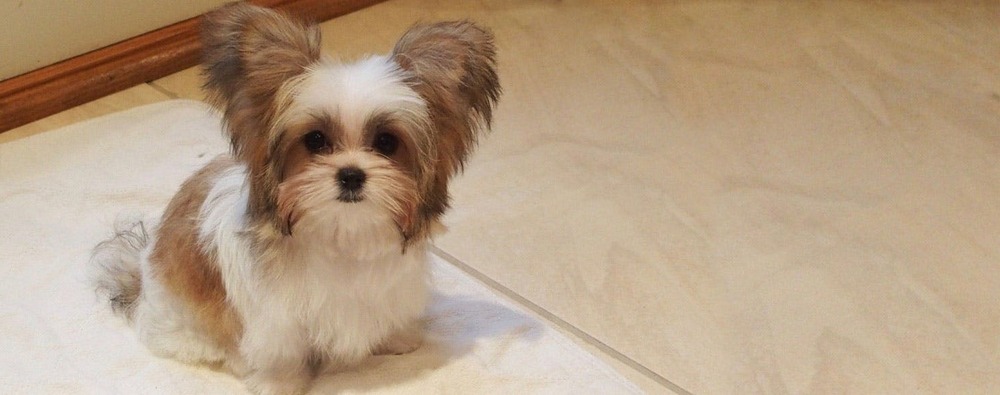
Most Mi-Kis sit firmly in the toy range, usually a few kilograms, with a compact frame and a face that can look quite “open” and expressive. Coats are typically described as long and silky or smoother in texture, and many owners report relatively low shedding. That can be appealing if you prefer less hair around the home, but it is not the same thing as being “non-allergenic”, since allergies are often triggered by dander and saliva as well as coat.2
The features that tend to shape daily care are the ones you do not always notice at first glance:
- Small mouths and crowded teeth, which can make dental hygiene more important, earlier.
- Fine coats that mat easily if brushing becomes occasional rather than routine.
- Light bodyweight and shorter legs, which can make cold mornings and rough surfaces more of a consideration.
None of this is a deal-breaker. It is simply the reality of caring well for a small dog, where prevention tends to be easier than fixing problems once they are established.
Temperament and behaviour, what owners often notice
Mi-Kis are commonly described as affectionate, people-focused dogs who settle happily into home life. Many do enjoy being close to their person, and they can be surprisingly observant. That can look like “easy” behaviour, but it is often the result of a dog who has learned the household rhythm and feels safe within it.
In family settings, they are often best with children who can manage the basics: gentle hands, no chasing, and giving the dog somewhere to retreat. With other pets, introductions still matter. Toy dogs can be overwhelmed by bouncy play from larger dogs, even when everyone is friendly.
If you are choosing a Mi-Ki as a companion, it helps to prioritise steady socialisation and handling from puppyhood, rather than assuming a small dog will “just cope”. The calmer adult dogs are usually the ones who were gradually taught that the world is predictable and safe.
Training and exercise that fits a small companion dog
For toy breeds, training is less about drills and more about habits that keep everyone comfortable. Reward-based training is widely recommended because it builds behaviour without relying on intimidation or pain, and it supports the relationship most people want with a companion dog.4, 5
Socialisation matters too, but it is often misunderstood. It is not about flooding a puppy with stimulation. It is about small, positive exposures that add up over time, especially during the early socialisation period often described as roughly 3 to 17 weeks of age.6, 7
For exercise, many Mi-Kis are content with short daily walks and a few play sessions. A simple rhythm works well:
- a short sniffy walk
- a little indoor play (tug, gentle fetch, or food puzzles)
- brief training moments tucked into normal routines
Because they are small, it is easy to overestimate how much “formal exercise” they need, and underestimate how much they benefit from calm enrichment and predictable rest.
Health considerations, with an emphasis on knees and teeth
No breed is exempt from health issues, and for small dogs two themes come up again and again: orthopaedic quirks and dental disease.
Patellar luxation (a kneecap that slips out of place) is one of the more common orthopaedic problems seen in dogs, and it affects small breeds in particular. It can show up as an occasional skip, a hop on three legs, or stiffness after rest, and it is worth discussing promptly with your vet if you notice it.8
Dental disease is the other big one. Small dogs can be prone to periodontal disease, partly due to crowding and plaque retention. Home dental care does not need to be perfect to help, but it does need to be consistent. If you are choosing chews or dental products, looking for items accepted by the Veterinary Oral Health Council (VOHC) can be a useful evidence-based filter.9, 10
Good breeders and sensible owners tend to think preventatively. That often means: health screening where available, steady weight management, and a plan for teeth long before the dog is middle-aged.
Grooming and maintenance, keeping it simple and regular
Mi-Ki coats can look effortless when they are maintained, and surprisingly demanding when they are not. The trick is not intensity, it is frequency. A few minutes several times a week is often more realistic than a long grooming session once a fortnight.
If your dog has a longer coat, pay attention to the friction points: behind the ears, under the collar or harness, armpits, and the groin area. For smoother coats, a weekly brush can still help remove debris and keep the skin in good condition.
Many owners also find that early handling practice, gently touching feet, ears, and the mouth, makes the whole process calmer. Done thoughtfully, grooming becomes part of companionship rather than a wrestling match.
Diet and nutrition for a small body and a long life
With toy dogs, nutrition is rarely about finding a miracle food. It is about choosing something complete and balanced, feeding the right amount, and adjusting before weight creeps up. If you are comparing foods, it is worth knowing that ingredient lists can be misleading, and that label reading is only one part of assessing quality.10
In practical terms, helpful habits include:
- measuring meals (even if it is with a scoop you use consistently)
- keeping treats small and accounted for
- checking body condition regularly, not just weight
- asking your vet for a tailored target if you are unsure
If your Mi-Ki is fussy, it can be tempting to rotate foods often. Sometimes the calmer approach is better: pick a suitable diet, make changes slowly when needed, and keep the rest of life predictable.
Choosing a Mi-Ki, and what to ask before you commit
Because the Mi-Ki is not handled like a long-established, widely standardised breed in every country, the “how” of sourcing matters. A good breeder should welcome questions and be able to show documentation that supports what they are claiming about lineage, health screening, and registration.
Consider asking:
- Which registry is the puppy registered with, and can I see the paperwork?
- What health checks have the parents had (knees, eyes, heart, dental history), and can I see results?
- How have the puppies been socialised, and what has been done to prepare them for grooming and handling?
The goal is not perfection. It is transparent, verifiable information, plus a breeder who is selecting for soundness and steady temperament, not just a cute look.
Final thoughts
The Mi-Ki can suit people who want a small companion dog with a gentle presence in the home. Their needs are usually manageable, but they are not “set and forget”. The best outcomes tend to come from steady routines: simple training, thoughtful socialisation, regular grooming, and especially good dental care.
If you take the breed seriously as a dog, not a novelty, they often repay that with years of close, calm companionship.
References
- American Mi-Ki Club, Breed History
- American Mi-Ki Registry Association (AMRA), About the registry and breed notes
- International Mi-Ki Registry (IMR), Who We Are
- RSPCA Knowledgebase, Reward-based training and why the RSPCA supports it
- RSPCA Knowledgebase, Training recommendations and avoiding aversive methods
- RSPCA Australia, Puppy care tips including socialisation period and positive reinforcement
- RSPCA Knowledgebase, Why puppy socialisation is important
- American College of Veterinary Surgeons, Patellar luxation (kneecap dislocation)
- Veterinary Oral Health Council (VOHC), Accepted Products list
- WSAVA, Global Nutrition Guidelines and tools for choosing pet food