

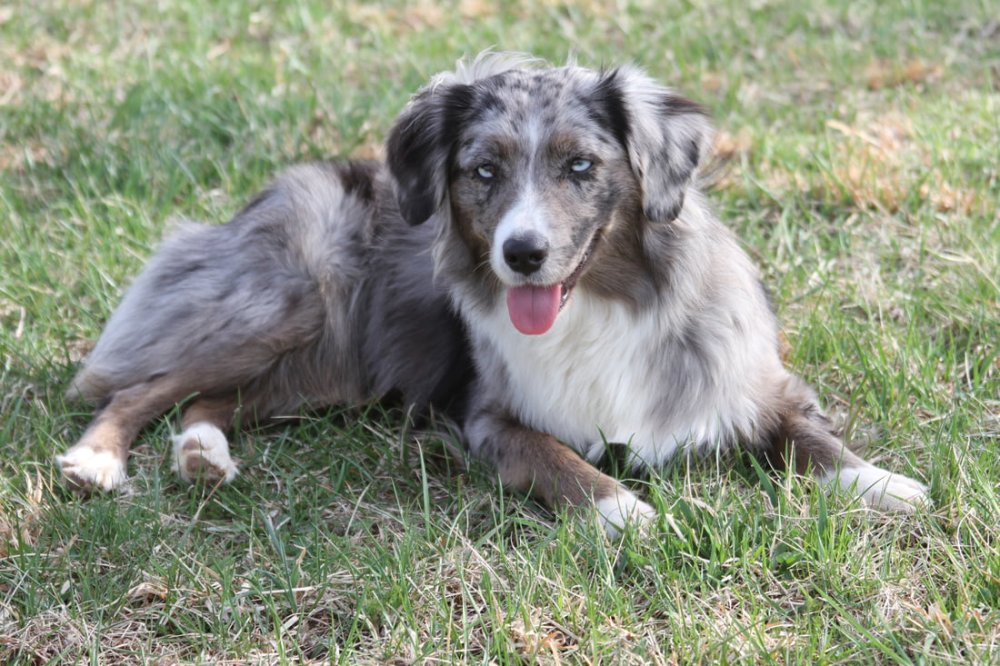
You usually notice a Miniature American Shepherd in motion. It might be a compact dog at the park that seems to read the room faster than the people do, or a “small Aussie” you meet on a trail that can switch from bouncy play to focused work in a heartbeat. The size looks convenient, but the behaviour tells you there is a proper herding dog in there.
That is where many misunderstandings begin. People assume “miniature” means lower drive, lower exercise needs, or an easier dog for busy households. In practice, these dogs tend to bring the same quick brain and busy body you would expect from their larger relatives, just in a smaller frame. When their needs are met, they can be wonderfully adaptable. When they are not, they often invent their own jobs.
Getting clear on what the breed was shaped to do, and what that looks like in everyday home life, makes choices around training, enrichment, grooming, and health far more straightforward.
At a glance: what the breed is like day to day
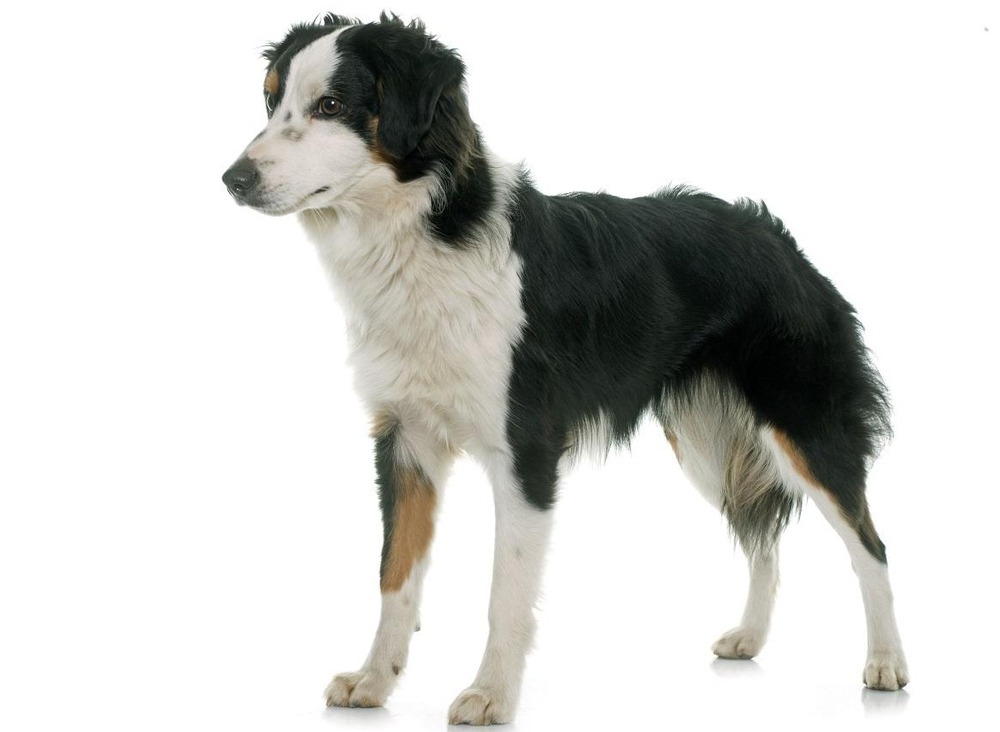
The Miniature American Shepherd (often shortened to MAS) is a small herding breed developed in the United States. Breed standards describe a dog that is slightly longer than tall, athletic, and built for quick turns and sustained work, not a delicate lapdog.2
- Group and background: herding, originally developed from smaller Australian Shepherd lines in the United States.1
- Typical height: males 36 to 46 cm, females 33 to 43 cm at the withers (breed standard ranges vary slightly by registry).2
- Energy and engagement: usually high, best with daily physical exercise plus problem-solving and training games.6
- Coat: medium-length double coat, moderate shedding with seasonal increases for many dogs.2
Where the Miniature American Shepherd came from
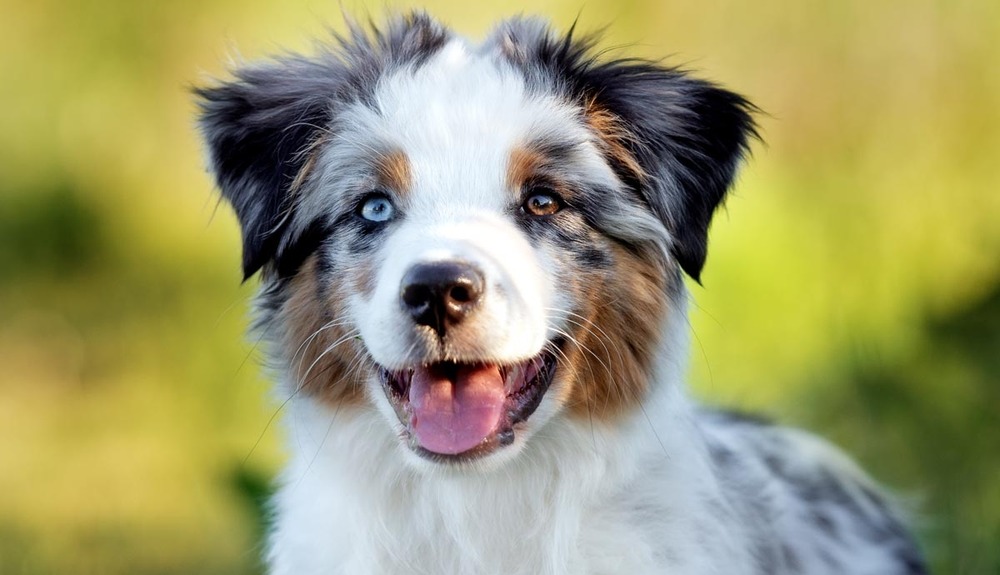
Accounts of the breed’s development commonly point to the 1960s in the United States, where breeders selected smaller Australian Shepherds to keep the working style and trainability in a more compact size.4
In the modern kennel club world, recognition happened relatively recently. The breed was recognised by the United Kennel Club on 1 January 2015, and the American Kennel Club accepted the Miniature American Shepherd with full recognition on 1 July 2015.2, 3
These dates matter mostly because they explain why you will still hear older labels in conversation. You may meet people who casually say “mini Aussie”, but in formal contexts “Miniature American Shepherd” is the recognised breed name in major registries.2
Physical traits that affect real-life care
The MAS is compact, sturdy and agile. That shape is not just aesthetic, it is the reason they tend to excel at sports like agility, rally, obedience, and herding activities when given the chance. A dog built to move all day often looks for outlets if home life is repetitive.
Coat colours commonly include black, blue merle, red, and red merle, often with tan points and white markings. The coat is a double coat of moderate length, which typically means regular brushing is more effective than frequent bathing for keeping the coat and skin in good condition.2
Tail length can vary, including naturally bobbed tails and full tails. Some standards also mention docking practices in countries where it is legal, although this varies by location and personal choice.2
Temperament: bright, watchful, and often busy
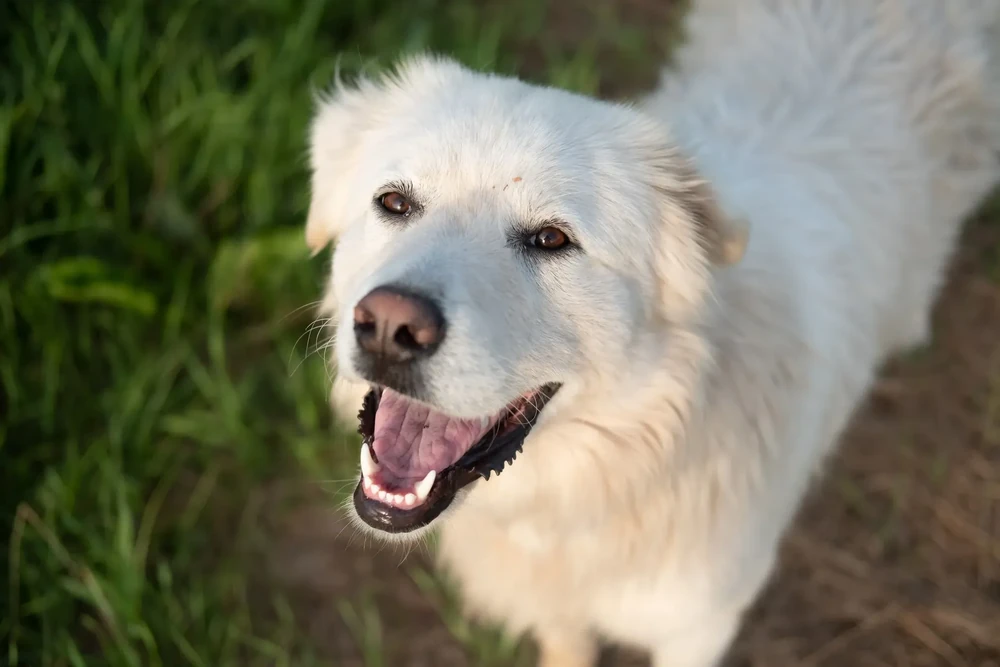
A well-bred, well-raised Miniature American Shepherd is typically described as intelligent, biddable, and capable of focused work. Many are reserved or watchful with strangers rather than instantly social, which can be completely normal for a herding breed when handled thoughtfully.2
In everyday homes, that quick mind often shows up as pattern-learning. They notice routines, anticipate what happens next, and can become creative when under-stimulated. Mental work counts for this breed. A brisk walk helps, but so does learning a new cue, practising calm on a mat, or working for part of dinner through a food puzzle.6
Herding breeds may also try to “organise” movement, including following, circling, and controlling space, especially around running children or other pets. It is not helpful to assume this is spite or stubbornness. It is usually an instinct expressed without a job. Management, training, and appropriate outlets tend to make the biggest difference.
Training and exercise that suits the breed
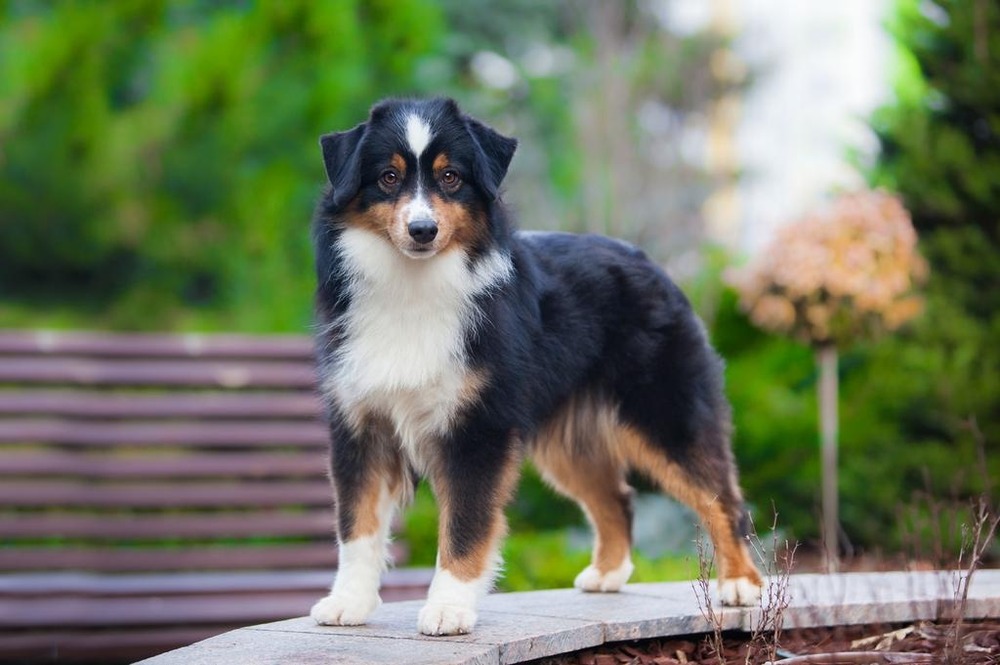
Training with a Miniature American Shepherd often feels rewarding because they can learn quickly, but the pace can trick you into skipping foundations. Early socialisation, gradual exposure to the world, and teaching relaxation are just as important as teaching skills.
Positive reinforcement methods, delivered with good timing and clear criteria, tend to suit the breed’s sensitivity and enthusiasm for work. If a MAS is “blowing up” with barking, spinning, or frantic behaviour, it is often a sign the environment is too hard, the dog is over-aroused, or the exercise plan is missing a calming component, not a sign the dog needs harsher handling.
Daily needs vary by age and individual, but many MAS do best with a blend of:
- Sniffy walks and decompression time, not just structured heelwork.6
- Short training sessions spread across the day (obedience, tricks, cooperative care).
- A safe outlet for sprinting and turning, such as fetch in a secure area, or a sport like agility.
- Enrichment that avoids over-feeding, such as rotating toys, scent games, and low-calorie food puzzles used thoughtfully.6
Health topics to take seriously (and how to screen)
Miniature American Shepherds are often described as generally healthy, with many living into their early teens. Still, like most purebred populations, there are inherited risks worth planning around, especially when choosing a breeder or considering what to test for as your dog matures.4
Breed clubs and health programs commonly emphasise a combination of orthopaedic assessment, eye screening, and DNA tests relevant to the breed. For the MAS, that often includes hips, annual ophthalmology exams, and DNA testing for conditions such as PRA-prcd, MDR1 drug sensitivity, hereditary cataracts (HSF4), and neuroaxonal dystrophy (NAD).5, 8
If you are buying a puppy, a practical approach is to ask for evidence of health testing results, not just verbal reassurance. If you already have a MAS, talk with your vet about what is appropriate for your dog’s age and history, and consider breed-relevant screening as part of your long-term plan.
Eye examinations are typically performed through programs involving veterinary ophthalmologists, and results are often recorded through established registries, which helps with transparency and breeding decisions.7
Coat care and everyday grooming
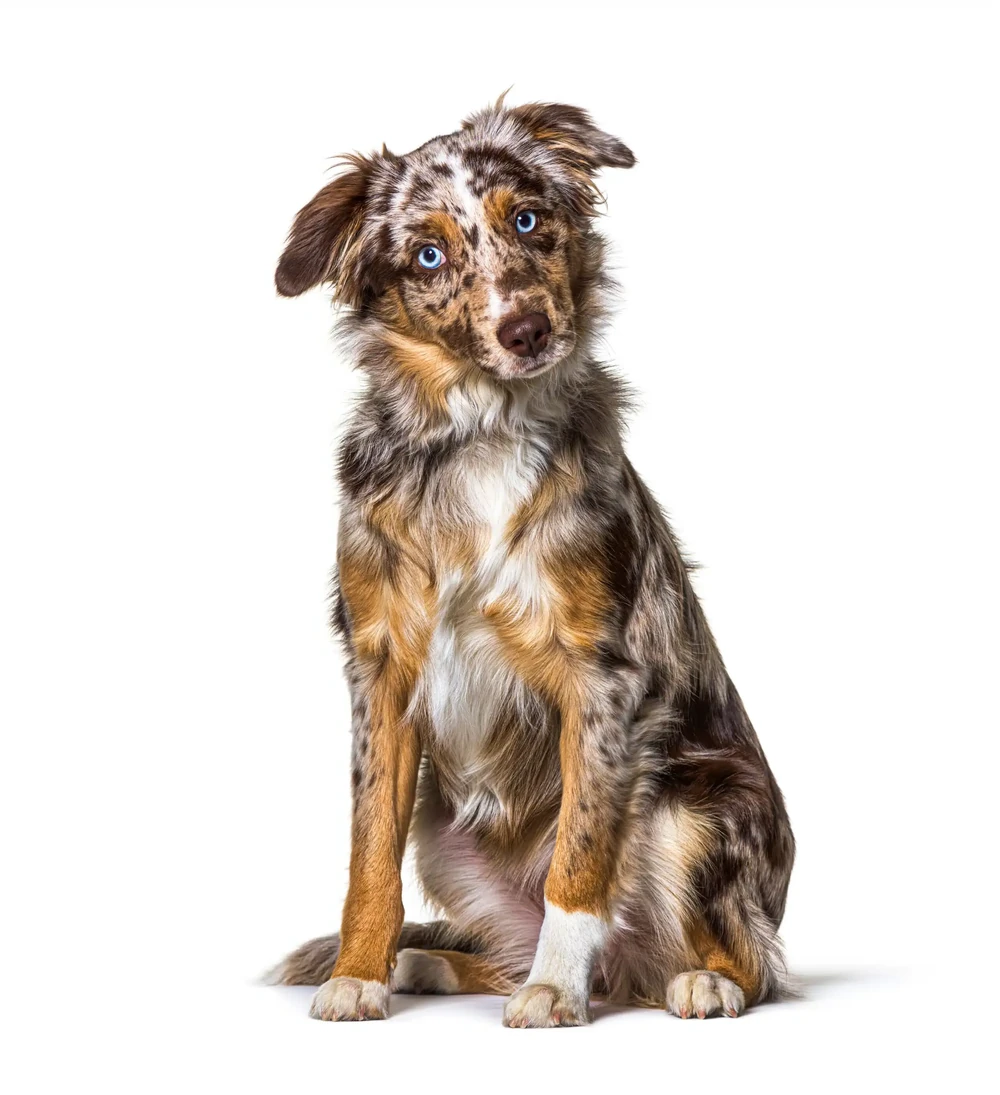
The MAS coat is designed for weather and work. It usually stays in better condition with regular brushing that reaches the undercoat, rather than frequent bathing or shaving. Shaving a double-coated dog is not automatically “wrong” in every medical scenario, but as a routine grooming choice it can create coat-change issues for some dogs and does not replace the need for heat management through shade, water, and sensible activity planning.
A workable routine for many households looks like this:
- Brush a few times a week, more often during seasonal shedding.
- Check ears, especially if your dog swims or gets recurring irritation.
- Trim nails regularly so movement stays comfortable.
- Build cooperative care skills early, so grooming is predictable and low stress.
Because these dogs are active, mats can form behind the ears, in the “trousers”, and under the collar or harness areas. A few minutes of targeted brushing after muddy outings often prevents bigger grooming sessions later.
Feeding and keeping a working brain in a healthy body
There is no special “Miniature American Shepherd diet”, but there is a common pattern: smart, busy dogs can become overweight surprisingly easily if enrichment relies heavily on food, or if exercise drops during life changes. Keeping an eye on body condition and adjusting portions matters more than chasing a perfect ingredient list.
Many owners find it helps to:
- Measure meals, then adjust based on body condition and activity.
- Use part of the daily ration for training, rather than adding extra treats.
- Choose enrichment that is not always edible, such as scent games with hidden toys, or training games built around play and praise.6
If your dog has digestive issues, itchiness, or repeated ear problems, your vet can help you work through diet trials and rule out underlying medical causes, rather than guessing based on marketing claims.
Living with a MAS in different homes (including apartments)
A Miniature American Shepherd can live in an apartment, but only if daily life includes genuine outlets for movement and engagement. “Small” helps with space, but it does not change the breed’s need to do things.
In a smaller home, the most useful focus is often on rhythm and recovery: daily exercise that includes sniffing and free movement, plus a trained off-switch so the dog can settle calmly between activities. It is also worth planning for sound, as alert barking can become a habit if the dog spends the day rehearsing responses to corridor noise or street traffic.
When people say the breed is “adaptable”, it is usually true in the sense that they can fit many lifestyles if their needs are consistently met. Adaptable does not mean low-input, especially in the adolescent period.
Final thoughts
The Miniature American Shepherd suits people who enjoy living with a dog that notices things, learns quickly, and wants a role in the day. The best experiences with the breed tend to come from taking their herding heritage seriously, then translating it into modern life through training, enrichment, and health-conscious care.
If you meet a MAS who seems “too much”, it is often not a personality flaw. More often, it is a capable working dog asking, in the only ways it knows how, for clearer guidance and a better outlet. When you provide that, their steadier qualities, the focus, loyalty, and athletic ease, have room to show.
References
- PetMD: Miniature American Shepherd (breed overview and history)
- United Kennel Club: Miniature American Shepherd breed standard
- American Kennel Club: Miniature American Shepherd (breed information)
- PetMD: Miniature American Shepherd (size and lifespan notes)
- MASCUSA: Breed Health (recommended and required testing)
- RSPCA Australia: The importance of enrichment for dogs
- American College of Veterinary Ophthalmologists (ACVO): CAER screening information
- AKC: Herding Group health testing requirements (Miniature American Shepherd tests)
- Orthopedic Foundation for Animals (OFA): Health testing and registries