

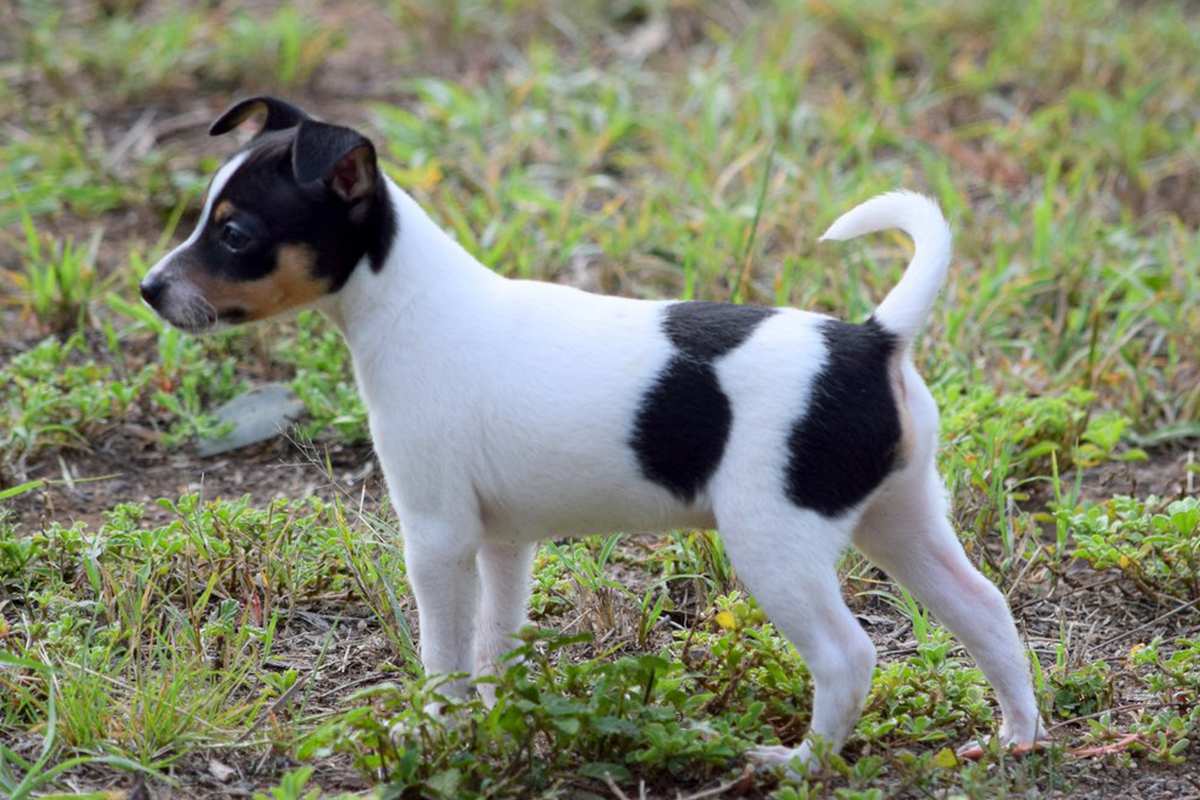
You usually notice a Miniature Fox Terrier the same way you notice a possum in the roof or a tennis ball that keeps arriving at your feet. Something small and quick is always on the move, watching, listening, ready for the next thing. People often assume a little dog will be “easy”, happy to potter around the house, fine with a short walk and a lap.
With a Mini Foxie, that assumption only takes you so far. These dogs can be genuinely compact and apartment-friendly, but they are still terriers, bred for alertness, speed and problem-solving. When their day has enough to do, they tend to be delightful company. When it does not, they tend to make their own plans.
Understanding what sits underneath that bright-eyed, busy presence matters in practice. It shapes how you set up your home, how you handle barking and chasing, and how you keep a small, athletic dog safe and settled for the long run.
- Breed category: Terrier
- Country of origin: Australia
- Average height: 24 to 30 cm
- Average weight: 3.5 to 5.5 kg
- Average lifespan: Around 12 to 15 years
- Coat type: Short, smooth
- Grooming requirements: Low, occasional brushing
- Exercise requirements: Moderate to high, daily walks plus play
- Energy level: High
- Typical temperament: Lively, alert, friendly
History and origin in Australia
The Miniature Fox Terrier is a distinctly Australian small terrier, developed for practical work, especially vermin control. In older sources you will see descriptions of the breed developing from small Smooth Fox Terrier types, with influence from other small, athletic dogs, shaped by what working households needed at the time.1
Breed identity can be confusing, largely because Australia also has the Tenterfield Terrier, a separate breed that people sometimes mix up with the Mini Foxie in conversation and older writing. If you are researching breeders, clubs or pedigree records, it helps to keep those names clear in your mind and to ask directly which registry and standard a breeder follows.1
Whatever line a particular dog comes from, the through-line is consistent: a small, agile hunter that could move quickly, react fast, and stay game enough to keep working.
What a Mini Foxie looks like, and why it matters
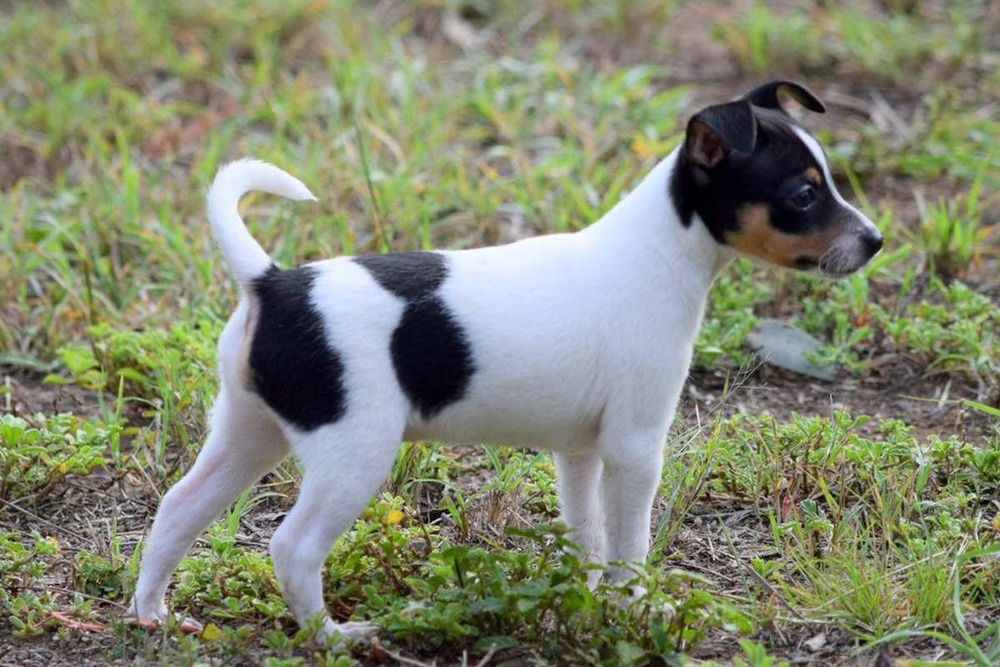
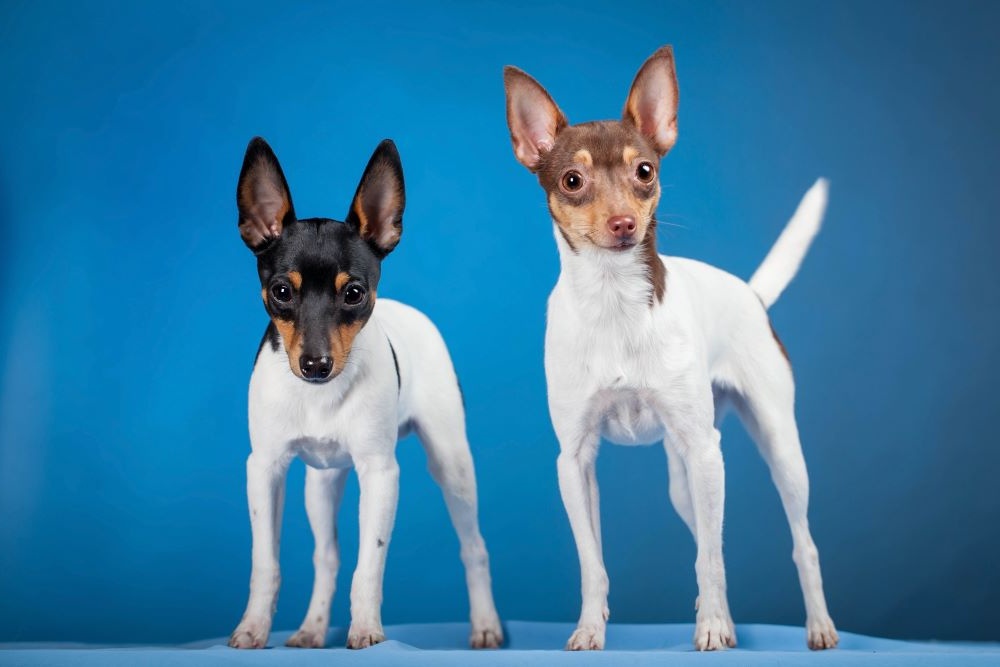
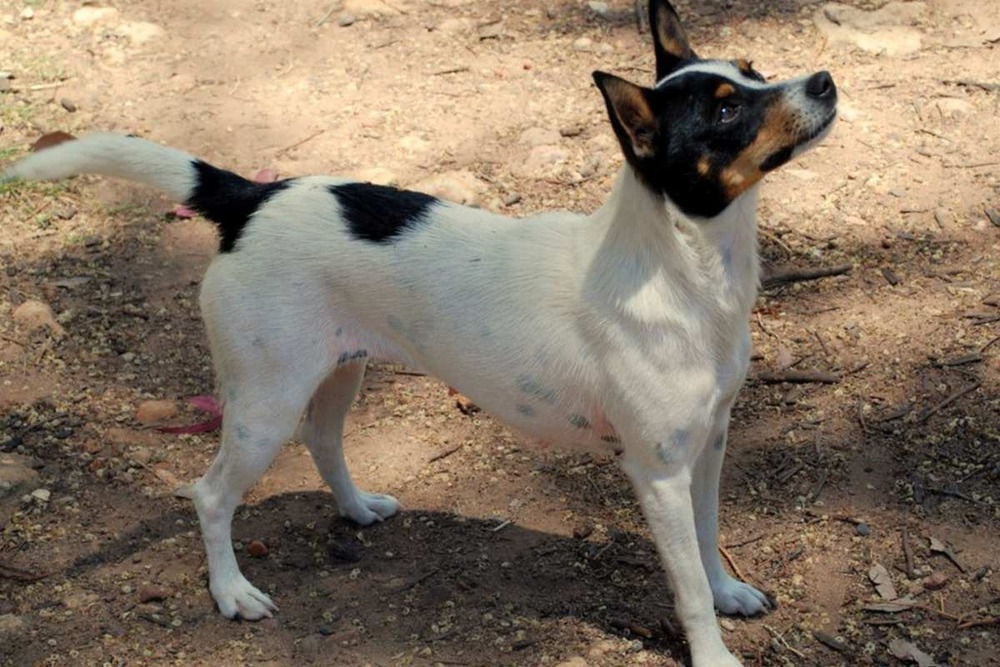
Most Miniature Fox Terriers sit in the 24 to 30 cm range and roughly 3.5 to 5.5 kg, with a short, smooth coat that is easy to live with day to day. The overall impression is neat, athletic and light on their feet, rather than chunky or delicate.1
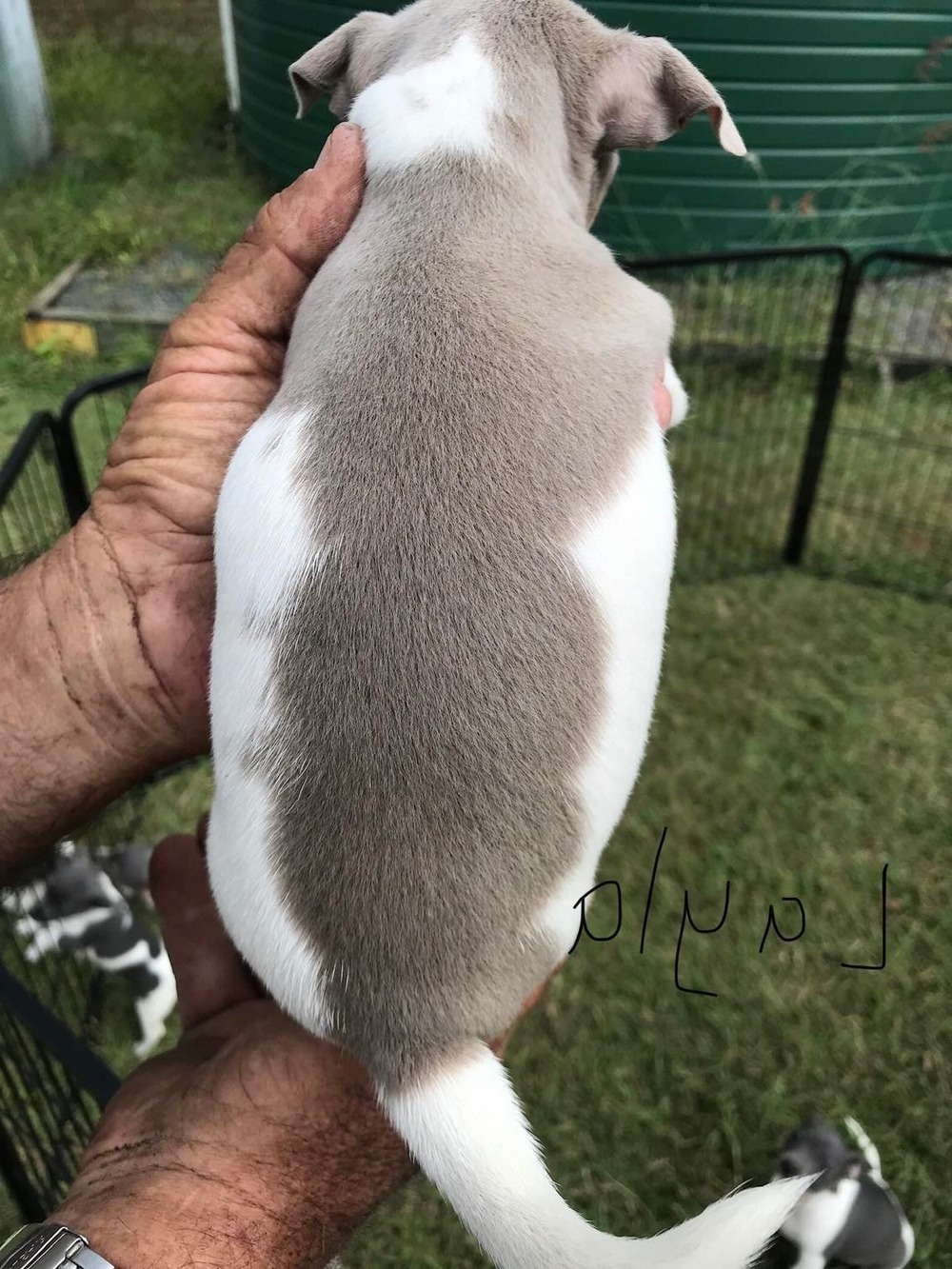
The coat is often described as black, tan and white in various combinations, with plenty of individual variation in markings. You will also see breed standards that emphasise a predominantly white body and a well-coloured head.2
One detail worth flagging is the tail. You may still see docked tails in photos, but routine tail docking is banned across Australia, with limited exceptions for genuine therapeutic reasons performed by a veterinarian (rules vary by state and territory, so it is worth checking your local legislation).3, 4
Temperament and everyday behaviour
Mini Foxies are typically lively, observant and quick to learn. Many people experience them as “switched on” dogs that notice patterns fast, including your routines, your weak points, and exactly which cupboard the treats live in.
They can be very affectionate, but it often helps to think of their closeness as active rather than purely cuddly. A Mini Foxie that follows you room to room is often also tracking sound, movement and opportunity. They like to be involved, and they tend to cope best when that involvement has some structure.
Terrier traits can also show up as chasing, digging, and enthusiastic alarm barking. None of these automatically mean a dog is “naughty”. They often mean the dog is under-exercised, under-stimulated, or has learned that certain behaviours reliably get a response.
Children, visitors and other pets
With children, supervision matters, partly because small dogs can be physically vulnerable and partly because fast movement and squeals can ramp up arousal. Calm, guided interactions usually go better than “let the kids play with the dog”.
With other pets, early and ongoing social experiences help, but you also want to respect the breed’s history. Some individuals live happily with cats and other dogs, while others will always need careful management around small animals. Think in terms of training and environment, not just “they will grow out of it”.
Training and exercise that actually works
Mini Foxies usually train well when the training feels like a game and the reinforcement is clear. Short, frequent sessions tend to beat long ones, and it pays to teach life skills early, including being handled, settling on a mat, walking on lead, and coming when called.
Most modern behaviour guidance from veterinary behaviour organisations supports reward-based training and advises against aversive tools and punishment-based methods because of the welfare and behaviour risks involved.5, 6
Daily exercise is not only about distance. For many Mini Foxies, the real need is a blend of movement and thinking, such as:
- two brisk walks plus a sniffy wander in a quiet area
- short recall games in a fenced space
- food puzzles or scatter feeding
- basic agility-style games at home (low, safe set-ups)
If barking, nipping, or zooming indoors is becoming a pattern, it is often a sign to add more enrichment and more predictable rest, rather than just more excitement.
Health and lifespan
Many Miniature Fox Terriers live well into their teens, and a lifespan of around 12 to 15 years is commonly cited.1
Like other small, athletic breeds, they can be prone to certain orthopaedic issues. Patellar luxation (a kneecap that slips out of place) is common in small dogs and often shows up as intermittent skipping or hopping on a back leg.7
Legg-Calvé-Perthes disease is another condition more often seen in toy and miniature breeds, typically in young dogs, involving the hip joint and requiring veterinary assessment if lameness appears.8
Preventative care is not glamorous, but it is what tends to keep a small dog comfortable as they age:
- maintaining a lean body condition
- regular dental care, including home brushing where possible
- routine vet checks, with attention to gait changes and joint comfort
Grooming and maintenance
The short, smooth coat is one of the easy parts. A quick brush now and then, plus baths when needed, is typically sufficient. Many owners find that grooming is less about “beauty” and more about the small routine: checking ears, trimming nails, and noticing any new lumps, sore spots or skin irritation early.
Even low-shedding coats still drop hair, especially with seasonal changes. A soft rubber grooming mitt can help lift loose hair without making the process feel like a chore for the dog.
Food, weight and dental care
Mini Foxies do well on a balanced diet that suits their size, activity level and life stage. The detail that makes the biggest difference, over time, is often portion control. Small dogs can gain weight quickly, and extra weight can make orthopaedic issues harder to manage.
Dental care is also worth taking seriously. Regular tooth brushing is considered the gold standard, and when you are choosing chews or dental products, the Veterinary Oral Health Council list is a practical place to start because it identifies products with evidence for plaque and tartar control.9, 10
If brushing is new in your household, aim for calm, gradual steps. A few seconds at the gum line, then stop, is a better starting point than wrestling for a “proper clean”. Consistency tends to matter more than intensity.
Living well with a Miniature Fox Terrier
A Mini Foxie can be a wonderful match for people who like a dog with opinions, speed, and a bit of cheeky initiative. They often thrive in homes that treat them like a small athlete rather than a living ornament.
The sweet spot is usually simple: enough exercise, enough mental work, enough rest, and training that helps them feel safe and understood. When those pieces are in place, their brightness becomes a joy, not a daily negotiation.
References
- Wikipedia: Miniature Fox Terrier
- Mini Foxie Club of Australia: Breed standard
- Business Queensland: Queensland’s ban on docking dogs’ tails
- Agriculture Victoria: Prohibited procedures on dogs
- American Veterinary Society of Animal Behavior (AVSAB): Position statements and handouts
- Purdue University Canine Welfare Science: AVSAB Humane Dog Training Position Statement (resource page)
- Merck Veterinary Manual: Patellar luxation in dogs and cats
- Orthopedic Foundation for Animals (OFA): Legg-Calvé-Perthes
- Veterinary Oral Health Council (VOHC): Home page
- Veterinary Oral Health Council (VOHC): Accepted products