

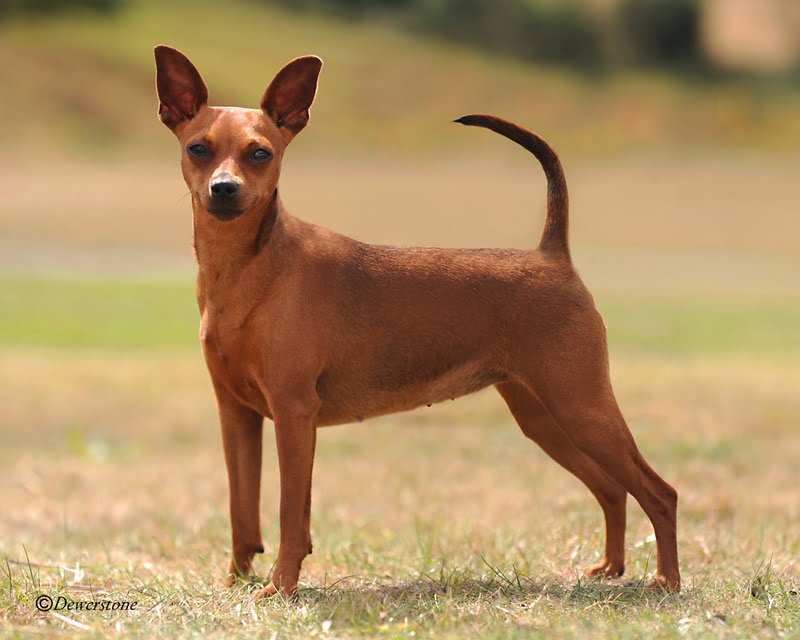
You might notice one trotting along like it owns the footpath, or meet one who can turn a quiet lounge room into a patrol route in minutes. The Miniature Pinscher is small enough to pick up easily, but it is rarely a dog that behaves as if it needs rescuing.
A lot of people first look into the breed because they want a compact companion that fits apartment life, but still has some spark. That mix can be a surprise. Min Pins tend to be alert, quick to respond to movement and sound, and very good at practising behaviours you did not mean to teach.
It also helps to clear up a common assumption early. The Miniature Pinscher is not a shrunken Doberman. It is its own established breed with a long history in Germany, and its look and movement have been shaped for agility and confidence as much as for style.1
- Breed category: Toy (some kennel clubs classify it differently)
- Country of origin: Germany1
- Typical height: about 25 to 32 cm at the shoulder (varies by standard)2
- Typical weight: often around 4 to 5 kg (varies by individual)
- Typical lifespan: around 12 to 15 years3
- Coat: short, smooth, low maintenance3
- Energy: high, benefits from daily activity and training
- Known for: bold, busy temperament and a distinctive high-stepping action in the show ring2
Where the Miniature Pinscher comes from
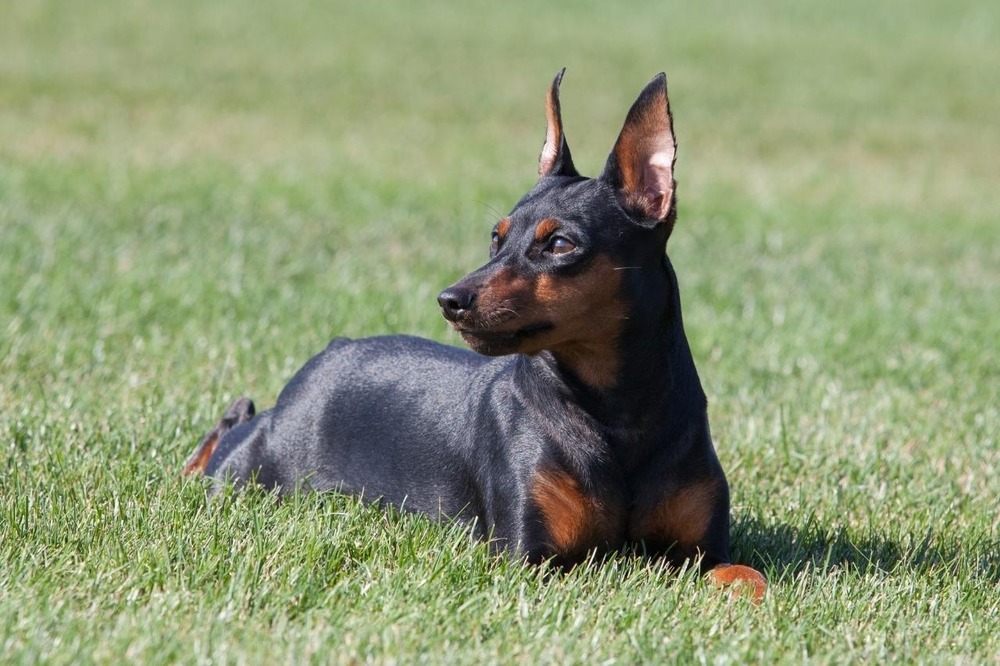
The Miniature Pinscher originated in Germany and is recognised internationally as a German breed.1 Historically, it was valued as a lively, determined small dog around homes and stables, including for vermin control. You still see hints of that working mindset today in the way many Min Pins scan, chase, and investigate with intensity.
Breed histories often get simplified into a neat family tree, but the practical point for owners is this: you are living with a dog shaped to notice things and to act on what it notices. That can be charming when you want a little watchdog. It can be challenging when every rustle on the balcony becomes an event.
If you enjoy learning how a breed’s background shows up in daily life, the Miniature Pinscher is a good study. It is a companion dog, yes, but it tends to remain a hands-on companion, not a passive one.
Temperament, day to day
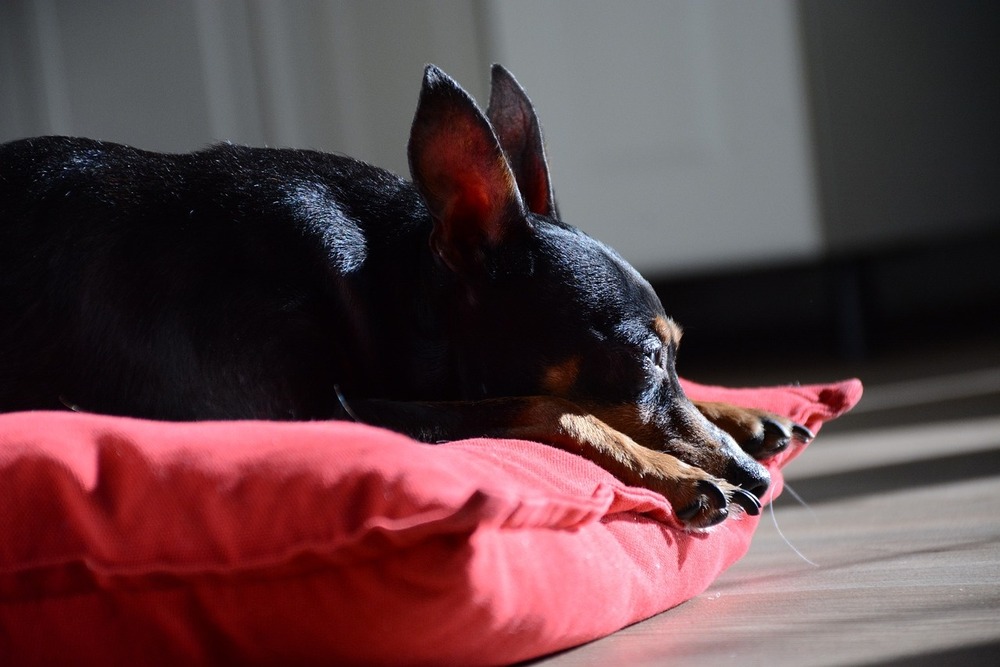
Miniature Pinschers are often described as busy, inquisitive, and bold. In practice, that can look like a dog who wants to be involved in everything, who moves quickly from room to room, and who will test patterns to see what works.
Many owners love the breed for its presence. A Min Pin may be small, but it is not usually shy about taking up space. That confidence can be an asset if you like an interactive dog that enjoys training games, short walks with lots of sniffing, and routines that keep life interesting.
It is also worth expecting some vocalising. As an alert breed, a Min Pin may bark readily at unfamiliar sounds or movement. The goal is not silence so much as teaching a reliable settle, and giving the dog enough structure that it does not feel the need to manage the environment by itself.
Children, visitors, and other pets
Miniature Pinschers can live well with children, but the match depends on how the household behaves, not just the dog. Because they are small and quick, rough handling can lead to stress responses or defensive behaviour. Calm supervision and teaching kids how to interact gently makes a real difference.
With visitors, many Min Pins do best when they have a predictable greeting routine, and an option to step back. A bed or crate set up as a quiet zone can help, especially in smaller homes where there is nowhere else to decompress.
With other animals, early socialisation and careful introductions matter. Some individuals have a strong chase response, particularly with smaller pets. If you are integrating a Min Pin into a multi-pet home, plan for management as well as training, including baby gates, separate feeding areas, and structured time together.
Training that suits a Min Pin
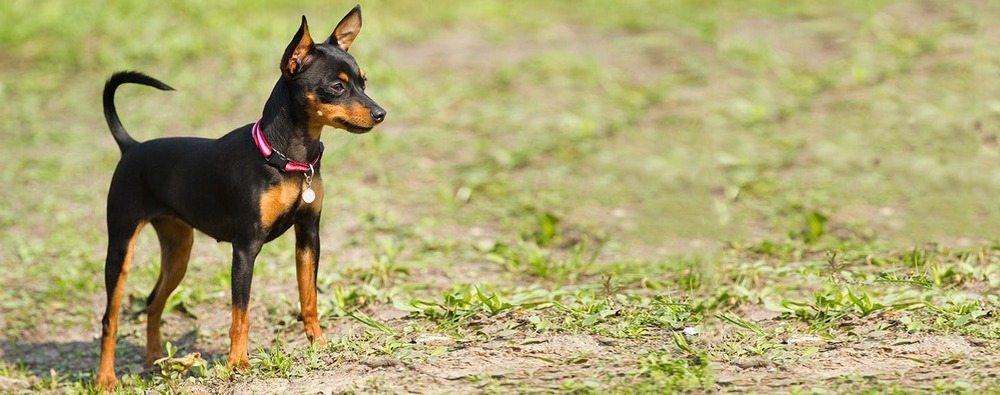
Miniature Pinschers are often clever and quick to learn. The tricky part is that they are also quick to rehearse behaviours that get results, such as barking for attention, stealing items to start a chase, or refusing to come back when something more interesting appears.
Reward-based training is a good fit for this breed. It gives you a way to build cooperation without turning everyday handling into a battle of wills, and it supports a safer relationship around sensitive topics like grooming, nail trims, and being picked up.6, 7
Useful focus areas in the first months include:
- Recall practice in low-distraction areas, then gradually harder environments
- Loose lead walking, using rewards for checking in
- “On your mat” and calm stays for when the doorbell goes
- Handling skills, including gentle restraint and cooperative care
If you are considering training tools that rely on discomfort or punishment, it is worth knowing that veterinary behaviour bodies advise against aversive methods due to welfare risks and potential fallout behaviours.6
Exercise and enrichment in small spaces
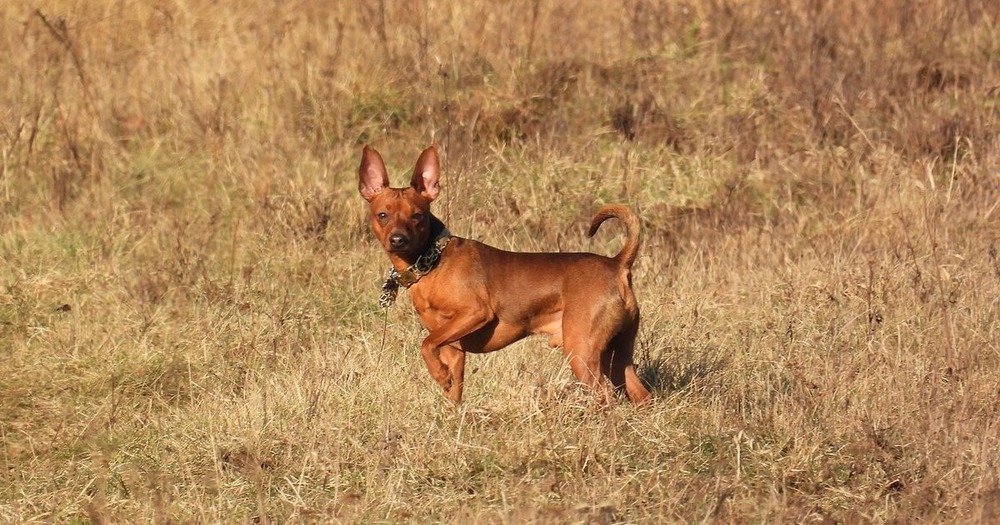
A Min Pin can live in an apartment, but the breed does not thrive on size of home alone. What matters more is the daily pattern. A short walk around the block may not touch the sides for a dog that is wired to explore.
Think in terms of both physical exercise and brain work. Many owners find a better balance when they add small, repeatable enrichment habits, such as:
- Sniff walks where the dog sets the pace
- Food puzzles or scatter feeding
- Short training sessions (two to five minutes) a few times a day
- Tug and fetch games with clear start and stop cues
Because many Miniature Pinschers are sensitive to cold due to their short coat, you may need a coat in winter and a plan for indoor games on wet or chilly days.
Health to watch for
Miniature Pinschers are often hardy, but like many small breeds they can be prone to kneecap issues, commonly called patellar luxation. This can show up as an occasional skip or hop, or a brief “hold up” of a back leg, especially after running.4, 5
If you notice intermittent lameness, reluctance to jump, or changes in gait, it is worth booking a vet check rather than waiting it out. Patellar luxation can be managed in a range of ways depending on severity, including weight management, physiotherapy, pain relief, and in some cases surgery.5
Small dogs are also over-represented in dental disease. A consistent home routine, especially tooth brushing, can genuinely shift long-term comfort and health outcomes. Your vet can advise on timing, technique, and whether professional cleaning is needed.
Grooming and practical care
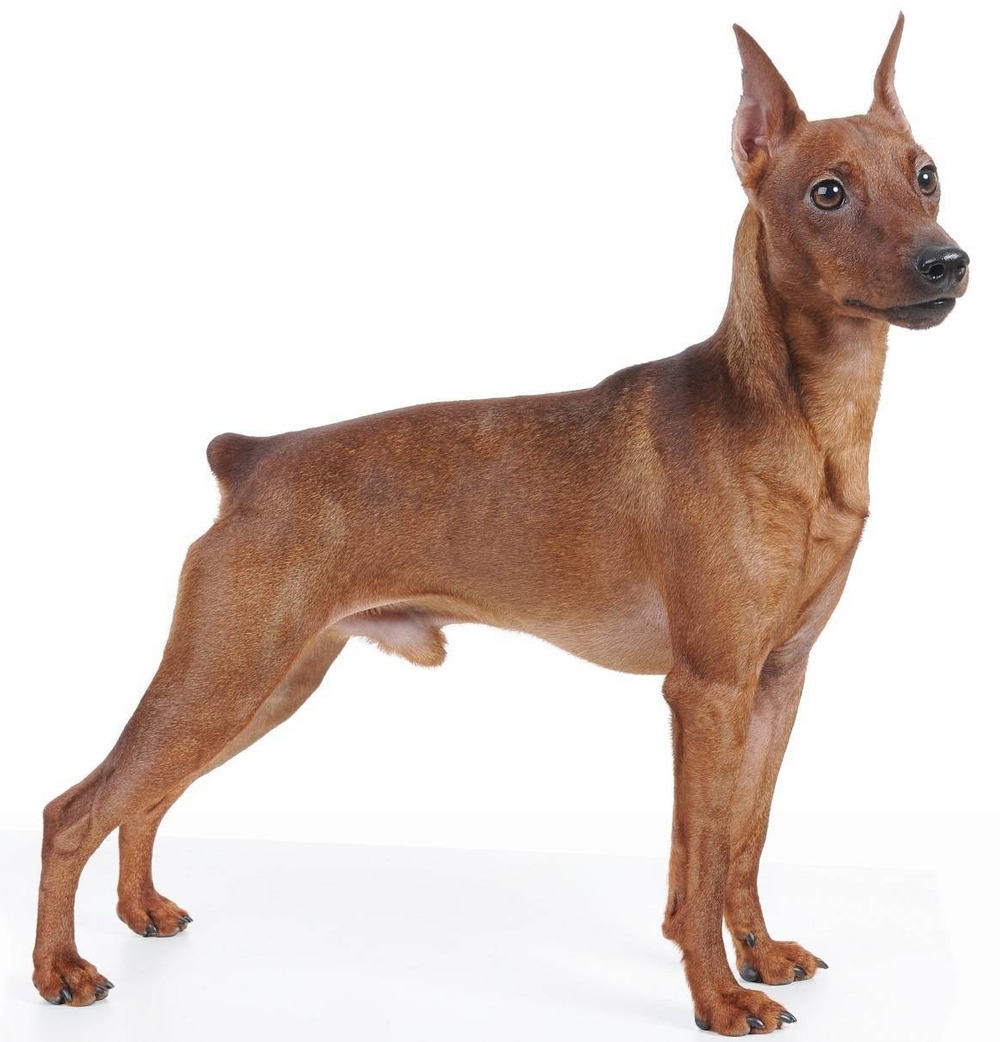
The short coat is one of the easier parts of Min Pin ownership. A weekly brush is usually enough to lift loose hair and keep the coat glossy. Bathing can be occasional, or as needed.
Where owners often need a steadier routine is in the “small maintenance” tasks that add up, including nails, teeth, and checking ears. If your dog is wriggly about handling, take a training approach and build tolerance slowly. Many short, calm repetitions tend to work better than trying to push through in one session.
If ears are erect, they can collect dust and debris. If ears are cropped, there may be additional care needs depending on the individual dog and local veterinary advice.
Feeding, weight, and staying lean
Miniature Pinschers can carry extra weight more easily than people expect, partly because they are small and partly because they often have enthusiastic appetites. Staying lean matters for joint comfort and mobility, especially if your dog is predisposed to patellar luxation.
A practical way to keep feeding on track is to use a body condition scoring system with your vet, and adjust portions based on what you see over time, not what is written on the side of the bag.8 Treats are not “bad”, but it helps to treat them as part of the daily intake, not an add-on that does not count.
If you want a simple house rule, aim for measured meals, and make training rewards tiny. A Min Pin will still consider it a win.
Movement and the famous high-stepping trot
One of the breed’s most recognisable features is its animated, high-stepping action, often described as hackney-like in breed standards.2 In everyday life, you might see it as a proud little prance when the dog is switched on and moving with confidence.
It is helpful to separate “style” from “soundness”. A stylish gait should still be comfortable and efficient for the dog. If the movement looks uneven, if the dog skips repeatedly, or if enthusiasm drops off, a vet check is sensible rather than assuming it is just the breed being quirky.5
Final thoughts
The Miniature Pinscher suits people who enjoy a dog with opinions, energy, and presence. They can be wonderful companions for the right home, especially where there is time for training, play, and a bit of everyday structure.
If you are drawn to the “toy” size but want more than a lap dog, a Min Pin can feel like the best kind of contradiction. Keep expectations realistic, stay kind and consistent, and you are more likely to end up with a small dog who is confident and livable, not just confident.
References
- FCI: Miniature Pinscher (Zwergpinscher), breed nomenclature
- American Kennel Club: Miniature Pinscher breed information
- PDSA: Miniature Pinscher
- Miniature Pinscher Club of Great Britain: Health and patella testing scheme
- The Kennel Club (UK): Patella luxation in dogs
- American Veterinary Society of Animal Behavior (AVSAB): Humane Dog Training Position Statement
- RSPCA Knowledgebase: Reward-based dog training and why the RSPCA supports it
- WSAVA: Global Nutrition Guidelines
- RSPCA Knowledgebase: Training recommendations and avoiding aversive methods