

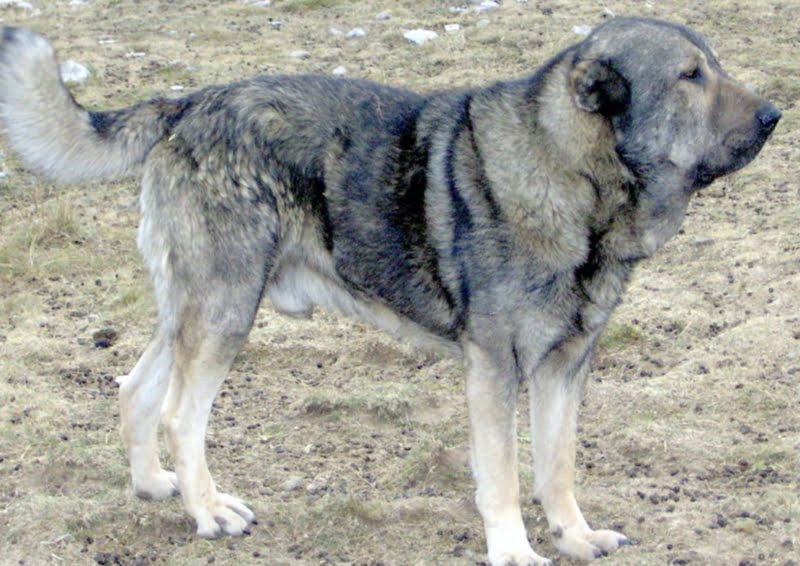
You might come across the name “Molossus of Epirus” after seeing a striking, mastiff-like dog online, or hearing someone say their big guardian breed “goes back to the ancient Molossians”. It can sound like a single, clearly defined breed with a neat family tree.
The reality is messier, and more interesting. In ancient sources, “Molossian” often points to a type of powerful dog associated with Epirus in north-western Greece, rather than a modern kennel club breed with a closed stud book.1, 2
So the practical question becomes: if you are drawn to the idea of a Molossus, what traits are people usually talking about, and what would it take to live well with a large, protective working dog today?
What people mean by “Molossus of Epirus”
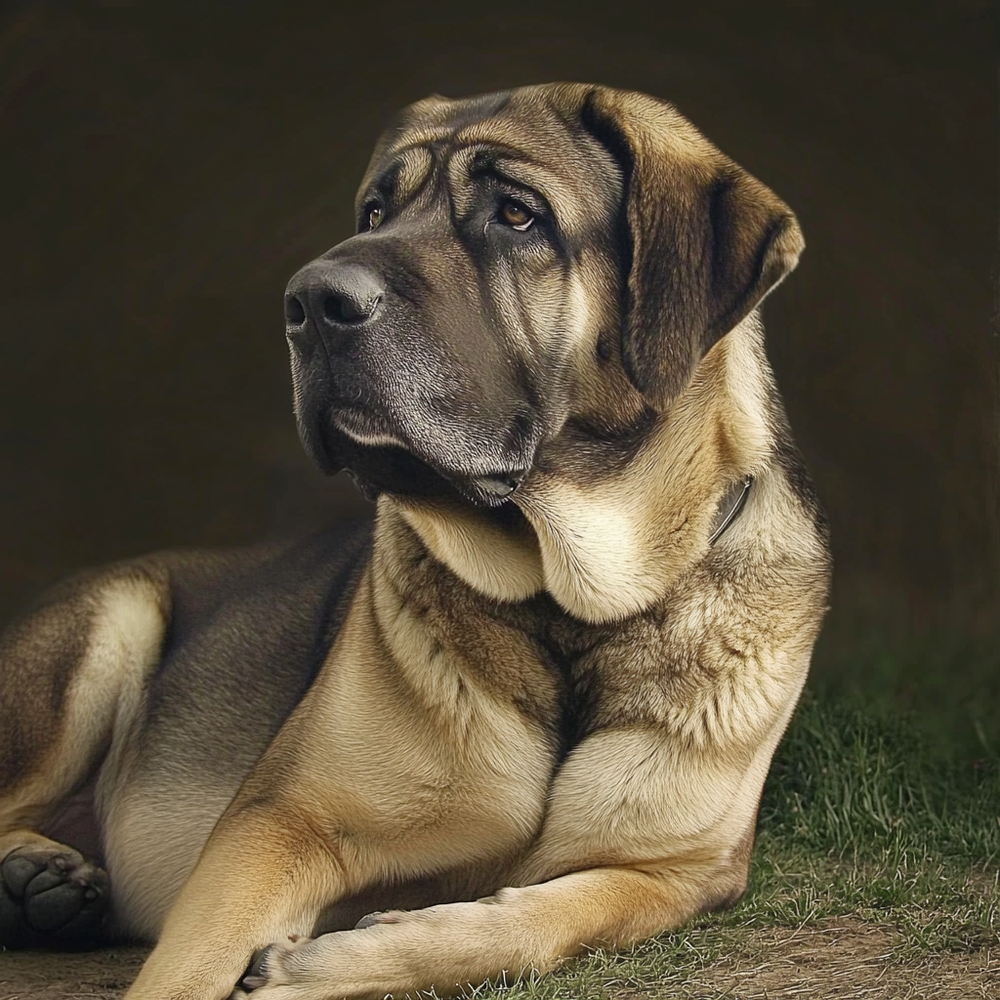
In everyday conversation, “Molossus of Epirus” is usually shorthand for a mastiff-type guardian: big-boned, physically imposing, and steady enough to hold ground when something feels unfamiliar.
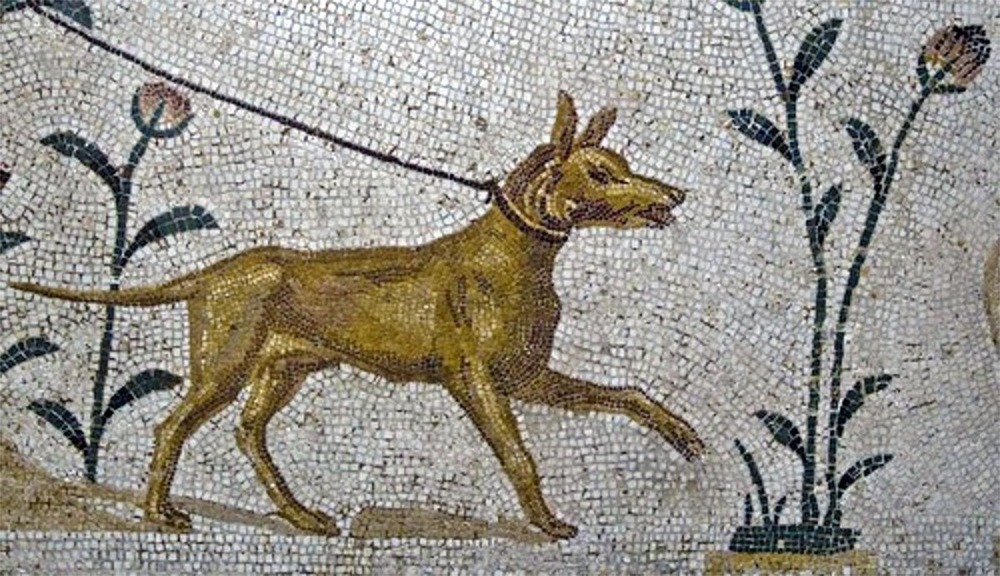
Historically, writers used “Molossian” to describe dogs linked with the Molossians of Epirus, a region that sat between rugged mountains and pastoral life. Those references suggest dogs valued for guarding and presence, and they show up in Roman era art as well.1, 2, 3
It is worth holding two ideas at once:
- There was an ancient Molossian dog type associated with Epirus and described in classical sources.1, 2
- Modern dogs marketed under similar names may be reconstructions, regional lines, or mastiff-type breeds influenced by that story, rather than a single universally recognised “original” breed.
History without the myths

Big guardian dogs have always attracted grand claims. You will often hear that famous commanders kept Molossians, or that they directly founded many modern mastiffs. Some of that may be possible in a broad sense, but much of it is difficult to prove with confidence.
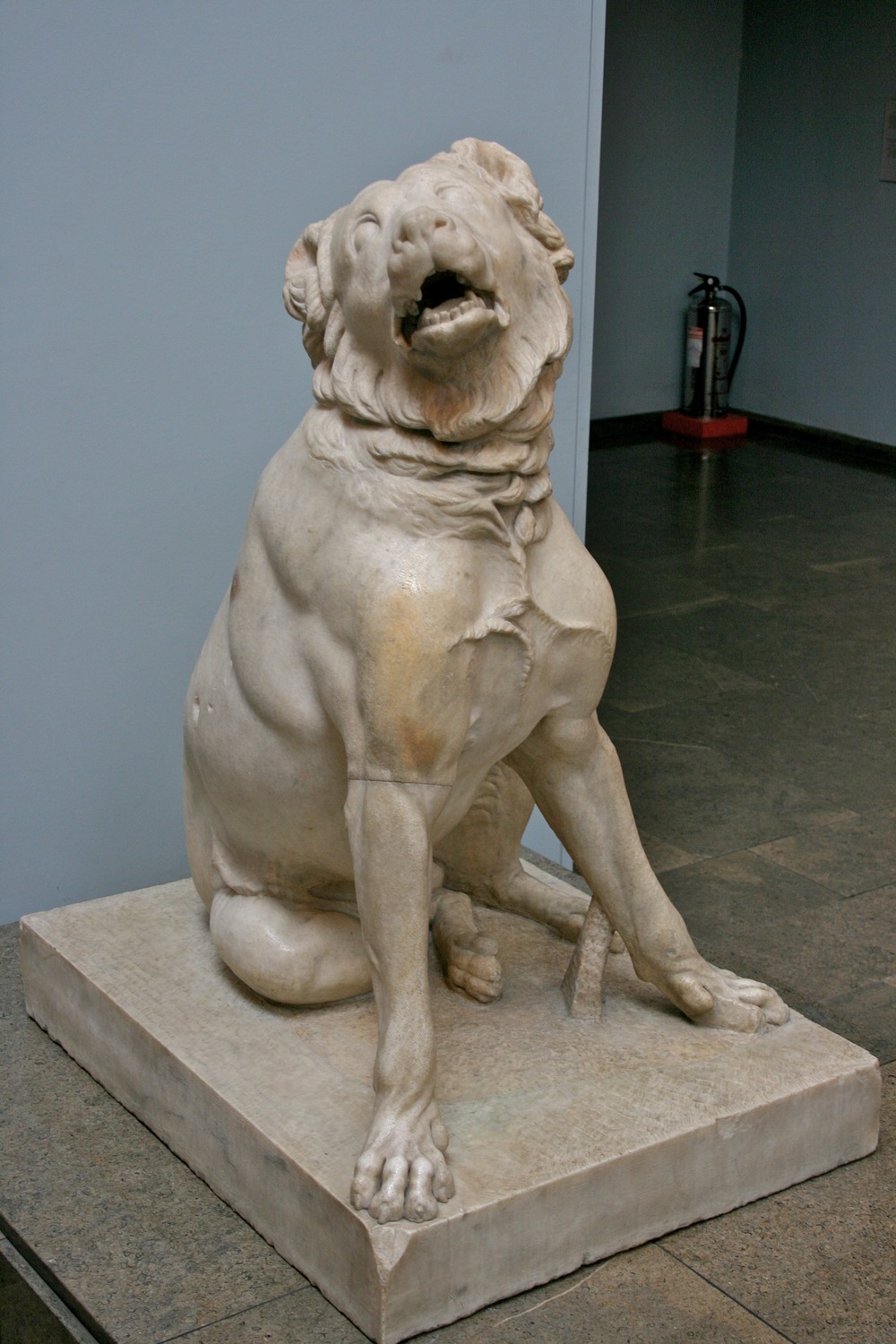
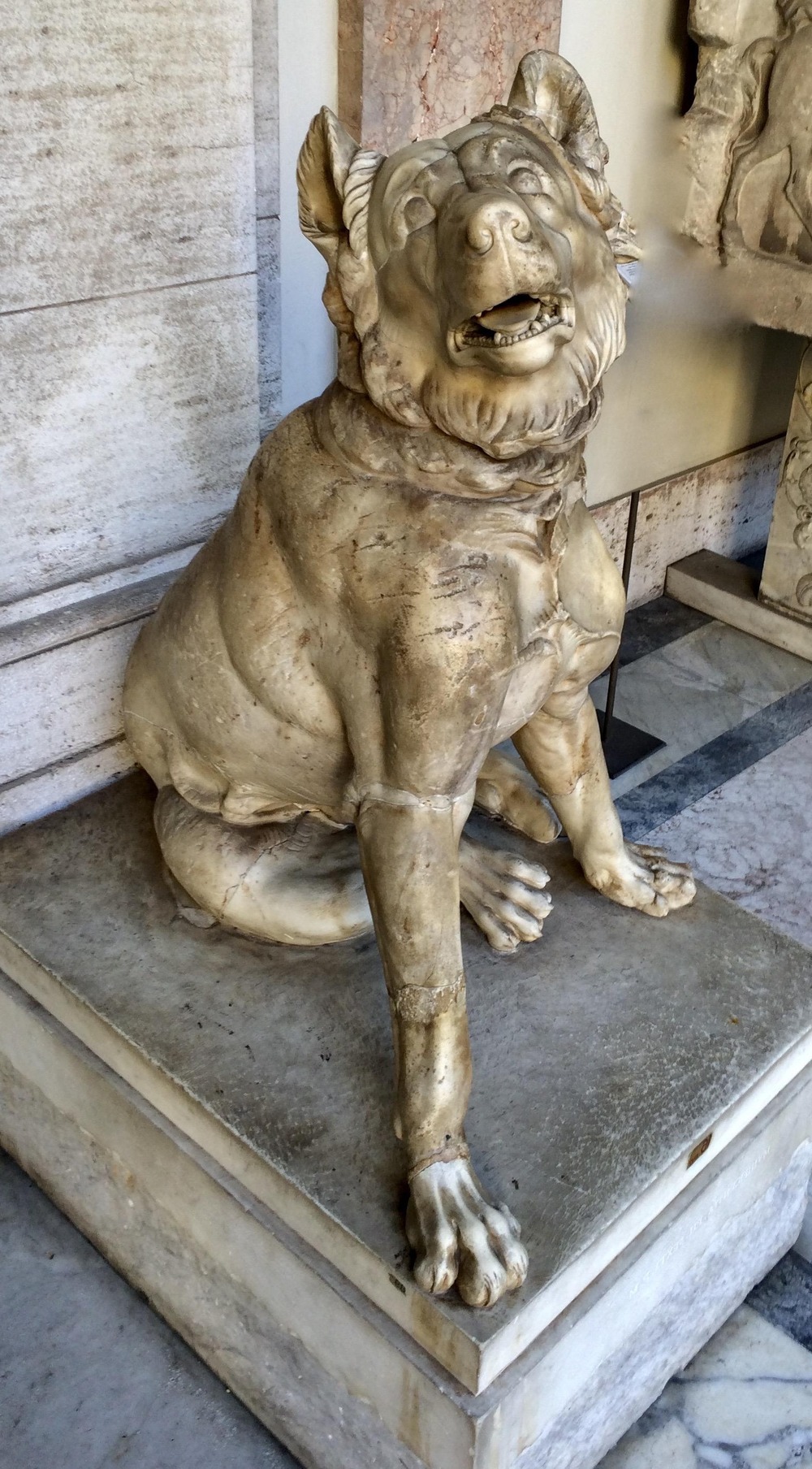
What is easier to support is that “Molossian” dogs were well-known in antiquity, and that Roman sculpture preserved an image of a seated Molossian hound. The British Museum’s “Jennings Dog” is a Roman copy of an earlier original and is explicitly identified as a Molossian dog in the museum catalogue record.3
A grounded way to think about the history is this: people in pastoral and military societies needed dogs that could deter threats, cope with harsh conditions, and work alongside humans for long stretches. The Molossian name became one of the labels attached to that kind of dog.1, 3
Temperament in real homes: loyalty, guarding, and calm
People are often drawn to these dogs for the idea of loyalty and protection. In practice, what you live with is a dog that notices patterns. They may watch visitors closely, respond to movement around fences, and take time to decide that someone is “normal”. That can feel reassuring, but it also means the household needs clear routines and good management.
Many mastiff-type guardians are not constant barkers. Their “guardian” behaviour can be quiet: body-blocking, positioning themselves between you and the door, or escalating from stillness to action quickly if they feel pressured.
It helps to plan for the dog you might get on their toughest day, not their easiest. A protective instinct is not a training trick, and it is not something you can switch on and off. What you can do is shape how the dog copes with normal life: strangers, tradies, kids running, other dogs on lead.
Training and socialisation that actually holds up
With large guardian breeds, early work matters, but so does the tone of that work. You are not trying to “dominate” a dog into compliance. You are building a pattern of behaviour the dog can repeat when they are excited, uncertain, or startled.
RSPCA guidance supports reward-based training and cautions against punitive and aversive methods, which can increase risk and harm welfare.4, 5
Socialisation is often misunderstood as “meet everyone”. In reality it is more about helping a young dog learn that new things predict good outcomes, while also having the option to move away. RSPCA advice emphasises choice, calm introductions, and pairing novelty with rewards.6
If you are raising a dog with guarding tendencies, a few priorities tend to pay off:
- Loose-lead skills before the dog reaches full strength.
- Comfort around handling, vet-style checks, gates, crates, and being calmly put away.
- Neutrality around visitors, meaning the dog can settle on a mat or behind a barrier instead of “helping”.
- Thoughtful exposure to other dogs, without forcing greetings.
Exercise and enrichment: more than just distance
Large, heavy dogs do not always need marathon running, but they do need daily movement and a job. Often the best combination is steady walking, sniffing time, and a little training woven into the day.
Good options for mental work include slow “find it” games in the yard, food puzzles, and short training sessions that practise calm behaviours around everyday triggers. For guardian types, the goal is not to amp them up, but to give them outlets that make relaxation easier.
If your dog is inclined to patrol, consider managing sightlines. A dog that spends hours staring through a fence can get stuck in a loop of arousal, even if they look calm from a distance.
Health considerations in big, deep-chested dogs
Any very large dog comes with predictable pressures: joints, growth, weight management, and the knock-on effects of carrying a heavy frame for years.
Two topics commonly raised with mastiff-type dogs are hip dysplasia and bloat (gastric dilatation-volvulus, or GDV). GDV is a life-threatening emergency seen more often in large, deep-chested dogs, with risk associated with factors like eating quickly, large meals, and exercising soon after eating.7, 8
It is worth knowing the early signs people often miss: repeated unproductive retching, marked restlessness, a tight or distended abdomen, excessive drooling, weakness, and collapse. If you see these signs, treat it as urgent and contact an emergency vet immediately.7, 8
Heat management matters more than many people expect
Large dogs with dense bodies can struggle in heat, even if their coat is short. Hot weather problems also sneak up on people because dogs can look “fine” right up until they are not.
Agriculture Victoria’s hot weather guidance for pets recommends practical steps such as shade, cool water, ventilation, avoiding hot cars, and recognising signs of heat stroke (for example rapid panting, lethargy, drooling, weakness, tremors, collapse). It also advises cooling with cool, not icy, water and seeking veterinary help promptly.9
If you live somewhere with harsh summers, adjust exercise to early mornings and evenings, and treat cooling strategies as part of normal care rather than an emergency-only plan.
Feeding well: look past the ingredient list
Big dogs do best when their body condition stays lean and steady, because every extra kilogram asks more of joints and heart. The challenge is that food marketing can make it feel as if you need a complicated approach.
WSAVA’s Global Nutrition Guidelines note that many owners focus heavily on ingredient lists, but that ingredient lists can be misleading and do not tell you enough about overall diet quality. They provide tools to help owners assess pet foods more sensibly, including what to look for on labels and what questions to ask manufacturers.10
If you are unsure, a straightforward next step is to ask your vet about an appropriate diet for your dog’s age, growth stage, and workload, then monitor body condition over time rather than chasing quick changes.
Final thoughts
The Molossus of Epirus sits somewhere between history and modern imagination. The name carries a lot of weight, but the day-to-day reality is more ordinary and more important: living with a large working dog who needs structure, patient training, and a home that can handle size and strength.
If you love the idea of a calm, watchful guardian, focus less on the label and more on whether you can offer the management and training that makes that temperament safe and sustainable. When those pieces are in place, dogs of this type can be steady companions with a very particular kind of presence.
References
- Wikipedia: Molossian hound
- World History Encyclopedia: Molossian Hound
- British Museum collection record: The Jennings Dog (Molossian dog statue)
- RSPCA Knowledgebase: Training recommendations (reward-based training)
- RSPCA Knowledgebase: What is reward-based dog training?
- RSPCA Knowledgebase: How can I socialise my puppy?
- Cornell University College of Veterinary Medicine: Gastric dilatation-volvulus (bloat) in dogs
- American Animal Hospital Association (AAHA): Understanding canine bloat (GDV)
- Agriculture Victoria: Heat and pets
- WSAVA: Global Nutrition Guidelines