

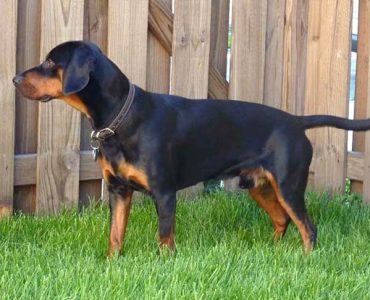
People usually come across the Montenegrin Mountain Hound when they spot a striking black-and-tan hound online and wonder if it is “just another coonhound type”, or when they meet a scent hound who seems friendly at home but becomes single-minded the moment a smell hits the air. It can feel puzzling at first, especially if you are used to breeds that look to their people for direction in every moment.
With this breed, it helps to start from what they were built to do. The Montenegrin Mountain Hound (Crnogorski planinski gonič) is a medium-sized scenthound developed for tracking and hunting in difficult terrain. That background shows up in everyday life as stamina, a powerful nose, and a preference for following information on the ground rather than checking in constantly.
When their needs are understood, these hounds can settle into family life well. When their needs are underestimated, they can become bored, noisy, or hard to manage on lead. The difference is rarely about “good” or “bad” dogs, and more about matching the dog’s instincts to the home they live in.
Quick breed snapshot
Breed group: Scent hound (FCI Group 6).1
Origin: Montenegro, historically used as a hunting hound that works by scent and voice.1, 2
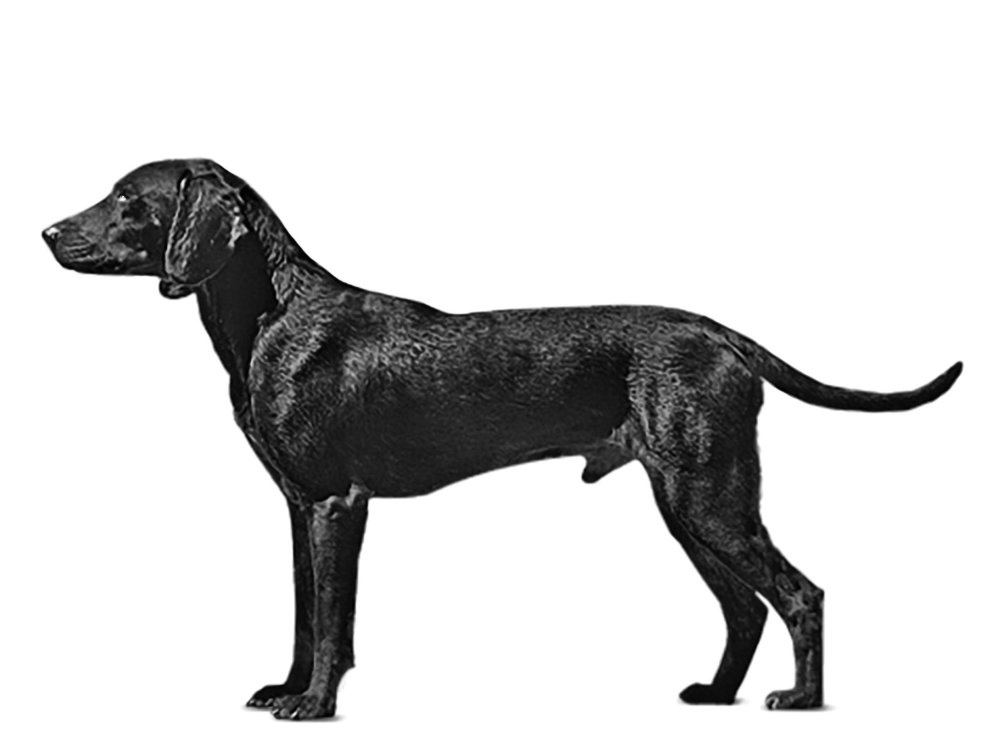
Size: Medium. Adult height is commonly described in the mid 40s to low 50s cm at the withers, with most dogs around the low 20 kg range, depending on sex and build.3
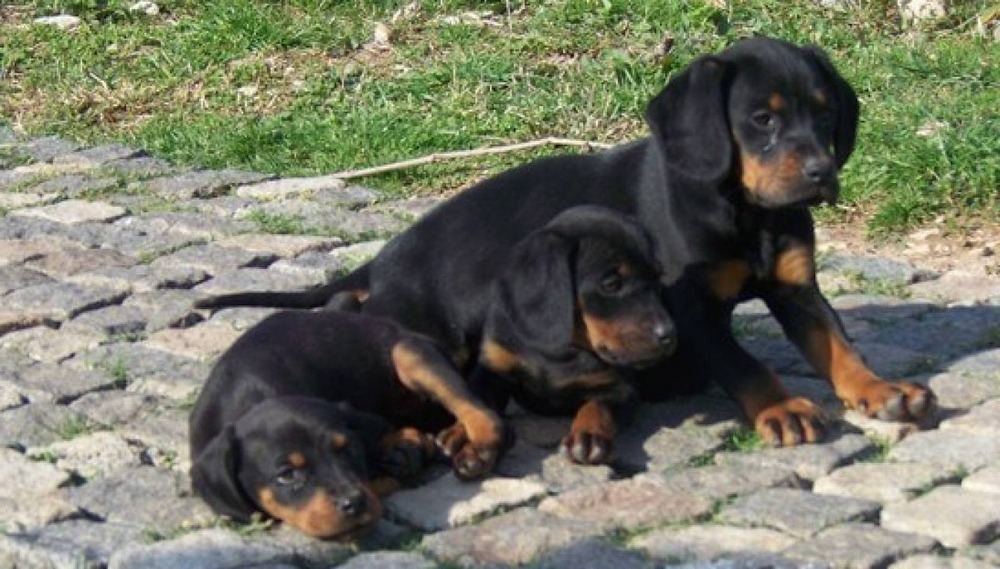
Coat and colour: Short coat, typically black with tan markings.3
Life expectancy: Often cited around 12 to 14 years, with the usual caveat that lifestyle, weight management, and routine veterinary care matter.4
History and what it means in a modern home
The breed is recognised internationally by the Federation Cynologique Internationale (FCI) as the Montenegrin Mountain Hound, Crnogorski planinski gonič, Breed No. 279.1 In FCI records, it was accepted on a definitive basis on 24 June 1969, and the currently published standard dates from December 2014 (published January 2015).1
Older references may mention earlier names connected to the former Yugoslav region, and you will sometimes see discussion of an early standard dating back to 1924. That broader Balkan hound heritage is useful context because it points to a dog shaped by working requirements: cover ground, keep going, follow scent, and communicate during the hunt.2
In day-to-day terms, that history often translates into a dog who enjoys being outdoors, who can become deeply absorbed in smells, and who may not be satisfied with a quick lap around the block. It is not stubbornness in the human sense, it is a brain doing exactly what it was designed to do.
Temperament and social fit
Well-bred, well-socialised hounds are often steady and people-friendly at home, with an alert quality outdoors. Many owners describe a dog that is affectionate with familiar people, and more independent once they are on a scent trail. Both traits can exist comfortably together.
With children, the usual rules apply. Supervision, teaching kids how to interact calmly, and giving the dog a quiet place to rest go further than any blanket statement about a breed being “good with kids”. A scent hound who is allowed to sleep and decompress will generally cope better with family life than one who is constantly interrupted.
With other pets, early exposure matters. These dogs are hunting hounds, so it is sensible to be cautious around small animals and to plan management rather than relying on hope. Think in terms of safe separation when needed, careful introductions, and rehearsing calm behaviour around distractions.
Training: working with the nose, not against it
Montenegrin Mountain Hounds tend to learn well, but they do not always learn in a straight line. If you have owned a more biddable breed, it can be surprising how much environment affects response. Outside, scents can be more rewarding than treats, especially if the dog has not been taught how to switch gears.
Training that respects the breed’s instincts usually goes best:
- Short, consistent sessions that finish before the dog checks out.
- Positive reinforcement, with rewards that compete in the real world (food, play, access to sniffing as a reward).
- Practical lead skills, including a strong recall foundation and a reliable “let’s go” cue, before you expect off-lead freedom.
Many hounds benefit from being allowed to sniff on walks rather than being marched along. Sniffing is not just “a distraction”, it is enriching, and it can reduce frustration when it is built into the routine in a structured way.5
Exercise and enrichment
This is typically a high-energy, high-endurance type of dog. Most will need daily movement plus some form of mental work, especially scent-based activities. If you only meet the physical side, you may still end up with a dog who looks fit but behaves like they have unfinished business.
Good options include:
- Long-line walks where the dog can sniff and explore safely.
- Scent games at home, such as scattered kibble in grass, or hidden treats around the yard.
- Structured play, including fetch if the dog enjoys it, and training games that build focus.
Enrichment is not about constant entertainment. It is about meeting behavioural needs in ways that are safe and do not accidentally create problems, such as overfeeding via puzzle toys or leaving unsafe items unsupervised.5
Health considerations and preventative care
There is no single health profile that fits every line of every rare breed, and published data can be limited. Still, there are a few predictable areas to take seriously.
Hips and joints: Medium, athletic dogs can be affected by developmental joint issues. Keeping your hound lean, building fitness gradually, and discussing screening with your vet (especially if you are buying a puppy) are practical steps that apply across breeds.
Ears: Like many dogs with drop ears, they can be more prone to ear problems because airflow is reduced and moisture can linger. Regular checks help you notice early changes, and cleaning should be done carefully and only as advised by your veterinarian, since over-cleaning or incorrect products can irritate the ear canal.6
If you notice head shaking, scratching, redness, smell, or discharge, it is worth a vet visit sooner rather than later. Chronic ear issues can become painful, and they can also be linked with allergies or underlying skin disease.
Coat care and grooming
The short coat is usually straightforward. An occasional brush to lift loose hair, plus routine care like nail trims and dental hygiene, is often enough. Expect some shedding, especially with seasonal change, but not the kind of coat that mats easily.
A practical routine tends to work best:
- Quick weekly once-over: ears, paws, nails, and skin.
- Brush as needed, more often during heavier shedding.
- Bathe when dirty, using a dog-appropriate shampoo, and dry well afterwards.
Feeding and weight management
For an active scenthound, food is both fuel and a training tool. The tricky part is that hounds are often very food-motivated, so it is easy for “just a few treats” to creep into weight gain over time. Staying lean matters for joint health and long-term comfort.
If you are unsure where to start, veterinary nutrition guidance tends to focus on choosing a diet that is complete and balanced, then tailoring portions to the individual dog using body condition and regular reassessment.7 If you want to feed a non-standard diet (home-prepared, raw, boutique), it is worth involving your vet or a qualified veterinary nutrition professional early, rather than troubleshooting later.
Is this breed right for you?
The Montenegrin Mountain Hound can be a lovely companion in the right setting, especially for people who enjoy the outdoors and appreciate a dog with initiative. They are not always the easiest choice for first-time owners, not because they are “difficult”, but because their needs can be underestimated if you are expecting a dog who naturally stays close and checks in often.
This breed tends to suit homes that can offer:
- Daily exercise and sniff time, not just a quick walk.
- Secure fencing and thoughtful management, especially if wildlife is common nearby.
- Training that builds engagement without punishing normal hound behaviour.
It is also worth thinking about responsible ownership basics such as microchipping (and keeping details current), and discussing desexing timing with your vet based on your dog and circumstances.8, 9
References
- FCI breed information: Montenegrin Mountain Hound (No. 279)
- Kennel Club of Montenegro: Montenegrin Mountain Hound (general description and standard notes)
- Dogs Global: Montenegrin Mountain Hound (FCI standard summary)
- Royal Canin: Crnogorski planinski gonič (breed overview)
- RSPCA Australia: The importance of enrichment for dogs
- Veterinary Partner (VIN): Ear Infections (Otitis Externa) in Dogs
- WSAVA: Global Nutrition Guidelines
- RSPCA Australia: Microchipping
- RSPCA Pet Insurance Australia: When should a dog be desexed?