

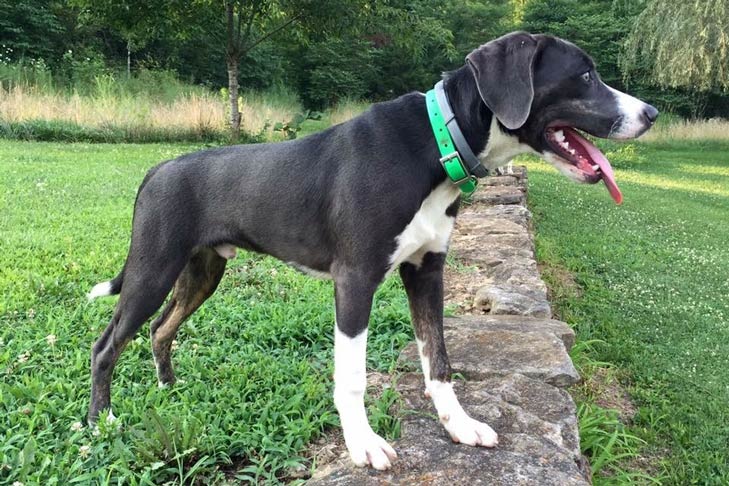
You might come across a Mountain Cur because you have met one that seems to have two speeds, switched off and fully engaged. Or you might have noticed the name in hunting and farm dog circles and wondered whether it is a “proper breed” or more of a type. Either way, the Mountain Cur tends to make an impression: compact, athletic, alert, and built for long days outside.
A common assumption is that “working dog” automatically means relentless energy and hard-to-live-with behaviour. In practice, it is a bit more nuanced. Mountain Curs usually do have a strong drive to move, search, and solve problems, but they also tend to settle better when their day includes purposeful activity, not just a quick lap around the block.
Understanding what shaped the Mountain Cur helps you make sense of the dog in front of you. This is a breed with deep roots in American rural life, where versatility mattered. That history still shows up today in how they learn, what they notice, and what they find rewarding.
History and origin
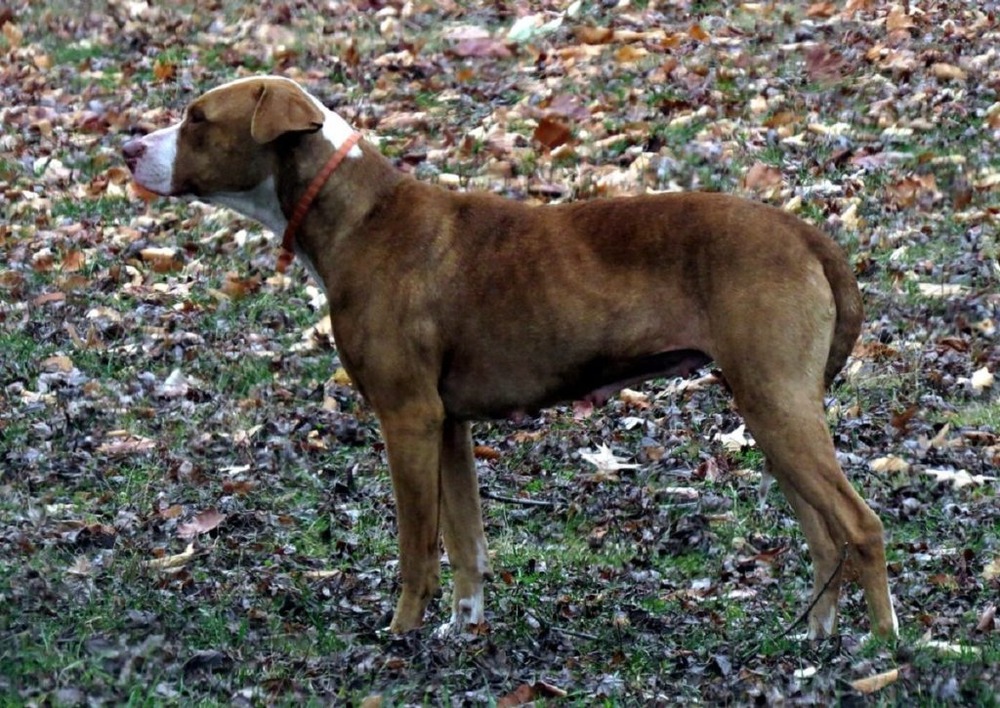
The Mountain Cur developed in the United States as an all-purpose rural working dog, valued for hunting, property protection, and day-to-day farm usefulness. The “cur” label historically referred to practical working dogs rather than a single, tightly standardised breed, which is part of why Mountain Curs can vary a little in look and style compared with some show-focused breeds.1
Within the Mountain Cur world, people often talk about established lines or strains that helped shape the modern dog. The United Kennel Club (UKC) notes several commonly referenced strains, including Stephens, Ledbetter, McConnell, Arline, and York, and describes how organised breed clubs helped pull together “original-type” dogs into registries over time.1
For owners, the important point is practical: the Mountain Cur was selected for work that required initiative and stamina. That background often translates into a dog that is quick to learn and keen to engage, but not always satisfied with a purely decorative lifestyle.
Physical characteristics
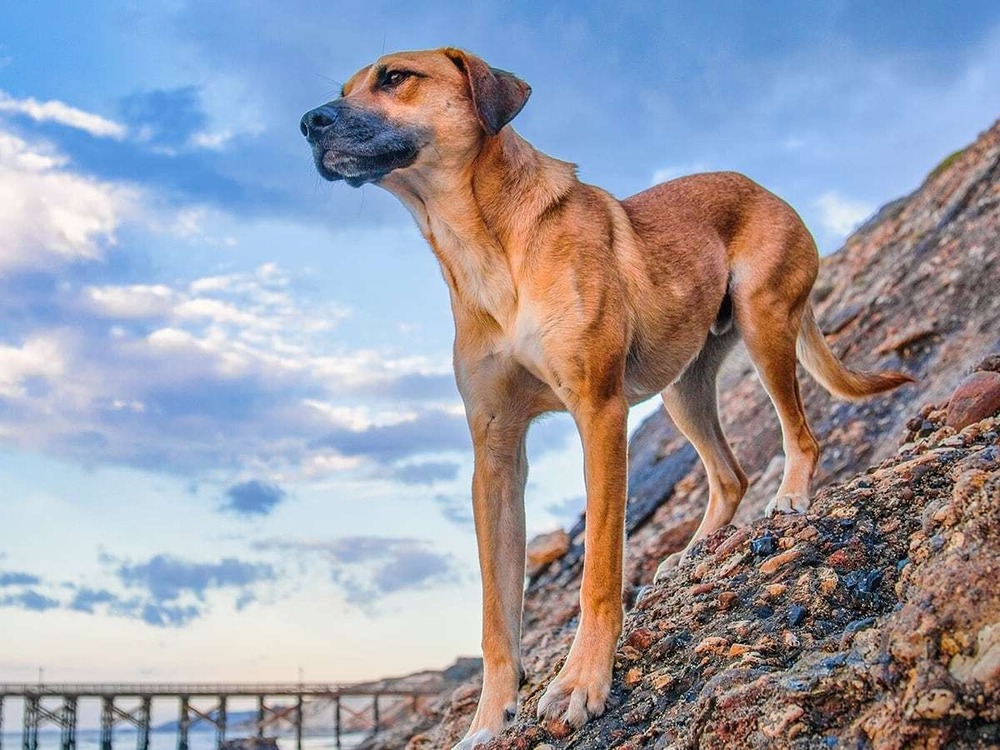
Mountain Curs are medium-sized, muscular dogs built for agility and endurance. UKC breed information describes mature males as typically 18 to 26 inches (about 46 to 66 cm) at the shoulder, and females 16 to 24 inches (about 41 to 61 cm). Weight is described as proportionate to height, with dogs presented in hard, working condition.1
Coats are generally short and practical. Colours can include black, brindle, brown, red, yellow, and related shades, with white markings permitted within limits under the UKC standard.1
When you are assessing a Mountain Cur, look less at “perfect” markings and more at sound movement and fitness. They were bred to cover ground efficiently, so conditioning and healthy joints matter more than cosmetic details.
Temperament and behaviour
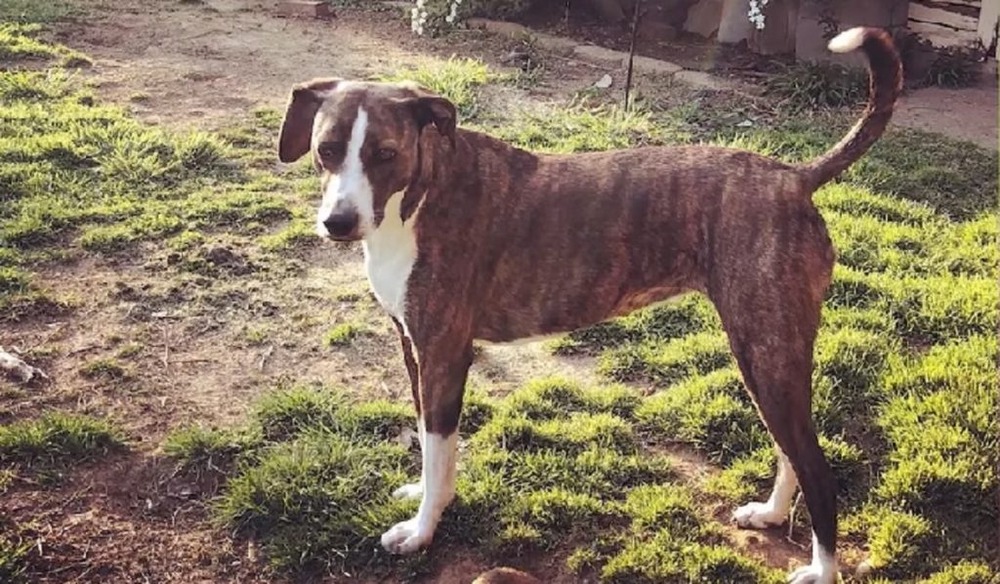
Mountain Curs are typically described as driven, alert, and people-oriented in a working-dog way. Many are very responsive to their household, but they can also be independent problem-solvers, which makes sense for a dog expected to work at a distance during hunting or farm tasks.1
With children, the picture is similar to many energetic working breeds. A well-socialised, well-managed Mountain Cur can do well in a family, especially where adults guide interactions and the dog’s daily needs are met. The breed’s protective tendencies and intensity mean it is worth prioritising calm introductions, boundaries, and supervision, particularly around visiting kids or high-energy play.
With other animals, expect variation. Some Mountain Curs live peacefully with other dogs and even cats, but the breed’s hunting heritage can show up as chasing or intense interest in small pets. Early socialisation helps, but so does honest management: secure fencing, structured routines, and not putting the dog in situations where instinct is likely to win.
Training and exercise needs
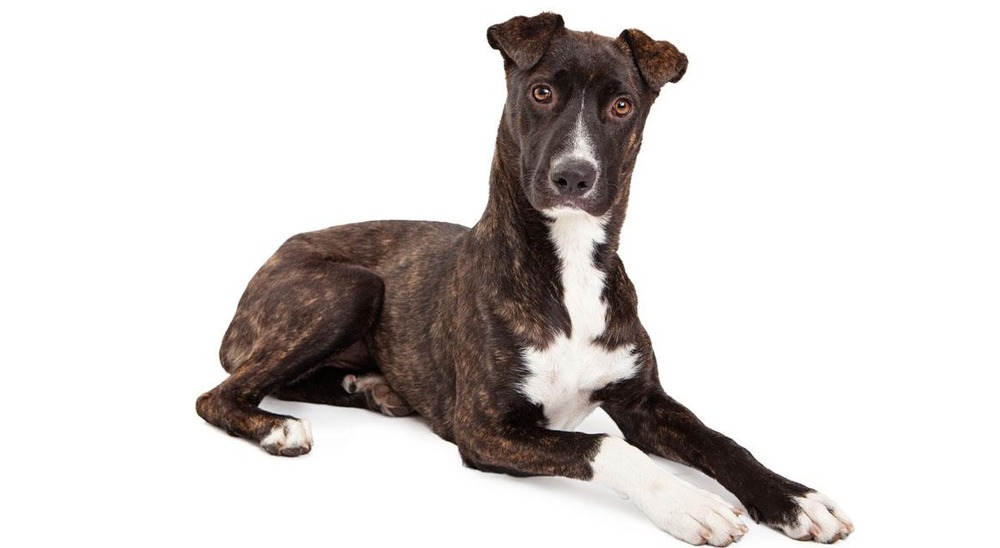
If there is one theme with Mountain Curs, it is that they tend to thrive on clear work and clear feedback. Early training and socialisation matter, not because the breed is “bad” without it, but because a smart, energetic dog will practise whatever works. If pulling gets them to the interesting smell faster, they will pull. If barking makes something happen, they will bark.
Reward-based training is usually the most effective approach, with consistency and enough repetition to make good choices feel automatic. Many Mountain Curs enjoy training that looks like a job: tracking games, scent work, retrieving to hand, obstacle courses, and controlled off-lead time in safe areas. Those activities do more than tire the body, they satisfy the brain.
For daily exercise, aim beyond a simple stroll. A Mountain Cur often needs a mix of:
- steady aerobic movement (brisk walking, running with a fit adult dog, hiking)
- problem-solving (scent trails, hide-and-seek toys, structured searches)
- skills practice (short training sessions that build calm focus)
If you live in a smaller space, you are not automatically disqualified, but the margin for error is smaller. Without enough meaningful outlets, high-drive dogs can rehearse nuisance behaviours, even in homes full of affection.
Health and lifespan
Most breed profiles describe Mountain Curs as generally robust, often living into their early to mid teens, with many sources placing typical lifespan around 12 to 16 years.2, 3
Like many active, medium-to-large dogs, they can be affected by joint problems such as hip dysplasia. Hip dysplasia is a condition where the ball-and-socket hip joint does not form or fit properly, which can lead to wear, pain, and arthritis over time.4
Ear issues are also worth taking seriously, especially in dogs with drop ears that can reduce airflow. “Ear infection” is a broad term, but otitis externa (inflammation of the ear canal) is common in dogs, and underlying triggers can include allergies, foreign material, mites, and other factors. Persistent cases need veterinary assessment, not just repeated cleaning at home.5
Practical preventative care tends to be straightforward:
- Keep your dog lean and well-muscled, excess weight increases joint load.4
- Discuss joint screening with your vet, particularly if you plan to do strenuous sport or work.
- Check ears regularly, and address recurring redness, odour, discharge, or head-shaking early.5
- Build fitness gradually, avoid sudden spikes in intensity that can stress joints and soft tissue.
Grooming and maintenance
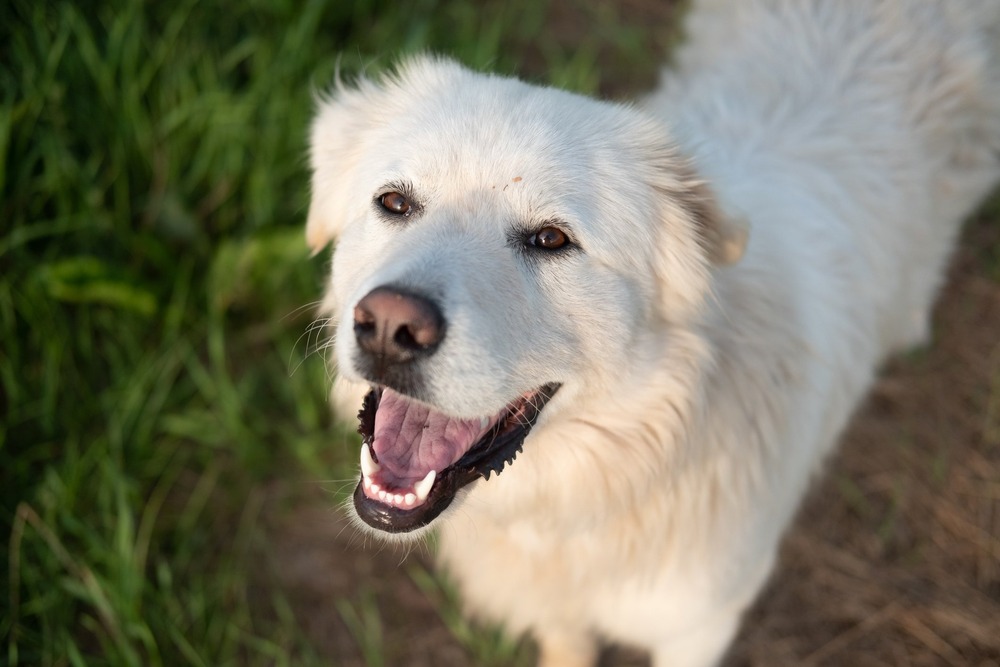
The Mountain Cur coat is usually low-fuss. A weekly brush is often enough to lift dirt and loose hair, and it gives you a chance to check for ticks, grass seeds, or minor skin issues after time outside.
Bathing can be occasional, depending on lifestyle. Focus more on the basics that affect comfort and health: nails kept short enough for good traction, teeth maintained (even a few times a week helps), and ears checked and cleaned only as advised by your vet.
In practical terms, the “maintenance” part of owning a Mountain Cur is less about grooming tools and more about daily management of energy. A well-exercised Cur often looks easier to live with because their body and brain have been used appropriately.
Diet and nutrition
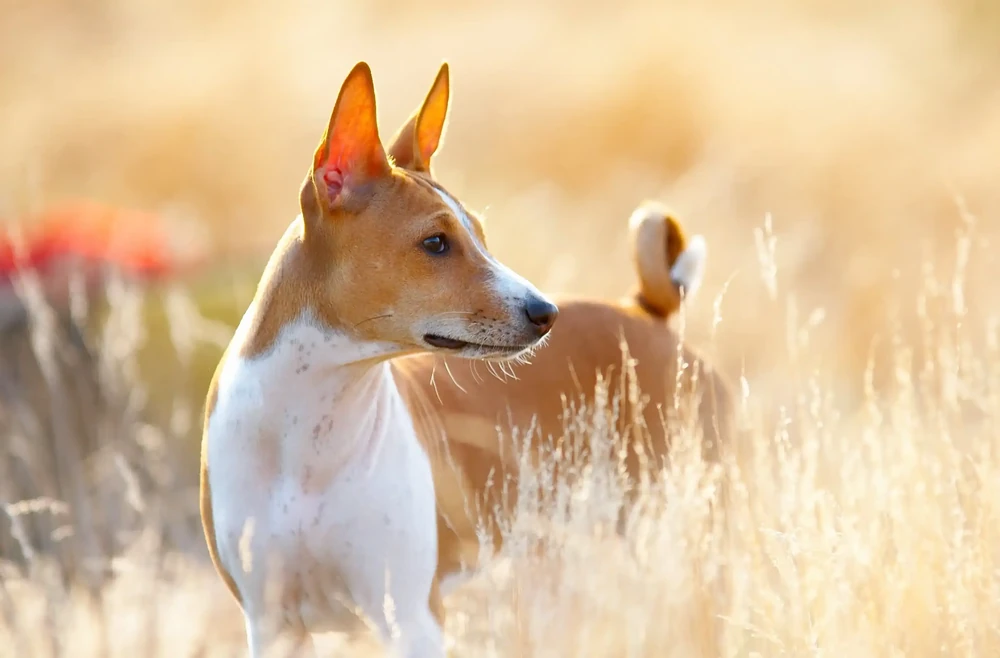
Mountain Curs tend to do best on a high-quality, complete diet that matches their activity level and life stage. Because many are naturally athletic, it can be tempting to “feed for work” even when the dog is not doing long hours of activity. The better guide is body condition: you want a visible waist and easily felt ribs under a light layer of tissue, not padding.
If you are using breed weight ranges as a rough guide, AKC nutrition resources list Mountain Curs at around 30 to 60 pounds (about 14 to 27 kg), which aligns with the “medium, working condition” idea rather than a single fixed number.2
If your dog is very active, check in with your vet about calorie needs and joint support, especially if you are doing sustained running, hunting, or high-impact sport. And as always, make changes gradually to reduce stomach upsets.
Fun notes and common misconceptions
The Mountain Cur is sometimes linked in popular conversation to “Old Yeller”. The original novel describes Old Yeller as a “yellow cur”, which is more of a working-dog description than a clear breed label. Claims about exactly which modern breed inspired the character vary, so it is better to treat the connection as cultural shorthand rather than a confirmed breed fact.6
A more useful bit of trivia is that many Mountain Curs are valued for “treeing”, which is the ability to pursue game and then indicate its location in a tree. If you see a pet Mountain Cur staring up a tree trunk, nose working, that behaviour is not random. It is a window into what the dog was designed to do.3
Final thoughts
The Mountain Cur can be a deeply rewarding dog for the right household: people who like being outdoors, who enjoy training as a relationship rather than a chore, and who are comfortable living with a dog that notices everything. They are rarely a “set and forget” breed, but they are often a capable, practical companion when their needs are taken seriously.
If you are considering one, spend time with adult dogs if you can, and talk to breeders or rescue groups about the lines they work with and the kind of homes those dogs typically suit. Matching the dog’s drive to your real daily routine is where long-term success usually starts.
References
- United Kennel Club (UKC): Breed Standards and history notes for Mountain Cur
- American Kennel Club (AKC): Breed weight chart
- Wikipedia: Mountain Cur (overview and general background)
- American Kennel Club (AKC): Hip dysplasia in dogs (signs and management overview)
- American College of Veterinary Surgeons (ACVS): Otitis externa in dogs
- Wikipedia: Old Yeller (breed description and adaptation notes)
- National Kennel Club: Mountain Cur (breed description and traits)
- Original Mountain Cur Breeders Association (OMCBA): Organisation information
- Continental Kennel Club: Mountain Cur breed information