

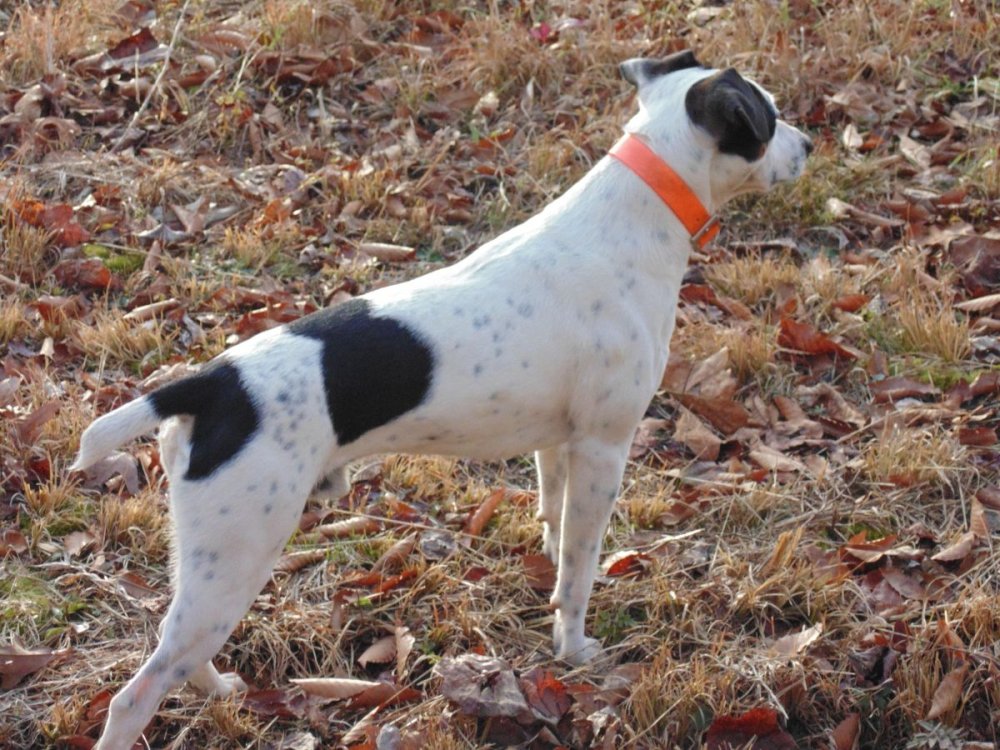
- Breed category: Hunting and companion dog
- Country of origin: United States
- Typical height: 30 to 46 cm (12 to 18 inches)1
- Typical weight: about 5.5 to 13.6 kg (12 to 30 pounds), working condition varies by build1
- Average lifespan: often 12 to 15 years (varies by individual)
- Coat type: Short, dense, smooth1
- Coat colours: Any colour or combination of colours1
- Shedding: Moderate
- Exercise needs: High, daily physical and mental work suits them best
- Temperament (general): Energetic, alert, people-oriented with thoughtful training
- Barking tendency: Can be vocal, context matters
- Best suited for: Active households, scent and search games, people who enjoy training
People often stumble across the Mountain Feist because they have met one that seems to be made of springs. A small dog that can hike all day, watch the world closely, then still want a game in the backyard. It can be surprising, especially if you have only ever known “small dog energy” as something busy indoors rather than genuinely athletic outdoors.
It is also easy to assume a dog this compact will be uncomplicated in an urban routine. In practice, many Feists cope well with home life when their day includes enough movement, sniffing, and problem-solving, but they can become noisy or restless when they are under-stimulated. They tend to do best with people who notice patterns early and build a routine that suits a working-minded dog.
The Mountain Feist sits in that interesting space between a capable hunting partner and a companion who wants to be involved in everything. Understanding where they came from helps make sense of what they need now, and why they can be such a good fit for the right household.
Where the Mountain Feist comes from
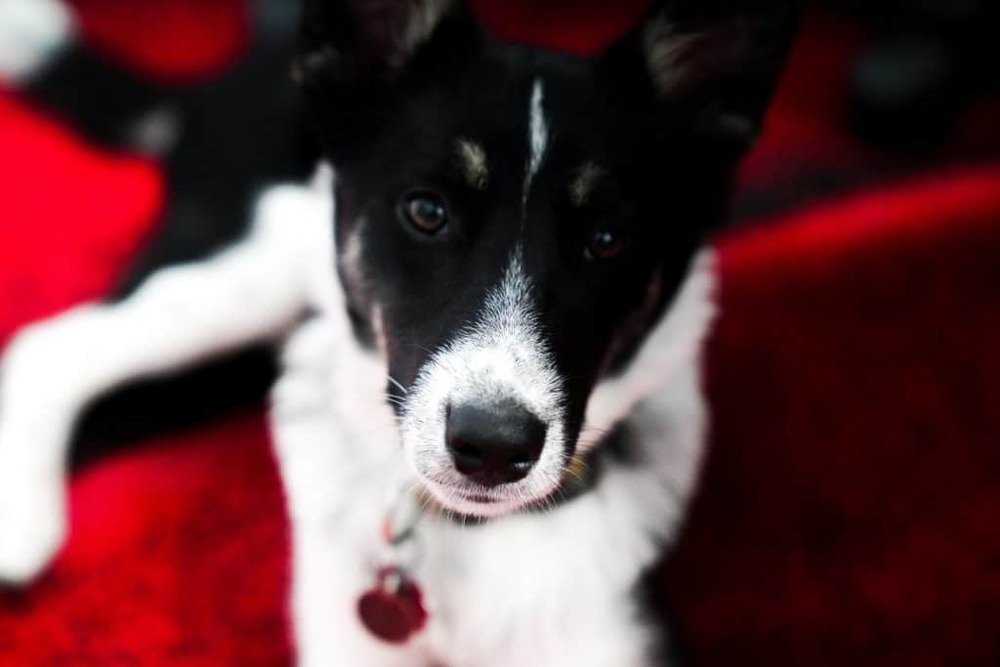
Mountain Feists are closely associated with squirrel hunting and “treeing”, which is the behaviour of locating small game and keeping it in a tree while the handler catches up. The UKC breed standard describes them as highly alert dogs that hunt using sight, sound, and scent, with a short, smooth coat and a compact, agile build designed for rough terrain.1, 2
In the United States, “feist” has been used as a general term for small, tough hunting dogs for a long time. That history can make the names confusing, because different registries and communities have used different labels. A helpful way to think about it is this: the Mountain Feist is one recognised breed standard within a wider feist tradition, and individual lines can still vary in look and working style.1, 2
Practical takeaway: if you are meeting “Mountain Feists” in rescue or through local breeders, ask about the dog’s day-to-day temperament and working drive, not just the label.
Temperament, instincts, and what that looks like at home

Many Mountain Feists are bright, quick to learn, and keen to move. Their hunting background often shows up as strong interest in motion, a desire to chase, and a habit of scanning trees and fence lines. None of this makes them “difficult” by default, but it does mean they usually need more than a slow lap around the block.
In family life, they often do well when boundaries are clear and rewards are consistent. They tend to enjoy being close to their people, and they commonly thrive with training that feels like a shared project rather than a set of rules being imposed on them.
Often a good match: households that enjoy daily walks, weekend adventures, and short training sessions that turn into a game.
Can be a harder match: homes where the dog is expected to “self-entertain” for long stretches, or where small pets cannot be separated and managed carefully.
Training and socialisation that suits a Feist
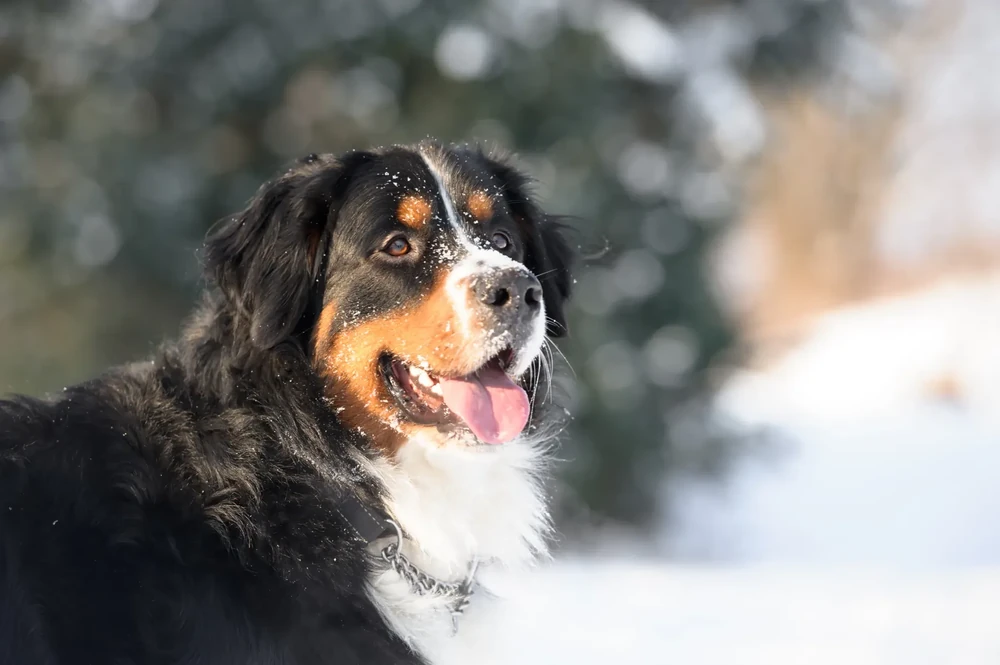
With Feist-type dogs, early learning matters less because they are “naughty”, and more because they are observant. They notice what works, what gets attention, and what leads to exciting outcomes. Reward-based training fits this style well, because it channels their problem-solving into behaviours you actually want to live with.3
Socialisation is often misunderstood as “meet lots of dogs”. In reality, it is about building positive, safe experiences with the world, including surfaces, sounds, handling, visitors, and calm exposure to other animals. The RSPCA describes a critical socialisation window in early puppyhood (around 4 to 16 weeks), where gentle, positive experiences can have long-lasting effects on adult behaviour.3, 4
If you are raising a puppy, aim for short, frequent exposures rather than big, overwhelming outings. If you are adopting an adult, think in terms of steady confidence-building over weeks and months, not quick fixes.
- Keep sessions short: a few minutes, several times a day, often beats one long session.
- Teach a recall early: start indoors, then fenced areas, then gradually add real-world distractions.
- Use their instincts: scatter feeding, sniff walks, and simple “find it” games can reduce restlessness.
Exercise and enrichment, beyond just “more running”
These dogs are built for bursts of speed and sustained activity, but they also need to use their nose and brain. A Mountain Feist that only gets physical exercise can still look unsettled, because the day has not offered any real “work”.
Helpful options tend to be simple and low-cost:
- Sniff-heavy walks where the dog can explore (on lead if needed).
- Food puzzles and easy scent games at home.
- Short training blocks sprinkled through the day.
- Safe chasing outlets, such as a flirt pole in a controlled space, if your dog stays sensible and you keep sessions brief.
If you live in a smaller home or unit, that does not automatically rule out a Feist, but it does mean the daily routine has to be deliberate. The dog cannot “make up for it” with a quick backyard dash if there is no backyard.
Health, weight, and common-sense preventative care
Mountain Feists are often described as generally robust, but any individual dog can develop issues. Joint concerns can show up in active dogs of many types, and hip dysplasia, while more common in larger breeds, can still affect smaller dogs. It is a developmental condition linked to joint laxity and later osteoarthritis, and management often includes weight control, appropriate exercise, and veterinary guidance.5, 6
One of the most useful “health tools” is simply keeping your dog lean. The WSAVA nutrition guidelines emphasise routine nutrition assessment, including body condition scoring, as part of ongoing care.7
Worth doing regularly: dental care, parasite prevention suited to your area, and a vet check when your dog’s movement, stamina, or comfort changes.
Coat care, handling, and the tail docking question
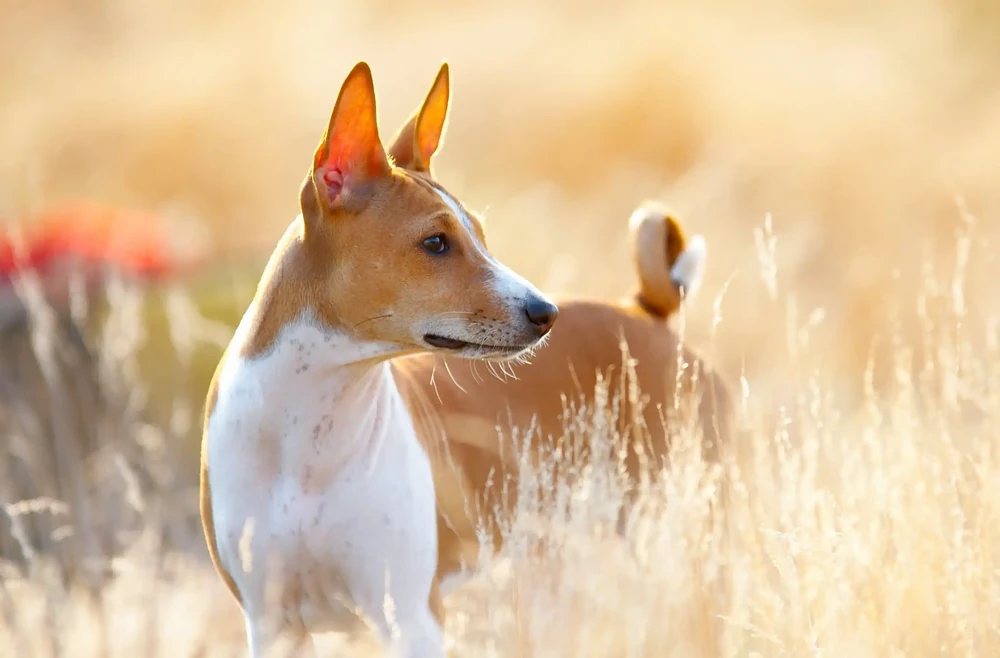
The Mountain Feist coat is short and smooth, which usually means grooming is straightforward. A weekly brush is often enough to remove loose hair and keep the coat glossy, with more brushing during seasonal shedding. Regular nail trims matter in athletic little dogs, because long nails can change gait and reduce grip.
Some Mountain Feists are seen with short tails, and overseas you may still hear tail docking spoken about casually. In Australia, tail docking is generally prohibited except for genuine veterinary reasons, and it has been an offence in NSW since 1 June 2004. Queensland similarly prohibits docking except where a veterinary surgeon reasonably believes it is in the dog’s welfare interests.8, 9
If you are choosing a puppy, it is reasonable to ask direct questions about tail length, breeding decisions, and veterinary paperwork. Good breeders welcome clarity and should be comfortable explaining what they do and why.
Living with a Mountain Feist, the honest version
The best Mountain Feist homes tend to be the ones where the dog gets to be useful in small, everyday ways. Carrying a toy on a walk, learning a new cue, searching for a treat in the grass, joining the kids for a quick training game, or coming along for a weekend hike.
They are not a breed you “own” at arm’s length. When people struggle, it is often because the dog has plenty of affection but not enough structure, or plenty of activity but not enough calm, safe learning. If you can offer both, they can be wonderfully engaging companions.
If you are unsure: look for a trainer who uses reward-based methods, and ask for a plan that includes exercise, enrichment, and household routines, not just “obedience”.3
References
- United Kennel Club (UKC): Breed Standards, Mountain Feist
- United Kennel Club (UKC): Mountain Feist Breed Standard (PDF)
- RSPCA Australia: Socialising your puppy
- RSPCA Knowledgebase: Is socialising my puppy important?
- Merck Veterinary Manual (Pet Owner Version): Hip Dysplasia
- Merck Veterinary Manual (Professional Version): Hip Dysplasia in Dogs
- WSAVA: Global Nutrition Guidelines
- NSW Department of Primary Industries: Tail docking of dogs in NSW
- Business Queensland: Queensland’s ban on docking dogs’ tails