

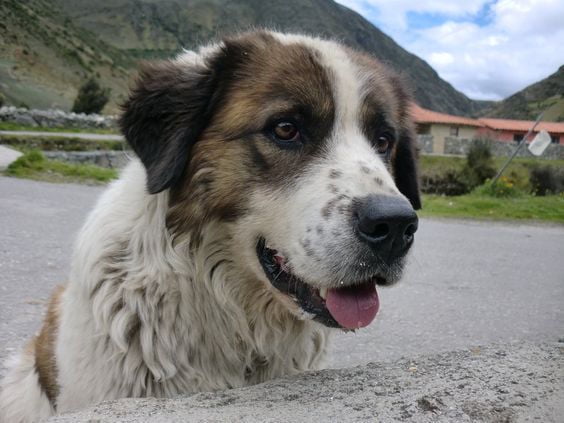
Most people first hear about the Mucuchies when they see a photo of a big, white mountain dog labelled “Venezuela’s national dog”, or when they stumble across the story of Simón Bolívar and his famous dog, Nevado. The name can sound like a place rather than a breed, and that is because it is, Mucuchíes is a town high in the Venezuelan Andes.
It is tempting to file the Mucuchies away as “just another fluffy guardian type”. But the details matter in day to day life. A dog bred to think independently, cope with cold mountain weather, and take responsibility for livestock does not automatically slot into suburban routines without some careful handling.
If you are considering one, or simply trying to understand what sits behind the legend, it helps to look at the Mucuchies as a working animal first, then as a companion. That lens makes their strengths, and their challenges, much easier to live with.
At a glance: the Mucuchies in everyday terms
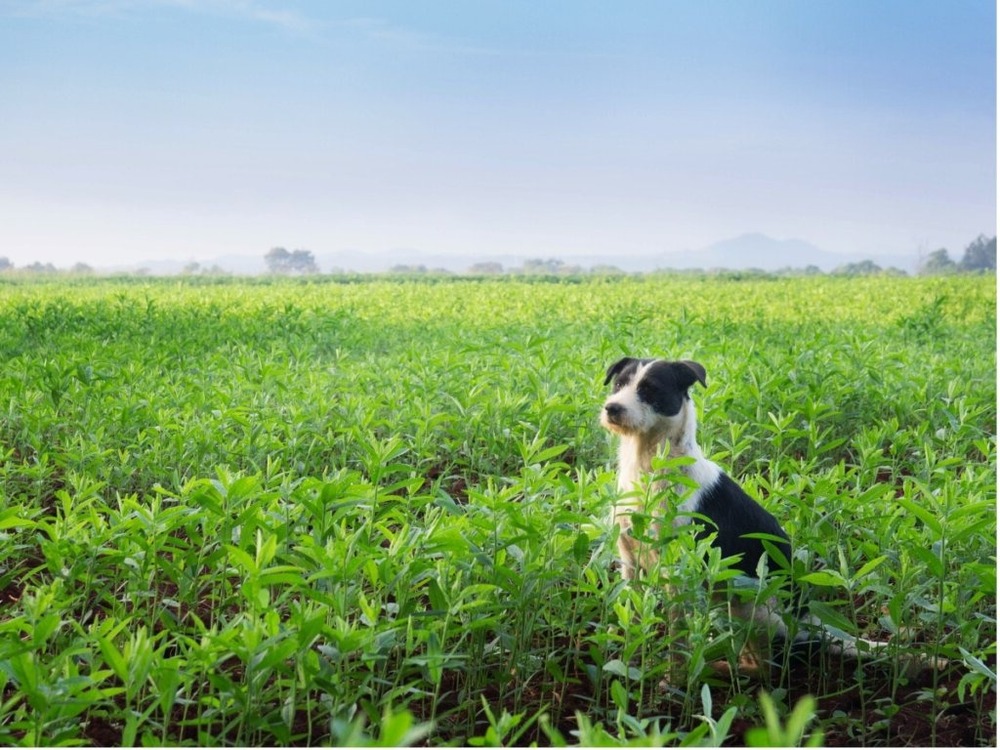
Breed type: livestock guardian and working dog, traditionally from the Venezuelan Andes.1
- Size: medium to large. Commonly reported around 56 to 71 cm at the shoulder and roughly 30 to 50 kg, with males often larger than females (figures vary by source and type).1
- Coat: typically white, often with markings, and described as dense or weather resistant, with noticeable feathering in many dogs.1
- Energy: generally high for a large dog, with a need for daily movement plus mental work, not just a quick stroll.
- Recognition: not currently listed as an FCI recognised breed (either definitive or provisional) on the FCI nomenclature lists, and in Venezuela, the Federación Canina de Venezuela has run a formal evaluation and initial registration pathway for Mucuchíes dogs (announced in 2021).2, 3
History and origin
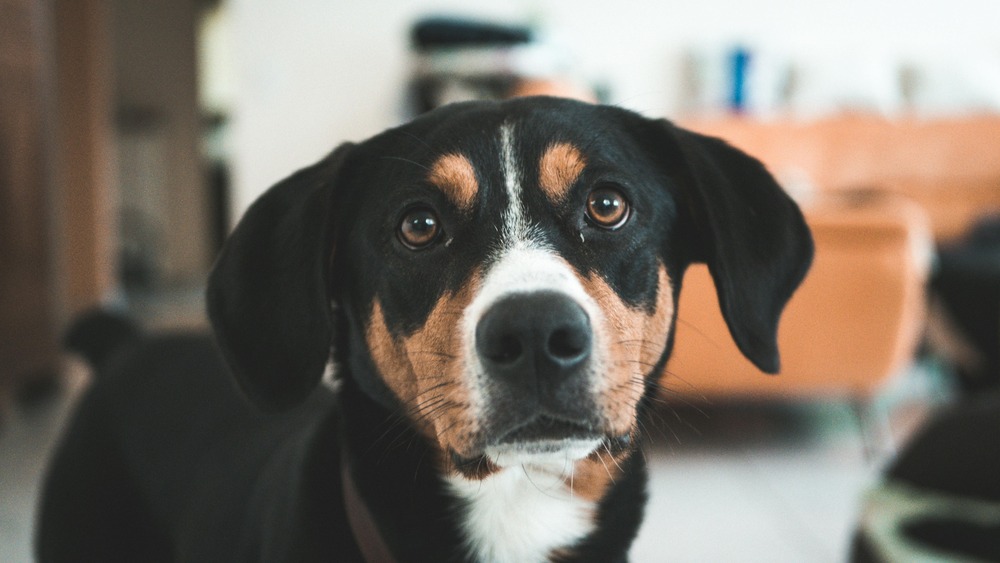
The Mucuchies is closely tied to the high Andes region of Venezuela. Most accounts describe the breed as developing from large European guardian or mastiff type dogs brought during the Spanish colonial period, then shaped over time by geography and work, namely guarding livestock in cold, rugged country.1
One reason the breed persists in public memory is the story of Nevado, a Mucuchies said to have been given to Simón Bolívar around 1813, and later killed at the Battle of Carabobo on 24 June 1821.4 Like many national dog stories, there is a mixture of documented history and retelling, but the association is strong enough that monuments and local pride continue to orbit around it.
The Mucuchies has also been formally celebrated in Venezuela as a national symbol. Several sources describe the breed being declared Venezuela’s national dog in 1964, reflecting its cultural weight beyond the farm gate.5
Physical characteristics that affect care
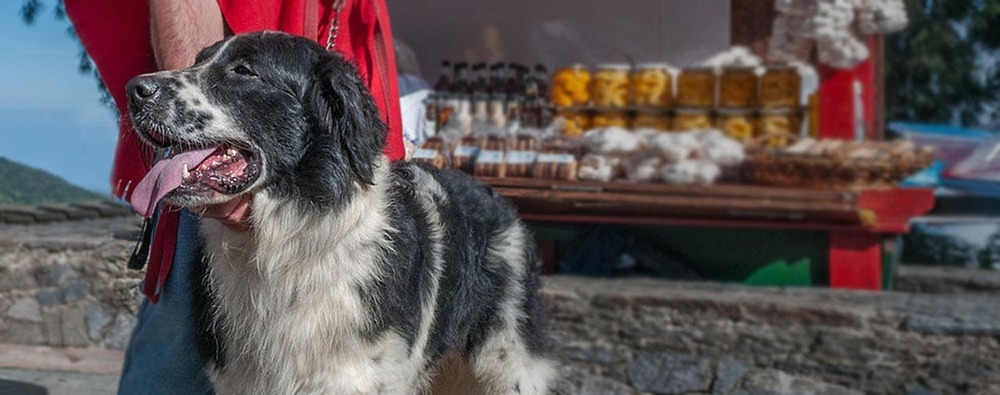
In person, the Mucuchies tends to read as a solid, athletic mountain guardian, not a delicate show dog. They are commonly described as white, sometimes with darker patches, and built to move across uneven ground with purpose rather than speed.
The coat is one of the first practical considerations. A thick, weather resistant coat makes sense in cold uplands, but in warmer, more humid climates it can increase the risk of heat stress if exercise and housing are not adjusted. It is less about the dog “coping” and more about owners learning to manage timing, shade, airflow, and workload with care.6
Size also matters for health management. Larger dogs are statistically more prone to joint problems such as hip dysplasia, and while you cannot diagnose any individual dog by breed label alone, it is sensible to plan for steady growth, lean body condition, and early veterinary advice if your dog shows stiffness or reluctance to jump or rise.7
Temperament and behaviour
Mucuchies dogs are commonly described as loyal, intelligent, and protective. In practice, that often looks like a dog who watches first, decides second, and does not automatically treat every new person as a friend. That is not “bad temperament”, it is a guardian tendency expressed in a modern setting.
With their own people, many owners report a steady, devoted companion. With visitors, the aim is not to force sociability, but to shape calm, predictable behaviour. Clear routines and controlled introductions go a long way with dogs that have been selected to make judgement calls.
With children and other pets, the usual guardian dog rule applies: individual dogs vary, and early experience matters. A well socialised Mucuchies can live nicely in a family, but supervision, management, and teaching children appropriate dog handling remain essential, especially with a large dog that can unintentionally knock someone over.
Training and exercise needs
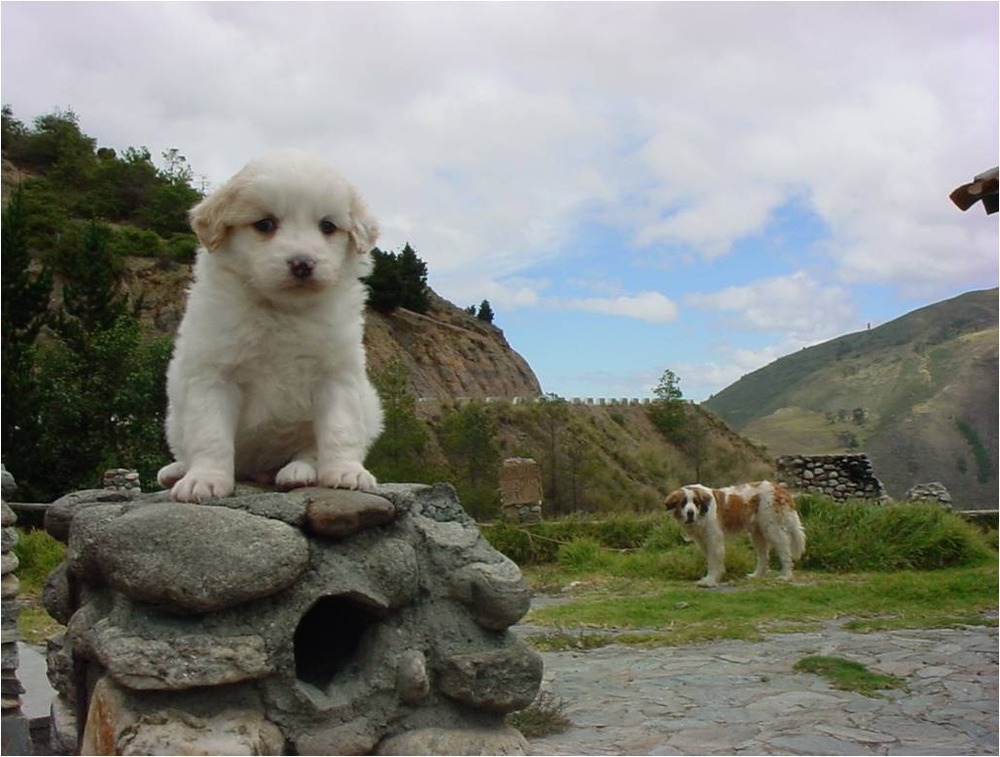
Training a livestock guardian type is often less about drilling obedience and more about building cooperation. These dogs can learn quickly, but they may also weigh up whether a cue makes sense. That is normal for breeds developed to work at a distance from humans.
Early socialisation helps them interpret the modern world without defaulting to suspicion. Think less “meet everyone” and more “learn that new things can be calm and safe”. Short exposures, predictable setups, and plenty of reinforcement for settling are usually more effective than overwhelming encounters.
For exercise, most adult dogs will need a meaningful daily outlet. A good pattern is a mix of walking, sniffing, basic training, and something that feels like a job, such as carrying a well fitted pack (introduced gradually), searching games, or boundary routines in a secure yard. In hot weather, adjust timing and intensity, and watch for early signs of overheating, such as heavy panting, weakness, vomiting, or collapse, which warrant immediate cooling and urgent veterinary attention.6
Health considerations and lifespan
Lifespan is often reported in the 10 to 14 year range, which is broadly consistent with many medium to large dogs, but real outcomes depend heavily on breeding, body condition, workload, and access to veterinary care.
Hip dysplasia is frequently mentioned in breed summaries, and while that does not mean every Mucuchies will be affected, it is a sensible risk to plan around. Keep your dog lean, avoid forced running on hard surfaces during growth, and speak with your vet about when imaging or specialist assessment is appropriate, especially if you see lameness, reluctance to move, or stiffness after rest.7
Eye issues are also sometimes listed in general descriptions. The practical takeaway is simple: include eyes in your regular at home checks. If you notice squinting, cloudiness, discharge, or the dog bumping into objects, book a veterinary examination promptly.
Grooming and coat maintenance
A Mucuchies coat is not usually “high maintenance” in the salon sense, but it is not a set and forget coat either. For many double coated or longer coated dogs, weekly brushing is a realistic baseline, with more during seasonal shedding, to prevent mats and to remove loose undercoat.8
Grooming is also one of the most useful moments to do quiet health checks. Look between toes, check nails, scan for skin irritation, and make handling normal. That matters for large dogs, because cooperative care is easier to maintain than physical restraint.
Avoid the common trap of shaving a heavy coated dog to “keep them cool”. Coat management for heat is more about shade, airflow, water, and timing than taking the coat off, unless your veterinarian recommends clipping for a specific medical reason.6
Diet and nutrition
Because Mucuchies dogs are large and active, nutrition tends to show up quickly in their body condition, joints, and stamina. Rather than chasing a perfect brand, aim for a complete and balanced diet suited to life stage, and monitor your dog’s weight and muscle regularly.
Veterinary teams often use structured nutritional assessment tools to guide feeding plans, especially when owners are dealing with confusing advice online. If you are unsure, bring the food label, treats, and a rough daily quantity to your next appointment so your vet can help you set targets that match your dog, not an average dog.9
Is a Mucuchies likely to suit your home?
This breed tends to make the most sense for people who like living with an observant, capable dog, and who have the space and routines to support that. Rural properties are the obvious fit, but plenty of large guardians live in non rural homes when owners put the work into management, boundaries, and enrichment.
It is usually not an ideal choice for small apartments, not because the dog cannot settle indoors, but because day to day life often includes long stretches of inactivity, close neighbours, frequent visitors, and limited secure outdoor space. A dog with a guarding background can find that combination difficult unless you are very intentional about training and outlets.
If you do pursue one, look for breeders or rescue contacts who can speak honestly about temperament and handling. With rare or regionally managed breeds, provenance can vary, so it is worth asking what the dogs have been selected for, and how puppies are raised and socialised.
References
- Meet the Mucuchí: The Dog Breed with the World's Cutest Name (Rover)
- FCI Breeds Nomenclature (Fédération Cynologique Internationale)
- Ya puedes Registrar tú Mucuchíes en la F.C.V. (Federación Canina de Venezuela)
- Nevado, Simón Bolívar's dog (Wikipedia)
- Venezuela's national dog keeps Chavez legacy alive (KSL)
- Cooler heads prevail: New research reveals best way to prevent dogs from overheating (AVMA)
- Canine Hip Dysplasia and hip arthritis (American College of Veterinary Surgeons)
- Guide to dog cleaning and grooming (RSPCA Pet Insurance Australia)
- WSAVA Global Nutrition Guidelines (World Small Animal Veterinary Association)