

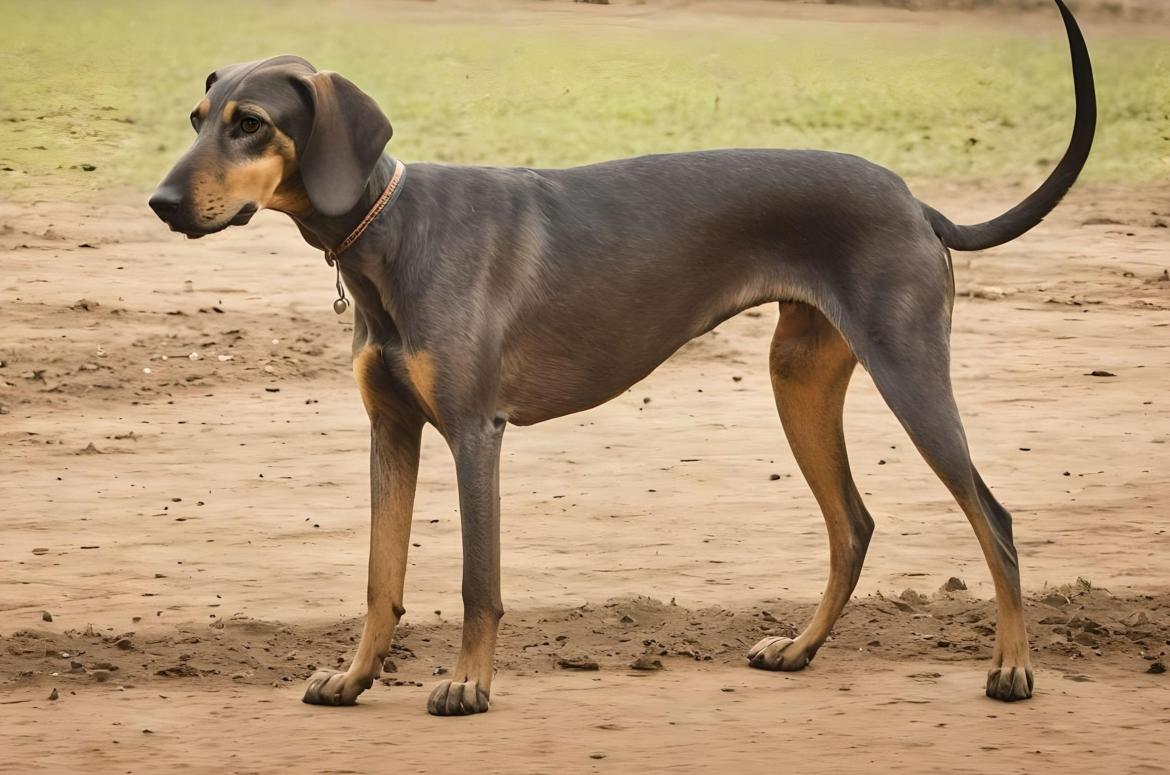
You usually come across the Mudhol Hound because of a photo: a slim, long-legged dog that looks a bit like a Greyhound, but carries itself differently. Or you might hear the name in the same breath as “Caravan Hound”, “Indian sighthound”, or even working dogs used by security forces in India. It can leave you wondering what the breed is actually like to live with, and whether the reputation matches reality.
It is tempting to assume that a hound is a hound, and that sleek, quiet dogs are automatically “easy” dogs. With the Mudhol Hound, the truth is a little more specific. This is a dog shaped by hot, open country and practical work, which means the qualities people admire (speed, independence, stamina) are the same ones that require thoughtful handling at home.
When you understand what the Mudhol was bred to do, you can make sense of everything else: why they often bond closely with their people, why they can be reserved with strangers, why reliable recall can be a project, and why a small yard or apartment life can be a poor fit for many individuals.1, 3
- Breed category: Hound (sighthound type)
- Country of origin: India (Deccan Plateau, especially Karnataka and neighbouring regions)
- Typical size: Medium to large, slim and athletic
- Coat: Short, smooth, low-maintenance
- Exercise needs: High, with a strong need for safe running opportunities
- Temperament pattern: Affectionate with family, often reserved with strangers, can be protective
Where the Mudhol Hound comes from
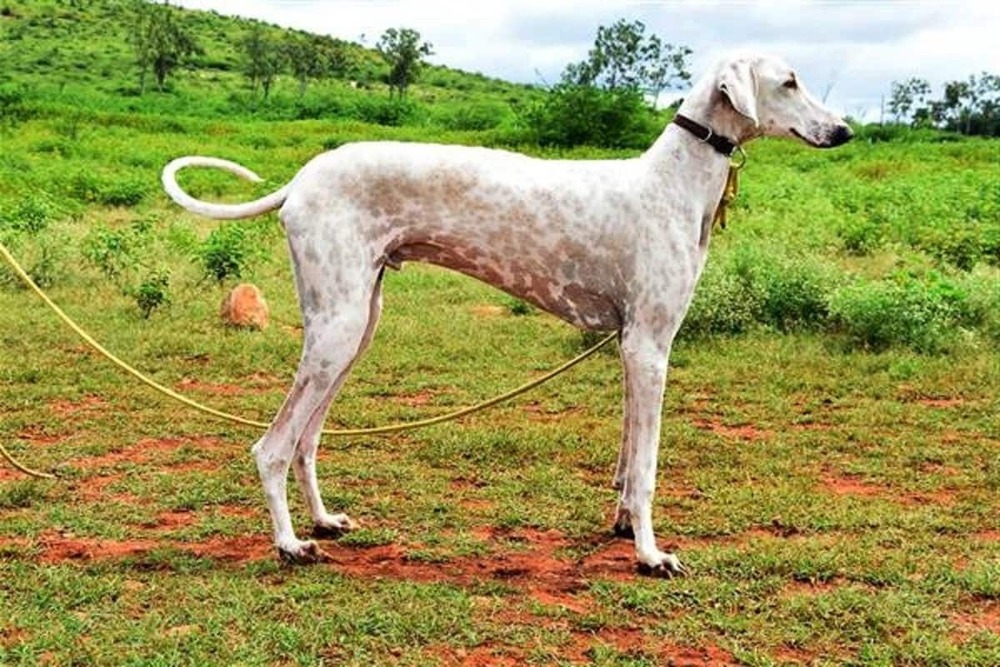
The Mudhol Hound is a native Indian sighthound associated with the Deccan Plateau and the town of Mudhol in Karnataka. You will also see the name Caravan Hound used, particularly in kennel and breed circles, and there are regional naming differences depending on who is describing the dogs and why.1, 3
Historically, the type was valued for hunting and guarding. Accounts commonly connect the breed’s modern revival to Shrimant Rajesaheb Malojirao Ghorpade of Mudhol (1884 to 1937), who is credited with promoting and refining local hounds into a more consistent “royal” type. Those same accounts also describe a pair being presented to King George V in the early 1900s, which helped introduce the breed beyond its home region.1
In more recent times, there has been organised conservation and development work. Karnataka Veterinary, Animal and Fisheries Sciences University (KVAFSU) runs a Canine Research and Information Centre at Thimmapur, Mudhol, with a mandate focused on conserving and developing the breed, along with research and support for management, health care, and breeding.4, 5
What they look like, and what that tells you
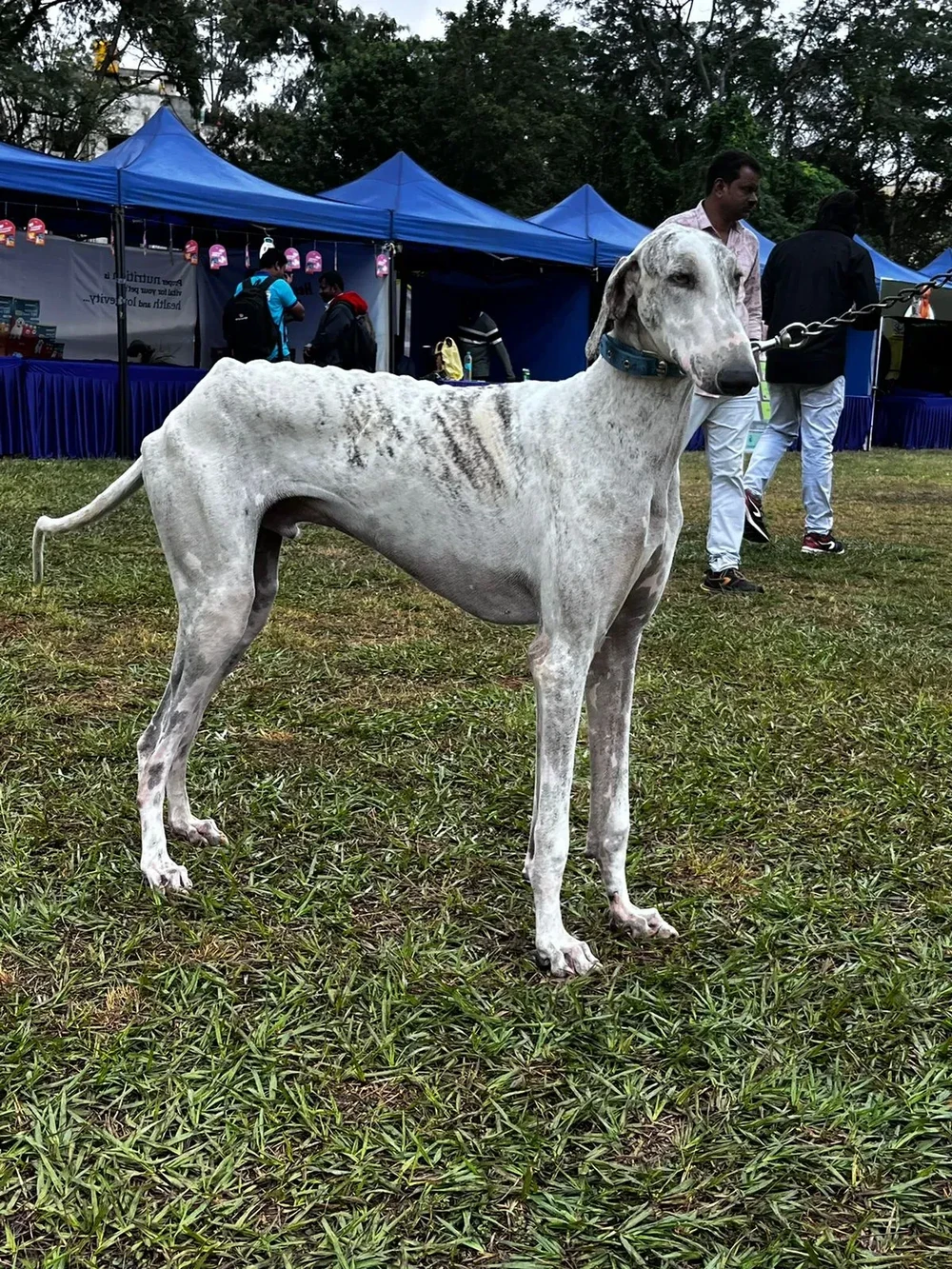
The Mudhol Hound’s outline is pure function: long legs, deep chest, lean muscle, and a short coat that suits hot conditions and rough terrain. Breed standards describe them as hardy working sighthounds built for distance and speed, rather than a compact “pet” build.3
Coat colours vary widely, including fawn, brindle, black, grey, cream, and combinations with white markings. You may also hear discussion about very pale or “all white” dogs. This is an area where it helps to be cautious. Some breed-standard commentary notes welfare concerns when breeding strongly for certain looks, including risks associated with poor pigment in very pale dogs.3
Temperament, bonding, and everyday behaviour
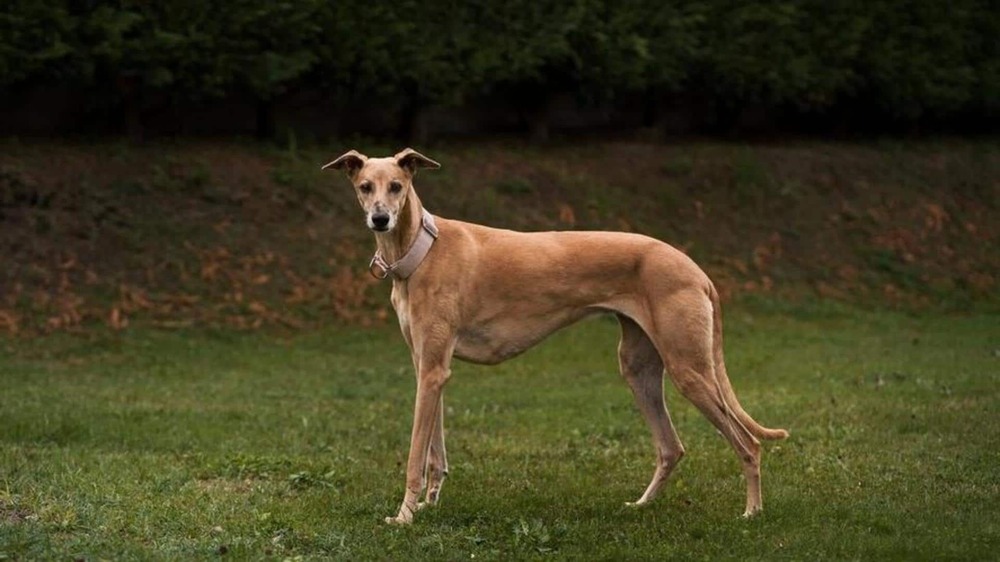
Many Mudhol Hounds are deeply connected to their people, but not always demonstrative with strangers. Breed descriptions often frame this as being reserved with unfamiliar people while remaining affectionate with family, and capable of guarding behaviour in the right context.3
They are also independent in a way that can surprise first-time sighthound owners. Independence is not “stubbornness” so much as a dog that has been selected to make fast decisions at a distance. In day-to-day life, it can look like a dog scanning the horizon, choosing movement over cuddles, or switching on instantly when something runs.
If you have other pets, especially small animals, it is wise to assume prey drive could be present and manage accordingly. Early socialisation can help, but it does not rewrite genetics. A careful home setup, secure fencing, and supervised introductions matter more than good intentions.3
Training that respects a sighthound brain
Mudhol Hounds are bright, but many do best with training that is calm, consistent, and practical. Short sessions, clear reinforcement, and predictable routines generally land better than repetitive drilling.
Recall is the big conversation with any sighthound type. It is not that they cannot learn it, it is that the environment can easily outvote you. A moving target can be more rewarding than a treat. In real homes, the most successful approach is usually a mix of training and management: long lines, secure off-lead areas, and a strong emergency cue, rather than expecting “park-dog” reliability everywhere.
If you are working with reactivity, guarding, or anxiety around strangers, it can help to involve a qualified trainer early. Look for someone who understands primitive or hunting breeds and uses reward-based methods that build confidence, not pressure.
Exercise needs, and why space matters
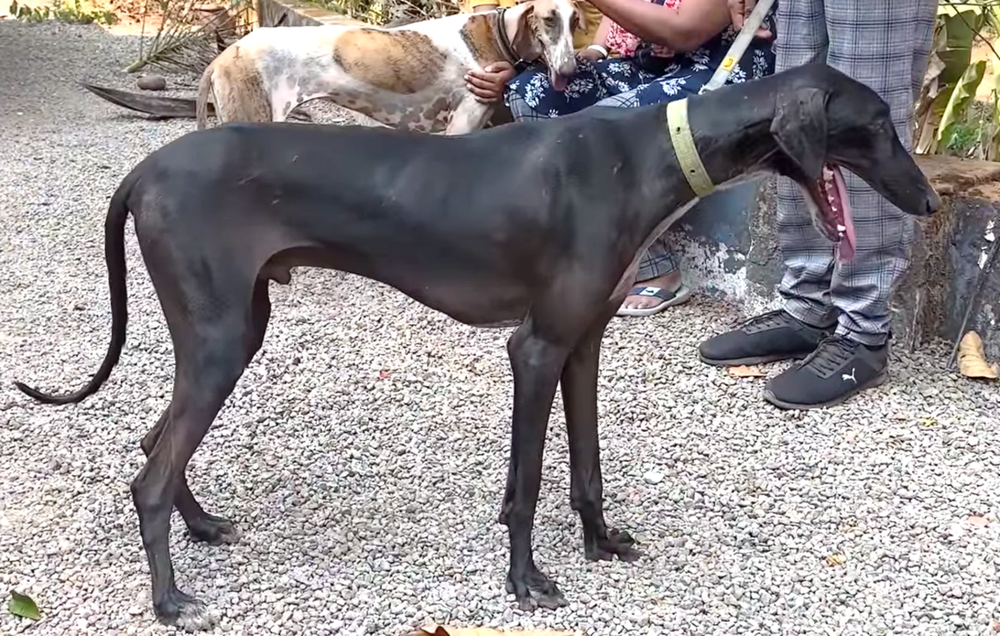
This breed is built to run. They typically need daily movement that goes beyond a slow suburban stroll. Many owners find a combination works best: steady lead walks for routine and sniffing, plus opportunities for safe, fast running in secure areas.
It is also worth being honest about environment. Some dogs adapt to city life, but the breed is often described as a poor fit for tight urban conditions if exercise and space are limited. Reports from India have noted that Mudhol Hounds can struggle when confined and may be better suited to homes with room to move and purposeful outlets for their energy.6
Health considerations and sensible prevention
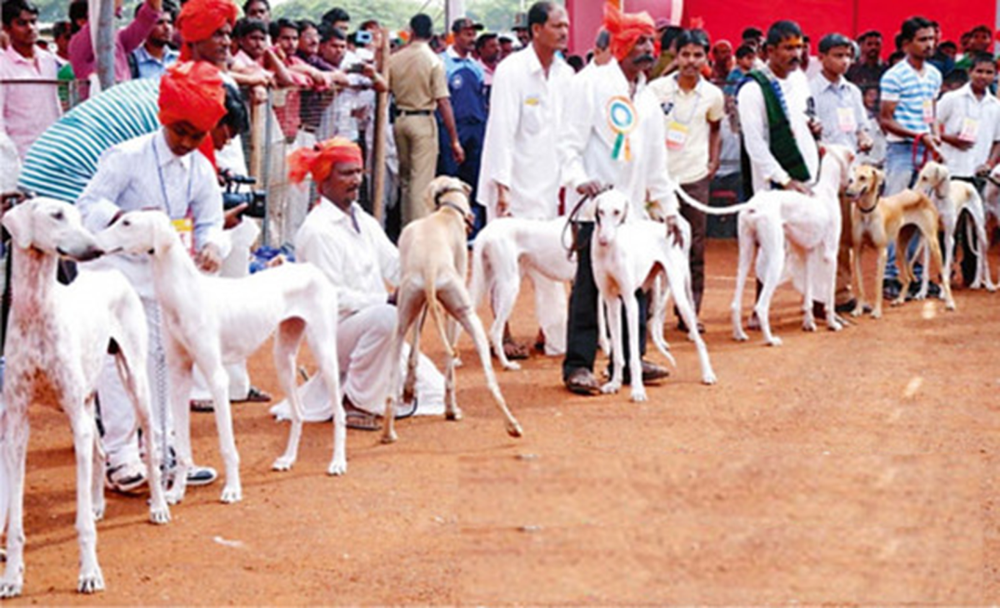
Compared with some heavily modified modern breeds, Mudhol Hounds are often described as hardy. Still, any medium to large athletic dog can face common orthopaedic issues, including hip dysplasia. Hip dysplasia is influenced by multiple factors, including genetics and environment, and severity does not always match what you see day to day.7, 8
Two practical prevention habits tend to pay off across breeds: keeping a lean body condition and avoiding rapid weight gain during growth. If you are unsure, your vet can show you how to use a body condition score chart so you are not guessing from the bowl or the scales alone.8, 9
For eyes, skin, and general wellbeing, the basics still apply: routine veterinary checks, parasite prevention suited to your region, dental care, and prompt attention to changes in movement, appetite, or behaviour.
Grooming and coat care
The short, smooth coat is one of the easiest parts of living with this breed. Most of the time, grooming is about comfort and inspection rather than “beauty”: removing loose hair, checking skin, and getting your dog accustomed to being handled.
Australian RSPCA guidance notes that short-coated dogs generally need less brushing and may do well with occasional brushing, sometimes as little as every few weeks, depending on the individual and what they get up to. Use a soft brush or grooming mitt, keep it pleasant, and treat it as part of your handling routine rather than a chore.10
- Brushing: As needed, often weekly to fortnightly, sometimes less for very smooth coats
- Bathing: Only when dirty, use a gentle dog shampoo
- Nails and ears: Check routinely, especially if your dog runs hard and collects grass seeds
Feeding, weight, and what “balanced” really means
With a high-energy, athletic dog, it is easy to overfeed in the name of “fuel”, especially if treats are doing a lot of work in training. A good diet is less about a single perfect brand and more about being nutritionally complete for the dog in front of you, with portions adjusted to maintain condition over time.
WSAVA’s nutrition resources emphasise structured nutritional assessment, including body condition scoring and taking a full diet history. That is a helpful mindset for Mudhol Hounds too, particularly if you are mixing commercial food with extras, or if your dog’s workload changes seasonally.9
If you are considering homemade feeding, do it with veterinary guidance so you do not accidentally build in long-term deficiencies. The dog may look fine for months, then quietly drift into problems that were preventable.
Choosing a Mudhol Hound thoughtfully
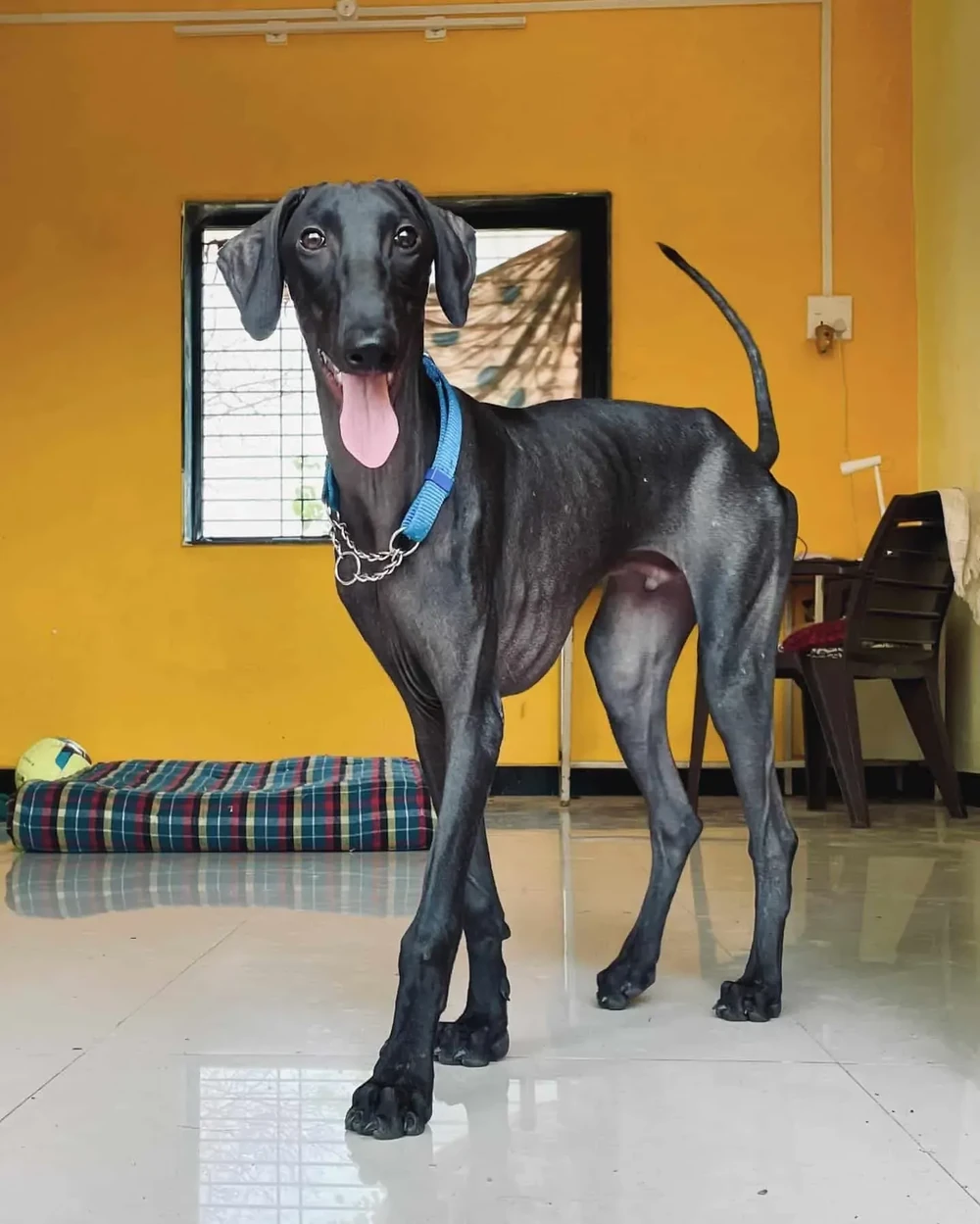
It is a wonderful breed for the right household, particularly for people who enjoy training, value a calm but capable dog, and can provide safe outlets for speed and curiosity. The key is matching expectations to reality.
A good fit often looks like a home with secure fencing, a plan for daily exercise, and people who do not take independence personally. If you are seeking a dog that reliably stays close off-lead in busy public places, or a dog that welcomes every stranger, you may find life easier with a different breed or mix.
If you are sourcing a puppy, look for health transparency, sensible breeding choices, and early handling and socialisation. If you are adopting an adult, plan for a settling-in period and assume you will need management tools, like long lines and structured routines, while you learn what the dog finds rewarding.
Final thoughts
The Mudhol Hound makes more sense when you see it as a working sighthound first, and a companion second. They tend to be elegant, hardy dogs with a quiet intensity, and they can be deeply steady in a home that understands them.
With thoughtful training, appropriate exercise, and a realistic approach to off-lead freedom, many Mudhols settle into family life beautifully. The aim is not to turn them into something else, but to give their instincts a safe place to land.
References
- Wikipedia: Mudhol Hound
- Wikipedia: Mudhol (Royal Mudhol Hound section)
- Caravan Hound India: Mudhol Hound breed standard
- KVAFSU: Canine Research and Information Center (Mudhol Hound), Thimmapur, Bagalkot
- KVAFSU: CRIC Mudhol Hound research, mandates, and recognition
- Times of India: Mudhol hounds, many fail to fit in urban settings
- Orthopedic Foundation for Animals (OFA): Hip Dysplasia
- American College of Veterinary Surgeons (ACVS): Canine hip dysplasia overview
- WSAVA: Global Nutrition Guidelines
- RSPCA Pet Insurance Australia: Guide to dog cleaning and grooming