

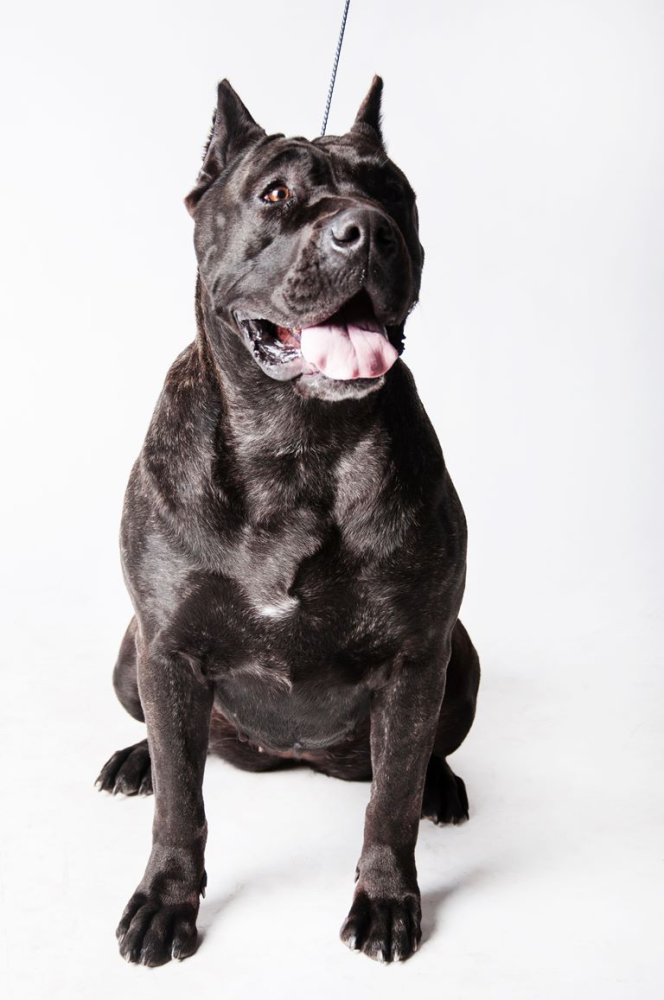
People often notice the Neapolitan Mastiff the same way they notice certain old buildings: from a distance it looks imposing, and up close it’s the details that linger. The heavy wrinkles, the slow, deliberate movement, the sheer width of the dog. It can leave you wondering whether you’re looking at a “tough guard dog” stereotype, or something much quieter and more companionable.
In practice, living with a Neo is less about bravado and more about daily management. Their size changes ordinary routines, feeding, walking, transport, visitors at the door. And because their body shape comes with some predictable care needs, it helps to understand what is normal for the breed and what is a sign you should get your vet involved.
The Neapolitan Mastiff is an Italian working breed, developed as a guardian, and recognised by the American Kennel Club in 2004.1 They are often calm at home and deeply attached to familiar people, but they are not a “set and forget” dog. Their wellbeing tends to depend on early socialisation, sensible handling, and owners who are comfortable with a powerful animal that matures slowly.
Breed snapshot: what most owners notice first
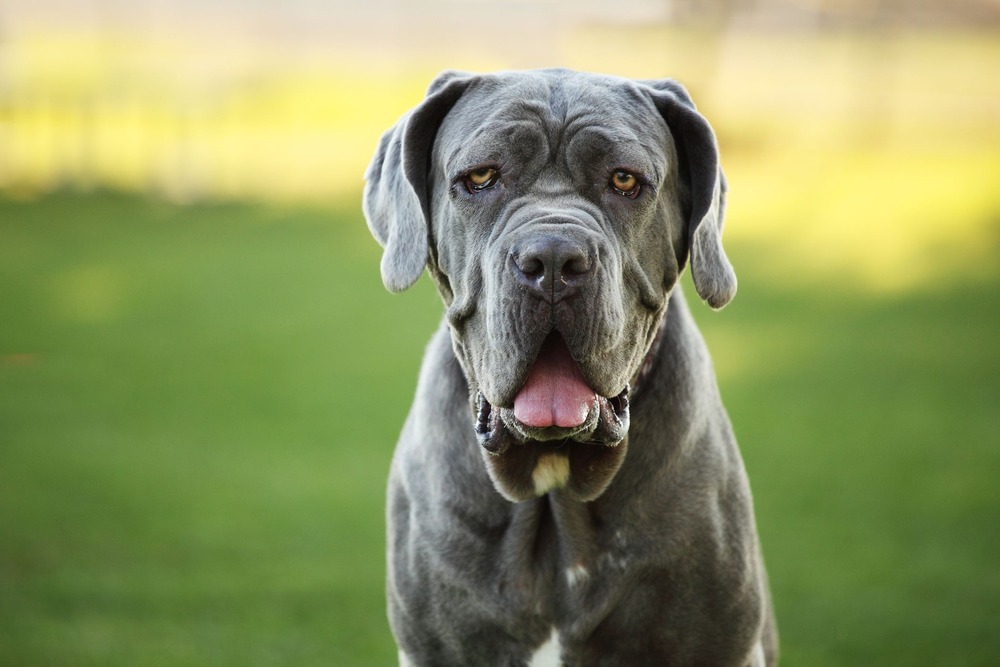
Large, heavy-boned and slow-moving is the first impression for many people. Adult males are often around 65 to 75 cm at the shoulder and females around 60 to 70 cm, with substantial weight behind that height. In a home, that translates to a dog that takes up space, leans, blocks hallways, and can accidentally bowl into knees if excited.
The classic Neo look comes from abundant loose skin, especially around the head and neck, plus a short, dense coat in colours such as black, blue-grey, mahogany and tawny. The coat itself is usually easy to maintain, but the skin folds and drool are where most of the real work lives.
Many Neapolitan Mastiffs are quiet dogs. They often prefer watching to participating, and it is common for them to be reserved with strangers. This can be a strength in a guardian breed, but it also means socialisation matters more than “obedience tricks”, especially in the first year.
Where the breed came from, and what that means today
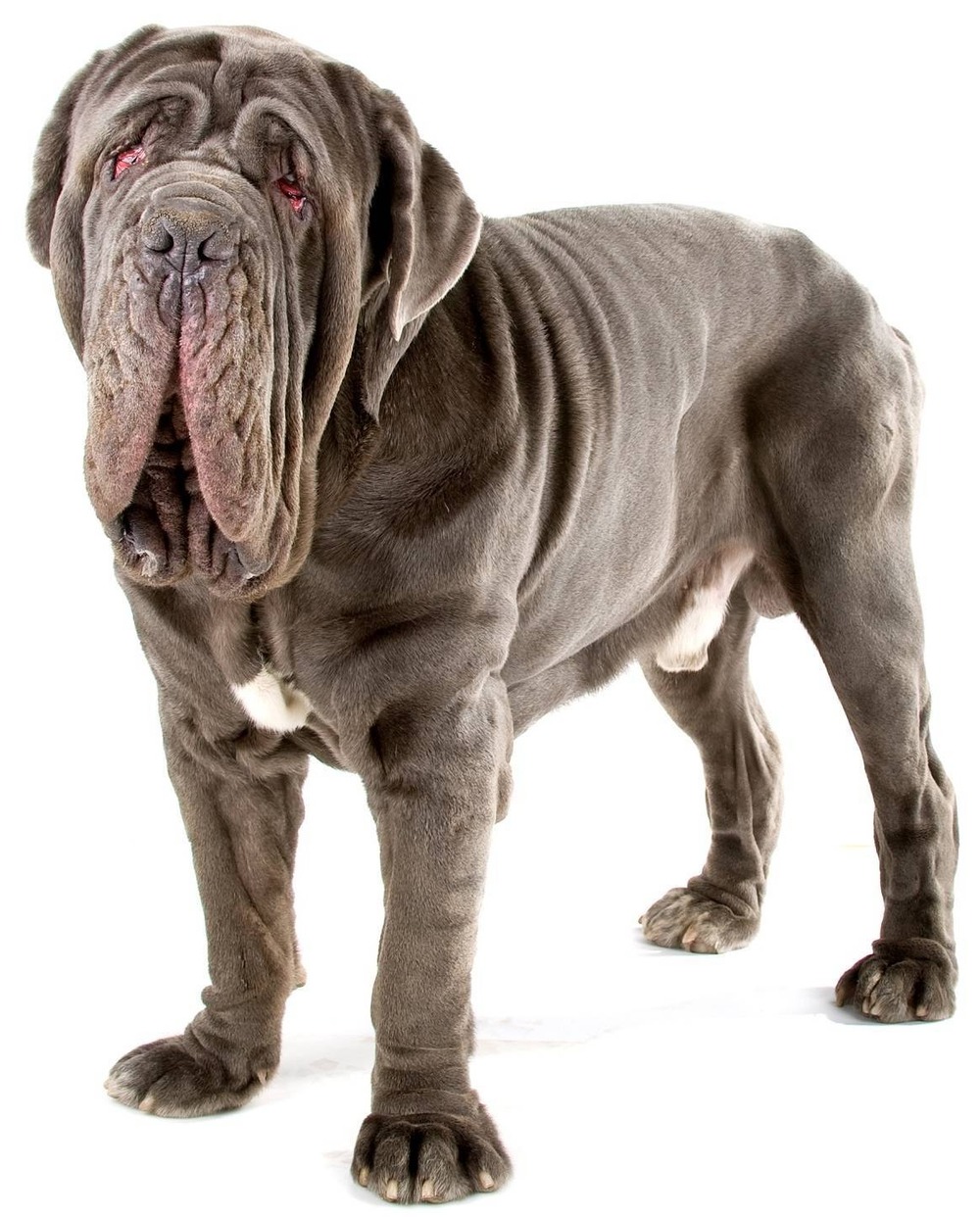
The Neapolitan Mastiff (Mastino Napoletano) was developed in southern Italy as a property guardian. The breed’s modern standard was formalised in the mid 20th century, and the breed was recognised in Italy in 1949, then internationally by the FCI in 1956.2, 3
That guardian background still shows up in everyday behaviour. Many Neos are naturally watchful, they tend to form tight bonds with their household, and they can be slow to warm up to visitors. This is not a flaw to train out. It is a trait to manage thoughtfully, by teaching calm routines around doors, visitors, and handling, and by ensuring the dog learns early that new people and places are not automatically threatening.
In well-bred dogs, the goal is a stable, steady temperament, not nervous reactivity. If you are meeting puppies, look for calm curiosity and recoverability, meaning the puppy startles and then settles, rather than escalating or shutting down.
Temperament, family life, and other animals
In many households, the Neo is at their best when the day is predictable. They often enjoy being near their people without needing constant interaction. Owners commonly describe them as loyal and settled, with short bursts of play rather than sustained high energy.
With children, the biggest risk is usually not aggression but physics. A relaxed head swing can knock over a small child, and a dog that leans its full weight into someone can be overwhelming. If you have kids, think in terms of management and supervision: separate spaces, calm greetings, and teaching children not to crowd a dog’s face or climb on them.
With other pets, outcomes vary. Some Neos live peacefully with other dogs and cats, especially when raised with them. Others are selective or uncomfortable with unfamiliar dogs, particularly of the same sex. Early, positive exposure helps, but so does choosing a lifestyle that does not require your dog to “love everyone” at parks and cafes.
Training and socialisation that suits a Neo
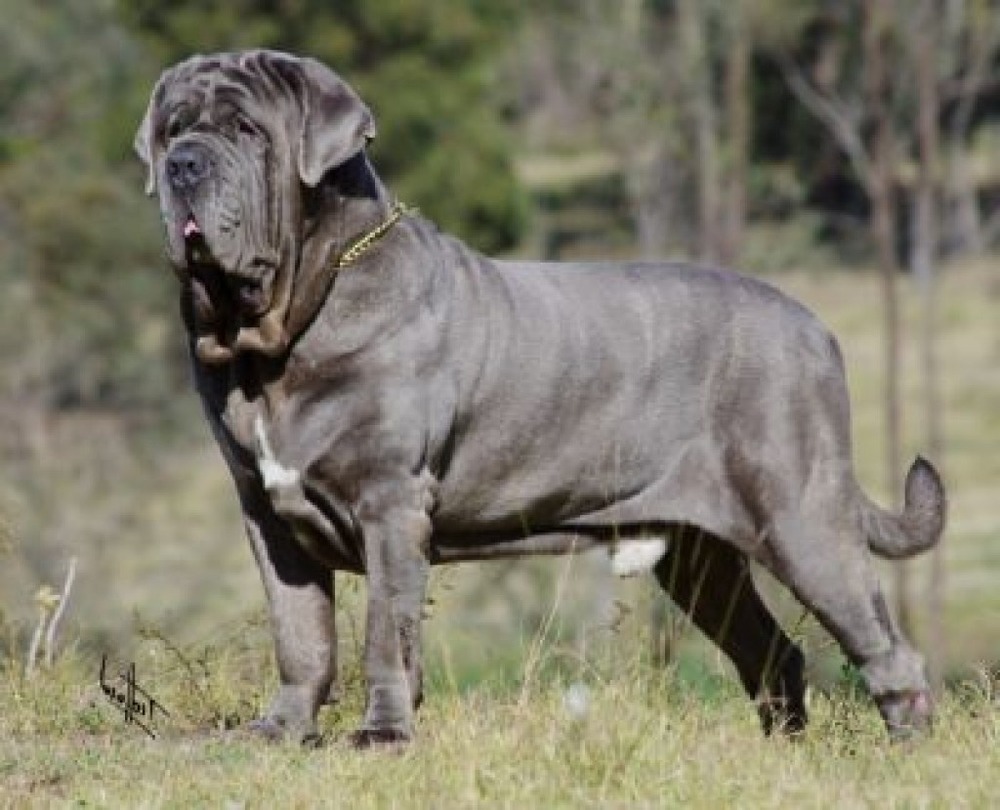
Neapolitan Mastiffs are typically intelligent, but they are not usually “busy” dogs. Training tends to go best when sessions are short, calm, and consistent, with food rewards and clear routines. Heavy-handed corrections often backfire, either by creating avoidance or by provoking resistance in a powerful animal.
Socialisation is not about forcing contact. It is about building neutral, steady experiences. For a Neo, that can look like:
- Watching the world from a safe distance, then leaving before the dog feels overwhelmed
- Meeting visitors with the dog behind a baby gate, then rewarding calm behaviour
- Practising handling skills (ears, paws, skin folds, mouth) gently and regularly
Because Neos mature slowly, you can see “teenage” testing of boundaries later than you might expect. Keep routines steady through adolescence, and aim for reliability, not perfection.
Exercise and heat management
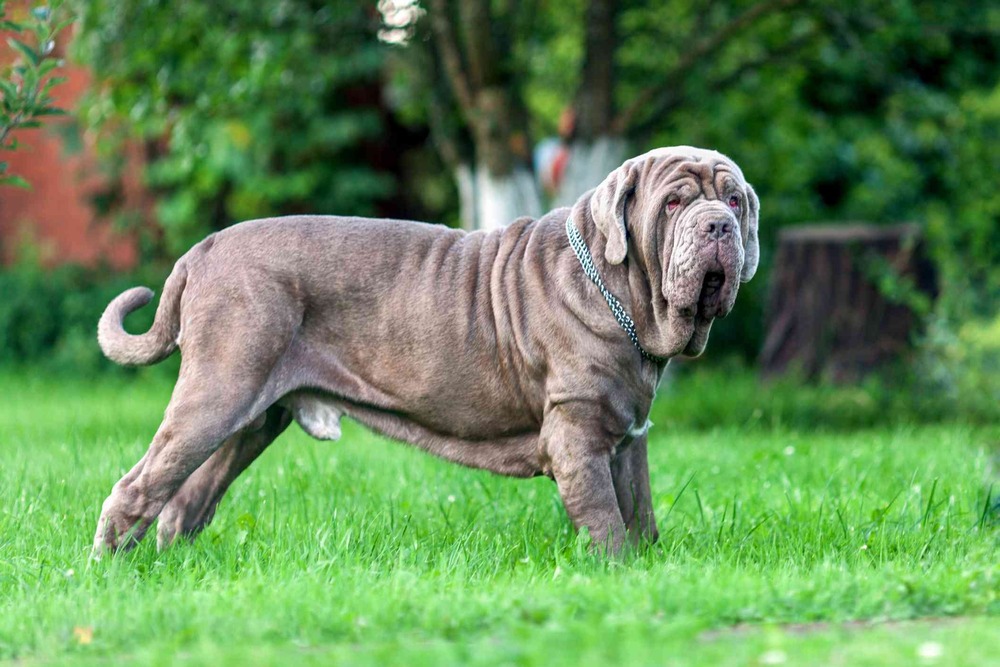
Most Neapolitan Mastiffs do well with moderate daily movement: a couple of gentle walks, sniff time, and some low-impact play. They are rarely suited to repetitive high-impact exercise, especially during growth or if joint issues are present.
Heat is a practical concern. Large, heavy dogs can overheat quickly, and dogs with shorter muzzles or airway compromise are at higher risk in warm, humid conditions. Plan exercise for cooler parts of the day, provide shade and water, and learn the early signs of overheating.
If you suspect heat stress or heatstroke, treat it as urgent. Signs can include heavy panting that worsens, drooling, agitation, weakness, vomiting or collapse. Move the dog to a cooler place, apply cool (not icy) water, and contact a vet immediately.4, 5
Health considerations to discuss with your vet
Like many giant breeds, Neapolitan Mastiffs can be predisposed to orthopaedic problems such as hip dysplasia, and to certain cardiac conditions. Skin and ear issues can also occur, partly because folds can trap moisture and debris. The best approach is not to assume the worst, but to plan for sensible prevention: maintaining a healthy body condition, choosing appropriate exercise, and scheduling regular veterinary checks.
Another condition owners of deep-chested, large dogs should know about is gastric dilatation-volvulus (bloat). It is a medical emergency that can progress quickly, so ask your vet what it looks like and what to do if you suspect it.6
When choosing a breeder, ask what health screening is done in their lines, and what they prioritise in structure and skin. Breed standards emphasise soundness and avoiding exaggerations that compromise welfare, which matters in a dog where skin, eyes and movement can be affected by extremes.3
Grooming, wrinkles, and drool: the real maintenance
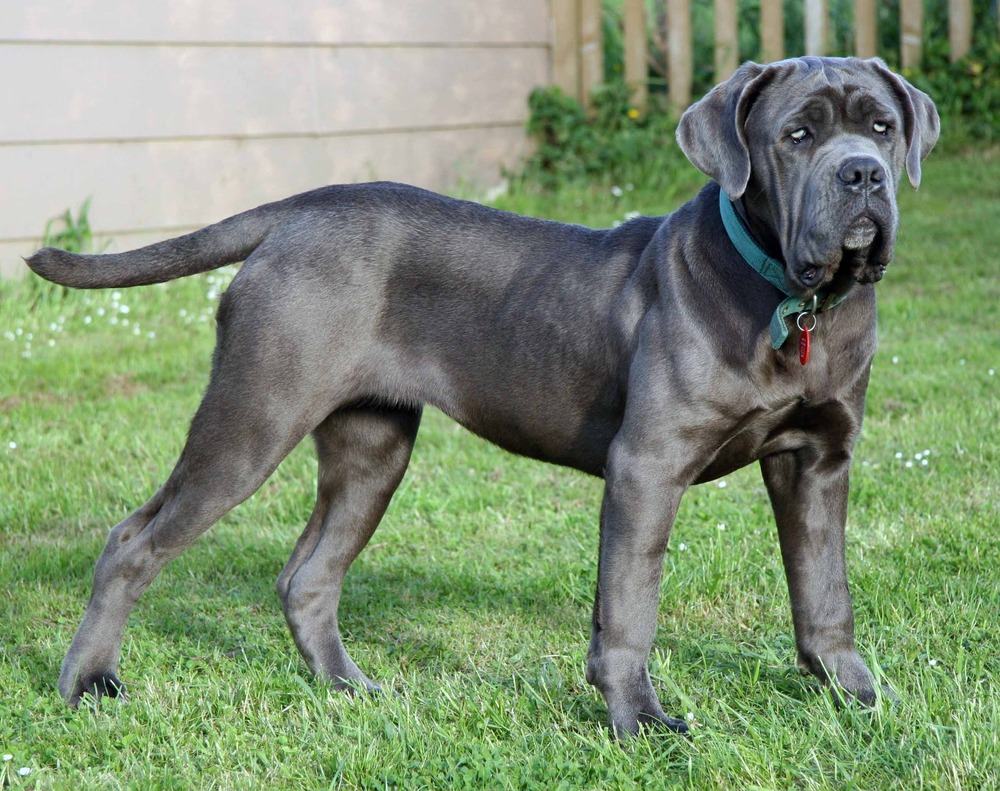
The coat itself is simple. A weekly brush usually removes loose hair and keeps the coat glossy. Nail trims and dental care still matter, but the Neo’s signature feature is the skin, and that is where owners either settle into a rhythm or feel overwhelmed.
Skin fold care is preventative care. Not every Neo needs intensive daily cleaning, but many do best with a quick check and wipe of facial folds, lips and neck, then drying if the area is damp. If you notice redness, a strong smell, weeping skin or the dog resisting handling, it is worth checking in with your vet sooner rather than later.
Drool is normal for many Neapolitan Mastiffs. Keep washable cloths handy, and think about practicalities like furniture covers and where your dog rests after drinking. It is not glamorous, but it is part of living comfortably with this breed.
Feeding and keeping a giant breed in good condition
For Neapolitan Mastiffs, nutrition is less about chasing a trend and more about consistency, growth management, and maintaining a lean body condition. Your vet can help you choose a complete, balanced diet appropriate for age and size, then adjust portions based on body condition score, not just the feeding guide on the bag.
WSAVA’s nutrition resources are useful if you are comparing diets or feeling overwhelmed by online advice. The broad principles are simple: ensure the diet is complete and balanced, monitor weight and muscle, and revisit the plan over time as the dog’s needs change.7
If you want to add extras (raw meaty bones, toppers, supplements), do it with guidance. In a large breed, small nutritional missteps can have outsized effects over months and years.
Is a Neapolitan Mastiff right for you?
This is not usually the best “first big dog” for someone who wants an easy, social, take-anywhere companion. A Neo can be deeply rewarding, but the day-to-day reality includes physical strength, visitor management, drool, heat planning, and health costs that can be significant.
A Neapolitan Mastiff tends to suit people who appreciate a calm household dog with a protective edge, who are comfortable setting boundaries, and who prefer slow, steady training over constant activity. If you get those foundations right, you often end up with a remarkably settled presence at home, the kind of dog that does not need to prove anything.
References
- American Kennel Club: AKC Approves Three New Dog Breeds (Neapolitan Mastiff recognition, 2004)
- ENCI: Standard FCI No. 197, Mastino Napoletano (breed standard PDF)
- The Kennel Club (UK): Neapolitan Mastiff Breed Standard
- RSPCA Australia: Warm weather worries, protect pets from heatstroke
- RSPCA Pet Insurance Australia: Heatstroke (hyperthermia) in cats and dogs
- VCA Animal Hospitals: Bloat (Gastric Dilatation and Volvulus) in dogs
- WSAVA: Global Nutrition Guidelines